How Can The Elderly Prevent Constipation?
Oct 13, 2023
The human body is like a machine. As age increases, the functions of various organs will gradually decline and malfunction and various geriatric diseases will also appear. Among them, constipation is a common disease among the elderly. Although constipation is not a serious illness in the eyes of ordinary people, long-term constipation not only makes people extremely painful but also poses great harm to health.

Click to immediate constipation relief adults
People with constipation often have lower abdominal distension and pain, and have the urge to defecate but have difficulty defecating, which is what is called "tenesmus" in medicine. The stool is too dry and hard, which can lead to hemorrhoids, anal fissures and bloody stools. Long-term constipation cannot discharge waste in time, causing protein putrefaction such as indole and other substances to be absorbed in the intestines, which can cause toxic reactions, causing headaches, dizziness, loss of appetite, bitter mouth, nausea, fatigue, and other symptoms, and can even cause intestinal diverticula, colon, etc. The incidence of cancer and rectal cancer has increased significantly.
Adjusting lifestyle is an important measure for the elderly to prevent constipation, including a reasonable diet, moderate exercise, and establishing good defecation habits.
1. Reasonable diet
1. Drink more water
According to the "Dietary Guidelines for Chinese Residents (2016)", drinking water regularly and drinking more water (intake ≥1500mL/d) can alleviate constipation to a certain extent. Due to their slow metabolism, the elderly need less water than young people, and their brains are slower to respond to thirst. Elderly people are advised not to wait until they are thirsty before drinking water. The elderly should replenish water regularly and quantitatively, especially in the morning and after exercise. A cup of hot drink can help promote intestinal movement. It should be noted that elderly people with special diseases (such as heart failure, renal failure, pleural effusion, or ascites) who require fluid restriction should follow the doctor's advice on their water intake.

2. Increase dietary fiber intake
The Chinese Nutrition Society recommends a daily intake of 25g of dietary fiber. The "Chinese Guidelines for the Diagnosis and Treatment of Chronic Constipation (2013)" recommends a daily intake of 25 to 35g of dietary fiber. The elderly should consume at least 200g of fruits and 300g of vegetables every day, while paying attention to the combination of thick and thin, and gradually Add foods high in dietary fiber to your meals, such as green leafy vegetables, peeled apples, cooked corn, etc.
3. Diet therapy
Appropriate consumption of foods with laxative effects, such as walnuts, sesame seeds, and milk; vegetable oils, such as peanut oil, vegetable oil, sesame oil, and soybean oil, can be added when cooking dishes.
4. Adjustment of intestinal microecology
Probiotics can stimulate intestinal peristalsis and help relieve constipation. Elderly people with constipation can drink dairy products containing probiotics or take oral probiotic supplements to relieve constipation.

2. Moderate exercise
Exercise can stimulate intestinal peristalsis and help relieve constipation. The elderly can engage in appropriate aerobic exercise and choose an exercise method that suits them according to their physical condition, such as doing exercises, walking, Tai Chi, and Qigong. In addition, the elderly can also perform ani lift training: contract the anus and perineum for 5 seconds, relax, and repeat 10 times, 3 times a day. People in wheelchairs or bedridden for a long time should change their positions regularly.
3. Establish good bowel habits
Regular bowel movements are an effective measure to prevent and treat constipation. Try to defecate in the morning or within 2 hours after breakfast. Concentrate on defecation and do not listen to music or read newspapers. Live a regular life and develop good living habits. If you have the urge to defecate and cannot hold it back, you should defecate in time.
4. Abdominal massage
Every day before going to bed, overlap your hands, put your palms against your abdomen, and massage your abdomen in a clockwise direction with your navel as the center.
5. Use laxatives
Take laxatives as directed by your doctor and have a bowel movement the next morning.
6. Psychological adjustment
Elderly people with constipation should maintain a good mental state and avoid emotions such as anxiety and depression.
Natural Herbal Medicine For Relieving Constipation-Cistanche
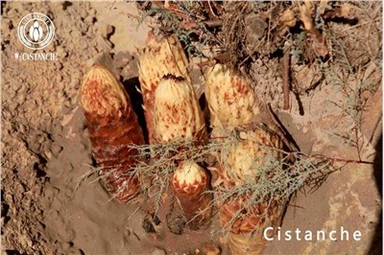
Cistanche is a genus of parasitic plants that belongs to the family Orobanchaceae. These plants are known for their medicinal properties and have been used in Traditional Chinese Medicine (TCM) for centuries. Cistanche species are predominantly found in arid and desert regions of China, Mongolia, and other parts of Central Asia. Cistanche plants are characterized by their fleshy, yellowish stems and are highly valued for their potential health benefits. In TCM, Cistanche is believed to have tonic properties and is commonly used to nourish the kidney, enhance vitality, and support sexual function. It is also used to address issues related to aging, fatigue, and overall well-being. While Cistanche has a long history of use in traditional medicine, scientific research on its efficacy and safety is ongoing and limited. However, it is known to contain various bioactive compounds such as phenylethanoid glycosides, iridoids, lignans, and polysaccharides, which may contribute to its medicinal effects.

Wecistanche's cistanche powder, cistanche tablets, cistanche capsules, and other products are developed using desert cistanche as raw materials, all of which have a good effect on relieving constipation. The specific mechanism is as follows: Cistanche is believed to have potential benefits for relieving constipation based on its traditional use and certain compounds it contains. While scientific research specifically on Cistanche's effect on constipation is limited, it is thought to have multiple mechanisms that may contribute to its potential to relieve constipation. Laxative Effect: Cistanche has long been used in Traditional Chinese Medicine as a remedy for constipation. It is believed to have a mild laxative effect, which can help promote bowel movements and induce constipation. This effect may be attributed to various compounds found in Cistanche, such as phenylethanoid glycosides and polysaccharides. Moistening the Intestines: Based on traditional use, Cistanche is considered to have moisturizing properties, specifically targeting the Intestines. Promoting hydration and lubrication of the Intestines may help soften tools and facilitate easier passage, thereby relieving constipation. Anti-inflammatory Effect: Constipation can sometimes be associated with inflammation in the digestive tract. Cistanche contains certain compounds, including phenylethanoid glycosides and lignans, that are believed to have anti-inflammatory properties. By reducing inflammation in the intestines, it may help improve bowel movement regularity and relieve constipation.