How Is A Brain With A Good Memory Different From Yours?
May 26, 2023
In the human brain, the entorhinal cortex is in charge of the brain's memory. Recently, a new study from Northwestern University School of Medicine showed that whether compared with their peers with average cognitive levels or compared with patients with early Alzheimer's disease, those "super agers" over the age of 80 (SuperAgers) ) neurons in the entorhinal cortex are much larger. Even compared with those middle-aged and elderly people in their fifties and sixties, the neurons of "super old people" are outstanding in shape and size.

Click to cistanche tincture for memory improvement
What's more, tau tangles, a hallmark of Alzheimer's disease, were not found in these neurons of the "super old".
Lead author Tamar Gefen, an assistant professor of psychiatry and behavioral sciences at Northwestern University Feinberg School of Medicine, said: grow larger than the average young person. This remarkable result means that the size of neurons is innate and that this cellular structure stays with people throughout life. From this, we infer that morphologically Larger neurons may be a biological hallmark of aging in the 'super old'."
"Super Old Man"
"Super old people" have outstanding memory: they are over 80 years old, but their memory is comparable to that of healthy middle-aged and elderly people in their fifties and sixties, or even better. This study reveals for the first time that the biological characteristics of "super old people" are different from ordinary people: their entorhinal cortex neurons are larger and healthier. Pathologically, these neurons were less prone to forming tau tangles.
Related papers were published in The Journal of Neuroscience on September 30.

Jeffen said: "It is important to carefully investigate the brain autopsy results of 'super old people', which may reveal why some groups can survive Alzheimer's disease. What shapes the 'super brain' of 'super old people' ’? How can we use their biology to help other older populations escape Alzheimer’s disease?”
protein tangle
Scientists studied the part of the brain called the entorhinal cortex, which is responsible for memory and is also the first site of Alzheimer's disease attack. The entorhinal cortex is composed of six layers of neurons stacked on top of each other. The second layer of neurons is responsible for receiving information from other memory centers and is a key hub in the brain's memory circuit.
In this study, Jeffen et al. found that the first stage of the entorhinal cortex in "super old people" Layer 2 neurons is larger and healthier. In addition, the study also showed that tau tangles were absent in these morphologically larger layer II neurons.
Taken together, the study found that neurons that did not form tangles maintained their structural integrity and were larger and healthier. Conversely, tau tangles cause neurons to shrink.
The subject name of this study is "Super Elderly", and the "Super Elderly" who are the research subjects donated their brains.
In this study, the scientists examined the brains of six "super old people," seven older adults with average cognitive ability, six young adults, and five early-stage Alzheimer's patients. Layer 3 and layer 5 neurons were used as references, and the size of layer 2 neurons was measured. In addition, the researchers assessed the extent of tau tangles in these cases.

For unknown reasons, populations of cells in the entorhinal cortex are particularly prone to forming tau tangles, both during natural aging and in the early stages of Alzheimer's disease.
"In this study, we show that atrophy of neurons in the entorhinal cortex is a hallmark of Alzheimer's disease," says Jeffen.
"We speculate," Jaffen added, "that the formation of tau tangles induces neuronal shrinkage, which in turn contributes to memory loss in older populations. Identifying the various causes of these diseases is critical for Alzheimer's disease. Early diagnosis, monitoring of disease progression, and guidance of clinical treatment are all crucial".
Why can "super old people" keep the youthful vitality of neurons forever? This issue needs to be addressed in future research. In this regard, Jiefen hopes to use the environment of the cell cycle as a starting point for exploring this issue.
Jeffen wanted to focus on the question: "What are the chemical, metabolic or genetic features in these cells that make them 'perpetually young'?" In addition, to better understand Alzheimer's disease progression and intervention As a means, she also plans to explore other hubs in the brain's memory circuits.

Emily Rogalski, associate director of the Mesulam Center for Cognitive Neurology and Alzheimer's Disease at Northwestern University Feinberg School of Medicine, said: "The 'Super Elderly' research project has received another 20 million US dollars in funding support, and we hope to use this as an opportunity to make this research bigger and stronger. As far as it is concerned, the project has established five in the United States and Canada. site."
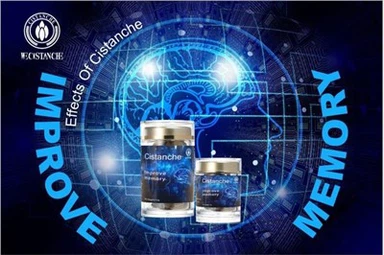
How does Cistanche improve memory?
Cistanche is an herb that has been traditionally used in Chinese medicine to improve memory and cognitive function. It contains several active compounds that have been shown to enhance memory and protect against age-related cognitive decline. One of the key active compounds in Cistanche is echinacoside, which has been shown to increase the production of nerve growth factors in the brain. These growth factors help to support the growth and maintenance of healthy neurons, which are essential for memory and cognitive function. Cistanche also contains other compounds such as acteoside and verbascoside, which have been shown to have antioxidant and anti-inflammatory effects. These properties help to protect the brain from damage caused by oxidative stress and inflammation, which can contribute to cognitive decline. Overall, Cistanche has been shown to improve memory and cognitive function by promoting the growth and maintenance of healthy neurons, and by protecting the brain from damage caused by oxidative stress and inflammation.