How To Prepare The Bowel Better For Patients With Constipation Undergoing Colonoscopy?
Aug 22, 2023
With the improvement of living standards and lifestyle changes, the number of people with chronic constipation is increasing year by year, especially middle-aged and elderly patients.

According to reports, constipation not only affects the quality of life of patients but also increases the risk of colon cancer to a certain extent. Therefore, early colonoscopy in patients with constipation is very necessary for colorectal cancer screening. However, due to poor gastrointestinal motility and poor excretion, intestinal preparation is quite difficult for patients with chronic constipation. Poor intestinal cleanliness not only increases the rate of missed diagnosis of lesions, but also increases the cost of re-examination colonoscopy, and the patient experience is not good.
To ensure the cleanliness and quality of colonoscopy, how to improve the quality of bowel preparation for people with constipation is a problem worthy of attention.
what is constipation
Constipated patients refer to patients with reduced frequency and volume of defecation, dry stool, laborious defecation, and stool frequency <3 times per week (chronic constipation duration greater than 6 months).
Causes and types of constipation
The causes of constipation are complex and diverse, not only closely related to lifestyle but also related to organic diseases of the digestive system. Colonoscopy, barium enema, abdominal B-ultrasound, and pathological examination can be used to distinguish between organic and functional constipation.
How to prepare the bowel for patients with constipation

1. Restricted Diet
Constipated people should pay special attention to controlling dietary ingredients, avoid eating crude fiber foods such as fruits and vegetables three days in advance, and choose low-residue foods such as fish, meat, eggs, porridge, and rice to reduce the difficulty of cleaning the intestinal tract
2. Regimen for taking laxatives
Constipation patients can adopt a divided dose plan, that is, a divided dose plan of 3L laxatives. Take a bag of laxatives and 1 liter of water at 8 o'clock the night before the examination, and take them within one hour. 4-6 hours before the examination, prepare the other two bags of laxatives with 2 liters of water, and try to take them within one hour to ensure the effect of bowel cleansing.
3. Early use of laxatives or prokinetic drugs
If the patient has functional constipation, laxatives can be used in advance to soften the stool and reduce the difficulty of bowel preparation. Commonly prescribed medications for patients with constipation are Linaclotide Capsules, Lactulose Oral Solution, etc. Patients can inform the doctor of their constipation condition and use laxatives as needed.
4. Pay attention to sufficient activities during taking the medicine
Constipated people should be fully active while taking the medicine to promote gastrointestinal peristalsis, such as walking while taking the medicine, massaging the abdomen clockwise during the medicine, etc., are conducive to gastric emptying, thereby improving the bowel preparation effect
5. Pay attention to bowel preparation in people with constipation complicated by multiple diseases

If a patient with constipation is accompanied by multiple high-risk factors such as stroke and diabetes, the primary underlying disease should be controlled in advance, such as controlling blood sugar to a normal level before proceeding with intestinal preparation and monitoring the excretion effect in real-time to facilitate Additional remedies. picture
6. Bowel preparation does not implement the remedial plan
Studies have reported that some patients are prone to various adverse events such as nausea and vomiting during taking the medicine, which makes the patients fail to take enough doses and seriously affects the quality of bowel preparation.
Natural Herbal Medicine For Relieving Constipation-Cistanche
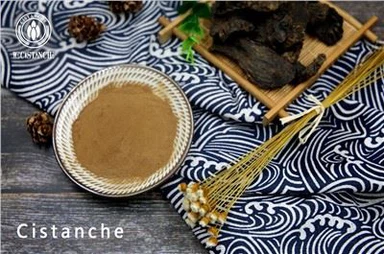
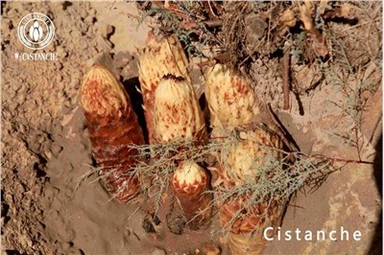
Cistanche is a genus of parasitic plants that belongs to the family Orobanchaceae. These plants are known for their medicinal properties and have been used in Traditional Chinese Medicine (TCM) for centuries. Cistanche species are predominantly found in arid and desert regions of China, Mongolia, and other parts of Central Asia. Cistanche plants are characterized by their fleshy, yellowish stems and are highly valued for their potential health benefits. In TCM, Cistanche is believed to have tonic properties and is commonly used to nourish the kidney, enhance vitality, and support sexual function. It is also used to address issues related to aging, fatigue, and overall well-being. While Cistanche has a long history of use in traditional medicine, scientific research on its efficacy and safety is ongoing and limited. However, it is known to contain various bioactive compounds such as phenylethanoid glycosides, iridoids, lignans, and polysaccharides, which may contribute to its medicinal effects.

Wecistanche's cistanche powder, cistanche tablets, cistanche capsules, and other products are developed using desert cistanche as raw materials, all of which have a good effect on relieving constipation. The specific mechanism is as follows: Cistanche is believed to have potential benefits for relieving constipation based on its traditional use and certain compounds it contains. While scientific research specifically on Cistanche's effect on constipation is limited, it is thought to have multiple mechanisms that may contribute to its potential to relieve constipation. Laxative Effect: Cistanche has long been used in Traditional Chinese Medicine as a remedy for constipation. It is believed to have a mild laxative effect, which can help promote bowel movements and induce constipation. This effect may be attributed to various compounds found in Cistanche, such as phenylethanoid glycosides and polysaccharides. Moistening the Intestines: Based on traditional use, Cistanche is considered to have moisturizing properties, specifically targeting the Intestines. By promoting hydration and lubrication of the Intestines, it may help soften tools and facilitate easier passage, thereby relieving constipation. Anti-inflammatory Effect: Constipation can sometimes be associated with inflammation in the digestive tract. Cistanche contains certain compounds, including phenylethanoid glycosides and lignans, that are believed to have anti-inflammatory properties. By reducing inflammation in the intestines, it may help improve bowel movement regularity and relieve constipation.
References:
[1] Liu Shi, Li Yingli. Advances in non-drug treatment of chronic constipation in the elderly [J]. Chinese Journal of Clinical Health, 2019, 22 (1): 26-29.
[2] An Yingying, Cao Hailong, Xu Mengque, et al. Analysis of the results of colonoscopy in young patients with chronic constipation [J]. Chinese Journal of Digestive Endoscopy, 2016, 33 (5): 300-303.
[3] Gastrointestinal Dynamics Group, Digestive Disease Branch, Chinese Medical Association, Colorectal and Anal Surgery Group, Surgery Branch, Chinese Medical Association. Guidelines for Diagnosis and Treatment of Chronic Constipation in China (2013, Wuhan) [J]. Gastroenterology, 2013, 18(10):605-612.
[4] Hu Lu, He Rongpan, Zhou Mengjiao, et al. Research progress on bowel preparation programs for special populations before colonoscopy [J]. Nursing Research, 2020, 34(5): 118-122.
[5] Wen Jizhen, Tang Shurong. Application of exercise intervention combined with chewing gum in bowel preparation for colonoscopy [J]. Journal of Nurses Training, 2020, 35 (4): 377-380.
[6] Sun Yuqing, Wang Wenrui, Men Hualin, et al. Research progress on the status of intestinal preparation and intervention strategies for elderly colonoscopy subjects [J]. Chinese Journal of Modern Nursing, 2020, 26 (6): 836-840 .