How To Treat Constant Constipation
Oct 19, 2023
Constipation, a common disease that seriously affects patients' lives and health, has a high incidence rate and tends to become younger. To be precise, constipation is not a disease but includes a wide range of symptoms, such as reduced defecation frequency (generally less than 3 times per week), dry and hard stools and difficulty in defecation, a feeling of incomplete defecation, anal swelling, and blockage, etc. Most people take constipation for granted and blindly abuse laxatives to treat it.
People generally have the following misunderstandings about constipation——

Click to immediate constipation relief adults
Misconceptions about constipation
1. Constipation is not a “disease”
Many people think that constipation is not a "disease" and do not go to the hospital for formal treatment. Instead, they use various laxatives, lubricants, and folk "emergency" methods, and even forcefully remove them with their hands. Although this can temporarily relieve symptoms, it also poses health risks.
The intestines are like the "sewer" of the human body, mainly responsible for the dirty work in the body. Once blockage occurs and stool remains in the intestine for a long time, it may cause acute or chronic constipation. Some causes of chronic constipation may be dangerous, such as anal injury, intestinal obstruction, intestinal impaction, or ulcers. At this time, it is best to go to a specialist clinic in time to avoid delaying the diagnosis and treatment of the disease.
2. It’s okay if you defecate every day
Most people usually have a bowel movement once a day. When constipated, they usually have a bowel movement less than 3 times a week. In severe cases, they only have a bowel movement once every 2 to 4 weeks.
However, the number of bowel movements is not the only criterion. According to international standards, there are 6 criteria for diagnosing constipation, including the feeling of straining to defecate, the feeling of dry ball-shaped uncleanness, the feeling of blockage in the anus and rectum, the need for manual assistance, the number of bowel movements per week, etc., which need to be comprehensively considered for diagnosis. Among them, "the presence of dry balls or hard stools" is an important indicator. If 25% of the bowel movements are in this state in a week or a month, it can be defined as constipation. Constipation patients often seek medical attention with the main complaints of difficulty defecation, reduced defecation frequency, or a feeling of incomplete defecation.
3. Only add fiber but not water
Sufficient water is very important for intestinal smoothness. If there is too much water in the intestine, it will be less likely to cause dry stool. So it is necessary to know that drinking water is the priority in solving the problem of constipation. If you don't replenish enough water, no matter what method you use, you will get twice the result with half the effort.

If you don’t pay attention to drinking more water while supplementing high-fiber foods, it may even be counterproductive and cause more serious constipation. What needs to be reminded is that do not wait until you are thirsty to drink a large amount of water at once, but drink water regularly and in small sips to control the amount of water you drink.
4. Constipation only treats the gastrointestinal tract
Constipation is a very common symptom in clinical practice and can be caused by many reasons. It is simply caused by the decline of gastrointestinal motility function, and the treatment focuses on adjusting the gastrointestinal tract. There are still many cases of constipation that cannot just rely on treating the symptoms but must find the underlying cause. for example:
1) Medication-induced constipation. It may occur after taking analgesics, aluminum antacid preparations, antidepressants, anti-epileptic drugs, etc.
2) Nervous system damage. For example, spinal cord injury caused by trauma or tumor compression can damage the nerves that control the intestines, resulting in constipation.
3) Anorectal disease. Diseases such as hemorrhoids and anal fissures can cause anal sphincter spasm due to severe pain in the anus, delaying defecation and causing constipation.
4) Pregnancy. A large amount of progesterone secreted during pregnancy can relax the smooth muscles of the uterus and weaken the peristalsis of the large intestine.
5) Constipation due to outlet obstruction. This refers to problems with the lower rectum and anus causing difficulty in defecation. Such as pelvic floor relaxation or spasm, rectocele, rectal mucosal intussusception, etc.
In addition, the pain and harm caused by constipation go far beyond the inability to pass stool. Over time, it may cause a series of health problems. Especially for people with cardiovascular and cerebrovascular diseases, straining to defecate for a long time can easily cause accidents.
5. Detoxification is to help defecation
The so-called "defecation is detoxification" promoted by some advertisements is wrong. From the perspective of traditional Chinese medicine, "poisons" generally include internal and external poisons. Internal poisons refer to metabolites, such as urine and feces, sputum, etc., while external poisons refer to various factors that can damage health, such as bacteria and viruses. For healthy people, internal toxins can be excreted from the body on their own without special intervention. Therefore, detoxification and bowel movements are not causally related. Only gastrointestinal tract inflammation, gum swelling and pain, oral ulcers, facial acne, and other TCM "evidence" can be relieved through defecation.
6. Use laxatives as a panacea
For people who suffer from frequent constipation, laxatives can undoubtedly solve the urgent problem. However, constipation is a chronic disease, just like high blood pressure and diabetes, and one must be mentally prepared to fight a "protracted war" and "coordinated operations with multiple arms." Don't imagine that some magic medicine or surgery will solve the problem. Some patients find laxatives convenient and pleasurable and regard them as a "panacea", which is very dangerous.
Please pay attention to the above misunderstandings and actively carry out prevention and treatment. If the condition is not serious, you can first refer to the following methods to relieve constipation and adjust your diet and lifestyle. A considerable number of people will improve; if it is still ineffective, it is recommended that these patients first clarify the cause of the disease, and colonoscopy, barium enema, and colon transit experiments can be performed and defecography and other examinations to distinguish whether constipation is caused by functional or organic, drug-related or psychological factors.
Ways to relieve constipation
Have regular bowel movements in the morning. Try to go to the toilet after breakfast, because the colon is more active during this period and it is easier to defecate. Therefore, whether you have the intention to defecate or not, you should insist on going to the toilet at that time to form feedback on the biological clock of defecation. You should concentrate on defecation and not read or read books. Play on your phone to pass the time. When defecating, if a constipated person squats to defecate, it will be more conducive to the body to form an optimal defecation angle than sitting on the toilet. When sitting on the toilet for convenience, you can put something under your feet to raise your feet, which will also help promote defecation.

Eat more vegetables and grains. Eat more whole grains (oats, corn), vegetables (celery, leeks), and foods that moisturize and relieve constipation (honey, sesame seeds, walnuts, yogurt). People with constipation should also drink less strong tea and coffee. Drink enough water. Don't wait until you are thirsty to drink water. At this time, the body is already in a state of dehydration, and severe dehydration will aggravate constipation. It is recommended to drink 1 cup of warm water on an empty stomach in the morning and drink small amounts of water frequently every day.
Eat a balanced diet with less oil and salt. Although fried, fried, and grilled food is delicious, don't be greedy. Excessive intake of fried puffed foods, various types of meat, greasy and heavy-flavored foods, sweets, etc. will affect the digestive function of the gastrointestinal tract, and these irritating foods will damage body fluids, cause intestinal dryness, and lead to constipation. Therefore, keeping a balanced, light, and easy-to-digest diet can effectively prevent and improve constipation.
take more exercise. Some people are constipated entirely because they are immobile and lack exercise. So if you have constipation, you must be active. Exercise can speed up your intestinal peristalsis, speed up defecation, and prevent constipation.
The daily management of constipation is commonplace. Most people's constipation problem does not occur in a day. It is unrealistic to try to improve the long-standing "problem" of the body through a day or two of conditioning. As the saying goes, persistence is the key. For people who have maintained healthy living habits for a long time but are still troubled by constipation, it is recommended to go to the hospital for specialist examination and symptomatic treatment.
Natural Herbal Medicine For Relieving Constipation-Cistanche
Cistanche is a genus of parasitic plants that belongs to the family Orobanchaceae. These plants are known for their medicinal properties and have been used in Traditional Chinese Medicine (TCM) for centuries. Cistanche species are predominantly found in arid and desert regions of China, Mongolia, and other parts of Central Asia. Cistanche plants are characterized by their fleshy, yellowish stems and are highly valued for their potential health benefits. In TCM, Cistanche is believed to have tonic properties and is commonly used to nourish the kidney, enhance vitality, and support sexual function. It is also used to address issues related to aging, fatigue, and overall well-being. While Cistanche has a long history of use in traditional medicine, scientific research on its efficacy and safety is ongoing and limited. However, it is known to contain various bioactive compounds such as phenylethanoid glycosides, iridoids, lignans, and polysaccharides, which may contribute to its medicinal effects.

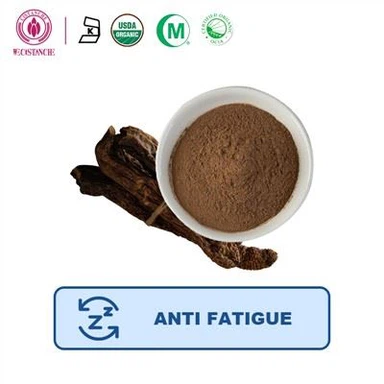
Wecistanche's cistanche powder, cistanche tablets, cistanche capsules, and other products are developed using desert cistanche as raw materials, all of which have a good effect on relieving constipation. The specific mechanism is as follows: Cistanche is believed to have potential benefits for relieving constipation based on its traditional use and certain compounds it contains. While scientific research on Cistanche's effect on constipation is limited, it is thought to have multiple mechanisms that may contribute to its potential to relieve constipation. Laxative Effect: Cistanche has long been used in Traditional Chinese Medicine as a remedy for constipation. It is believed to have a mild laxative effect, which can help promote bowel movements and induce constipation. This effect may be attributed to various compounds found in Cistanche, such as phenylethanoid glycosides and polysaccharides. Moistening the Intestines: Based on traditional use, Cistanche is considered to have moisturizing properties, specifically targeting the Intestines. Promoting hydration and lubrication of the Intestines may help soften tools and facilitate easier passage, thereby relieving constipation. Anti-inflammatory Effect: Constipation can sometimes be associated with inflammation in the digestive tract. Cistanche contains certain compounds, including phenylethanoid glycosides and lignans, that are believed to have anti-inflammatory properties. By reducing inflammation in the intestines, it may help improve bowel movement regularity and relieve constipation.