How To Treat Constipation, Let's See How To Solve Constipation
Sep 07, 2023
Constipation is a common problem in life. Almost everyone will encounter it. For young people, constipation may cause trouble in life. For the elderly, they have great anxiety and are prone to stubborn constipation. At the same time, they may suffer from constipation. You will also suffer from some chronic diseases, which are very painful, so let's discuss what are the causes of constipation and how to treat them.

1. What is constipation?
Constipation is specifically manifested as decreased defecation frequency (less than 3 bowel movements per week), difficulty in defecation, and dry and hard stools. If this symptom continues for a long time, it will seriously affect the patient's quality of life and health. If you have symptoms of constipation, you should seek timely treatment, because constipation may cause some complications, such as blood in the stool, abdominal pain, hemorrhoids, anal fissures, and other intestinal diseases.
2. What is the cause of constipation?
People may not pay attention to constipation at the beginning, because it may be formed in invisible life. For example, some bad living habits and irregular diet in life are the main culprits of constipation.
1. Unbalanced eating habits
Overeating and eating junk food such as puffed food all year round can cause constipation. We can eat more fresh vegetables and fruits instead of these junk foods, which will greatly improve constipation.
2. Poor bowel habits
I don’t have enough motivation to defecate, and I always like to procrastinate when I go to the toilet. This habit will cause significant harm to my health and easily cause constipation.
3. Excessive calcium supplementation and intestinal aging
Most of the healthy foods in daily life contain calcium. After these calcium agents are digested and enter the intestines, they will further form calcium phosphate. These calcium salts are difficult to absorb and inhibit the peristalsis of the intestines. If this continues, it will cause constipation. In addition, as the elderly grow older, the intestinal fluid will decrease, and the intestinal tract may be insufficiently motivated, resulting in constipation.

3. How to prevent constipation?
First of all, strengthen physical exercise in life. Depending on your situation, you can run, skip rope, dance, and do other activities to stimulate intestinal peristalsis and promote defecation. Secondly, you can develop good living habits, minimize the time you spend in the toilet when defecating, and establish good defecation habits, which will have a good effect on promoting defecation. Finally, pay attention to a reasonable diet in life, supplement dietary fiber, insist on drinking more water every day, eat some vegetables, fruits, beans, and potatoes regularly, eat regularly, ensure a healthy life, and also improve constipation.
4. What are the drug treatments for constipation?
1. Stimulant laxatives
Representative drugs: phenolphthalein tablets (Guodao tablets), compound aloe vera capsules, senna leaves, etc. These drugs act on intestinal smooth muscle, and increase intestinal peristalsis, thereby promoting the secretion of water in the intestine, inhibiting its absorption, and producing a laxative effect. It should be noted that these drugs are very potent and should not be taken for long periods by the elderly.
2. Lubricating laxatives
Representative drug: Kaiselu is a commonly used laxative drug. Its main ingredients are glycerin and sorbitol preparations, which can lubricate the intestinal wall and soften stool. However, it should be noted that long-term use of such drugs can easily lead to a lack of fat-soluble vitamins, which can cause The patient's intestinal wall cells to be less sensitive and become dependent on the drug.
3. Osmotic laxatives
Representative drugs: lactulose suspension, polyethylene glycol
Lactulose: This drug is converted into low molecular weight organic acid by the digestive tract flora in the colon, causing the pH value in the intestine to decrease and increasing the colonic volume through osmosis. Thereby stimulating colonic peristalsis, keeping stool unobstructed, relieving constipation, and restoring the physiological rhythm of the colon. Lactulose is a prebiotic that is easily consumed by probiotics and is effective and safe for people with chronic functional constipation.
Polyethylene glycol: Mainly suitable for patients with diabetes or lactose-free diet. Because of its considerable molecular weight, it is not easily absorbed, allowing water to be retained in the colon and improving constipation. Both types of drugs have few side effects and are generally suitable for all patients.
4. Volume laxatives
Representative drugs: wheat cellulose granules and magnesium sulfate. These drugs are called "Epsom salt" because they are not absorbed by the intestinal wall and are soluble in water. Because it is not absorbed in the intestine, it can absorb more intestinal water and promote intestinal peristalsis, thereby increasing the water content of the feces and making it easier to excrete. It should be noted that adequate fluid intake should be ensured while taking such drugs.
5. Gastrointestinal motility drugs
Representative drugs: Mosapride citrate tablets and domperidone. These drugs directly act on smooth muscles, increase intestinal motility, and selectively excite gastrointestinal cholinergic interneurons and 5- of the myenteric plexus. HT4 receptors promote the release of acetylcholine, which moves the upper gastrointestinal tract and promotes defecation.
Note: Constipation is a common gastrointestinal disorder in life, and it occurs in all ages. No matter what kind of laxative, it should not be used for a long time, because most of them are used to relieve urgent needs. The fundamental solution is to change your living habits and diet.

Natural Herbal Medicine For Relieving Constipation-Cistanche
Cistanche is a genus of parasitic plants that belongs to the family Orobanchaceae. These plants are known for their medicinal properties and have been used in Traditional Chinese Medicine (TCM) for centuries. Cistanche species are predominantly found in arid and desert regions of China, Mongolia, and other parts of Central Asia. Cistanche plants are characterized by their fleshy, yellowish stems and are highly valued for their potential health benefits. In TCM, Cistanche is believed to have tonic properties and is commonly used to nourish the kidney, enhance vitality, and support sexual function. It is also used to address issues related to aging, fatigue, and overall well-being. While Cistanche has a long history of use in traditional medicine, scientific research on its efficacy and safety is ongoing and limited. However, it is known to contain various bioactive compounds such as phenylethanoid glycosides, iridoids, lignans, and polysaccharides, which may contribute to its medicinal effects.

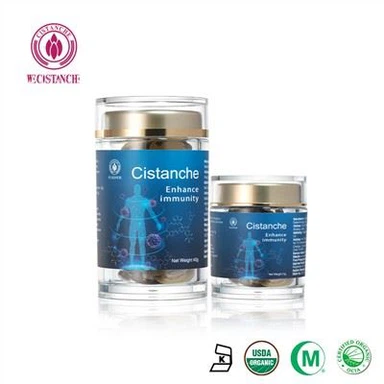
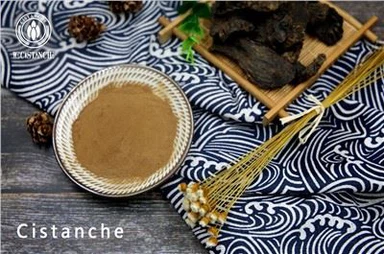
Wecistanche's cistanche powder, cistanche tablets, cistanche capsules, and other products are developed using desert cistanche as raw materials, all of which have a good effect on relieving constipation. The specific mechanism is as follows: Cistanche is believed to have potential benefits for relieving constipation based on its traditional use and certain compounds it contains. While scientific research specifically on Cistanche's effect on constipation is limited, it is thought to have multiple mechanisms that may contribute to its potential to relieve constipation. Laxative Effect: Cistanche has long been used in Traditional Chinese Medicine as a remedy for constipation. It is believed to have a mild laxative effect, which can help promote bowel movements and induce constipation. This effect may be attributed to various compounds found in Cistanche, such as phenylethanoid glycosides and polysaccharides. Moistening the Intestines: Based on traditional use, Cistanche is considered to have moisturizing properties, specifically targeting the Intestines. Promoting hydration and lubrication of the Intestines, it may help soften tools and facilitate easier passage, thereby relieving constipation. Anti-inflammatory Effect: Constipation can sometimes be associated with inflammation in the digestive tract. Cistanche contains certain compounds, including phenylethanoid glycosides and lignans, that are believed to have anti-inflammatory properties. By reducing inflammation in the intestines, it may help improve bowel movement regularity and relieve constipation.