How Traditional Chinese Medicine Enhances Sexual Function
Jun 20, 2023
Traditional Chinese Medicine (TCM)
Traditional Chinese Medicine (TCM) is a holistic system of health and healing that has been practiced for over 2,500 years in China and other parts of East Asia. It is based on the concept of balance and harmony between the body's vital energies, known as Qi, Yin, and Yang. TCM encompasses a variety of practices, including herbal medicine, acupuncture, massage (Tui Na), exercise (Tai Chi and Qigong), and dietary therapy.

Key Concepts of TCM
TCM is founded on several key principles and concepts that guide its diagnosis and treatment methods. Some of the core concepts include:
Qi (pronounced "chee"): Qi is the vital energy or life force that flows through the body along pathways called meridians. In TCM, the balance and flow of Qi are critical to maintaining good health and preventing illness.
Yin and Yang: These are the complementary, opposing forces that exist in all aspects of life and the universe. Yin represents cold, darkness, and rest, while Yang represents heat, light, and activity. In TCM, a balance between Yin and Yang within the body is essential for optimal health.

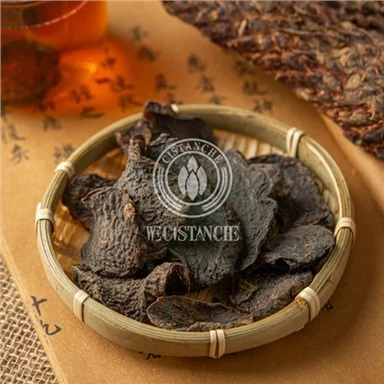
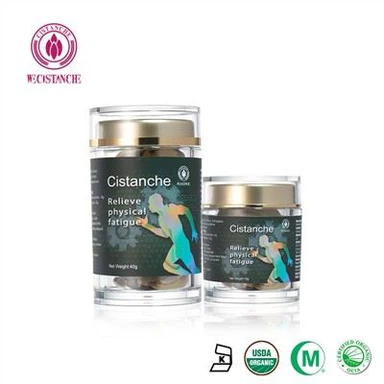
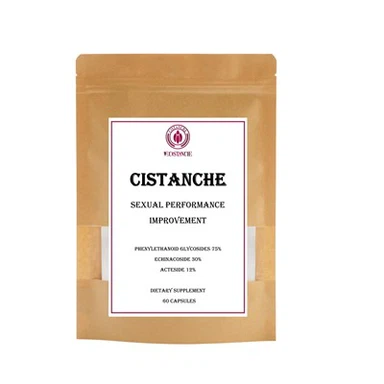
Both Yin and Yang are supplemented by Herbal Remedia-Cistanche
The Five Elements: TCM associates the body's organs and functions with one of the five elements: wood, fire, earth, metal, and water. These elements are interconnected and follow a cyclical pattern of generation and control. Imbalances between the elements can lead to illness.
Organ Systems: TCM recognizes a complex network of relationships between the body's organs, which are grouped into functional units called organ systems. These systems work together to maintain overall health and balance.
Diagnosis in TCM
Diagnosing illness in TCM involves a comprehensive assessment of the patient's physical, emotional, and mental state. Practitioners use a combination of techniques, such as observation, listening, smelling, questioning, and pulse-taking, to identify patterns of disharmony within the body. Once a pattern is identified, the practitioner can develop a tailored treatment plan to restore balance and promote healing.
Treatment Methods in TCM
TCM offers a wide range of treatment methods to address imbalances and promote overall health. Some of the most common methods include:
Herbal Medicine: TCM practitioners use a vast array of herbs, plants, and minerals in various combinations to create formulas that target specific health concerns and restore balance in the body.
Acupuncture: Acupuncture involves inserting thin, sterile needles at specific points along the body's meridians to stimulate and balance the flow of Qi. This practice is believed to alleviate pain, reduce inflammation, and promote healing.

Tui Na: Tui Na is a form of therapeutic massage that combines techniques such as kneading, pressing, and tapping to stimulate the flow of Qi and blood while promoting relaxation and stress relief.
Tai Chi and Qigong: These are gentle, flowing exercises that combine movement, breathing techniques, and meditation to promote the circulation of Qi and improve overall health.
Dietary Therapy: In TCM, food is considered a vital part of maintaining health and preventing illness. Practitioners often recommend specific foods or dietary changes to support the healing process and address imbalances in the body.

Integration with Modern Medicine
In recent years, the integration of TCM with modern Western medicine has gained momentum, including the use of herbal remedies, acupuncture, and other TCM practices as complementary treatments. While TCM and modern medicine have distinct principles and methods, they can work together to provide a comprehensive approach to health and healing. It's essential for patients to consult with their healthcare providers before starting any TCM treatment or combining it with conventional medical care.
Ask for more:
Email:wallence.suen@wecistanche.com
Whatsapp/Tel:+86 15292862950