Immunity Against COVID-19: Potential Role Of Ayush Kwath
Apr 11, 2023
Abstract
SARS-CoV-2 infection associated respiratory disease- COVID-19 has evolved into a pandemic but, being a new form of virus, the pathogenesis of disease causation is not fully understood and drugs and vaccines against this virus are still being tested so no effective drugs or vaccines have been advised by a regulatory authority. In this context, the Ministry of AYUSH, Government of India has recommended ‘Ayush Kwath’ to improve immunity and combat the infection. Our objective of this literature review is to review the role of immunity in the pathogenesis of COVID-19 and the role of Ayush Kwath against the virus and regulation of immunity.
The current review was conducted using a search of available literature on COVID-19 and immunity, Vyadhikshamatwa, Ayurveda and COVID-19, Rasayana, Coronavirus, SARS-CoV2, immunomodulatory effects of medicinal plants; Tulsi/Holy Basil/Ocimum sanctum, Dalchini/Cinnamon/ Cinnamomum zeylanicum, Sunthi/Ginger/Zingiber officinale and Marich/Black Pepper/Piper nigrum. Ayurveda, being an ancient science has both medicinal and cultural values and had stimulated our kitchen and influenced what we ate in different seasons and the remedies we used for common ailments. Herbs such as Tulsi, Marich, Sunthi, and Dalchini are the most commonly used and easily available drugs in the home.
Thus, Ayush Kwath due to its immune-modulatory, antiviral, antioxidant, anti-inflammatory, antiplatelet, anti-atherosclerotic, hepato-protective, and reno-protective properties; seems to be effective in immuno-regulation for controlling viral infections like COVID-19. Further pre-clinical and clinical trials need to be done to the evaluation of the safety and efficacy of this polyherbal formulation.
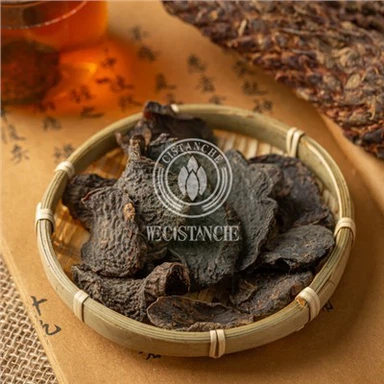
An autoimmune disease is a disease in which the body's immune system mistakenly recognizes its tissues as foreign invading substances, resulting in an attack on its cells and tissues. Immunity regulation can alleviate the symptoms of autoimmune diseases and improve the quality of life. In addition, we also need to improve our immunity. It has been found that Cistanche can improve immunity. Cistanche is rich in various antioxidant substances, such as polysaccharides, Flavonoids, and glycosides can reduce free radical damage, protect cells from oxidative damage, and enhance immunity.
Click health benefits of cistanche
1. Introduction
COVID-19, also known as severe acute respiratory syndrome coronavirus 2 (SARS-CoV-2) is an infectious disease believed to be originated from bats and was transmitted to human beings [1]. Being a new form of virus, the pathogenesis of disease causation is not fully understood and drugs and vaccines against this virus are still being tested so no effective drugs or vaccines have been advised by a regulatory authority. Not only Coronavirus but many other viruses also lack preventive vaccines and effective antiviral medications. Studies have explored that these viruses can form drug-resistant mutants, which decrease the existing drug’s efficacy. So, these viruses can be a threat to mankind for a long time [2].
High mortality among immune-compromised and those with some underlying pathology implies that the factors that improve immunity can prevent serious manifestations due to COVID-19 infection [3]. Many herbal products are found to have immunomodulatory and antiviral properties, so their discovery can be a milestone in the prevention and control of COVID-19 [2]. In this context, the Government of India has recommended taking ‘Ayush Kwath’ to boost immunity. As this is a new formulation, this needs to be validated scientifically. We have attempted to review the immune pathogenesis of COVID-19 and the role of each herb in it.
2. Immunopathogenesis of COVID-19
The ‘S’ protein of coronavirus can bind to host cells through the ACE2 receptor found in the oral and nasal mucosa [1,4]. Other sites where ACE2 receptors are found are the lungs, stomach, intestine, bladder, heart, and kidney [5]. Variable presentation of disease in different age groups, serious manifestations that are seen more commonly in immune-compromised, old aged, and in those with underlying pathology, many asymptomatic cases in the pediatric age group, and presence of lymphopenia in the majority of the cases; these factors imply that immunity has a vital role in the pathogenesis of COVID-19 [1,6e8]. It is assumed that our immune system has a lack of memory against such a virus giving it an edge over humans [3].
Viruses cause cell destruction mainly in two ways; direct cytopathic effects of the virus and immune response-mediated destruction [9]. COVID-19 cannot lyse the cells directly as the major pathway of cell destruction is due to immune-mediated destruction [10,11]. It has been mentioned that, unlike adults, less vigorous cell-mediated immune response in the alveoli of children results in being asymptomatic in the majority of cases [3].
The pathogenesis can be split into two stages: Non-severe and Severe [12].

2.1. Non-severe stage
The virus fuses with the host cell membrane and enters the host cell through the airway epithelium [13,14]. The virus propagates and multiplies inside the host cell and can reach the lower airway and alveoli. In adults with good innate cellular and humoral immunity propagation of the virus can be limited and the viral load reaching the alveoli can be reduced thus recovery can take place within 2e3 weeks with mild symptoms [3].
Humoral immunity prevents the viruses to enter new cells while cell-mediated immunity targets eradicating virus-infected cells [1,15]. In this stage, a strong immune system can help prevent the propagation of the virus thus reducing the severity of the disease [12].
2.2. Severe stage
Once the immune system is breached, the virus propagates and reaches the lower respiratory tract and alveoli. Then the virus can penetrate alveoli and reaches systemic circulation causing viremia [3]. The virus binds to multiple organs having ACE2 receptor protein.
During this stage, cell-mediated immunity becomes robust and starts releasing various pro-inflammatory cytokines (IFN-a, IFN-g, IL-1B, IL-6, IL-12, IL-18, IL-33, TNF-a, etc.) and chemokines (CCL2, CCL3, CCL5, CXCL8, CXCL9, CXCL10, etc.) causing damage to multiple organs known as Cytokine storm [16,17]. We may need to suppress the inflammation for improvement during this severe stage [12]. IL-6 receptor antagonist (Tocilizumab), and anti-inflammatory interleukin (IL-10) are proposed to have a therapeutic role in the reduction of severity and mortality of COVID-19 [18,19]. As an increased risk of thromboembolic phenomena is also found to be associated with COVID-19, prophylactic antithrombotic medications are advised during this stage [20].
3. Ayurveda purview
3.1. Disease concept
It seems that most early cases had a history of contact with the original seafood market, but the disease has now advanced to be transmitted through human-to-human contact [1]. Thus, this disease can be considered as Communicable-both contagious and infectious diseases. In Ayurveda, epidemics are discussed under the term Janapadodhwamsa [21, C.S.Vi. 3/5-6] by Charaka and Maraka by Sushruta [22, S.S.Soo. 6/17]. The symptoms like fever, cough, breathing difficulty, headache, and vomiting resemble clinical features of SARS [22, S.S.Soo. 6/19]. Dalhana in his commentary has mentioned that symptoms like anosmia, cough, and catarrh will occur after the entry of contaminated air through the nasal opening which is similar to typical clinical features of COVID-19 [22, S.S.Soo. 6/19].
Furthermore, this disease can be classified as Adidaivika Bala Pravritta Vyadhi (ABPV), Sansargaja, Upsargaja, and Aupasargic Roga. ABPV are those diseases arising due to causes that cannot be controlled by human intelligence. Upasargaja Vyadhi is a fever-like disease that manifests due to close contact with diseased persons [22, S.S.Soo. 24/7] whereas Sansargaja Vyadhi resides with people who are cursed by the almighty god i.e. due to the influence of invisible forces/forces behind human control [22, S.S.Soo. 24/7]. Aupasargic Vyadhi is defined in two different ways by Sushruta; one is a disease that spreads from one person to another person [22, S.S.Ni. 5/33-34] and another as ‘…Upadravasangyah’ i.e. complications or associated diseases that manifest after primary disease [22, S.S.Soo. 35/18]. Susruta mentions that diseases like Jwara, Kustha (skin diseases), Shosha (tuberculosis), Netrabhisyandi (conjunctivitis), and other Aupasargika yoga (like communicable diseases) can be spread through Prasanga (intimate relationship), Gatra Sansparsha (direct contact), Nishwasa (breathing or airborne), Sahabhojana (eating together), Sahashayana (sleeping together), sharing and using of others’ clothes, ornaments, ointments, etc. [22, S.S.Ni. 5/33-34].
Agantuja Vyadhi ( diseases of exogenous origin) occurs due to physical/external factors like Bhuta, Visha, Vayu, Agni, and Prahara (trauma), etc. without any involvement of Vataadi Dosha initially; however, in later stage dosha are involved in the disease process [21, C.S.Soo11/45]. Cakrapaṇidatta clarifies that Bhuta means Visakṛimi or a virulent organism [21, C.S.Sa.1/121]; Krimi may be Sahaja (natural) or Vaikarika (pathogenic) organisms that may be visible (macroscopic) or invisible to the naked eye (microscopic) [21, C.S.Vi. 7/9,11].
Thus, it is difficult to correlate this disease with specific Ayurveda terminology but, while interpreting the disease based on Samprapti by considering the causative agent and the clinical features like fever (Jwara), cough (Kasa), anorexia (Aruchi), fatigue (Tandra), generalized body ache or myalgia (Angamarda) and Tiredness; it can be contemplated as an Agantuka Vyadhi which later on due to the involvement of dosha develops to Nija Vyadhi as Kapha-Vatolvana Hina Pitta Sannipataja Jwara (Severe Vata and Kapha with mild Pitta) [21, C.S.Soo. 11/45; C.S.Chi. 3/92]. While talking about the pathogenesis of fever in Ayurveda, Charaka mentioned that when Vataadi dosha either singly or in Sansrista (two doshas) or in Sannipataja (all three doshas) got aggravated then it enters Amashaya and mixed with Rasa Dhatu obstructing Rasavaha and Swedavaha Srotas destroying Agni; Agni then spreads out from its Sthana to whole over the body causing the febrile condition [21, C.S.Ni.1/20, 23, 26; C.S.Chi.3/129- 132].

3.2. Immunity concept in Ayurveda
Strength, health, lifespan, and vital breath are dependent on the condition of Agni [21, C.S.Soo. 27/342]. Charaka has mentioned the term Vyadhikshamatwa and states that during certain conditions, or due to certain factors, even unwholesome (unhealthy) food does not produce disease immediately; all unwholesome diets are not equally harmful, all dosha are not equally powerful, all persons are not capable of resisting diseases [21, C.S.Soo. 28/7].
This suggests that the body’s immune system plays a crucial role in disease development. The equilibrium state of Dhatu is called Swasthya [21, C.S.Soo 9/4]. The person who is desirous to be healthy should adopt healthy practices related to diet, conduct, and activities [21, C.S.Soo. 7/60]. Thus, Immunity can be considered in Ayurveda as Vyadhikshamatwa and Oja; which depends on the condition of Agni, Dosha, and Dhatu.
There are three factors Aahara, Swapna, and Brahmacharya (diet, sound sleep, and celibacy) that support the life with which the body will be endowed with strength, complexion, and development till life span [21, C.S.Soo. 11/35]. Bala ( Strength/Immunity) is of three types-congenital, time affected, and acquired. Congenital is that which is developed naturally in the body and mind; time affected is due to seasonal variation and age factors and acquired one is produced by the proper application of diet and exercise [21, C.S.Soo. 11/ 36].
Thus not only diet but also performing yoga or exercises with proper methods by giving rest in between exercises as Rasayana therapy will increase acquired strength. [21, C.S.Soo.11/36]. Oja also called Bala; is the essence of all Sapta Dhatu, being located in Hridaya, combines with Rasa and circulates through the Dhamani and performs Tarpana or Prinanam of the whole body [22, S.S.Soo. 15/19; 21, C.S.17/74]. The equilibrium state of Kapha promotes strength, that’s why normal Kapha is called Oja. [21, C.S.Soo. 17/117]. Normal pure blood promotes strength, complexion, health, and lifespan [21, C.S.Soo. 24/4]. While dealing with Sannipataja Jwara, Susruta in Uttarsthana mentioned Abhinyasa Jwara, also called Hataujasa Jwara, indicating the loss or deranged condition of Oja [22, S.S.Utt. 39/39-44].
The word ‘Rasayana (Rasa þ ayana)’ refers to nutrition and its transportation in the body for attaining excellent Rasadi Dhatus; which leads to gaining longevity, freedom from disorders, optimum strength of physique and sense organs [21, C.S.Chi. 1:1/4-8]. Rasayana promotes nutrition by explicitly enriching the nutritional value of Rasa by enhancing Agni, i.e. digestion, metabolism, and absorption (by Srotashodhana). Consequently, any medication that improves Rasa’s consistency would enhance the health of all body tissues.
4. Role of Ayurveda and traditional medicine
Every society has its medical system, which is deeply rooted in its culture and guided by its philosophy of life. Being culturally and linguistically diverse countries, there developed several types of traditional medicines (TM) based on practices, skills, and traditional knowledge based on beliefs, theories, and experiences indigenous to different cultures. Ayurveda, Traditional Chinese medicine (TCM), Ancient Egyptian medicine, Sowa Rigpa, etc. system of medicine remain the most ancient yet living traditions in South East Asia, Western Pacific, Eastern Mediterranean, and Africa region. Up to 80 percent of the population in some Asian and African countries depend on TM for primary health care (PHC) needs [23]. Still, there is a high trend of using many herbs in religious and cultural works, therapeutically for common ailments and as spices for foods according to occasion-specific and seasonal regimes. Ayurveda and TM have made a significant contribution to the prevention and alleviation of various communicable and non-communicable diseases for thousands of years.
A long history of using many herbal remedies and experiences passed from generation to generation has resulted in people relying on herbal remedies and some simple home remedies for common diseases can be used even by illiterate citizens. The self-care, an integral part of PHC, with home remedies using various herbs is the most common treatment for India, Nepal, Bhutan, and China for different flu, common cold, fever, GI disorders, etc. Prevention of smallpox in China has been an epoch-making effort in the period of mankind’s preventive care. One observational study found that the prevalence between the total number of COVID-19 cases per million population and the grams of spice supply per capita per day is interrelated. Most nations with lower spice intake per capita reported more COVID-19 cases per million population and vice versa [24].
Nevertheless, with the invention of drugs, many herbal remedies used historically have become modern medicines. A few notable examples include morphine, digoxin, artemisinin, and colchicine. As many herbs are found to have an immunomodulatory role and possess antiviral activity, many people are being optimistic about the traditional system of Medicine. Ayurveda and TCM have descriptions of immunomodulation along with anti-viral treatments, even targeted to the coronavirus family [2,25].
The key factor for COVID-19 to occur and evolve is the interaction between the virus and an individual’s immune system [26]. As medicinal plants enhance NK cell activity, inhibit activated transcription factor 2 (ATF-2), down-regulate Th17-related cytokines including transcription factor RORc, IL-17A and Th2-related cytokines including IL-5, IL-13, and IL-6, inhibit GATA3, IL-4, IL-6, IL-1b, RORgt, IL-17A, TNF-a expression and increase the secretions of IL10, INF-g, etc., it shows that natural products have potent immune-modulatory and immune-boosting effects that may be helpful during the infection course by increasing innate immune response to infections [27,28].
5. Ayush Kwath
Considering the importance of immunity-boosting measures in the wake of the COVID-19 outbreak, the Ministry of AYUSH, Government of India with the interest of health promotion of the masses, recommends ‘Ayush Kwath’ or ‘Ayush Kudineer’ or ‘Ayush Joshanda’ which comprises of four medicinal herbs (Table 1) [29,30]. Herbs like holy basil, cinnamon, ginger, and black pepper are highly available, accessible, and widely used in the kitchen and are convenient to educate and train their use community health workers, community and even the public that they can have cost-effective treatment with herbal home remedies.
This will help to promote immunity and to lower the gatherings at hospitals and pharmacies during this pandemic. This type of public health measure would eventually promote ‘health for all’ with the theme ‘our health in our own hands making responsible for every people by active involvement in their health instead of relying on mass distribution of some medicine. As people leave their homes to earn a living, this herbal decoction will ensure broad access to health care. The WHO SEARO adopted a resolution to revitalize PHC through health systems strengthening to achieve health for all with an emphasis on health promotion and disease prevention [31]. This Kwath is not just a mechanical mixture invented for the COVID-19 pandemic, but it is a revival of health tradition.
Method of preparation and use:
Take all the ingredients in dry form as per standards laid down in Ayurvedic Pharmacopoeia and make a coarse powder. Make sachets or tea bags each of 3 g of powder or 500 mg tablet of aqueous extract, to be consumed like tea or hot drink by dissolving in 150 ml of boiled water, once or twice daily. Gud (Jaggery)/Draksha (Resins) and/or Lemon Juice can be added while consuming the formulation.
5.1. Tulsi
Many in-vitro, animal and human experimental scientific studies showed that; due to the presence of eugenol, phenolic compounds, linoleic acid, etc. compounds Tulsi has antimicrobial (including antibacterial, antiviral, antimalarial), anti-diarrheal, anti-oxidant, anti-inflammatory, hepato-protective, cardioprotective, reno-protective, analgesic, antipyretic, immunomodulatory properties and is thus recommended as a treatment for a range of diseases including features like cough, fever, asthma, anxiety, diarrhea, gastric, cardiac and genitourinary disorders [32e36]. Due to its anti-inflammatory and antioxidant properties, it protects against toxic chemical-induced injury, enhances the antioxidant enzymes, and protects cellular organelles and membranes by clearing damaged free radicals [37].
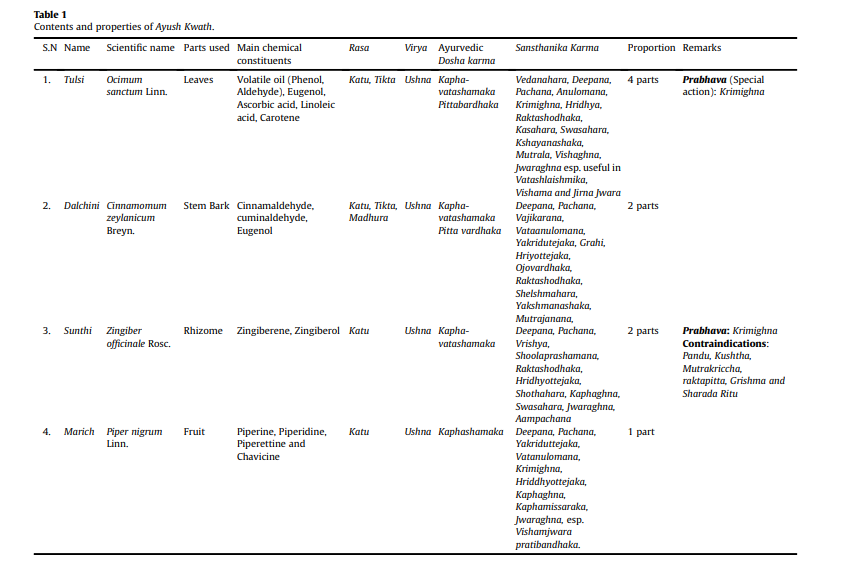
The compounds such as ursolic acid, carnosol, rosmarinic acid, curvilineal, apigenin, eugenol, and cirsimaritin present in O. sanctum increase hemoglobin concentration, enhance SRBC agglutinin titers, decrease cyclo-oxygenase (CoX)-2 and lipoxygenase (LOX)-5 enzymes activity, suppress NF-kB classical pathway, up-regulation of IL-2, IFN-g, and TNF-a, down-regulation of IL-1b and produce of SRBC antigen-specific antibodies, which represent a major defense mechanism to assess T-cell-dependent antibody responses i.e. Tulsi by enhancing immune response boost the defense mechanism against the infection [38e40]. Several studies have shown that Tulsi (aqueous and methanol extract of leaf and seed oil) besides improving vital capacity also is an immune modulator and regulator as it enhances immune response by increasing T-helper and NK cells; phagocytic activity and index with the rise in lymphocyte count, neutrophil count, and antibody titer [35,41].
In an acute toxicity study, it did not produce any hazardous symptoms or CNS and ANS toxicities or death and did not show any change in water and food consumption, body weight, and hematological and biochemical profiles [42].
5.2. Dalchini
It is a potent immune system booster and is used in various ailments like flu, indigestion, edema, cough, etc. [43,44]. Cinnamon bark contains cinnamaldehyde, benzaldehyde, cumin aldehyde, and terpenes [45]. In one study, cinnamon at a high dose (100 mg/kg) showed immune-stimulant activity as it significantly increased the phagocytic index, serum immunoglobulin levels, and antibody titer and decreased the percentage reductions in neutrophil count. Cinnamon low dose (10 mg/kg) increased serum immunoglobulin levels only. This showed that a high dose increases both cell-mediated and humoral immunity whereas a low dose showed an effect only on humoral immunity [44]. The studies also suggest that cinnamaldehyde can act as a strong regulator of monocyte/macrophage-mediated immune responses by inhibiting PI3K, PDK1, and NF-kB activation of signaling components.
In addition to this, by the activation of CD29 and CD43, it blocked cell migration cell-cell adhesion induced but not cell-fibronectin adhesion and it was able to suppress both the production of nitric oxide (NO) and upregulation of surface levels of co-stimulatory molecules (CD69 and CD80) and pattern recognition receptors (TLR2 and CR3) [46].
Cinnamon bark decreases systemic levels of IFN-g without altering the levels of IL-4 or IL-2, inhibits anti-CD3 Ab-stimulated IFN-g and IL-4 at the mRNA and secreted protein levels, enhances IL2 protein secretion at the cellular level which helps to decrease cell death, inhibit IL-2mRNA expression, inhibit anti-CD3-induced p38, JNK, ERK1/2, and STAT4 activation, but not IkBa degradation or STAT6 and ultimately alter the inflammatory responses in T cells. This shows the immune-modulatory effect of cinnamon on cytokine secretion and the involvement of intracellular signaling molecules in activated T cells. It also causes a reduction in the sub-G1 phase, accompanied by an increased ratio of apoptotic cells to necrotic cells [47]. The constituents like cinnamaldehyde, cinnamophilin, etc are found to be thromboxane A2 receptor antagonist, anticoagulative, and anti-atherosclerotic and thus prevents unnecessary clumping of platelets and atherosclerotic CVD [48].
In a systematic review of its adverse events, relatively few self-limiting adverse effects were reported like allergic reactions and gastrointestinal disorders in clinical trials, case reports, and case series. The evidence available shows that cinnamon is safe for use as a spice in daily diets or as a medication [49]. However, its use for therapeutic reasons, in high doses or for prolonged periods, can cause some adverse effects and should be observed clinically.

5.3. Sunthi
An alcohol extract increases the immunological status of mice with increased phagocytosis by macrophages whereas crude extract was also shown to increase humoral and cell-mediated immune responses [27]. The bioactive compounds of ginger such as nevirapine, b-sitosterol, 6-gingerol, germacrene, methyl-6- shogaol, 6-gingerol, a-linalool, 6-shogaol, gingerdion, zingiberene, etc., are known to inhibit viral replication; among these the most potent inhibitors of reverse transcriptase (RT) enzyme is b-sitosterol, which is predicted to be used as non-nucleoside reverse transcriptase (NNRTIs) HIV-1 inhibitors [50,51]. It is reported that Ginger contains TNF-a which is also known as an anti-influenza cytokine [52].
The rhizome of Ginger and its main components like gingerols, shogaols, etc inhibit prostaglandin and leukotriene biosynthesis, inhibit cyclooxygenase and lipoxygenase activities, inhibit the synthesis of pro-inflammatory cytokines such as IL-1, TNF-a, and IL-8 without any significant effect in IL-6 levels; inhibit the excessive production of NO, PGE (2), TNF-a, and IL1beta, reduce the elevated expression of NFkB and TNF-a, downregulate inflammatory iNOS and COX-2 gene expression, inhibit thromboxane synthetase, raise levels of prostacyclin without a concomitant rise in PGE 2 or PGE 2 alpha, inhibit platelet aggregation, decrease age-related oxidative stress markers and enhance fibrinolysis [53e58].
The concentration of IgM and eosinophil count in non-smokers was significantly increased in a comparative study of the effect of ginger extract among male smokers and non-smokers, whereas the concentration of hemoglobin and lymphocyte count in smokers was strongly increased. This indicates that in non-smokers, ginger results in a stronger antibody response or humoral immunity than in smokers [59].
According to Ayurveda, it is contraindicated to be used in a few diseases: Kushtha, Pandu, Mutrakriccha, Raktapitta; and in Grishma (summer) and Sharada (autumn) Ritu. There are a few minor adverse effects recorded that did not need care, such as mild gastrointestinal symptoms, sleepiness, and mild diarrhea during the prior few days of treatment. It is also explained that gincany induces heartburn and is a gastric irritant with doses above 6 g [60]. During pregnancy, ginger did not pose a major risk for side effects or adverse events [61].
5.4. Marich
It has been also found to increase bioavailability, tenhancingance the therapeutic efficacy of many drugs, vac, lines, and Nutri, ents and has immune-modulatory, anti-oxidant, antiplatelets, antihypertensive, anti-asthmatic, antipyretic, analgesic, anti-carcinogenic, anti-inflammatory, anti-diarrheal, antispasmodic, anxiolytic, antidepressants, hepatoprotective, anti-ulcer, anti-thyroids, antiapoptotic, anti-metastatic, antimutagenic, antibacterial, antifungal and anti-amoebic properties [62e65]. The extract and its constituents like piperine, regulate the balance of the cytokines production of Th1, Th2, Th17, and Treg cells, reduce the accumulation of inflammatory cells, inhibit the expressions of GATA3, IL-4, IL-6, IL-1b, RORgt, IL,-17A and TNF-a, increase INF-g and IL-10 secretions in BALF (Broncho-alveolar lavage fluid) and increase macrophage activation and T and B cell proliferation [63,6Besidesside this, Marich possesses cytotoxic activity, suppresses the levels of total IgE, anti-OVA IgE, anti-OVA IgG1, and histamine release in serum, ameliorates fibrosis and infiltration of inflammatory cells, inhibits the allergic responses, inhibitsTh2/Th17 responses and mast cells activation, inhibits NF-kB, c-Fos, cAMP response element-binding (CREB) and activated transcription factor 2 (ATF-2); suppresses PMA-induced MMP-9 expression, inhibits PKCa/extracellular signal-regulated kinase (ERK) 1/2 and reduces NF-kB/AP-1 activation. In addition, piperine also inhibits P-glycoproteintein (P-gp) and CYP3A4 functions [67e69]. Piper nigrum is found to have hdose-dependentdent antifertility effects on mice [70].
6. Discussion
According to Ayurveda, therapeutics are of two types: 1. Swasthasyorjaskara-which promotes strength (immunity) in the head, filthy and 2. Roganut-which alleviates disorders. Both of these groups perform both of these functions but Rasayana and Vajikarana are mostly used for promotive treatment (C.S.Chi. 1:1/4-8) [21]. Ayush Kwath has immune-promoting-ting disease-alleviating ting properties which can be achieved by various treatment modalities like Rasayana, Satwawajaya, Yuktivyapashraya, Vyadhi Viparitarthakari chikitsa, etc.
The Katu and Tikta Rasa, Usna Virya and Deepana, Pacha and na, and Yakriduttejaka properties of Ayush Kwath help to improve Agni and Srotosodhana (improves microcirculation and tissue perforation); tpromotingotes proper digestion, metabolism, and absorption and acts as Rasayana for the development of preceding Dhatu and finally form Oja. Oja itself acts as immunity to prevent disease. Immunity is dependent on the condition of Agni. Ayush Kwath with its Agni promoting and Kaphashamaka properties balance Kapha; and with Raktashodhaka, Hridhya, and Krimighna properties purify the blood.
It is already mentioned that natural Kapha and pure blood promote Oja and Bala respectively. Krimighna is the Prabhava (special action) of Tulsi and Sunthi which directly acts against pathogens. The properties like Jwaraghna (esp. Vatashlaishmika, Vishama), Kasahara, Swasahara, Kshayanashaka, Shoolaprashamana, Swothahara, Kaphaghna, Hridayaottejaka, Yakridutejaka ha ave direct role to alleviate various clinical signs, symp, toms, and complications.
As this disease is considered as Kapha-Vatolvana Hina Pitta Sannipataja Jwara, the Kapha Vata Shamaka properties of Ayush Kwath can play a significant role in balancing the vitiated doshas. After six days of Jwara, Charaka suggests the decoction of Pachana drugs in the case of Amdosha and Shamaniya drugs in Niramadosha [21, C.S.Chi. 3/160]. This shows that Yuktivyapashraya and Vyadhiviparita chikitsa can be done even after the involvement of Dosha in later stages. Ayush Kwath has potential psycho-neuro-immune mechanisms via evidence of a reduction in depression, anxiety, and stress in controlled trials and shows meaningful response as it is a specific remedy for cough and respiratory problems; this shows the role of Satvawajaya Chikitsa in its management [71].
Immunity plays a key role in the pathogenesis of COVID-19 both during the early non-severe stage and during the severe stage of the disease. The early-stage strong immune response may prevent the propagation and spread of viruses inside the body thus reducing the severity of cases and early termination of infection. Whing lata er stage, strong cell-mediated immunity of the body against the virus itself can be a factor responsible for grave consequences due to cytokine storm. The target during the early stage should be to reduce viral propagation, while at a later stage should be to reduce the inflammatory response of the immune system. Medicinal herbs with immune boospropertieserty can be an option during the early non-severe stage while herbs with anti-inflammatory and anti-thrombotic properties can be an option during a later or severe stage. Cytokine storm which is believed as a major factor responsible for complications and death of COVID-19 patients is reduced with anti-inflammatory drugs like steroids and IL-6 receptor antagonists, and Antiinflammatory interleukins (IL-10) in modern medicine [72].
The role of medicinal herbs with anti-inflammatpropertieserty on the cytokine storm is still lacking in research. Like anti-inflammatory interleukins and IL-6 receptor antagonist (Tocilizumab); IL 10 that are proposed in modern medicine to have a therapeutic role in the reduction of severity and mortality of COVID-19. Cinnamon is found to decrease INF-g and IL-4, Its anti-atherosclerotic, anti-coagulative, and anti-platelet activity can be a topic of research to reduce inflammatory and thrombotic complications in COVID-19 patients. Sunthi due to its inhibitory effects on proinflammatory cytokines and Marich with its property of reducing the accumulation of inflammatory cells with controlled cytokine production balance can be an option to reduce cytokine storm in COVID-19 patients and need to be researched with the therapeutic trial.
Each herbal constituent of Ayush Kwath is found to have some role in increasing the immune response. On correlating immunopathogenesis of COVID-19 with the immune-modulatory effects of herbs, Ayush Kwath can be an option before infection and during the non-severe stage to enhance immune response, prevent the propagation of COVID-19 virus to lower airways and thus help in early recovery with mild symptoms. The Pharmacodynamics and pharmacokinetics of this polyherbal formulation (PHF) are not yet studied, but it is believed that the pharmacological agents or the active principles of PHF may exert potentiating, synergistic, agonistic antagonistic actions resulting in maximum therapeutic efficacy with minimal side effects [73,74].
The dose of each herb is mentioned in API (The Ayurvedic Pharmacopoeia of India) as 2e3 g powder of Tulsi leaves, 1e3 g powder of cinnamon bark, 250 mge1 g powder form of black pepper, and 1e2 g powder of ginger [75].
According to Ayurveda, based on the predominance of dosha, every person has a different constituent, and every season and place has an identical role over the person’s Prakriti. According to Ayurveda, Tikshna properties can stimulate the urinary system thus increasing urine and can cause sweating [30]. As these drugs have Laghu and Tikshna properties, they can cause Srotoshodhana, thus can increase urination and defecation in higher doses.
Usna Virya can cause Pitta Vriddhi Lakshan like hyperacidity, hot or burning sensation, excessive sweating, fatigue, loss of taste, and sleep disturbances. Ginger is contraindicated in the summer and autumn seasons. It is mentioned that Chandraprabhavati, which contains Sunthi, Marich, and Dalchini, clears fluid and Kapha from Mutravaha Srotas and Ambuvaha Srotas; this excess of fluid can cause cystitis, burning, and painful urination. There may be too high a content of sugar and albumin in the urine [76]. These drugs seemed to increase Pitta, and tend to have some adverse effects such as headache, sleepiness, mild diarrhea, etc. Also, there may be hypo or hyperimmune sensitivity of this formulation or the occurrence of chemical incompatibility due to many chemical constituents [77].
Though the maximum use of each herb traditionally for a long time ensures that these herbs are safe it is essential to determine the dosage of PHF for adults and pediatrics in the form of body weight or dosage per kg and according to the severity of the disease, the person’s Prakriti and his/her residing climate and region. Thus, this formulation must be evaluated using scientific methods to understand the bioactive compounds responsible, their mechanism of action, and ways to regulate the activity of these compounds on COVID-19-related immunological factors. Toxicological studies and clinical trials must be done before its extensive usage.
7. Conclusion
With various Ayurveda concepts and biomolecular studies, these Ayurveda herbs are seen to have rich sources to fight against the immuno-pathogenesis process of viral diseases, but to date, no study has been found about their effectiveness against COVID-19. Ayush Kwath due to its antiviral, immune-modulatory, antioxidant, anti-inflammatory, anti-platelet, anti-atherosclerotic, hepatoprotective, and reno-protective properties; seems to be effective in regulating immunity for the prevention and reduction of viral disease complications. As there is a lack of enough evidence to support its specific role against coronavirus, there is a requirement to validate the effectiveness of these formulations with extensive biotechnological, pharmacological, and clinical research.
Source of funding
This work did not receive any specific grant from funding agencies in the public, commercial, or not-for-profit sectors.
Conflicts of interest
None.
References
[1] Zhou P, Yang X-L, Wang X-G, Hu B, Zhang L, Zhang W, et al. A pneumonia outbreak associated with a new coronavirus of probable bat origin. Nature 2020;579:270e3.
[2] Lin LT, Hsu WC, Lin CC. Antiviral natural products and herbal medicines. J Trad Compliment Med 2014;4:24e35.
[3] Abdulamir AS, Hafidh RR. The possible immunological pathways for the variable immunopathogenesis of COVID-19 infections among healthy adults, elderly, and children. Electron J Gen Med 2020;17:1e4.
[4] Xu H, Zhong L, Deng J, Peng J, Dan H, Zeng X, et al. High expression of ACE2 receptor of 2019-nCoV on the epithelial cells of the oral mucosa. Int J Oral Sci 2020;12:8.
[5] Donoghue M, Hsieh F, Baronas E, Godbout K, Gosselin M, Stagliano N, et al. A novel angiotensin-converting enzyme-related carboxypeptidase (ACE2) converts angiotensin I to angiotensin 1-9. Circ Res 2000;87:E1e9.
[6] Cruz AT, Zeichner SL. COVID-19 in children: initial characterization of the pediatric disease. Pediatrics 2020.
[7] Li Q, Guan X, Wu P, Wang X, Zhou L, Tong Y, et al. Early transmission dynamics in Wuhan, China, of novel coronavirus-infected pneumonia. N Engl J Med 2020;382:1199e207.
[8] Liu Y, Gayle AA, Wilder-Smith A, Rocklov J. The reproductive number of € COVID-19 is higher compared to SARS coronavirus. J Trav Med 2020;27.
[9] Porter DD. Destruction of virus-infected cells by immunological mechanisms. Annu Rev Microbiol 1971;25:283e90.
[10] Lu R, Zhao X, Li J, Niu P, Yang B, Wu H, et al. Genomic characterization and epidemiology of 2019 novel coronavirus: implications for virus origins and receptor binding. Lancet 2020;395(10224):565e74.
[11] Liu K, Fang YY, Deng Y, Liu W, Wang MF, Ma JP, et al. Clinical characteristics of novel coronavirus cases in tertiary hospitals in Hubei Province. Chin Med J (Engl) 2020;133(9):1025-1031.
[12] Shi Y, Wang Y, Shao C, Huang J, Gan J, Huang X, et al. COVID-19 infection: the perspectives on immune responses. Cell Death Differ 2020;27:1451e4.
[13] De Wilde AH, Snijder EJ, Kikkert M, van Hemert MJ. Host factors in coronavirus replication. In: Tripp R, Tompkins S, editors. Roles of the host gene and noncoding RNA expression in virus infection. Current topics in microbiology and immunology, vol. 419. Cham: Springer; 2020.
[14] Bonavia A, Zelus BD, Wentworth DE, Talbot PJ, Holmes KV. Identification of a receptor-binding domain of the spike glycoprotein of human coronavirus HCoV-229E. J Virol 2003;77:2530e8.
[15] Klimpel GR. Immune defenses. In: Baron S, editor. Medical microbiology. 4th ed. Galveston (TX): the University of Texas Medical Branch at Galveston; 1996 [Chapter 50].
[16] Williams AE, Chambers RC. The mercurial nature of neutrophils: still an enigma in ARDS? Am J Physiol Lung Cell Mol Physiol 2014;306:L217e30.
[17] Cameron MJ, Bermejo-Martin JF, Danesh A, Muller MP, Kelvin DJ. Human immunopathogenesis of the severe acute respiratory syndrome (SARS). Virus Res 2008;133:13e9.
[18] Jin Y, Yang H, Ji W, Wu W, Chen S, Zhang W, et al. Virology, epidemiology, pathogenesis, and control of COVID-19. Viruses 2020;12.
[19] Zhang C, Wu Z, Li J-W, Zhao H, Wang G-Q. The cytokine release syndrome (CRS) of severe COVID-19 and Interleukin-6 receptor (IL-6R) antagonist Tocilizumab may be the key to reducing mortality. Int J Antimicrob Agents 2020:105954.
[20] Klok FA, Kruip MJHA, van der Meer NJM, Arbous MS, Gommers DAMPJ, Kant KM, et al. Incidence of thrombotic complications in critically ill ICU patients with COVID-19. Thromb Res 2020.
[21] Dwivedi L, Dwivedi BK, Goswami PK, editors. Caraka Samhita of Maharshi Agnivesa with Ayurvedadipika Sanskrit commentary by Sri Cakrapanidatta, Tattvaprakasini Hindi commentary of Ayurvedadipika and on some places Hindi commentary of Jalpakalpataru of Gangadhar. 4th ed. Varanasi: Chowkhamba Krishnadas Academy; 2017. [22] Thakaral KK. Susruta Samhita of Shree Susruta, elaboration of Nibandhasangraha of Shree Dalhan and Nyachandrika of Shree Gayadasa (revised ed.). Varanasi: Chaukhambha Orientalia; 2016.
[23] World Health Organization, Regional Office for South-East Asia. Traditional herbal remedies for primary health care. WHO Regional Office for South-East Asia; 2010.
[24] Elsayed Y, Khan NA. Immunity-boosting spices and the novel coronavirus. ACS Chem Neurosci 2020 Jun 17;11(12):1696e8.
[25] Dhama K, Karthik K, Khandia R, Munjal A, Tiwari R, Rana R, et al. Medicinal and therapeutic potential of herbs and plant metabolites/extracts countering viral pathogens-current knowledge and prospects. Curr Drug Metabol 2018;19:236e63.
[26] Xu Z, Shi L, Wang Y, Zhang J, Huang L, Zhang C, et al. Pathological findings of COVID-19 associated with acute respiratory distress syndrome. Lancet Respir Med 2020;8:420e2.
[27] Bhat J, Damle A, Vaishnav PP, Albers R, Joshi M, Banerjee G. In vivo enhancement of natural killer cell activity through tea fortified with Ayurvedic herbs. Phytother Res 2010;24:129e35.
[28] Kumar D, Arya V, Kaur R, Bhat ZA, Gupta VK, Kumar V. A review of immunomodulators in the Indian traditional health care system. J Microbiol Immunol Inf 2012;45:165e84.
[29] http://www.ccras.nic.in/sites/default/files/Notices/25042020_Letter_to_ States_UTs_for_Ayush_Kwath.pdf. [Accessed 28 April 2020].
[30] Sharma PV. Dravyaguna Vijnana. Vol. II, reprint 2009. Varanasi: Chaukhambha Bharati Academy. pp. 513 and 709, 250, 331, and 362.
[31] World Health Organization, Regional Office for South-East Asia. Self-care in the context of primary health care. WHO Regional Office for South-East Asia; 2009. Available from: https://apps.who.int/iris/handle/10665/206352.
[32] Cohen MM. Tulsi e Ocimum sanctum: a herb for all reasons. J Ayurveda Integr Med 2014;5:251e9. https://doi.org/10.4103/0975-9476.146554.
[33] Suanarunsawat T, Ayutthaya WDN, Songsak T, Thirawarapan S, Poungshompoo S. Lipid-lowering and antioxidative activities of aqueous extracts of Ocimum sanctum L. leaves in rats fed with a high-cholesterol diet. Oxid Med Cell Longev 2011;2011:962025. https://doi.org/10.1155/2011/ 962025.
[34] Mohan L, Ambedkar MV, Kumari M. Ocimum sanctum Linn. (TULSI) e an overview. Int J Pharmaceut Sci Rev Res 2011;7:51e3. Available from: http:// twcleansecommunity.com/wp-content/uploads/2014/03/Tulsi-ResearchMohan-Ocimum-sanctum-an-overview.pdf. [Accessed 30 April 2020].
[35] Pattanayak P, Behera P, Das D, Panda S. Ocimum sanctum Linn. A reservoir plant for therapeutic applications: an overview. Phcog Rev 2010;4:95e105.https://doi.org/10.4103/0973-7847.65323.
[36] Vasudevan P, Kashyap S, Sharma S. Bioactive botanicals from basil (Ocimum sp.). J Sci Ind Res 1999;58:332e8. Available from: http://nopr.niscair.res.in/ handle/123456789/17820.
[37] Panda VS, Suresh RN. Evaluation of the cardioprotective activity of Ginkgo biloba and Ocimum sanctum in rodents. Altern Med Rev 2009;14:161e71. Available from: https://www.ncbi.nlm.nih.gov/pubmed/19594225.
[38] Lo A-H, Liang Y-C, Lin-Shiau S-Y, Ho C-T, Lin J-K. Carnosol, an antioxidant in rosemary, suppresses inducible nitric oxide synthase by downregulating nuclear factor-kappaB in mouse macrophages. Carcinogenesis 2002;23:983e91. https://doi.org/10.1093/carcin/23.6.983.
[39] Mondal S. Antimicrobial and immunomodulatory effects of Tulsi (Ocimum sanctum Linn.). 2010. Available from: http://ayushportal.nic.in/EMR/CLINICAL_ FINAL_REPORT-4.pdf. [Accessed 2 May 2020].
[40] Hemalatha R, Babu KN, Karthik M, Ramesh R, Kumar BD, Kumar PU. Immunomodulatory activity and Th1/Th2 cytokine response of Ocimum sanctum in myelosuppression Swiss albino mice. Trends Med Res 2011;6:23e31. https:// doi.org/10.3923/tmr.2011.23.31. https://scialert.net/abstract/?doi¼tmr.2011. 23.31.
[41] Jamshidi N, Cohen MM. The clinical efficacy and safety of Tulsi in humans: a systematic review of the literature. Evid Compl Altern Med 2017;2017: 9217567. https://doi.org/10.1155/2017/9217567.
[42] Gautam MK, Goel RK. Toxicological study of Ocimum sanctum Linn leaves hematological, biochemical, and histopathological studies. J Toxicol 2014;2014:135654. https://doi.org/10.1155/2014/135654. Epub 2014 Jan 29. PMID: 24616736; PMCID: PMC3927567.
[43] http://ccras.nic.in/content/important-uses-dalchini.
[44] Niphade SR, Asad M, Chandrakala GK, Toppo E, Deshmukh P. Immunomodulatory activity of Cinnamomum zeylanicum Bark. Pharmaceut Biol 2009;47: 1168e73. https://doi.org/10.3109/13880200903019234.
[45] Valizadeh S, Katiraee F, Mahmoudi R, Fakheri T, Mardani K. Biological properties of Cinnamomum zeylanicum essential oil: phytochemical component, antioxidant, and antimicrobial activities. Int J Food Nutr Saf 2015;6:174e84. Available from: https://www.researchgate.net/publication/341077278. [Accessed 2 May 2020].
[46] Kim BH, Lee YG, Lee J, Lee JY, Cho JY. Regulatory effect of cinnamaldehyde on monocyte/macrophage-mediated inflammatory responses. Mediat Inflamm 2010;2010:529359. https://doi.org/10.1155/2010/529359.
[47] Lee B-J, Kim Y-J, Cho D-H, Sohn N-W, Kang H. Immunomodulatory effect of water extract of cinnamon on anti-CD3-induced cytokine responses and p38, JNK, ERK1/2, and STAT4 activation. Immunopharmacol Immunotoxicol 2011;33:714e22. https://doi.org/10.3109/08923973.2011.564185.
[48] Tsui P-F, Lin C-S, Ho L-J, Lai J-H. Spices and atherosclerosis. Nutrients 2018;10.https://doi.org/10.3390/nu10111724.
[49] Hajimonfarednejad M, Ostovar M, Raee MJ, Hashempur MH, Mayer JG, Heydari M. Cinnamon: a systematic review of adverse events. Clin Nutr 2019 Apr;38(2):594e602. https://doi.org/10.1016/j.clnu.2018.03.013. Epub 2018 Apr 5. PMID: 29661513. Available from: http://eprints.fums.ac.ir/2609/1/ Cinnamon%20A%20systematic%20review%20of%20adverse%20events.pdf. [Accessed 2 July 2020].
[50] Bode AM, Dong Z. The amazing and mighty ginger. In: Benzie IFF, WachtelGalor S, editors. Herbal medicine: biomolecular and clinical aspects. 2nd ed. Boca Raton (FL): CRC Press/Taylor & Francis; 2011 [Chapter 7]. Available from:https://www.ncbi.nlm.nih.gov/books/NBK92775/.
[51] Dhea Kharisma V, Septiadi L. Prediction of novel bioactive compound from Z. officinale as non-nucleoside reverse transcriptase inhibitors (NNRTIs) of HIV-1 through computational study. Bioinf Biomed Res J 2018;1:49e55.https://doi.org/10.11594/bbrj.01.02.05.
[52] Chopra RN, Chopra IC, Ishwar C, Nayer SL. Glossary of Indian medicinal plants. New Delhi: Council of Scientific and Industrial Research; 1956. Available from: https://www.researchgate.net/publication/340809680_AIJR_Preprints_ Reconsidering_Traditional_Medicinal_Plants_to_Combat_COVID-19. [Accessed 1 May 2020].
[53] Habib SHM, Makpol S, Abdul Hamid NA, Das S, Ngah WZW, Yusof YAM. Ginger extract (Zingiber officinale) has anti-cancer and anti-inflammatory effects on ethionine-induced hepatoma rats. Clinics 2008;63:807e13. https://doi.org/ 10.1590/s1807-59322008000600017.
[54] Verma SK, Singh M, Jain P, Bordia A. Protective effect of ginger, Zingiber officinale Rosc on experimental atherosclerosis in rabbits. Indian J Exp Biol 2004;42:736e8. Available from: http://nopr.niscair.res.in/bitstream/ 123456789/23544/1/IJEB%2042(7)%20736-738.pdf.
[55] Aggarwal BB, Shishodia S. Molecular targets of dietary agents for prevention and therapy of cancer. Biochem Pharmacol 2006;71:1397e421. https:// doi.org/10.1016/j.bcp.2006.02.009.
[56] Mashhadi NS, Ghiasvand R, Askari G, Hariri M, Darvishi L, Mofid MR. Antioxidative and anti-inflammatory effects of ginger in health and physical activity: a review of current evidence. Int J Prev Med 2013;4:S36e42.
[57] Mahluji S, Ostadrahimi A, Mobasseri M, Ebrahimzade Attari V, Payahoo L. Anti-inflammatory effects of Zingiber officinale in type 2 diabetic patients. Adv Pharmaceut Bull 2013;3:273e6. https://doi.org/10.5681/apb.2013.044.
[58] Zehsaz F, Farhangi N, Mirheidari L. The effect of Zingiber officinale R. rhizomes (ginger) on plasma pro-inflammatory cytokine levels in well-trained male endurance runners. Centr Eur J Immunol 2014;39:174e80. https://doi.org/ 10.5114/ceji.2014.43719.
[59] Mahassni SH, Bukhari OA. Beneficial effects of an aqueous ginger extract on the immune system cells and antibodies, hematology, and thyroid hormones in male smokers and non-smokers. J Nutr Intermed Metab 2019;15:10e7.https://doi.org/10.1016/j.jnim.2018.10.001.
[60] Stanisiere J, Mousset PY, Lafay S. How safe is ginger rhizome for decreasing nausea and vomiting in women during early pregnancy? Foods 2018 Apr 1;7(4):50. https://doi.org/10.3390/foods7040050. PMID: 29614764; PMCID: PMC5920415.
[61] Viljoen E, Visser J, Koen N, Musekiwa A. A systematic review and meta-analysis of the effect and safety of ginger in the treatment of pregnancy-associated nausea and vomiting. Nutr J 2014 Mar 19;13:20. https://doi.org/ 10.1186/1475-2891-13-20. PMID: 24642205; PMCID: PMC3995184.
[62] Peterson CT, Rodionov DA, Iablokov SN, Pung MA, Chopra D, Mills PJ, et al. Prebiotic potential of culinary spices used to support digestion and bio absorption. Evid Compl Alternative Med: ECAM 2019;2019:8973704. https:// doi.org/10.1155/2019/8973704.
[63] Damanhouri ZA. A review on the therapeutic potential of Piper nigrum L. (Black Pepper): the king of spices. Med Aromat Plants 2014;3. https://doi.org/ 10.4172/2167-0412.1000161.
[64] Nahak G, Sahu RK. Phytochemical evaluation and antioxidant activity of Piper cubeba and Piper nigrum. J Appl Pharmaceut Sci 2011;1:153e7. Available from: https://japsonline.com/admin/php/uploads/231_pdf.pdf. [Accessed 1 May 2020].
[65] Srivastava AK, Singh VK. The biological action of Piper Nigrum e the king of spices. Eur J Biol Res 2017. https://doi.org/10.5281/zenodo.839039.
[66] Balkrishna A, Solleti SK, Singh H, Tomer M, Sharma N, Varshney A. Calcioherbal formulation, Divya-Swasari-Ras, alleviates chronic inflammation and suppresses airway remodeling in a mouse model of allergic asthma by modulating pro-inflammatory cytokine response. Biomed Pharmacother 2020;126. https://doi.org/10.1016/j.biopha.2020.110063.
[67] Bui TT, Piao CH, Hyeon E, Fan Y, Van Nguyen T, Jung SY, et al. The protective role of Piper nigrum fruit extract in ovalbumin-induced allergic rhinitis by targeting NFkBp65 and STAT3 signalings. Biomed Pharmacother 2019;109: 1915e23. https://doi.org/10.1016/J.BIOPHA.2018.11.073.
[68] Zhai W-J, Zhang Z-B, Xu N-N, Guo Y-F, Qiu C, Li C-Y, et al. Piperine plays an anti-inflammatory role in Staphylococcus aureus endometritis by inhibiting the activation of NF-kB and MAPK pathways in mice. Evid Compl Altern Med 2016;2016:8597208. https://doi.org/10.1155/2016/8597208.
[69] Paarakh PM, Sreeram DC, D SS, Ganapathy SPS. In vitro cytotoxic and in silico activity of piperine isolated from Piper nigrum fruit Linn. Silico Pharmacol 2015;3:9. https://doi.org/10.1186/s40203-015-0013-2.
[70] Subehan Usia T, Kadota S, Tezuka Y. Alkamides from Piper nigrum L. and their inhibitory activity against human liver microsomal cytochrome P450 2D6 (CYP2D6). Nat Prod Commun 2006;1. https://doi.org/10.1177/ 1934578X0600100101.
[71] Rajkumar RP. Ayurveda and COVID-19: where psychoneuroimmunology and the meaning response meet. Brain Behav Immun 2020 Jul;87:8e9. https:// doi.org/10.1016/j.bbi.2020.04.056. Epub 2020 Apr 22. PMID: 32334064; PMCID: PMC7175849.
[72] Mehta P, McAuley DF, Brown M, Sanchez E, Tattersall RS, Manson JJ. COVID-19: consider cytokine storm syndromes and immunosuppression. Lancet 2020;395:1033e4. https://doi.org/10.1016/S0140-6736(20)30628-0.
[73] Benzie IFF, Wachtel-Galor S, editors. Herbal medicine: biomolecular and clinical aspects. 2nd ed. Boca Raton (FL): CRC Press/Taylor & Francis; 2011 Available from: https://www.ncbi.nlm.nih.gov/books/NBK92771/.
[74] Karole S, Shrivastava S, Thomas S, Soni B, Khan S, Dubey J, et al. Polyherbal formulation concept for synergic action: a review. JDDT [Internet] 2019;9(1- s):453e66. Available from: http://jddtonline.info/index.php/jddt/article/ View/2339. [Accessed 7 May 2020].
[75] Anonymous. The ayurvedic pharmacopeia of India part-I and volume-I, II, and III. Ministry of Health and Family Welfare, Govt. of India, New Delhi.
[76] Pole Sebastian, Lic OHM, Ayur HC. Ayurvedic medicine: the principles of traditional practice. Elsevier; 2006. p. 315. Available from: https://books. google.co.in/books?id¼hBT6yHZckS4C& printsec¼frontcover#v¼onepage&q&f¼false Acessed. [Accessed 3 July 2020].
[77] Nayeem N, Kavitha A, Deepthi V. Design, formulation and evaluation of a polyherbal ointment for its wound healing activity. Pharmacophore 2013;4: 175e80.
For more information:1950477648