Long-term Constipation Affects The Brain
Sep 01, 2023
Many people like to eat more high-protein and high-fat foods, which leads to a decrease in the intake of crude fiber in the food, and a decrease in the function of intestinal peristalsis, which will cause constipation over time. A new study found that people with long-term constipation are prone to subjective cognitive decline, and their probability is 73% higher than that of people with smooth bowel movements.

Click to natural remedies for constipation
Long-term constipation affects cognition
Researchers at the University of Massachusetts Amherst collected data from more than 110,000 adults in multiple large-scale studies, analyzing their stool frequency, self-assessed cognitive function, etc., where constipation is defined as Having a bowel movement every 3 days or more.
The results of the study showed that compared with the group of people who had a bowel movement once a day, the constipated people had significantly worse cognitive performance, which was equivalent to their cognitive age being 3 years older than their chronological age. The researchers also found that a beneficial butyrate-producing bacterium was absent in the gut microbiomes of people with infrequent bowel movements and poorer cognitive function. Butyrate may improve gut barrier function and reduce the risk of inflammation.
According to the recommendations of the US Food and Drug Administration, to defecate smoothly, the total fiber intake per person per day should be at least 25 grams, and adequate water intake can also soften the stool.
Biological and medical experts believe that intestinal age is closely related to the state of human health, and a healthy intestinal tract can lead to a longer life. The British "Nature" magazine recently published a medical study online and found that people over 100 years old will enrich a set of unique intestinal flora, produce unique bile acids, and may inhibit the growth of intestinal pathogens, thereby promoting longevity. A study by the Keio University School of Medicine in Japan also found that the beneficial bacteria in the intestines of the long-lived elderly are dominant, and the harmful bacteria are at a disadvantage. However, if the diet structure is unreasonable and the diet is unbalanced, it will cause an imbalance of intestinal microecology and bring many diseases.
Constipation is associated with many chronic diseases
Previously, some studies have also found that constipation is associated with a variety of chronic diseases. A large cohort study from Australia found that constipation was significantly associated with an increased risk of hypertension and cardiovascular events in hospitalized patients ≥60 years of age. Multivariate analysis showed that compared with non-constipated patients, the risk of hypertension in patients with constipation increased by 96%, and the risks of all cardiovascular events (including myocardial infarction, angina pectoris, stroke, and transient ischemic attack), myocardial infarction, and stroke were respectively Increases of 32%, 10%, 51%.
An American study published in the "Journal of the American Society of Nephrology" shows that constipation may be harmful to the kidneys. The study found that, after adjusting for related factors, compared with those with smooth bowel movements, those with constipation had a 13% increased risk of developing kidney disease and a 9% increased risk of developing kidney failure, and those with severe constipation had a further increased risk of kidney disease and kidney failure.

The elderly, those who are sedentary, those with high blood pressure, and those with a history of heart disease should avoid sudden exertion. If necessary, warm-up exercises should be done in advance. Usually eat more vegetables to avoid constipation.
Establishing good bowel habits is important
So, how to deal with constipation reasonably? The "Chinese Guidelines for the Diagnosis and Treatment of Chronic Constipation" recommends that a reasonable diet, drinking plenty of water, exercising, and establishing good bowel habits are the basis for the treatment of chronic constipation. Only by establishing good bowel habits can the problem of constipation be truly and completely resolved.
The specific recommendations are daily intake of dietary fiber 25-35 grams, at least 1.5-2 liters of water per day; moderate exercise, especially for the elderly; and it is recommended that patients try to defecate within 2 hours after waking up in the morning or after meals. There are many ways to treat constipation. In addition to general treatments such as diet adjustment and physical exercise, there are also drug therapy, biofeedback therapy, and surgical treatment.
General constipation can be adjusted through diet. You can eat more grains rich in crude fiber, such as corn, sorghum, and wheat, as well as vegetables and fruits rich in crude fiber, such as celery, spinach, and leek, to stimulate gastrointestinal peristalsis. In addition, developing good bowel habits is the key to preventing constipation. If you don’t feel the need to defecate, you can massage your abdomen before getting up and rub it clockwise 20-30 times; drink a glass of water first thing in the morning. Once the patient feels the need to defecate, he should defecate as soon as possible and not squat in the toilet for a long time. Lubricating laxatives and stimulant laxatives can be used as emergency medicines to avoid dependence and side effects caused by long-term use.

Natural Herbal Medicine For Relieving Constipation-Cistanche
Cistanche is a genus of parasitic plants that belongs to the family Orobanchaceae. These plants are known for their medicinal properties and have been used in Traditional Chinese Medicine (TCM) for centuries. Cistanche species are predominantly found in arid and desert regions of China, Mongolia, and other parts of Central Asia. Cistanche plants are characterized by their fleshy, yellowish stems and are highly valued for their potential health benefits. In TCM, Cistanche is believed to have tonic properties and is commonly used to nourish the kidney, enhance vitality, and support sexual function. It is also used to address issues related to aging, fatigue, and overall well-being. While Cistanche has a long history of use in traditional medicine, scientific research on its efficacy and safety is ongoing and limited. However, it is known to contain various bioactive compounds such as phenylethanoid glycosides, iridoids, lignans, and polysaccharides, which may contribute to its medicinal effects.

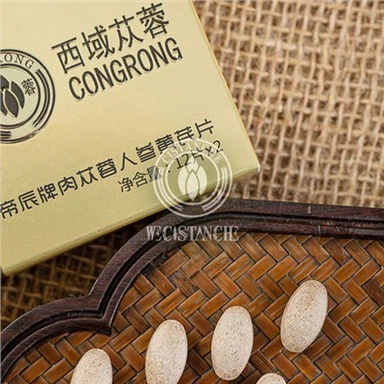
Wecistanche's cistanche powder, cistanche tablets, cistanche capsules, and other products are developed using desert cistanche as raw materials, all of which have a good effect on relieving constipation. The specific mechanism is as follows: Cistanche is believed to have potential benefits for relieving constipation based on its traditional use and certain compounds it contains. While scientific research specifically on Cistanche's effect on constipation is limited, it is thought to have multiple mechanisms that may contribute to its potential to relieve constipation. Laxative Effect: Cistanche has long been used in Traditional Chinese Medicine as a remedy for constipation. It is believed to have a mild laxative effect, which can help promote bowel movements and induce constipation. This effect may be attributed to various compounds found in Cistanche, such as phenylethanoid glycosides and polysaccharides. Moistening the Intestines: Based on traditional use, Cistanche is considered to have moisturizing properties, specifically targeting the Intestines. Promoting hydration and lubrication of the Intestines may help soften tools and facilitate easier passage, thereby relieving constipation. Anti-inflammatory Effect: Constipation can sometimes be associated with inflammation in the digestive tract. Cistanche contains certain compounds, including phenylethanoid glycosides and lignans, that are believed to have anti-inflammatory properties. By reducing inflammation in the intestines, it may help improve bowel movement regularity and relieve constipation.