Mechanism Of Cistanche Deserticola in The Treatment Of Diabetes Cardiomyopathy Based On Network Pharmacology
Jun 27, 2023
[Abstract] Objective The study shows that Cistanche deserticola and its Active ingredient have a good protective effect on cardiovascular diseases, but there is no study on diabetes cardiomyopathy (DCM). Therefore, this study is based on network pharmacology and aims to study the effect of Cistanche deserticola on DCM from the perspective of mechanism. Methods According to the needs of research, TCMSP, PubChem, and Swiss Target Prediction databases were used to obtain information on the main active ingredients and targets of Cistanche deserticola, and the GeneCards database was used to obtain the related targets of diabetes cardiomyopathy (DCM). When constructing the target network, Cytoscape 3.8.2 tool was selected. At the same time, the PPI network was used to select the R language tool for KEGG and GO enrichment analysis. Results A total of 17 main active ingredients and 58 targets related to DCM of Cistanche deserticola were obtained. The core genes in the PPI network were AKT1, TNF, VEGFA, and TP53; After GO function enrichment, there are more enriched proteins such as protein series/threonine kinase activity, insulin receptor substrate binding, protein kinase C activity, calcium-dependent protein kinase C activity, RNA polymerase II specific DNA binding transcription factor binding, and DNA binding transcription factor binding; KEGG enrichment pathway analysis showed that the main pathways of Cistanche deserticola in the treatment of diabetes cardiomyopathy were Diabetic cardiomyopathy, AGE-RAGE signaling pathway in diabetic compatibility Insulin resistance, HIF-1 signaling pathway, Hepatitis B and Proteoglycans in cancer; The genes with a large number of associations between the KEGG pathway and genes in the network diagram mainly include AKT1, PIK3CB, PIK3CA, PIK3R1, and PIK3CD. Conclusion Cistanche deserticola may improve the oxidative metabolism of DCM and cardiomyocytes by inhibiting oxidative stress, inflammatory response, and autophagy with multiple targets, components, and pathways.
[Key words] diabetes cardiomyopathy; Cistanche deserticola; Network pharmacology; Target points; Mechanism of action
Cistanche deserticola efficacy
Diabetes cardiomyopathy (DCM) is mainly caused by diabetes (DM). The long-term impact of DM leads to the initial diastolic function and late systolic dysfunction of the heart, which has nothing to do with hypertension and Coronary artery disease [1]. DM is a major global health issue, affecting an estimated 366 million people worldwide and leading to the occurrence of heart failure (HF). In fact, hyperglycemia, hyperlipidemia, and interruption of insulin signaling may be consistent with the development of DCM. DCM includes a series of cardiac abnormalities, including Cardiomegaly, myocardial fibrosis, diabetes microvascular disease, and diastolic and systolic cardiac dysfunction [3]. The main pathological characteristics of DCM are the increase of Fatty acid metabolism in myocardial cells, the inhibition of lipid deposition, and glucose metabolism [4]. Insulin resistance in DCM patients can lead to metabolic disorders, leading to upregulation of protein expression related to free fatty acid uptake and oxidation. Increased fatty acid β- Oxidation produces excessive reactive oxygen species (ROS) and leads to cardiac oxidative stress. Long-term oxidative stress promotes cardiac fibrosis, cardiac myocyte hypertrophy, and cardiac dysfunction, thus exacerbating the development of DCM [5-6].
Cistanche deserticola [Epimedium (yinyanghuo)], also known as Xianling spleen, was first recorded in the Shennong Ben Cao Jing. Its chemical composition includes four categories, namely alkaloids, lignans, polysaccharides, and flavonoids, polysaccharides and flavonoids have relatively strong biological activities. It is a traditional Chinese medicine for warming the kidney and invigorating yang, dispelling wind dampness, and strengthening bones and muscles, and is used to treat hypertension, coronary heart disease, osteoporosis, menopausal syndrome Impotence, hemiplegia, limb numbness, etc. Cistanche deserticola is also often used in combination with other Chinese medicines to treat DM and its complications [7-8]. In recent years, in order to give full play to the role of Cistanche deserticola, a lot of research has been carried out in the medical field, and many research achievements have been made in the process of continuous promotion of related research [9-11]. Research by domestic scholars shows that total flavonoids of Cistanche deserticola may play a protective role on vascular endothelial damage in DM mice by reducing blood sugar, antioxidant, and other ways [12]. Among them, Cistanche deserticola glycoside (Icariin) is a Flavonoid isolated from Cistanche deserticola and the main active ingredient in Cistanche deserticola [13]. Some studies have revealed the therapeutic effect of Icariin on various disease conditions, including cardiovascular diseases [14-16] and DM-induced diseases [17]. Icariin plays a role in a variety of ways, such as antioxidant, anti-inflammatory, and lipid regulatory activities [14]. Research shows that Cistanche deserticola glycoside can protect myocardial cells from oxidative stress damage by increasing the expression of sirtuin-1 in mitochondria [18]. However, there are still many components in Epimedium, such as the detection of Cistanche deserticola glycoside II (ICA II), chaohodine, etc., which may play a role in cardiovascular disease. For example, ICA II can up-regulate miR-181c, activate downstream related signal pathways, and thus restore the function of vascular endothelial cells [19]. In general, research on other components is still lacking. This study analyzed the role of Cistanche deserticola deserticola in treating DCM through network pharmacology. After building a network based on computer software, the mechanism of action of this medicinal plant was determined, hoping to provide a theoretical reference for the development of related Active ingredients of Cistanche deserticola in the future.
1. Materials and Methods
1.1 Obtaining the main active ingredients of Cistanche deserticola
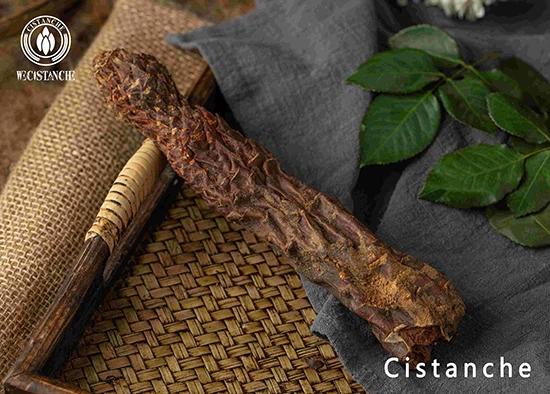
Superman herbs cistanche
The TCMSP platform was selected to retrieve the chemical components contained in Cistanche deserticola, and the Druglikeness (DL) ≥ 0.18, oral bioavailability (OB) ≥ 30%, caco-2 capability ≥ -0.4 and a half life ≥ 3 h in the pharmacokinetic parameters of the compounds were used as screening criteria to screen out the main active ingredients in Cistanche deserticola.
1.2 Target prediction of effective active ingredients
With the active ingredient as the keyword, the structural information of Cistanche deserticola was determined by searching PubChem, and then the relevant structural information was retrieved on the Swiss Target Prediction platform to determine the target information needed for the study.
1.3 DCM-related target prediction
Select the GeneCards platform to search for DCM-related target information using the search term "diabetic cardiomyopathy". The effective active ingredients of Cistanche deserticola were compared with the relevant target information of DCM to determine the target of Cistanche deserticola in treating DCM.
1.4 Construction of Protein-Protein Interaction (PPI) Network
Import the target information obtained in the previous step into the String platform, use Multiple Proteins, set the Organism to Homes Sapiens, and then import the obtained information into the Cytoscape version 3.8.2 tool to construct a network and analyze it. Finally, obtain the PPI relationship diagram required for the research.
1.5 Target GO Enrichment and KEGG Pathway Annotation Analysis
Use R language to analyze the co-targets of Cistanche deserticola deserticola and DCM, obtain the bubble chart and Bar chart required for GO enrichment analysis, and finally obtain the corresponding original gene targets through transformation.
1.6 Enrichment Analysis of Target KEGG Pathway and Construction of KEGG Relationship Network
2 Results
The ID is converted into the corresponding text file, and the text file, bubble chart, and Bar chart are obtained based on R language tool processing. Import the KEGG file obtained through Perl processing in the Cytoscape 3.8.2 tool to draw the KEGG relationship network.
2.1 Screening results of main active ingredients and potential targets of Cistanche deserticola deserticola
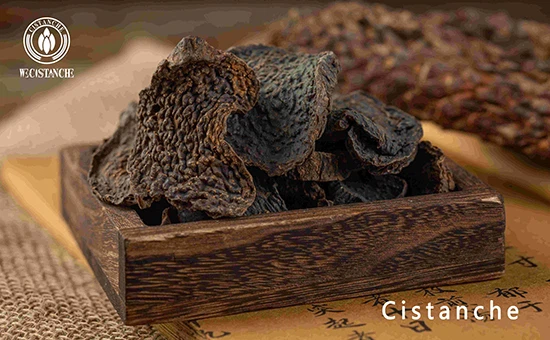
Chinese herb cistanche
Seventeen major active ingredients in Cistanche deserticola deserticola were screened based on the database, and 551 potential active ingredient targets in Cistanche deserticola deserticola deserticola were obtained through the prediction of SwissTargetPrediction database and the construction of ingredient target set.
2.2 DCM Potential Target Information
Based on GeneCards, 330 target genes of DCM can be obtained, and 58 common targets can be obtained by the intersection of the target genes of effective active ingredients in Cistanche deserticola (Fig. 1).

Figure 1 Wayne Diagram of Common Targets of Cistanche deserticola and Diabetes Cardiomyopathy
2.3 Main active ingredients of Cistanche deserticola - core target network
The target map (Figure 2) drawn using the Cytoscape 3.8.2 tool was studied. The green, red, brownish yellow and blue parts of the map correspond to Epimedium, DCM, active ingredients, and targets, respectively. There is a positive correlation between the importance of nodes and the density of connections, which means that if there are fewer connections, the importance of nodes is relatively poor, while if there are more connections, the importance of nodes is relatively high. By inputting 58 target information in STRING, a PPI network graph can be constructed (Figure 3), and genes with moderate values in the top 30 can be extracted using the R language (Figure 4).
2.4 GO enrichment analysis of Cistanche deserticola DCM-related targets
GO enrichment analysis of Cistanche deserticola DCM-related targets was conducted using R language. A total of 74 functions can be obtained after running R language, and the previous 20 can be used as the boundary to obtain the Bar chart (Figure 5) and bubble graph (Figure 6) shown in the following two figures. If the enrichment is less, the color of the graph tends to be relatively close to blue. If the enrichment is more significant, the color of the graph tends to be closer to red, and the abscissa of the image represents the amount of enrichment. GO enrichment analysis described that the target of Cistanche deserticola in the treatment of DCM participated in the protein serine/threonine kinase activity, insulin receive or subtract binding, protein kinase C activity, and calcium dependent protein kinase C activity.
2.5 Enrichment analysis of KEGG pathway of Cistanche deserticola DCM-related targets
The R language tool was selected for KEGG pathway enrichment analysis and KEGG relationship network construction. After processing with this tool, a total of 159 pathways were obtained. The top 20 pathways were selected based on their significance, and corresponding bar and bubble charts were drawn (Figure 7, Figure 8). The left side of the graph represents the path name, and the abscissa represents the number of targets. If the number of targets is less, the color of the graph tends to be blue. If the number of targets is more, the color of the graph tends to be red. Figure 9 shows the network diagram between the top 20 genes and the KEGG pathway during enrichment. The connections refer to mutual connections, and the circles in the inner and outer circles respectively represent genes and pathways. If the color of the graph is darker and the area is larger, it indicates that the number of interrelated genes is also greater. Through observation and analysis, it is not difficult to find that the network diagram between the KEGG pathway and genes mainly includes protein kinase B1 (AKT1) Phosphoinositol 3 kinase catalytic subunit β (PIK3CB), phosphoinositol 3-kinase catalytic subunit α (PIK3CA), phosphoinositol 3-kinase regulatory subunit 1 (PIK3R1), and phosphoinositol 3-kinase catalytic subunit δ (PIK3CD), etc.

Figure 2 Effective active ingredients of Cistanche deserticola - core target network

Figure 3 PPl network of Cistanche deserticola and diabetes cardiomyopathy targets

Figure 4 Core Genes of PPI

Figure 5 GO Enrichment Bar chart

Figure 6 GO Enrichment Bubble Chart

Figure 7 Bar chart of KEGG Enrichment

Figure 8 KEGG Enrichment Bubble Chart

Figure 9 KEGG relationship network of Cistanche deserticola in treating diabetes cardiomyopathy
3 Discussion
DM has many complications, which have a serious impact on the myocardium [20-21]. DM complications seriously threaten the quality of life of DM patients [22]. DCM is one of the serious complications of DM, with a high mortality rate, and is described as having myocardial dysfunction without any other conventional cardiovascular risk factors. DCM is mainly manifested as myocardial fibrosis, cardiomyocyte hypertrophy, cell apoptosis, and metabolic disorder, which ultimately leads to heart failure [23-25]. Although some studies have explained the pathogenesis from a molecular and cellular perspective, which may involve excessive oxidative stress, fibrosis, cell apoptosis, and inflammation caused by hyperglycemia, there is still controversy [26-27]. In recent years, drug selection in the treatment of Dilated cardiomyopathy has shown more comprehensive, diversified, and systematic characteristics [28]. Through animal experiments on the main components of Cistanche deserticola, such as Cistanche deserticola glycosides and Cistanche deserticola flavonoids, it can be found that Cistanche deserticola can play a good role in the treatment of Dilated cardiomyopathy, but there are relatively few studies related to pathogenesis [29-30]. This study screened 17 main active ingredients in Cistanche deserticola, including quercetin, luteolin, linalyl acetate, kaempferol, etc. It found that 58 targets had effects on DCM. After PPI treatment, the top five targets were identified, which were protein kinase 1 (AKT1), tumor necrosis factor (TNF), mammalian Sirolimus target protein (mTOR) Tumor protein p53 (p53), and endothelial nitric oxide synthase [NOS3 (eNOS)], etc. Therefore, it is speculated that these five targets may be the key targets of Cistanche deserticola deserticola for the treatment of DCM. Some studies have found that AKT is a signal transduction molecule, and its mediated signal transduction pathway regulates cell division, differentiation, apoptosis, and other activities [31], while Dapagliflozin can up-regulate AKT/Tyrosine kinase (JAK)/Mitogen-activated protein kinase (MAPK) pathway to reduce DCM [32].

Effects Of Cistanche
tumor necrosis factor α (TNF- α) And interleukin 6 (IL-6) are some major proinflammatory cytokines, which are involved in the occurrence and development of complications of diabetes [33]. A study assessed the level of proinflammatory cytokines in left ventricular diastolic dysfunction, which is the earliest manifestation of left ventricular dysfunction caused by diabetes. It found that plasma IL-6 and TNF- α level rises [34]. Studies have shown that Metformin improves the reactive oxygen species (ROS) - p53 collagen axis of fibrosis and Dyslipidemia in left ventricular injury caused by type 2 DM, and studies have also shown that the restoration of extracellular regulated protein kinase (ERK)/mTOR pathway can prevent DCM [35], while Cistanche deserticola can inhibit Akt/mTOR, and can also activate p53 [36]. Baumgardt et al. [37] found that DCM and ischemia/reperfusion injury were restricted by BH4/eNOS/NO pathway, while Duan et al. [38] found that Cistanche deserticola glycoside-activated PI3K/AKT-eNOS pathway could delay endothelial Cellular senescence. GO enrichment analysis showed that the predicted target of Cistanche deserticola deserticola for the treatment of DCM was involved in protein serine Threonine phosphatase/Threonine kinase activation, insulin receptor substrate binding, Protein kinase C activation, and calcium-dependent Protein kinase C activation. KEGG enrichment pathway analysis shows that the main pathways of Cistanche deserticola for treating DCM include diabetes cardiomyopathy, HIF-1 signaling pathway, advanced glycation end products (AGE) - receptor for advanced glycation end products (RAGE) signaling pathway in Complications of diabetes, insulin resistance, growth hormone synthesis, secretion and action pathways, and endocrine impedance pathways, which are similar to the results of PPI network analysis and GO enrichment analysis. Hypoxia-inducible factor-1 (HIF-1) is closely related to DCM [39], ROS, and HIF1 α IGFBP3 dependent upregulation blocks IGF1 survival signal, thus mediating high glucose-induced cardiomyocyte apoptosis, while exogenous hydrogen sulfide inhibits signal transducer and activator of transcription 3 (STAT3)/HIF-1 α Pathways can prevent high glucose-induced cell apoptosis and oxidative stress [40]. Related studies have found that AGE and its receptor (RAGE) is related to the pathogenesis of DCM, inhibiting RAGE/NF- κ The expression of the B signaling pathway and downstream inflammatory factors has a protective effect on cardiovascular complications related to DM rats [41].

Desert living cistanche
Click here to view Cistanche products
【Ask for more】 Email:cindy.xue@wecistanche.com / Whats App: 0086 18599088692 / Wechat: 18599088692
AGE and its interaction with RAGE promote cell proliferation, and ECM accumulation and inhibit cell apoptosis to induce vascular remodeling. ROS produced by AGE and RAGE interaction regulates cell proliferation, weakens cell apoptosis, and constricts blood vessels [42-43]. Cistanche deserticola glycoside II (ICA II) and Metformin (MET) can reduce Glucose test#Fasting blood sugar (FPG), hemoglobin A1c (HbA1c), and AGEs levels. ICA Ⅱ and MET may also enhance signal transduction through the PI3K-AKT-mTOR pathway to reduce mitochondrial autophagy of smooth muscle cells [44]. Growth hormone secretagogue hormone (GHS) has opened up many new perspectives in the field of endocrinology, metabolism, and cardiovascular research, indicating that it may play a therapeutic role in DM and its complications, especially in DCM, and it can regulate Peroxisome proliferator-activated receptors in macrophages and adipocytes γ (PPAR- γ), PPAR- γ It is an important regulator of insulin sensitization. The growth hormone-releasing peptide (Ghrelin) also inhibits the growth hormone release by activating PI3K/AKT and c-Jun N-terminal kinase (JNK) β Cells show protective effects. In pancreatic resection rats and neonatal rats treated with Streptozotocin, acylated and nonacylated auxin-releasing peptides (AG and UAG) can reduce glucose levels and increase insulin production β The number of cells and insulin secretion suggest that GHS may play a role in pancreatic regeneration [41,45]. The activation of these pathways can promote the secretion of cytokines, the most important of which includes TNF- α, This contributes to the inflammatory response [46], and these cytokines can accelerate the progression of DCM. Based on network pharmacology, this study studied the mechanism of Cistanche deserticola deserticola in treating DCM. The results showed that Cistanche deserticola deserticola deserticola may improve the oxidative metabolism function of DCM and myocardial cells by inhibiting oxidative stress, inflammatory reaction, and autophagy through multiple targets, multiple components, and multiple pathways, acting on AKT1, TNF, mTOR, TP53, NOS3 (eNOS) and other related targets.
References
[1] van Den Brom CE, Huisman MC, Vlasblom R, et al. Altered myocardial substrate metabolism is associated with myocardial dysfunction in early diabetic cardiomyopathy in rats: studies using positron emission tomography [J]. Cardiovasc Diabetol, 2009, 8(1): 39.
[2] Karaoui LR, Deeb ME, Nasser L, et al. Knowledge and practice of patients with diabetes mellitus in Lebanon: a cross-sectional study [J]. BMC Public Health, 2018, 18(1): 525. [3] Jia G, Hill MA, Sowers JR. Diabetic cardiomyopathy: an update of mechanisms contributing to this clinical entity [J]. Circ Res, 2018, 122(4): 624-638.
[4] Oluranti OI, Agboola EA, Fubara NE, et al. Cadmium exposure induces cardiac neurometabolic dysregulation and lipid accumulation independent of pyruvate dehydrogenase activity [J]. Ann Med, 2021, 53(1): 1108-1117.
[5] Jia G, Demarco VG, Sowers JR. Insulin resistance and hyperinsulinemia in diabetic cardiomyopathy [J]. Nat Rev Endocrinol, 2016, 12(3): 144-153.
[6] Jia G, Whaley-Connell A, Sowers JR. Diabetic cardiomyopathy: hyperglycemia- and insulin-resistance-induced heart disease [J]. Diabetologia, 2018, 61(1): 21-28.
[7] Wang LH, Ma YK, Zhou XM, et al. Study on the epimedium hypoglycin comic spring hypoglycemic effect [J]. Journal of Shenyang Pharmaceutical University, 2005, 22(1): 49-52, 55.
[8] Li GR, Li GQ. Clinical observation on 108 cases of diabetic nephropathy treated by Arctium epimedium decoction [J]. Hunan Journal of Traditional Chinese Medicine, 1998, 14(6): 10, 17.
[9] Meng X, Pei H, Lan C. Icariin exerts a protective effect against myocardial ischemia/reperfusion injury in rats [J]. Cell Biochem Biophys, 2015, 73(1): 229-235.
[10] Zhou H, Yuan Y, Liu Y, et al. Icariin protects H9c2 cardiomyocytes from lipopolysaccharide-induced injury via inhibition of the reactive oxygen species-dependent cJun N-terminal kinases/nuclear factor-kappaB pathway [J]. Mol Med Rep, 2015, 11(6): 4327-4332.
[11] Zhai MH, He L, Ju XG, et al. Icariin acts as a potential agent for preventing cardiac ischemia/reperfusion injury [J]. Cell Biochem BioPhys, 2015, 72(2): 589-597.
[12] Han AP, Zhang J, Ding XS. Effects of total flavonoids of epimedium on vascular function of diabetic mice [J]. Journal of Nanjing University of Traditional Chinese Medicine, 2011, 27(3): 243-246.
[13] Ye LC, Chen JM. Advances in a study on pharmacological effects of Epimedium [J]. Zhongguo China Journal of Chinese Materia Medica, 2001, 26(5): 293-295.
[14] Fang J, Zhang YJ. Icariin is an anti-atherosclerotic drug from the Chinese medicinal herb horny goat weed [J]. Front Pharmacol, 2017, 8(10): 734.
[15] Bugger HK, Chen D, Riehle C, et al. Tissue-specific remodeling of the mitochondrial proteome in type 1 diabetic Akita mice [J]. Diabetes, 2009, 58(9): 1986-1997.
[16] Sousa GR, Pober D, Galderisi A, et al. Glycemic control, cardiac autoimmunity, and long-term risk of cardiovascular disease in type 1 diabetes mellitus [J]. Circulation, 2019, 139(6): 730-743.
[17] Wang XY, Liu CH, Xu Y, et al. Combination of mesenchymal stem cell injection with icariin for the treatment of diabetes-associated erectile dysfunction [J]. PLoS One, 2017, 12(3): e174145.
[18] Gibbons CH. Basics of autonomic nervous system function [J]. Handb Clin Neurol, 2019, 160(3): 407-418. [19] Guan RL, Lei HE, Tang Y, et al. Effect of icarisideⅡ on miR-181c and its targeting genes KLF6, KLF9, KLF10, and KLF15 in diabetic-like human cavernous endothelial cells [J]. Chin J Clinicians (Electronic Edition), 2016, 10(1): 56-61.
[20] Zhong WL, Sun B, Gao WQ, et al. Salvianolic acid A targeting the transgelin-actin complex to enhance vasoconstriction [J]. E Bio Medicine, 2018, 37(11): 246-258.
[21] Ilkhanizadeh B, Shirpoor A, Khadem AM, et al. Protective effects of ginger (Zingiber officinale) extract against diabetes-induced heart abnormality in rats [J]. Diabetes Metab J, 2016, 40(1): 46-53.
[22] Cole JB, Florez JC. Genetics of diabetes mellitus and diabetes complications [J]. Nat Rev Nephrol, 2020, 16(7): 377-390.
[23] Jin LY, Zhang JY, Deng ZH, et al. Mesenchymal stem cells ameliorate myocardial fibrosis in diabetic cardiomyopathy via the secretion of prostaglandin E2 [J]. Stem Cell Res Ther, 2020, 11(1): 122.
[24] Jia G, Hill MA, Sowers JR. Diabetic cardiomyopathy: an update of mechanisms contributing to this clinical entity [J]. Circ Res, 2018, 122(4): 624-638.
[25] Dillmann WH. Diabetic cardiomyopathy [J]. Circ Res, 2019, 124(8): 1160-1162.
[26] Shimizu M, Suzuki K, Kato K, et al. Evaluation of the effects of dapagliflozin, a sodium-glucose co-transporter-2 inhibitor, on hepatic steatosis and fibrosis using transient elastography in patients with type 2 diabetes and non-alcoholic fatty liver disease [J]. Diabetes Obes Metab, 2019, 21(2): 285-292.
[27] Herder C, Hermanns N. Subclinical inflammation and depressive symptoms in patients with type 1 and type 2 diabetes [J]. Semin Immunopathol, 2019, 41(4): 477-489.
[28] Qian H, Yang JJ, Pan DY, et al. Protective effect of total flavonoids of epimedium on the kidney in experimental diabetic rats [J]. Chin J Appl Phys, 2014, 30(4): 314-317.
[29] Qiao C, Wang H, Song ZY, et al. Icariin attenuates diabetic cardio myopathy and downregulates extracellular matrix proteins in the heart tissue of type 2 diabetic rats [J]. Pharmacology, 2020, 105(9-10): 576-585.
[30] Ni TJ, Lin N, Huang XX, et al. Icariin ameliorates diabetic cardio myopathy through apelin/sirt3 signaling to improve mitochondrial dysfunction [J]. Front Pharmacol, 2020, 11(3): 256.
[31] Kong CC, Dai AG. Phosphatidylinositol 3-kinase regulates hypoxia-inducible factor 1α in the pulmonary arteries of rats with hypoxia-induced pulmonary hypertension [J]. Chinese Journal of Pathophysiology, 2006, 22(11): 2132-2137.
[32] El-Sayed N, Mostafa YM, Abogresha NM, et al. Dapaglifloziattendsnurates diabetic cardiomyopathy through erythropoietin up-regulation of AKT/JAK/MAPK pathways in streptozotocin-induced diabetic rats [J]. Chem Biol Interact, 2021, 347(9): 109617.
[33] Navarro-Gonzalez JF, MORA-FERNANDEZ C. The role of inflammatory cytokines in diabetic nephropathy [J]. J Am Soc Nephrol, 2008, 19(3): 433-442.
[34] Dinh W, Futh R, Nickl W, et al. Elevated plasma levels of TNF-alpha and interleukin-6 in patients with diastolic dysfunction and glucose metabolism disorders [J]. Cardiovasc Diabetol, 2009, 8(11): 58.
[35] Li XC, Meng C, Han F, et al. Vildagliptin attenuates myocardial dysfunction and restores autophagy via miR-21/SPRY1/ERK in diabetic mice heart [J]. Front Pharmacol, 2021, 12(3): 634365.
[36] Gao LF, Chen M, Ouyang Y, et al. Icariin induces ovarian cancer cell apoptosis through the activation of p53 and inhibition of the Akt/mTOR pathway [J]. Life Sci, 2018, 202(6): 188-194.
[37] Baumgardt SL, Paterson M, Leucker TM, et al. Chronic co-administration of sepiapterin and L-citrulline ameliorates diabetic cardio myopathy and myocardial ischemia/reperfusion injury in obese type 2 diabetic mice [J]. Circ Heart Fail, 2016, 9(1): e2424.
[38] Duan XH, Xu CQ, Huang JH, et al. Icariin delays homocysteine-in reduced endothelial cellular senescence involving activation of the PI3K/AKT-eNOS signaling pathway [J]. Pharm Biol. 2013, 51(4): 433-440.
[39] Huang YT, Liu CH, Yang YC, et al. ROS- and HIF1alpha-dependent IGFBP3 upregulation blocks IGF1 survival signaling and thereby dates high-glucose-induced cardiomyocyte apoptosis [J]. J Cell Physiol, 2019, 234(8): 13557-13570.
[40] Li J, Yuan YQ, Zhang L, et al. Exogenous hydrogen sulfide protects against high glucose-induced apoptosis and oxidative stress by inhibiting the STAT3/HIF-1alpha pathway in H9c2 cardiomyocytes [J]. Exp Ther Med, 2019, 18(5): 3948-3958.
[41] Chen Y, Li W, NonG XL, et al. Role of Artesunate on cardiovascular complications in Rats with Type 1 diabetes mellitus [J]. BMC Endocr Disord, 2021, 21(1): 19.
[42] Prasad K. AGE-RAGE stress in the pathophysiology of pulmonary hypertension and its treatment [J]. Int J Angiol, 2019, 28(2): 71-79.
[43] Manichaikul A, Sun L, Borczuk AC, et al. Plasma soluble receptor for advanced glycation end products in idiopathic pulmonary fibrosis [J]. Ann Am Thorac Soc, 2017, 14(5): 628-635.
[44] Zhang J, Li S, Li S, et al. Effect of acaricide II and metformin on penile erectile function, glucose metabolism, reaction oxygen species, superoxide dismutase, and mitochondrial autophagy in type 2 diabetic rats with erectile dysfunction [J]. Transl Androl Urol, 2020, 9(2): 355-366.
[45] Mosa RM, Zhang Z, Shao RF, et al. Implications of ghrelin and hexarelin in diabetes and diabetes-associated heart diseases [J]. Endocrime, 2015, 49(2): 307-323.
[46] Arthur G, Bradding P. New developments in mast cell biology: clinical implications [J]. Chest, 2016, 150(3): 680-693.