Mechanism Research And Clinical Application Progress Of Cistanche Tubulosa in The Treatment Of Parkinson's Disease
Jul 21, 2026
Parkinson's disease (PD) is the second largest neurodegenerative disease after Alzheimer's disease, characterized by progressive loss of dopaminergic neurons in the substantia nigra of the midbrain, abnormal aggregation of alpha synuclein, and motor symptoms (tremors, rigidity, bradykinesia) and non-motor symptoms (constipation, depression, cognitive impairment). The commonly used levodopa replacement therapy in clinical practice can alleviate symptoms, but it cannot prevent disease progression, and long-term use can lead to complications such as end-of-dose effects and dyskinesia. Therefore, finding neuroprotective strategies that can delay or even reverse the disease progression has become a core topic in the field of Parkinson's disease research.

Benefits of Cistanche tubulosa- Anti-Parkinson's disease
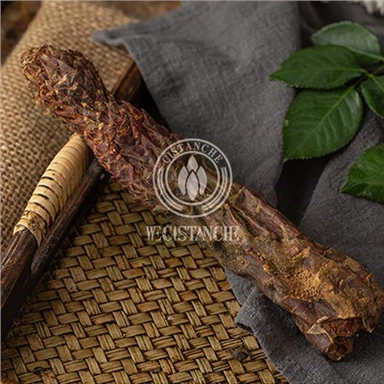
Cistanches Herba is a dry fleshy stem with scaly leaves belonging to the parasitic plant Cistanche in the family Rhamnaceae. It is mainly produced in desert areas of Inner Mongolia, Xinjiang, Gansu, and other regions in China, and is known as the "Desert Ginseng". Throughout history, traditional Chinese medicine has classified it as a top-grade herb, recording that it has a sweet taste, a warm nature, is beneficial to the kidneys and the colon meridian, nourishes kidney yang, nourishes essence and blood, and moistens the intestines and promotes bowel movements. In recent years, with the continuous deepening of modern pharmacological research, the value of Cistanche tubulosa in the field of neurodegenerative diseases has been gradually revealed - its active ingredients, especially phenylethanoid glycosides, have shown multi-target and multi-pathway neuroprotective effects in Parkinson's disease models, providing solid scientific evidence for its traditional efficacy of "tonifying the kidney and nourishing the marrow".

Chinese herb cistanche
1, The main active ingredients of Cistanche tubulosa
The chemical composition of Cistanche tubulosa is extremely rich. Currently, phenylethanoid glycosides (PhGs), iridoids, lignans, polysaccharides, alkaloids, and various trace elements have been isolated and identified. Among them, phenylethanolic glycosides are the core pharmacological substance basis, with representative components including Echinacoside (ECH), Verbascoside, and Isoverbascoside. Professor Tu Pengfei's team at Peking University systematically elucidated the metabolic patterns of phenylethanoid glycosides in the body and found that most of their metabolites are analogues of monoamine neurotransmitters. This discovery provides a key molecular clue for understanding the role of Cistanche tubulosa in "nourishing the brain marrow".
It is worth noting that different varieties of Cistanche tubulosa have differences in their pharmacological focus: Cistanche tubulosa has a stronger laxative effect, while Cistanche tubulosa performs better in nourishing the kidneys and marrow. This difference provides a scientific basis for clinical precision medicine. In addition, polysaccharides from Cistanche tubulosa have been shown to have significant neuroprotective activity and can exert anti Parkinson's disease effects by activating the Wnt/β - catenin signaling pathway.
2, The core mechanism of Cistanche tubulosa in treating Parkinson's disease
The treatment of Parkinson's disease with Cistanche tubulosa is not a single target "sniper", but a synergistic network of multiple components, pathways, and targets, which protects dopaminergic neurons and improves the neural microenvironment from multiple dimensions. The currently thoroughly studied mechanisms of action mainly include the following five aspects.

Desert living cistanche herb- Anti-Parkinson's disease
(1) Protecting mitochondrial function and inhibiting neuronal apoptosis
Mitochondrial dysfunction is one of the core components of Parkinson's disease. Neurotoxins such as 6-hydroxydopamine (6-OHDA) and MPTP induce a burst of reactive oxygen species (ROS), reduce ATP levels, and disrupt mitochondrial membrane potential, ultimately triggering a mitochondrial-mediated cascade of apoptosis.
Research has shown that echinacoside can effectively inhibit the excessive generation of ROS in PC12 cells induced by 6-OHDA, maintain ATP levels, protect mitochondrial redox activity and membrane potential integrity, thereby blocking the mitochondrial apoptosis pathway. At the animal level, Cistanche tubulosa can significantly upregulate the expression of PI3K, Akt, and Bcl-2 proteins in the substantia nigra striatum tissue of Parkinson's disease model rats, while downregulating the expression of pro-apoptotic protein Bax and increasing the Bcl-2/Bax ratio. This result suggests that Cistanche tubulosa protects dopaminergic neurons by activating the PI3K/Akt signaling pathway, inhibiting neuronal apoptosis.

Echinoside, the main chemical component of Cistanche tubulosa
(2) Inhibit oxidative stress and activate Keap1/Nrf2/HO-1 pathway
Oxidative stress plays an important role in the pathogenesis of Parkinson's disease. Abnormal aggregation of alpha-synuclein can induce severe oxidative damage, and oxidative stress in turn promotes misfolding of alpha-synuclein, forming a vicious cycle.
The latest research has found that Cistanche tubulosa can significantly improve the structural damage of hippocampal neurons in Parkinson's disease model rats and alleviate nuclear condensation. On a molecular level, Cistanche tubulosa can reduce the expression of Keap1 protein in hippocampal tissue, while upregulating the expression levels of Nrf2 and HO-1 proteins, thereby increasing the activity of antioxidant enzyme SOD and reducing the content of oxidative stress product MDA. This result clearly indicates that Cistanche tubulosa alleviates oxidative stress damage to hippocampal neurons in Parkinson's disease rats by regulating the Keap1/Nrf2/HO-1 antioxidant signaling pathway.
(3) Regulating neuroinflammation and inhibiting the NF - κ B signaling pathway
Neuroinflammation is an important driving force behind the progression of Parkinson's disease. The excessive activation of microglia and astrocytes can release a large amount of pro-inflammatory factors (TNF - α, IL-1 β, IL-6, etc.), exacerbating the damage to dopaminergic neurons.
Pinecone chrysanthemum glycoside shows outstanding performance in this regard. Research has shown that in MPTP induced Parkinson's disease mouse models, microglia and astrocytes in the substantia nigra striatum are significantly activated, and the levels of pro-inflammatory factors IL-2, TNF - α, NF - κ B p52, and p38 MAPK protein phosphorylation are significantly increased; After intervention with pineal chrysanthemum glycoside, it can inhibit the activation of microglia and astrocytes, reduce the secretion of pro-inflammatory cytokines, and downregulate the expression of NF - κ B related proteins. It is convincing that the intervention of mice with the neuroinflammatory inhibitor minocycline showed no significant difference compared to the group treated with pineal glycoside, which strongly supports the conclusion that pineal glycoside exerts neuroinflammatory regulatory effects by inhibiting the NF - κ B-mediated signaling pathway.

Superman herbs cistanche-Anti Parkinson's disease
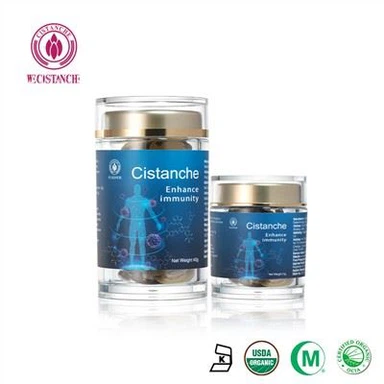
Click here to view the products of Cistanche for preventing Parkinson's disease
【Ask for more】 Email:cindy.xue@wecistanche.com / WhatsApp: 0086 18599088692 / WeChat: 18599088692
(4) Activate Wnt/β - catenin signaling pathway to promote neuronal survival
The Wnt/β - catenin pathway plays a critical role in neural development, synaptic plasticity, and neuronal survival. GSK-3 β is a negative regulator of this pathway, and its excessive activation can lead to the degradation of β - catenin, thereby inhibiting the transcription of downstream neuroprotective genes.
Multiple studies have consistently shown that Cistanche tubulosa and its polysaccharide components can significantly reduce the expression of GSK-3 β and its phosphorylated forms in the brains of Parkinson's disease model rats, while increasing the level of β - catenin protein and activating the Wnt signaling pathway, thereby exerting a protective effect on dopaminergic neurons. Whether using the 6-OHDA or rotenone-induced model, the intervention group of Cistanche tubulosa showed significantly better performance in the behavioral step test than the model group, verifying the protective effect of this pathway from a functional perspective.
(5) Regulating gut microbiota gut brain axis and improving metabolic disorders
In recent years, research on the gut-brain axis has opened up a new perspective on the pathogenesis of Parkinson's disease. Parkinson's disease patients generally have dysbiosis of the gut microbiota, and gut microbiota and its metabolites can affect central nervous system function through the vagus nerve, immune pathways, and metabolic pathways.
A research system based on multi-omics association analysis has revealed the mechanism by which Cistanche tubulosa improves Parkinson's disease by regulating gut microbiota. Research has found that Cistanche tubulosa can significantly improve motor dysfunction and reduce dopaminergic neuron loss in MPTP-induced PD model mice. At the metabolomics level, Cistanche tubulosa can reverse the abnormal changes of 268 differential metabolites in the PD model, involving 12 pathways closely related to PD, including glycerophospholipid metabolism, pyrimidine metabolism, and branched-chain amino acid metabolism. In 16S rRNA sequencing analysis, the gut microbiota composition of the Cistanche tubulosa treatment group tended to be similar to that of the control group, and the ratio of Firmicutes/Bacteroidetes was corrected. This study is the first to elucidate the gut-brain axis regulatory mechanism of Cistanche tubulosa in combating Parkinson's disease at the level of the "microbiota metabolite gene" network.
3, Clinical research evidence
In addition to preclinical studies, the clinical value of Cistanche tubulosa has also been preliminarily validated. Clinical observations have found that formulas mainly composed of Cistanche tubulosa can delay the time for Parkinson's disease patients to increase the dosage of levodopa preparations, suggesting that it may have a disease-modifying effect. In the treatment of constipation (the most common non motor symptom) in PD patients, Cistanche tubulosa has shown clear efficacy, which is highly consistent with the traditional understanding of "moistening the intestines and promoting bowel movements" in traditional Chinese medicine.

effects of cistanche-treat constipation
In terms of drug development, the "Cistanche Total Glycosides Capsules" created from the active ingredients of Cistanche tubulosa have become the first effective new drug for treating vascular dementia. The "Cistanche Runtong Oral Liquid" for treating constipation and the "Pineapple Glycosides Tablets" for treating vascular dementia have also completed phase I and phase II clinical trials, respectively. These achievements have laid a solid foundation for the further development of active ingredients from Cistanche tubulosa in the field of neurological diseases.
4. Conclusion
From "desert ginseng" to anti Parkinson's disease candidate drugs, Cistanche tubulosa has gone through a long process from empirical medicine to evidence-based medicine, from traditional efficacy to molecular mechanisms. The discovery of phenylethanoid glycosides, especially pineal glycosides, not only reveals the scientific connotation of Cistanche tubulosa's "tonifying the kidney and nourishing the marrow", but also provides a novel, mild-acting, and multi-target synergistic natural active molecule for neuroprotective treatment of Parkinson's disease. Although there is still a long way to go from the laboratory to the hospital bed, the breakthroughs in the entire industry chain technology of Cistanche tubulosa and the continuous promotion of clinical research are giving this ancient Chinese medicine new vitality in modern neurology. For the vast number of Parkinson's disease patients, this parasitic plant from the desert may be nurturing new hope for slowing down the pace of the disease.
References
[1] Xu Qian, Lin Yao, Gao Zhengtao, etc Cistanche tubulosa regulates Keap1/Nrf2/HO-1 antioxidant pathway to improve hippocampal neuronal damage in Parkinson's disease model rats [J]. Chinese Journal of Traditional Chinese Medicine, 2025
[2] Xu Z, et al. Mechanism of Cistanches Herba in Treatment of Parkinson's Disease Based on Network Pharmacology and Molecular Docking[J]. Food Research and Development, 2022, 43 (9): 13-22
[3] Lu Yan, Zhang Yajie, Ruan Jie, etc Study on the protective effect of Cistanche granules on dopaminergic neurons in the substantia nigra striatum of Parkinson's disease rat model [J]. Chinese Journal of Traditional Chinese Medicine, 2016, 34 (12)
[4] Tu Pengfei, wait Key technologies for the development and promotion of the entire industry chain of the endangered parasitic traditional Chinese medicine Cistanche tubulosa in the desert [R]. Second prize-winning project of the National Science and Technology Progress Award in 2025
[5] The effect of Cistanche tubulosa on the expression of PI3K, Akt, Bcl-2, and Bax proteins in Parkinson's disease model rats [J]. Journal of Xinjiang Medical University, 2019, 42 (1): 83-86
[6] The neuroprotective effect of polysaccharides from Cistanche tubulosa on 6-HODA induced Parkinson's disease rats by activating the Wnt/β - catenin signaling pathway [J]. Chinese Pharmacological Bulletin
[7] Multi-omics association analysis reveals the pathogenesis of Parkinson's disease and the mechanism of action of Cistanche tubulosa[J]. Research on characteristic industries in Alxa League, 2025
[8] The key mechanism of α - synuclein involvement in the MPTP-induced Parkinson's disease model and the intervention effect of total glycosides of Cistanche tubulosa [D]. Doctoral thesis from Zhejiang University
[9] Beijing Institute of Technology, Tsinghua University. The complete synthetic pathway of echinacoside from Cistanche tubulosa and its de novo biosynthesis in yeast[J]. Plant Communications, 2025.