New Drug For Parkinson's Disease (PD)! NE3107 Enters Phase 2 Clinical Experiment: Higher Prokinetic Activity in Combination With Levodopa!
Feb 22, 2022
Contact: Audrey Hu audrey.hu@wecistanche.com
BioVie recently announced that the first patient has been dosed in Phase 2 clinical study NM201 (NCT05083260) evaluating the potential prokinetic effects of NE3107 in patients with Parkinson's disease (PD).
Preclinical studies have shown that NE3107 is as effective as levodopa in improving motor symptoms. When NE3107 was administered in combination with levodopa, the combination showed greater promotor activity than either NE3107 or levodopa administered alone. In addition, NE3107 in combination with levodopa reduced the severity of levodopa-induced dyskinesia (LID), but not the beneficial effects of the drug on motor symptoms. In animal experiments, NE3107-treated monkeys retained approximately twice as many dopaminergic neurons as vehicle-treated monkeys, suggesting that NE3107 may have neuroprotective properties.

Neuroinflammation, insulin resistance, and oxidative stress are common features of major neurodegenerative diseases, including Parkinson's disease (PD), Alzheimer's disease (AD), frontotemporal dementia, and amyotrophic lateral sclerosis (ALS).
NE3107 is an oral, blood-brain barrier-crossing small molecule compound with anti-inflammatory, insulin-sensitizing and ERK-binding properties that selectively inhibits ERK- and NFκB-stimulated inflammation. No major safety signals were observed in the nonclinical safety studies, and the adverse event profile of NE3107 did not differ from that of placebo in clinical studies conducted to date.
The potential of NE3107 to inhibit neuroinflammation and insulin resistance is the basis for BioVie's testing of the molecule in AD and PD patients. The company is currently conducting a Phase 3 clinical trial evaluating NE3107 in Alzheimer's disease, with results expected by the end of 2022.

NM201 is a double-blind, placebo-controlled, safety, tolerability and pharmacokinetic study in Parkinson's disease patients who will receive carbidopa/levodopa in combination with NE3107 or placebo drug treatment. In the study, 40 PD patients in the "OFF state" will be randomized 1:1 to placebo, NE3107 (20 mg twice daily) for 28 days.
The safety assessment will look at standard measures of patient health and the potential for drug interactions affecting levodopa pharmacokinetics and activity. Exploratory efficacy assessments will be measured using the International Parkinson and Movement Disorders Society-Harmonized Parkinson's Disease Rating Scale Parts 1-3, On/Off Diary, Non-Motor Symptom Scale. Top-line results are expected in mid-2022.

benefits of cistanche: anti-Parkinson's disease
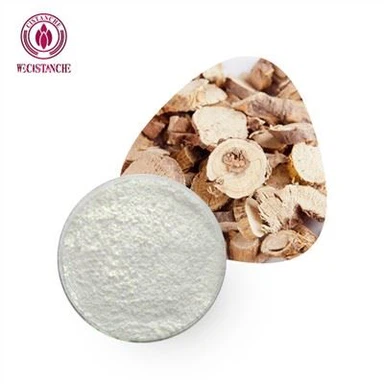
Note: The traditional Chinese medicinal herb cistanche (also known as the "dragon herb" and "desert ginseng"), grows only in the arid and warm deserts. As one of the nine immortal herbs, Cistanche (cistanche tubulosa/cistanche deserticola/desertliving cistanche/cistanche salsa)contents with rich effective ingredients such as echinacoside, acteoside, total phenylethanoid glycosides, flavonoids, polysaccharides, etc. these effective ingredients made cistanche a precious nourishing herb and food material for people's immunity, internal organs, and brain cells and neurons, etc. The modern pharmacological studies have confirmed the following effects of cistanche(benefits of cistanche): improve immunity; improve sexual function and kidney function; anti-fatigue; anti-aging; improve memory; anti-Parkinson's disease; anti-Alzheimer's disease; antioxidation; ease-constipation; anti-inflammatory; promote bone growth, whitening skin; protect liver; etc.