New Hope For Kidney Transplant Patients Against BK Virus
Jul 04, 2024
BK virus infection may lead to BK virus-related nephropathy, allogeneic rejection, and subsequent risk of graft loss in renal transplant recipients. There is currently no approved treatment for BK virus infection. On March 12, 2024, a study published in JASN, Posoleucel, is an investigational treatment that targets BK virus and 5 other opportunistic viruses (including adenovirus, cytomegalovirus, Epstein-Barr virus, human herpes virus type 6, and JC virus) with ready-made, allogeneic, multi-virus-specific T cells.

Click to Cistanche for kidney disease
Methods
In this 12-week, phase 2, double-blind study, renal transplant recipients with BK viremia were randomly assigned in a 1:1:1 ratio to posoleucel administered once a week, posoleucel administered once every two weeks, or monthly or placebo, and treated. Follow-up was performed for 12 weeks after the end of treatment. The primary objective was safety, and the secondary objective was to observe the decline in plasma BK virus load.

Results
A total of 61 subjects were randomized and treated. The baseline characteristics of the groups were similar. There were no deaths, graft-versus-host disease, or cytokine release syndrome. The study found that:
The incidence of treatment-related adverse events was low in patients treated with posoleucel: 20% (4/20 patients) and 18% (4/22 patients) in the biweekly and monthly dosing groups, respectively, and 26% (5/19 patients) in the placebo group.
Grade 3-4 adverse events or serious adverse events in any group were considered unrelated to treatment. No deaths, graft-versus-host disease, or cytokine release syndrome occurred. Allogeneic rejection occurred in 3 subjects, but the investigators considered it unrelated to treatment.

In subjects treated with posoleucel, the reduction in BK viremia was associated with an increase in the frequency of circulating BK virus-specific T cells, and the presence and persistence of posoleucel were confirmed by T cell receptor sequencing.
Conclusion
Posoleucel was generally safe, well tolerated, and significantly reduced BK viremia compared with placebo. Limitations of this study include the relatively short follow-up period and the lack of adequate power to detect significant differences in clinical outcomes.
How Does Cistanche Treat Kidney Disease?
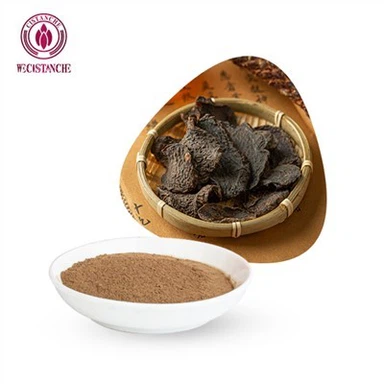
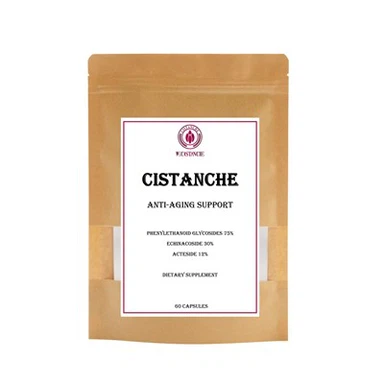
Cistanche is a traditional Chinese herbal medicine used for centuries to treat various health conditions, including kidney disease. It is derived from the dried stems of Cistanche deserticola, a plant native to the deserts of China and Mongolia. The main active components of cistanche are phenylethanoid glycosides, echinacoside, and acteoside, which have been found to have beneficial effects on kidney health.
Kidney disease, also known as renal disease, refers to a condition in which the kidneys are not functioning properly. This can result in a buildup of waste products and toxins in the body, leading to various symptoms and complications. Cistanche may help treat kidney disease ase through several mechanisms.
Firstly, cistanche has been found to have diuretic properties, meaning it can increase urine production and help eliminate waste products from the body. This can help relieve the burden on the kidneys and prevent the buildup of toxins. By promoting diuresis, cistanche may also help Reduce high blood pressure, a common complication of kidney disease.
Moreover, cistanche has been shown to have antioxidant effects. Oxidative stress, caused by an imbalance between the production of free radicals and the body's antioxidant defenses, plays a key role in the progression of kidney disease. ies help neutralize free radicals and reduce Oxidative stress, thereby protecting the kidneys from damage. The phenylethanoid glycosides found in cistanche have been particularly effective in scavenging free radicals and inhibiting lipid peroxidation.
Additionally, cistanche has been found to have anti-inflammatory effects. Inflammation is another key factor in the development and progression of kidney disease. Cistanche's anti-inflammatory properties help reduce the production of pro-inflammatory cytokines and inhibit the activation of inflammation mandatory pathways, thus alleviating inflammation in the kidneys.
Furthermore, cistanche has been shown to have immunomodulatory effects. In kidney disease, the immune system can be dysregulated, leading to excessive inflammation and tissue damage. Cistanche helps regulate the immune response by modulating the production and activity of immune cells, such as T cells and macrophages. This immune regulation helps reduce inflammation and prevent further damage to the kidneys.

Moreover, cistanche has been found to improve renal function by promoting the regeneration of renal tubes with cells. Renal tubular epithelial cells play a crucial role in the filtration and reabsorption of waste products and electrolytes. In kidney disease, these cells can be damaged, leading to damaged renal function. Cistanche's ability to promote the regeneration of these cells helps restore proper renal function and improve overall kidney health.
In addition to these direct effects on the kidneys, cistanche has been found to have beneficial effects on other organs and systems in the body. This holistic approach to health is particularly important in kidney disease, as the condition often affects multiple organs and systems. che has been shown to have protective effects on the liver, heart, and blood vessels, which are commonly affected by kidney disease. By promoting the health of these organs, cistanche helps improve overall kidney function and prevent further complications.
In conclusion, cistanche is a traditional Chinese herbal medicine used for centuries to treat kidney disease. Its active components have diuretic, antioxidant, anti-inflammatory, immunomodulatory, and regenerative effects, which help improve renal function and protect the kidneys from further damage. , cistanche has beneficial effects on other organs and systems, making it a holistic approach to treating kidney disease.