Parkinson’s Disease: A Silent Neurodegenerative Threat & Natural Neuro‑Support From Cistanche Tubulosa
Sep 09, 2026
Parkinson's disease (PD) is one of the most common progressive neurodegenerative disorders worldwide. According to global burden‑of‑disease research data, patients in China account for 23% of all Parkinson's cases globally, meaning roughly one‑quarter of the world's Parkinson's patients are Chinese citizens. Projections estimate that by 2030, half of all Parkinson's patients across the globe will be from China. As the aging population expands, understanding PD warning signals, risk factors, management strategies, and natural botanical raw‑material options for brain wellness becomes increasingly critical for supplement brand developers and health‑conscious audiences.
What Is Parkinson's Disease
Parkinson's disease predominantly impacts middle‑aged and older adults. Its core pathological feature is the progressive degeneration and death of dopaminergic neurons located in the substantia nigra within the midbrain. This neuronal loss triggers a sharp drop of dopamine in the striatum region of the brain, giving rise to the broad spectrum of motor and non‑motor symptoms that define Parkinson's disease.

Early‑Stage Warning Signs of Parkinson's Disease
Parkinson's symptoms emerge gradually, and many early manifestations are easily mistaken for ordinary age‑related decline. Key early‑stage red flags include:
Resting tremor: The hallmark early‑PD sign. Shaking mainly affects fingers, palms or wrists and becomes far more obvious when the limb is relaxed and at rest.
Muscle rigidity: Patients experience persistent muscle stiffness, for instance heavy, inflexible legs.
Bradykinesia (slowness of movement): Daily actions such as getting out of bed, walking or dressing become slow and physically challenging.
Balance‑and‑coordination impairment: Unstable body posture, irregular gait and elevated risk of falls.
Postural abnormality: Reduced postural control, with frequent bending or tilting of the torso.
Reduced facial expression: Also known as "mask‑like face", the face grows stiff with minimal emotional facial movements.
Handwriting changes: Letters become noticeably smaller, described as micrographia.
Respiratory discomfort: Some patients report breathing difficulties, especially during physical activity.
These symptoms progress slowly, and symptom severity varies widely between individuals. Seek prompt medical evaluation if you or family members develop multiple overlapping warning signs. Early diagnosis and intervention greatly improve long‑term quality of life for PD patients.

How to Distinguish Normal Ageing from Early Parkinson's Disease
Many physical changes come with natural ageing, yet clear differences set them apart from pathological PD:
Age‑related slowing of movement is mild and far less pronounced than PD‑linked bradykinesia.
General age‑related loss of muscle strength differs from the rigid muscle stiffness seen in Parkinson's.
Seniors may experience mild balance decline, but not the severe, recurrent instability typical of PD.
Minor trembling can occur in older adults, yet it is seldom resting tremor and lacks the persistent nature of PD tremors.
Slight reduction in facial expressiveness happens with ageing, without the rigid facial immobility of Parkinson's.
Advanced‑Stage Parkinson's Disease Symptoms
As Parkinson's progresses, symptoms worsen and heavily interfere with daily living capacity:
Severe motor dysfunction: Gait trouble, freezing‑of‑gait episodes where patients cannot initiate stepping, creating major barriers to basic activities.
Cognitive impairment: Memory complaints, slowed thinking speed and weakened executive function appear in many advanced‑stage patients.
Depression and anxiety: Mood disorders become highly prevalent and further reduce quality of life.
Sleep disturbances: Frequent insomnia, vivid dreams and fragmented night‑time rest.
Persistent postural instability: Standing‑walking balance worsens, with high fall risk.
Autonomic nervous system disorders: Numbness in hands and feet, cold sweats, and altered skin colouration.
Dysphagia (swallowing difficulty): Makes eating and drinking hazardous and raises choking‑complication risks.
Advanced‑stage PD requires multi‑disciplinary collaboration, combining clinical treatment, rehabilitation therapy and psychosocial support. Timely medical intervention helps slow disease progression and preserves patient wellbeing.

Supportive Service Of Wecistanche-For more details about cooperation
Email:Lijianlin@wecistanche.com
Which Age Groups Are Vulnerable to Parkinson's Disease
Late‑middle‑age and senior onset: The majority of patients develop symptoms above 60 years old. Risk climbs steadily with advancing age.
Young‑onset Parkinson's disease: Less common, yet some patients develop symptoms before age 40; rare cases appear even in people in their twenties.
Key Risk Factors for Parkinson's Disease
Age: Risk rises significantly after 60 years of age.
Genetics: Individuals with a family history of PD carry higher susceptibility.
Gender: Research indicates men have relatively higher PD risk compared with women, and further investigation is ongoing to clarify gender‑related mechanisms.
Environmental exposure: Contact with pesticides, organic solvents and heavy metals may increase disease probability.
Past head trauma: Prior brain injury, especially injuries occurring during middle age.
Rural residence: Epidemiological studies show higher PD incidence among rural populations, likely linked to environmental‑toxin exposure.
Medication history: Long‑term intake of certain antipsychotics and specific antihypertensive drugs may correlate with elevated PD risk.
Other chronic illnesses: Conditions including inflammatory bowel disease and diabetes are associated with modified Parkinson's risk.

Can Parkinson's Disease Be Cured?
Parkinson's itself is not directly fatal. Nevertheless, delayed or inadequate treatment leads to gradual loss of physical function and self‑care capacity, and dangerous secondary complications such as pneumonia and urinary tract infections may develop.
At present, there exists no definitive cure for Parkinson's disease. Standard medical management relies on pharmaceutical agents to relieve symptoms; surgical intervention such as deep‑brain stimulation may be considered when medicines lose effectiveness. While non‑curable, well‑standardised early‑phase treatment can efficiently ease symptoms and maintain self‑sufficiency for extended periods. Early standardised care remains critical for controlling progression and safeguarding patients' quality of life.
Prevention Strategies for Parkinson's Disease
Healthy lifestyle habits help reduce Parkinson's‑disease risk:
Maintain balanced nutrition, moderate physical exercise and sufficient rest to support overall nervous‑system health.
Minimise exposure to toxic substances such as pesticides and organic solvents.
Take precautions to avoid head injuries, especially repeated head impacts.
People with PD family history or other risk factors should arrange regular health screening for early‑stage detection.
Sustain healthy body weight to benefit systemic and neurological wellness.
Stay socially active and engage in regular cognitive‑stimulating activities to preserve brain function.

Cistanche Tubulosa: TCM‑Derived Botanical for Neural Wellness ‑ Cistanche benefits for Anti‑Parkinson's disease
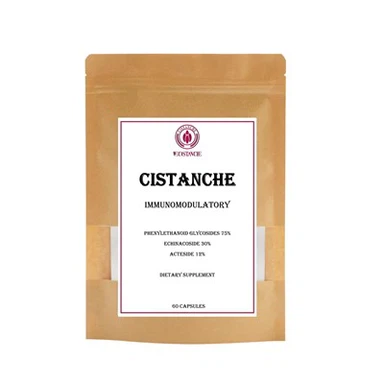
Alongside evidence‑based lifestyle prevention, modern pre‑clinical research shines a light on Cistanche tubulosa, a valued traditional Chinese medicinal herb nicknamed "desert ginseng", for its neuroprotective potential relevant to Parkinson's disease risk management. Traditional Chinese medicine utilises Cistanche tubulosa for holistic body nourishment. Today, laboratory and animal‑model studies explore its bioactive phenylethanoid glycosides (PhGs), mainly echinacoside and acteoside, delivering multi‑target neural support that underpins cistanche benefits for anti‑Parkinson's diseasePMC.
Preclinical research demonstrates multiple protective pathways relevant to dopaminergic neuron health: ‑ Antioxidative defence: Activates the Nrf2‑HO‑1 signalling pathway to neutralise excess reactive oxygen species, reduce mitochondrial damage and relieve oxidative stress that contributes to dopaminergic‑neuron death in the substantia nigra. ‑ Mitigate neuroinflammation: Suppresses over‑activated microglia and inflammatory signalling cascades, easing chronic neuroinflammation, a major driver of PD pathological advancement. ‑ Support survival of dopamine‑producing neurons: Boosts expression of neurotrophic factors including GDNF and BDNF, helping sustain the function of vulnerable dopaminergic nerve cells in pre‑clinical PD modelsPMC. ‑ Modulate abnormal protein aggregation: Restrains pathological α‑synuclein accumulation, one hallmark molecular change of Parkinson's diseasePubMed.
Important note: These favourable findings are mainly derived from cell‑culture and animal‑model preclinical trials; large‑scale human clinical trials are still limited.

Not all cistanche raw materials deliver equal bioactivity. Our factory specialises exclusively in Cistanche tubulosa extract, which contains markedly higher concentrations of key phenylethanoid glycoside active compounds compared with alternative cistanche species. Higher active‑ingredient levels create greater neuro‑supporting potential for finished dietary‑supplement formulations. For brand formulators sourcing premium botanical raw materials for brain‑health product lines, our standardised high‑potency Cistanche tubulosa extract supplies stable, well‑defined active‑substance content ideal for product development. You may visit our company profile page: https://www.xjcistanche.com/about‑us for further factory background and raw‑material specification information.
Disclaimer
This article serves purely for educational and wellness‑awareness purposes and is not medical advice. It cannot replace professional neurologist diagnosis, treatment or prescription guidance. Statements concerning Cistanche tubulosa extract have not been assessed by the FDA or other global medical regulatory authorities. This botanical raw material is not intended to diagnose, treat, cure or prevent any disease. Always consult a qualified healthcare practitioner before using any herbal supplement, especially for individuals suffering from neurological disorders or taking prescription medicines.