Parkinson's Disease Surgery Efficiency Of More Than 97%? Expert Response: Don't Misunderstand
Mar 04, 2022
Please contact oscar.xiao@wecistanche.com for more information
Is that possible to cure Parkinson's disease?
According to media reports, Mao Zhiqi, chief physician of the Department of Neurosurgery and Medicine at the General Hospital of the Chinese People's Liberation Army, introduced that with the application of new technologies, the efficiency of surgery for Parkinson's disease has reached more than 97%. When seeking confirmation from Mao Zhiqi on this matter, Science and Technology Daily reporter found that this news has triggered some blind optimism. The efficiency of surgery may also be less than 97%. "If you operate on 100 patients and 97 of them produce results, then the surgical efficiency is 97%." Mao Zhiqi explained.
Please click here to learn more
The surgery to treat Parkinson's disease is deep brain electrical stimulation (DBS surgery), in which electrodes (about 1.3 mm in diameter) are implanted in the nucleus accumbens (about the size of a soybean) of the thalamic nucleus in the patient's brain, then batteries are placed in the patient's chest and wires are buried under the skin to connect the electrodes. The battery, stimulated by a weak electric current, can control the abnormal discharge of the nucleus accumbens and make the patient's symptoms such as hand tremor and stiffness disappear. This minimally invasive surgery requires high precision and can be called "the dance of the needle".
In recent years, Mao Zhiqi, in cooperation with the Institute of Automation of the Chinese Academy of Sciences, has used a new human brain network group atlas proposed by the institute in DBS surgery to precisely locate the nucleus clusters in the patient's brain, and used 3D printed models for preoperative simulation to make the surgery more delicate and make the surgery more efficient than 97%.
Cistanche can prevent Parkinson's disease
However, Mao Zhiqi stressed that DBS surgery is also affected by doctors, technology, geography, and other factors, and there is no absolutely uniform data on the efficiency of surgery. "It cannot be ruled out that some DBS surgeries have an efficiency rate lower than 97 percent and some or much higher than 97 percent." Mao Zhiqi said, do not misunderstand that the efficiency rate of the surgery is definitely above 97%.
More importantly, DBS surgery is not for all Parkinson's disease patients. Mao Zhiqi introduced that DBS surgery is mainly applicable to primary Parkinson's disease, hereditary Parkinson's disease and some genotypic Parkinson's disease, and some patients with secondary Parkinson's disease are also applicable to DBS surgery.
In contrast, doctors do not recommend DBS surgery for patients with Parkinson's superposition syndrome. "Because the disease progresses more rapidly later in these patients, the surgical outcome may be poorer. Moreover, such patients may have apoptosis (death) of brain cells caused by other diseases of the nervous system, which subsequently trigger motor dysfunction. If the primary factors are not excluded, even if surgery is done, the effect will not be maintained for a long time, and some people are even ineffective after surgery." Mao Zhiqi explained.
Parkinson's disease cannot be cured
In addition, a surgical efficiency rate of 97 percent does not mean that Parkinson's disease patients are expected to be cured. "There is no cure for Parkinson's disease patients." Mao Zhiqi said surgery can only improve the patient's symptoms to the greatest extent.
Specifically, common symptoms in Parkinson's disease patients can be divided into motor symptoms and non-motor symptoms. The former includes stiffness, shaking and unstable gait; the latter includes sleep disturbance, numbness, loss of smell, constipation, and muscle pain.
"DBS surgery mainly improves motor symptoms, and some non-motor symptoms may improve with the improvement of motor symptoms. But, for patients with symptoms such as excessive sweating, anxiety and depression, the surgery is not very effective." Mao Zhiqi said that even if it is effective after the surgery, Parkinson's disease patients still need to take the right amount of medication for adjunctive treatment and need long-term management.

After the DBS surgery, there is also the problem of replacing the battery with the device. In general, the life span of a non-rechargeable deep brain electrical stimulator is about 5-8 years, and that of a rechargeable deep brain electrical stimulator is about 15-25 years, after which the battery needs to be replaced through minimally invasive surgery. Deep brain electrical stimulator is also divided into imported and domestic, domestic imported equipment is more expensive, light equipment costs maybe hundreds of thousands. This reporter found that Shanghai, Beijing, Shandong, and other places have included DBS surgery in the scope of medical insurance.
Small tips:
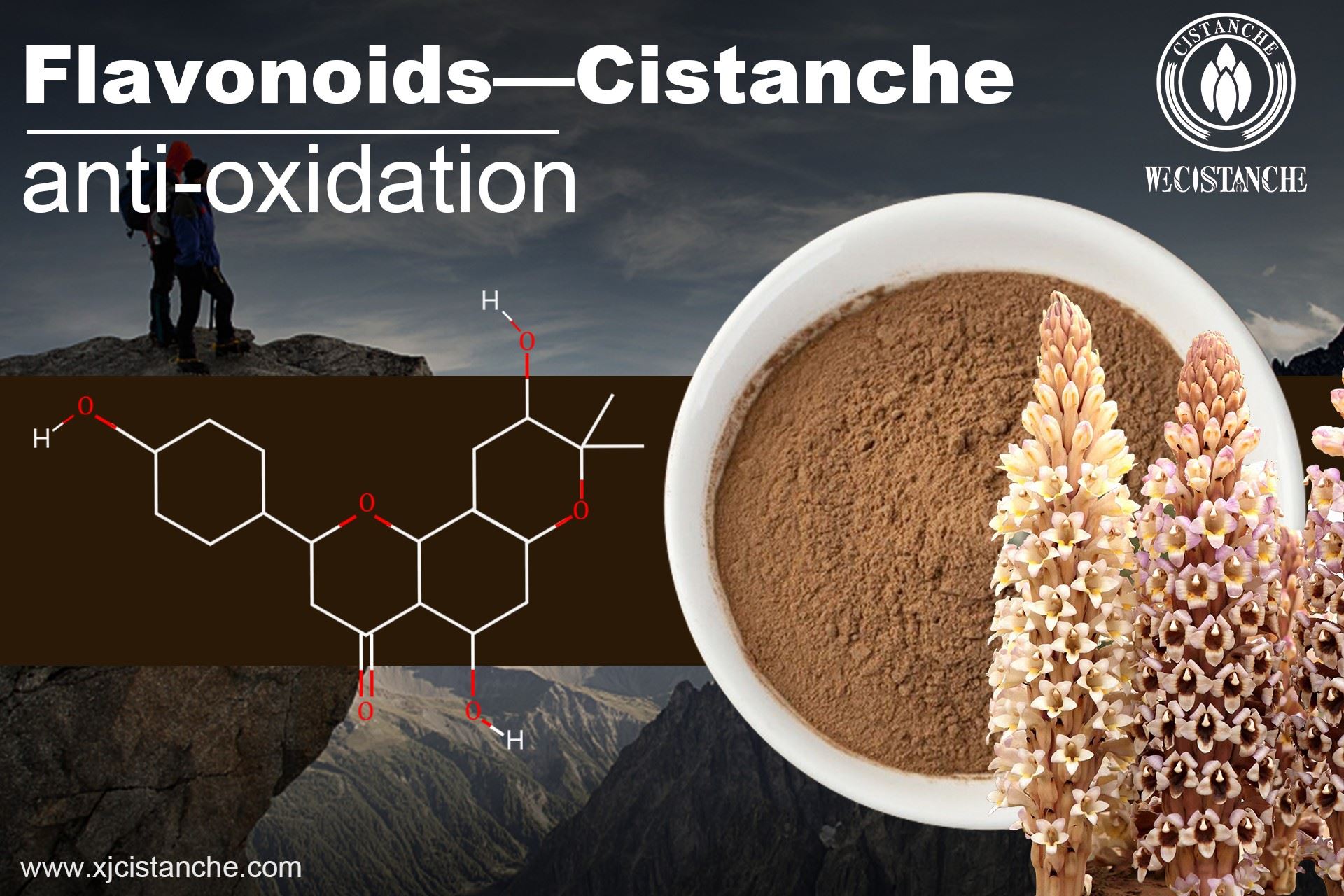
Cistanche can prevent Parkinson's disease because Phenylethanol glycoside compounds can reduce cell apoptosis. Echinacoside can reduce the levels of biliverdin and reductase B, and increase the content of dopamine and homovanillic acid.