Part 2:What is the role of BDNF in Experimental And Clinical Traumatic Brain Injury?
Mar 26, 2022
Contact: Audrey Hu Whatsapp/hp: 0086 13880143964 Email: audrey.hu@wecistanche.com
3.5.2. Diet
A total of 15 studies examined different dietary treatment effects on traumatic brain injury in animal models. This included treatment with Astaxanthin (a sea-food derivated hermal remedy with antioxidant effects) [77], blueberry [51], caloric restriction [94], celery oil extract [82], curcumin [53,61], ethanol [95], Immunocal (a cysteine rich protein supplement) [96], procyanide [65], resolvin [97], trelahose [98], Vitamin E [60] and nx3 fatty acid treatment [55,99], or nx3 fatty acid deficiency [54].
Chandrasekar et al. examined the effect of acute ethanol intoxication in conjunction with trauma and found that trauma increased BDNF mRNA in the hippocampi bilaterally at 1 and 3 h after trauma compared to sham and that the TBI-induced upregulation of BDNF was markedly decreased by ethanol pretreatment [95].
Ren et al. examined Resolvin, a docosahexaenoic (DHA) essential n-3 fatty acid derivate. The study examined BDNF protein expression in the hippocampus at 7 DPI and also found that TBI induced BDNF protein expression and that Resolvin D1 further increased BDNF expression and ameliorated the cognitive effects of TBI in fear conditioning and beam walking tests [97].
Agrawal et al. found that FPI reduced the BDNF protein expression in the frontal cortex at 7 DPI specifically in animals exposed to nx3 fatty acid deficiency, but that nx3 fatty acid pretreatment prevented this. They also showed that n-3 fatty acid-treated groups spent more time in the open arms of the elevated plus-maze, indicating decreased anxiety [99]. Ji et al. showed that treatment with Astaxanthin improved BDNF protein expression at 7 DPI in the ipsilateral cortex, as well as faster NSS recovery and improved performance in the rotarod test [77]. Krishna et al. found that blueberry supplementation increased BDNF protein expression in the ipsilateral hippocampus at 14 DPI, as well as improved performance in the Barnes maze, however, in the elevated plus-maze no significant change was seen in either trauma or treatment groups [51]. Wu et al. examined the ipsilateral hippocampus at 4 DPI and found that dietary curcumin improved BDNF protein expression after trauma as well as performance in the MWM [53]. Additionally, they later showed that dietary curcumin also improved BDNF protein expression at 8 DPI and improved outcome in the beam walk [61]. Ignowski et al. found that treatment with Immunocal increased BDNF protein expression in whole brain lysate at 3 DPI, and also improved outcomes in beam walk, rotarod, and Barnes maze tests [96]. Procyanidins were examined by Mao et al. who found that treatment increased BDNF protein expression at 14 DPI in the ipsilateral hippocampus and improved MWM performance [65]. Finally, Aiguo et al. found that Vitamin E treatment increased BDNF protein expression 1 week after trauma in the ipsilateral hippocampus and improved outcome as tested by the MWM [60]. In summary, several dietary treatments seem to impact BDNF expression and there is a correlation between increased BDNF expression and improved outcome.

Cistanche has a very good neuroprotective effect
3.5.3. Stem Cell Treatment
In the reviewed material, 9 studies examined stem cell treatments and their effect on BDNF expression after TBI. Mahmood et al. examined intravenous treatment with marrow stromal cells labeled with bromodeoxyuridine (BrdU). They found increased BrdU-positive cells in the perilesional regions, indicating the migration of marrow stromal cells (MSCs). Furthermore, they found that MSC treatment significantly increased BDNF at 8 DPI but not 2 or 5 DPI compared to vehicle. Finally, they found that the MSC-treated group had improved scores in mNSS and rotarod compared to control groups [100]. Mahmood et al. also examined long-term recovery (90 DPI) and different doses of intravenous bone marrow stromal stem cells (BMSCs) treatment. They found that higher doses of BMSCs (4 × 10⁶ and 8 × 10⁶) significantly increased BDNF-protein levels compared to low dose (2 × 10⁶) and vehicle. They also found that the high and intermediate doses (4 × 10⁶ and 8 × 10⁶) improved NSS compared to low and vehicle-treated groups. Finally, they found a dose-dependent increase in perilesional GFAP expression [101]. Feng et al. examined intravenous administration BMSCs and found that BMSC-treated animals had significantly increased the number of cells expressing sex-determining region Y (SRY) co-labeled with either neural nuclear antigen (NeuN) or glial fibrillary acidic protein (GFAP) in the ipsilateral cortex of rats compared with vehicle-treated animals, indicating that BMSCs migrated to the injured region and differentiated to neurons and astrocytes. Furthermore, they found that TBI alone had no effect on BDNF protein expression at 14 DPI the ipsilateral cortex, but that BMSC treatment significantly increased BDNF protein expression compared to both sham and trauma groups [81]. Deng et al. examined the interaction between BMSC treatment and stromal cell-derived factor-1 (SDF-1), which is a chemokine involved in the migration and survival of stem cells. Specifically, they examined posttraumatic microinjection of BMSCs cultured in solutions with and without SDF-1. They found that the number of BDNF-positive cells increased in the BMSC-treated group and further increased in the group treated with BMSC cultured with SDF-1. Furthermore, they found that the BMSC+SDF-1 group had a better outcome in NSS and MWM tests compared to both BMSC without SDF-1 and vehicle groups [102].
Kim et al. found that BDNF protein increased in the ipsilateral hemisphere at 2 DPI, but found no significant expression change at 8, 15, or 29 DPI in TBI groups compared to sham. They also found that intravenous treatment with human mesenchymal stem cells (hMSCs) further increased BDNF expression at day 2 but had no significant effect at the other dates post-injury. Although hMSC migration to the injured zone was confirmed by anti-human nuclei antibody staining at 2 DPI, the increase was transient and found to be decreased at 15 DPI. Additionally, there was only a small increase in NeuN or GFAP positive cells. Finally, they found that hMSCs improved outcomes in the rotarod and mNSS tests compared to the vehicle-treated TBI group [103]. Qi et al. examined umbilical cord mesenchymal stem cells (UC-MSCs) transplanted into the perilesional region and found that UC-MSCs increased BDNF protein expression at 2, 3, and 4 weeks, but not at 1 week, after injury compared to vehicle-treated TBI. Furthermore, they found that UC-MSC treated group had an increased number of GFAP- positive cells as well as improved scores in NSS compared to vehicles [104]. Wang et al. found that intraventricular UC-MSC transplantation significantly increased the number of BDNF-positive and GFAP-positive cells compared to the control group. Additionally, they found that the UC-MSC-treated group had lower scores in NSS compared to the control [105].
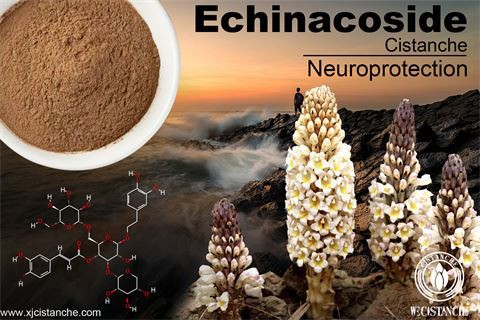
Neuroprotective effects of cistanche extract
Cheng et al. examined Wharton’s Jelly, which is an umbilical cord matrix including human umbilical cord mesenchymal stem cells. They found no significant change in BDNF protein expression in the ipsilateral cortex at 14 DPI in sham compared to trauma groups, but that both BDNF protein and mRNA were significantly higher in the TBI group that received Wharton’s Jelly transplantation into the perilesional region compared to vehicle-treated rats [72]. Xiong et al. found that trauma decreased BDNF protein expression in the ipsilateral cortex at 7 DPI. They examined neural stem cells (NSC) from neonatal hippocampi incubated for neurosphere formation, as well as neurospheres derived from BDNF knockdown mice. They found that transplantation of NSCs into the perilesional region reversed the reduction of BDNF protein levels and that BDNF knockdown neurospheres produced less BDNF and synaptophysin. In addition to this, they found that NSC-treated mice had decreased NSS compared to mice treated with the BDNF-KD NSCs as well as the vehicle-treated TBI group. The NSC-treated group also had improved performance in the rotarod test compared to the vehicle-treated TBI group. In conclusion, they found that NSCs transplantation increased BDNF expression and improved outcome in NSS and rotarod tests through BDNF-activation [79].
In summary, all the reviewed studies examining stem cell treatment found that several types of stem cells increased BDNF expression. Five out of nine studies did not include a sham group separate from vehicle or trauma. Regarding functional outcomes, the two studies examining umbilical cord stem cell transplantation together with the study examining Wharton’s Jelly transplantation found improved neurological severity scores in treatment groups compared to the vehicle [72,104,105]. The study examining Wharton’s Jelly also found that treated rats spent more time in the correct quadrant and had a shorter latency to find the platform in the MWM, as well as spent significantly more time exploring the novel object in the novel object recognition test. This indicates that Wharton’s Jelly transplantation improves spatial and object recognition memory after TBI in rats. The three studies examining marrow stromal treatment found improved NSS in treatment groups compared to vehicle groups, and two of them also found improved motor deficits in the rotarod test in marrow-derived stem cell treated groups compared to control [81,100,101]. Marrow stem cells also improved outcomes in both shorter escape latency times and a number of platform crossings compared to control in the MWM, indicating improved spatial memory [102]. In the study examining human mesenchymal stem cell transplantation, they found improved outcomes in NSS and rotarod tests in treated groups compared to control [103]. Finally, the study examining neural stem cells found that treated groups had improved NSS outcome as well as motor function in the rotarod test after trauma [79].

Cistanche anti-Parkinson's diseases
3.5.4. BDNF Pathway Treatment
The number of studies examining direct intervention of the BDNF pathway in TBI are few, and this review included four studies. Sen et al. found that TBI decreased BDNF protein expression in the ipsilateral cortex 21 days following the injury. Furthermore, they examined the Protein kinase-like endoplasmic reticulum kinase (PERK), a kinase in the endoplasmic reticulum activated by stress such as TBI, which mediates the downstream inhibition of translation. Previous studies have found that phosphorylation of PERK leads to increased activation of CREB and thus the downregulation of BDNF. They found that a PERK antagonist GSK2656157 increased BDNF expression and improved cognitive performance in the Morris Water Maze test. This indicates that the inhibition of this pathway increased BDNF protein expression which could contribute to the improved performance in the MWM [83]. Alders et al. and Yin et al. examined BDNF fused with a collagen-binding domain, and BDNF expression in the ipsilateral cortex at 28 days after injury and found that BDNF was most increased in the mice treated with BDNF fused with the collagen-binding domain, followed by animals treated with only BDNF followed by TBI. They found no significant difference in BDNF expression between sham animals and injured mice [57,86].
BDNF has a short half-life and low blood-brain barrier permeability, and one group used nanoparticles coated by surfactant, poloxamer 188 (PX), to increase BDNF concentration in target areas. They found that TBI increased BDNF protein expression in ipsilateral and contralateral hemispheres 4 h after injury. Furthermore, BDNF expression was in-creased ipsilaterally in animals treated with BDNF together with nanoparticles with and without PX compared to vehicle and BDNF without nanoparticle treatment groups. Contralaterally BDNF expression was only increased in the group treated with BDNF together with the combination of nanoparticles and PX. In the functional evaluations, they found a spontaneous improvement of NSS on days 1 to 6, with no difference between groups. However, on day 7 there was a significant improvement of NSS in the group treated with BDNF together with both nanoparticles and PX group compared to the other treatment groups. In the passive avoidance test, the sham group and group treated with BDNF together with both nanoparticle and PX outperformed the other groups which performed no better than the non-treated animals [106].
3.5.5. 7,8-DHF & EVT901
Recently, the synthetic flavonoid 7,8-dihydroxyflavone (7,8-DHF) was discovered following a screening for small molecules that could selectively activate the BDNF receptor TrkB. This means that 7,8-DHF may cause similar effects, as BDNF in the brain, and be more therapeutically useful due to its better absorption and ability to cross the blood-brain barrier. The 7,8-DHF has shown an ability to promote the growth of these dendrites into synapses to help restore communication between neurons in animal models of cognitive decline.
In an experimental TBI model administration of 7,8-DHF prior to injury reduced cell death of neurons in the hippocampus. Reduced cell necrosis and apoptosis could also be seen upon administration of (7,8-DHF) after simulated TBI in adult mice [107]. Recently 7,8-DHF treatment was combined with exercise post-injury in rats and showed to promote enhanced levels of cell metabolism, synaptic plasticity and increased brain circuit function [108].
Additionally, a selective antagonist of p75NTR, EVT901, was recently identified [109]. EVT901 inhibits p75NTR in vitro while increasing TrkA phosphorylation, blocks apoptosis, and increases neurite outgrowth in neuroblastoma cells. Furthermore, treatment with EVT901 in TBI exposed rats reduced neuronal death in the hippocampus and thalamus, reduced long-term cognitive deficits, and reduced the occurrence of post-traumatic seizure activity.
These two newly discovered drugs showed no harmful effect in animal models and, offer a promising opportunity for complementary pharmacological treatment of TBI.

cistanche extract
3.6. BDNF in Transgenic Animals
BDNF expression in transgenic animals after TBI is a novel field, and we have included a total of three studies. The results of these studies naturally vary from non-transgenic animals and because of this the results and methods of these studies have not been included in the previous graphs.
Giarratana et al. examined Val66Met-transgenic mice (Met+) and utilized a repeated mild TBI model using a lateral fluid percussion injury model. Giarratana et al. found that the total BDNF protein was decreased in Met+ injured animals in the ipsilateral cortex at 21 DPI, but that pro/mature-BDNF protein was increased in the ipsilateral hippocampus at 1 DPI compared to Met-. Furthermore, they found that Met+-animals had a larger volume of inflammation compared to Val66Val at 21 DPI and that Met+animals had increased activation of microglia in both hippocampal and cortical tissues at both 1 and 21 DPI. Met+ also have increased activation of Caspase-3+ cells (a marker for apoptosis) compared to Met- at 1 DPI, and have increased levels of FluorojadeC+ cells (a marker for neurodegeneration) compared to Met- at 1 and 21 DPI. Finally, they also found that Val66Met-injured animals had an increased number of phosphorylated tau+ cells (a marker for neurodegenerative pathology) compared to Met- at 1 and 21 DPI, and an increased number of GFAP+ cells in the ipsilateral cortex in Met+ compared to Met- at 21 DPI, but not 1 DPI, indicating increased astrocyte activation and risk of glial scarring [110].
Gao et al. utilized a cre/flox conditional knockout (KO) of BDNF which enables a site- specific knockout of BDNF in the granular neurons of the dentate gyrus of the hippocampus. In the flox/flox control animals, they found that TBI increased BDNF protein expression in the hippocampus. In the conditional KO animals, they found significantly decreased BDNF levels in the dentate gyrus in sham-treated animals, and that TBI increased the levels of BDNF protein in the dentate gyrus of KO mice to a lesser extent than the increase of flox/flox control animals. Furthermore, they found a significantly increased number of FJB+-cells in KO animals compared to injured flox/flox control animals, which indicates that the conditional knockout of BDNF leads to increased cell death in the dentate gyrus after trauma. Moreover, they showed that TBI injury significantly induces newborn neuron death 24 h following moderate TBI injury and that the BDNF conditional KO further increases newborn neuron death in the dentate gyrus [111].
Cheng et al. studied thrombospondin-1 (TSP-1) KO animals after controlled cortical injury. TSP-1 is an extracellular matrix protein secreted by astrocytes in the brain and has been linked to several cerebral pathologies. Chang et al. found that in wild-type (WT) animals, TSP-1 increased in the ipsilateral cortex at 6 h to 3 days, then returned to normal levels. Examining the relationship with BDNF expression, they found that TBI increased BDNF protein expression in both the contra- and ipsilateral cortex in WT at 21 days after trauma. However, in TSP-1 KO BDNF increased only in the ipsilateral cortex and not in the contralateral cortex. This might hint at a TSP-1 gene depletion-associated resistance of BDNF. Moreover, they found that measurement of synaptophysin (a marker for synapse quantification) showed no difference between KO and WT groups before TBI, but that TBI similarly significantly decreased synaptophysin in the contralateral cortex compared to sham and WT. There was no significant difference in synaptophysin expression in the ipsilateral cortex between groups. Furthermore, TBI increased extravasation in the ipsilateral hemisphere, which was significantly exasperated in TSP-1 KO mice compared to WT. In the functional tests, TSP-1 KO significantly worsened performance in NSS compared to WT post-TBI, indicating a worse motor-sensor response. Wire grip and corner test were not significantly different in KO and WT groups and returned to normal at 10 DPI. In the MWM, TSP-1 KO mice had increased latency to find the platform compared to WT, but no significant difference in entry times or target quadrant. TSP-1 KO might worsen spatial memory recovery after TBI [112].

Cistanche extract benefits: protect neurons and prevent cell apoptosis
Discussion
The reviewed material is very heterogenous regarding the examined brain regions, temporal analysis of BDNF-expression after injury, type of trauma model, and functional tests, as well as whether a sham group was presented or reported. There is an urgent need for the standardization of experimental design in order to provide more reproducible results and solid conclusions. Nevertheless, there is an overall pattern of transiently increased BDNF-mRNA expression in the first day after trauma in the ipsilateral hippocampus followed by an ipsilateral decrease and a contralateral increase. Similarly, in the ipsilateral cortex, BDNF-mRNA increased on the first day after trauma, followed by a tendency of decreased expression.
Regarding human studies, there is a similar need for standardization and larger cohorts. Generally, the studies are small, most have a study population <200 individuals, and a control group has not always been used. Outcome measures differ among the studies, especially when evaluating cognitive function. Additionally, the time point for follow-up varies between the studies, and access to prospective studies is scarce. The met/met prevalence in the Caucasian population is low and therefore most studies group met-heterozygote and homozygote together for analysis which begs the question if the functional effect is the same and whether the met+ result in a lower baseline of cognitive function but offer a protective quality of cognition post-TBI.
4.1. Human Induced Pluripotent Stem Cell-Models in TBI Research
As previously described, TBI is a heterogeneous and complex condition involving multiple CNS cell types. Cellular interactions and subcellular processes follow temporal and spatial patterns that vary between affected individuals, and between different injuries. Accordingly, experimental TBI is usually studied using in vivo models, typically rodents, recapitulating many of the aforementioned features. However, certain aspects of TBI, such as the contribution of cell-autonomous versus non-cell-autonomous factors may also be studied in vitro, allowing for more mechanistic studies of isolated processes. In addition, a disadvantage with the current in vivo models is possible differences between human and animal cells regarding gene and protein expression or response to pharmacological interventions. These differences may underly some of the difficulties in translating results from basic research to clinical applications.
4.2. Potential Advantages with iPSC-Models
In line with the literature, we propose that in vitro models using neuronal cell types differentiated from induced pluripotent stem cells (iPSCs) from human subjects could be used as a complementary model, e.g., for studying cell to cell interactions, diffuse axonal injury (DAI), neuroinflammation, and the screening of neuroprotective drugs [113–115]. Advantages using iPSC-based models include that no experimental animals are required; the impact of genetic variations can be studied at the cellular level; ability to study human neurons, which are not accessible in live patients; and that pharmacodynamic and pharmacokinetic properties of potential drugs can be determined in the target human cell types. Moreover, subpopulations of neurons and glial cells of interest can be studied individually or in co-cultures.
More advanced models include the use of brain organoids derived from iPSCs, which better resemble the three-dimensional environment in the brain and allow for more complex analyses [116,117], but entail challenges regarding data acquisition and analysis. Notably, these models may also recapitulate non-acute aspects of TBI, including aggregation of hyperphosphorylated tau and tar DNA-binding protein 43 (TDP43) [117], which has been linked to neurodegenerative processes such as chronic traumatic encephalopathy (CTE).
4.3. Studying the Impact of BDNF Val66met Polymorphism
We propose that studies of iPSC-derived neurons and glia from TBI patients with BDNF val66met polymorphisms could give clues about how this genetic variation influences, e.g., secretion and signaling of BDNF, synaptic plasticity and neuronal and glial response to injury. Moreover, such a model would be well-suited for pharmacodynamic and pharmacokinetic studies of the effects of the two potential neuroprotective compounds 7,8-DHF and EVT901.
However, since the val66met polymorphism has been linked to various neurodevelopmental and neurodegenerative disorders [118,119], we, therefore, propose that detection of TBI-associated phenotypes primarily requires the combination with an established in vitro model for TBI, such as scratch, blast, high intensity focused ultrasound, hypoxia or stretch injuries [113,117].
4.4. Considerations Regarding Translation to Humans
It should be considered that the monumental leap from patient to cells in a dish may result in subtle, artifactual, or clinically irrelevant phenotypes [113]. Therefore, when designing such a study, the hypothesis must be clearly defined and based on existing knowledge, rather than being a screening method for cellular phenotypes.
Moreover, it should be considered that single nucleotide polymorphisms (SNP) often result in subtle and multifactorial phenotypes, which may involve “multiple hits” in patients. Certain phenotypes associated with SNPs may therefore not manifest in vitro.
Since iPS cells derived from humans are genetically heterogenous, phenotypic differences between a patient line and a control line may be due to other factors than the ones intended to study. One approach to overcome this problem could be to use multiple control lines, but as a proof-of-concept, one would modify the genetic variation in the patient line of interest using targeted gene correction in order to create an isogenic control line.
In summary, iPSC-based TBI models could be useful in the studies of how genetic variations in the BDNF gene affects neuronal and glial function, and to evaluate new drug candidates, but should be used wisely in order to generate the clinically relevant result.
4.5. Treatment of TBI and Future Research
Regarding the treatment of traumatic brain injury, several of the studies showed promising results and there is evidence of a positive correlation between increased BDNF expression and improved functional outcome, at least in animal studies. This is made especially clear in the cases where the positive effects of the treatment were canceled by a BDNF antagonist, but unfortunately, this was not often utilized in the reviewed material.

cistanche extract benefit: prevent cerebrovascular diseases
Conclusion
Traumatic brain injury is a global health issue with potentially devastating life-long consequences for the individual patient. Both injury and rehabilitation are very complex, and more research is necessary in order to understand the pathological mechanisms and to provide novel treatment options for the primary injury. The treatment of the BDNF pathway could provide a novel treatment option in improving functional outcomes. Although treatment potential with the BDNF-molecule itself is limited because of the low permeability of the blood-brain barrier and a short half-life, an option could be TrkB-agonist treatment, such as 7, 8-dihydroxyflavone.
Author Contributions: D.G., A.K., S.T., and E.R., wrote the manuscript. D.G. created the figures. E.R. provided conceptualization, supervision, and revision. All authors have read and agreed to the published version of the manuscript.
Funding: Elham Rostami is a Wallenberg Clinical Fellow supported by SciLife, the Swedish Society for Medical Research.
Institutional Review Board Statement: Not applicable.
Informed Consent Statement: Not applicable.
Data Availability Statement: Not applicable.
Conflicts of Interest: The authors declare no conflict of interest.