PART Ⅱ:Dietary Modification Alters The Intrarenal Immunologic Micromilieu And Susceptibility To Lschemic Acute Kidney Injury
Mar 23, 2022
for more information:ali.ma@wecistanche.com
Junseok Jeon'f, Kyungho Leef, Kyeong Eun Yang, Jung Eun Lee, Ghee Young Kwon, Wooseong Huh & et al.
The versatility of the intrarenal immunologic micromilieu through dietary modification and the subsequent effects on susceptibility to ischemic acute kidney injury (AKl) are unclear. We investigated the effects of high-salt (HS) or high-fat (HF) diet on intrarenal immunologic micromilieu and development of ischemic AKI(lschemic Acute Kidney Injury) using murine ischemic AKI(lschemic Acute Kidney Injury) and human kidney-2(HK-2) cell hypoxia models. Four different diet regimens [control, HF, HS, and high-fat diet with high-salt (HF+HS)] were provided individually to groups of 9-week-old male C57BL/6 mice for 1 or 6 weeks. After a bilateral ischemia-reperfusion injury (BIRl) operation, mice were sacrificed on day 2 and renal injury was assessed with intrarenal leukocyte infiltration. Human kidney-2 cells were treated with NaCl or lipids. The HF diet increased body weight and total cholesterol, whereas the HF+HS did not. Although the HF or HS diet did not change total leukocyte infiltration at 6 weeks, the HF diet and HF+HS diet increased intrarenal CD8T cells. Plasma cells increased in the HF and HS diet groups. The expression of proinflammatory cytokines including TNF-α, IFN-y, MCP-1, and RANTES was increased by the HF or HS diet, and intrarenal VEGF decreased in the HS and HF+HS diet groups at 6 weeks. Deterioration of renal function following BIRI tended to be aggravated by the HF or HS diet. High NaCI concentration suppressed proliferation and enhanced expression of TLR-2 in hypoxic HK-2 cells. The HF or HS diet can enhance susceptibility to ischemic AKI(lschemic Acute Kidney Injury) by inducing proinflammatory changes to the intrarenal immunologic micromilieu.

Click to cistanche powder health benefits for kidney disease
CLICK HERE TO PART Ⅰ
DISCUSSION
In this study, we investigated the effects of an HF or HS diet on normal kidneys and the development of ischemic AKI(lschemic Acute Kidney Injury) focusing on the intrarenal immunologic micromilieu in murine ischemic AKI(lschemic Acute Kidney Injury) and HK-2 cell hypoxia models. A HF or HS diet increased intrarenal CD8T cells and plasma cells as well as changed intrarenal lymphocytes to more activated and mature phenotypes in normal kidneys. An HS diet increased intrarenal proinflammatory cytokines and decreased intrarenal anti-inflammatory cytokines. We also found variability in the intrarenal immunologic micromilieu by dietary modification in a diet switching experiment. However, effector memory CD8 T cells and TNF-α remained increased after returning to a normal diet. Therefore, an HF or HS diet seemed to induce a proinflammatory intrarenal immunologic micromilieu that was not completely reversible even after returning to a normal diet for at least 2 weeks. The deterioration of renal function following IRI was more prominent in the mice receiving a HS-based dietary modification before IRI. Dietary modification per se did not induce clinically apparent renal dysfunction. However, the proinflammatory changes in the intrarenal immunologic micromilieu caused by HF or HS diet seem to significantly increase the susceptibility to renal injury following ischemic insult.
Inflammation plays an important role in the pathogenic mechanisms of AKI and CKD(6,20-22). In addition to recruitment of circulating immune cells to kidneys, renal parenchymal cells and immune cells residing in the normal renal tissue comprise the intrarenal immunologic micromilieu(7,22). Previous studies have demonstrated that environmental factors, such as commensal microbes or dietary composition, affect the immune system (9,11,12,23).The effects of high levels of salt or fat on the intrarenal immune system have been studied in specific immune cells such as TH17 cells and regulatory T cells (24, 25), a salt-sensitive hypertensive model (11), and an HF diet-induced obesity model(12,26).However, these studies have focused on only a few cellular components of the immune system or disease-specific experimental models and have provided a limited view of the complex effects of dietary modification. We evaluated the effects of HF or HS diet on the overall changes to the immunologic micromilieu of the normal kidney and reversibility after returning to a normal diet. Considering that there is no preventive management or effective treatment for AKI and transition of AKI to CKD, our study investigating the effects of dietary modification on susceptibility to ischemic AKI(lschemic Acute Kidney Injury) is important clinically.

Our study showed that dietary modification increased CD8 T cells and switched intrarenal T cells into effector memory subtypes, some of which persisted even after a normal diet for 2 weeks. These changes were most prominent in the group fed an HF+HS diet. T cells, especially CD4T cells, play an important role in the early phase of ischemic AKI(lschemic Acute Kidney Injury) (23,27).On the other hand, CD8T cells did not appear to play a major role in the pathophysiology of AKI compared with CD4T cells (28).Although the role of CD8 T cell has not been fully determined, production of IFN-γ by CD8T cells increases in murine renal IRI and glomerulonephritis models, suggesting that CD8 T cells substantially contribute to the intrarenal inflammatory response in these diseases (29, 30).
During dietary modification, activated mature B cells increased at 2 weeks, and plasma cells increased at 6 weeks followed by decrement to level comparable with that of the control group after returning to a normal diet. These results suggest that an HF or HS diet can facilitate B cell activation and differentiation into plasma cells in normal kidneys. Furthermore, neutrophil and NK cells increased at 2 weeks after dietary modification and then decreased. As phenotype changes in T cells were observed mainly at 6 weeks, it can be hypothesized that HF and HS diets first activate the innate immune system and then activate the adaptive immune system. Previous studies have reported that B cells and plasma cells have pathogenic roles in post-ischemic kidneys(16,31).Increased levels of intrarenal plasma cells by HF or HS diet seemed to promote renal injury after IRI in our study.
HF or HS diet also induced overall changes in intrarenal cytokines and chemokines of normal kidneys to proinflammatory conditions. IRI is known to stimulate the synthesis of proinflammatory cytokines such as TNF-α,IFN-y, and IL-6(32, 33)and chemokines such as MCP-1(34,35).Our results suggest that HF or HS diet can switch the intrarenal immunological micromilieu to a proinflammatory direction and subsequently enhance renal injury in ischemic AKI(lschemic Acute Kidney Injury).

An HF or HS diet before IRI increased total CD45T cells and TLR2 and TLR4 expression following IRI and induced more severe renal dysfunction during the early injury phase of IRI. This suggests that HF or HS diet enhances the innate immune response and aggravate IRI. It is worth mentioning that the increases in TLR4 expression and plasma creatinine in the group fed HFHS diet were more remarkable compared with other groups, suggesting that HF and HS diets have additive effects on renal injury after IRI. In the HK-2 cell hypoxia model, HS treatment suppressed proliferation, but HS or high-lipid treatment did not show consistent effects on TLR expression. These differences of TLRexpression in the in vivo and in vitro models suggest that the effects of dietary modification on the intrarenal immunologic micromilieu are complex responses based on the interaction between hypoxic tubular epithelial cells and intrarenal immune cells. The expression of TLR-2 and TLR-4 on renal tubular epithelial cells is enhanced in ischemic AKI(lschemic Acute Kidney Injury) (8), and TLR-2 contributes to renal injury after IRI as an important initiator of inflammatory responses(36).Therefore, our results further support more severe renal damage in ischemic AKI(lschemic Acute Kidney Injury) due to changes in the intrarenal immunologic micromilieu induced by dietary modification containing HF or HS compared to normal diet.
Interestingly, changes in the HF or HS diet were not consistent and some changes were offset,although the precise mechanisms of the different changes between the HF diet and the HS diet are unclear. For example, despite comparable amounts of dietary intake in the HF diet,HF+HD diet,and the normal diet group, body weight gain was more prominent in the HF diet group compared to the normal diet group, whereas HF+HS diet did not show this effect. The weight gain effect of the high fat component in the HF+HS group seemed to be offset by the high salt component.HS diet was previously reported to have an additive effect on the obesity induced by HF diet (37).However, weight gain of HF diet-fed mice was attenuated by HS diet in recent studies, which is consistent with the results of our study (38-40). One study suggested impaired digestive efficiency in the HF+HS group due to changes in renin-angiotensin system activity by HS(39), but another study did not find a difference in digestive efficiency between HF diet and HF + HS diet (40). Difference in cholesterol levels between the HF group and the HF+HS group showed a similar pattern. In addition, both the HF and HS groups promote proinflammatory immunologic micromilieu, but their effects on individual inflammatory cell or cytokine were slightly different. Although the molecular mechanisms of HS and HF on the immunologic micromilieu are not fully elucidated, different mechanisms of HF and HS diet, such as altered renal lipid metabolism and increased expression of sterol regulatory element-binding proteins in HF diet(41)and increased activity of intrarenal renin-angiotensin system in HS diet (25), have been reported to contribute to enhanced intrarenal inflammation. Therefore, the different molecular mechanisms of HS and HF diet induce different complex changes in intrarenal immunologicmicromilieu. The HF diet and HS diet seem to have different effects on both physiologic changes and the intrarenal immunologic micromilieu.As shown in body weight changes in the HF+HS group,some immunologic effects including cellular and humoral components affectedby HF or HS diet alone seemed to be counterbalanced by the other in the HF+HSgroup. Further study including comprehensive analysis of the effects of HF or HS diet on gut microbiome is required to reveal more precise effects of HF or HS diet on intrarenal immunologic changes and the underlying mechanisms of the interaction between HF diet and HS diet.
In our study, longer dietary modification did not show a greater negative effect on plasma creatinine concentration or renal pathologic findings. These were unexpected results since some intrarenal inflammatory cells and the expression of proinflammatory cytokines and TLR2/TLR4 were further increased after 6 weeks compared to 2 weeks of dietary modification.Physiologic adaptation limiting the negative effects of dietary modification might be a main reason for these findings, similar to the aldosterone escape phenomenon occurring in hyperaldosteronism (42). In addition, the effect of dietary modification in normal kidney was not constant over time. Some intrarenal inflammatory cells, such as activated mature B cells, neutrophils, and NK cells, increased at 2 weeks but decreased thereafter, and regulatory T cells increased at 6 weeks. It can be hypothesized that complex immunologic adaptation occurs, and different immunologic processes seem to be activated over time. It is well-known that the intensity of immunologic response can be decreased under hypo-responsive adaptation by low-level repeated stimulation, such as"LPS tolerance"(43).Our study suggested that even short-term dietary modification can adversely affect the course of AKI. Further studies are required to reveal more precise mechanisms of time-dependent intrarenal immunologic changes by dietary modification.
There are some limitations to this study. First, the precise mechanisms of time-dependent changes in some intrarenal immune cell populations in the control group were not fully elucidated. These changes might be caused by renal senescence since we previously reported that an NK T cell population tended to increase with aging (17). Second, the amount of salt used in the HS diet group was exceptionally large compared to human HS diet. Although the effects of HS diet depending on quantity and duration might be different, our study adequately simulated the long-term effects of moderate salt intake in humans using previously reported HS diet in murine models(44). Third, there was some discrepancy in TLR expression between the in vivo model and in vitro model. Further studies are required to investigate the complex interaction between intrarenal immune cells and injured tubular cells in post-ischemic kidneys.
In conclusion, this study demonstrated that dietary modification including HF or HS diet altered intrarenal immunologic micromilieu to proinflammatory condition and induced more severe renal injury following IRI. Our data can be used as the basis for recommendations to avoid HF or HS diet before surgery or procedure in kidney donors or patients who are at risk of ischemic AKI(lschemic Acute Kidney Injury),such as heart failure patients.

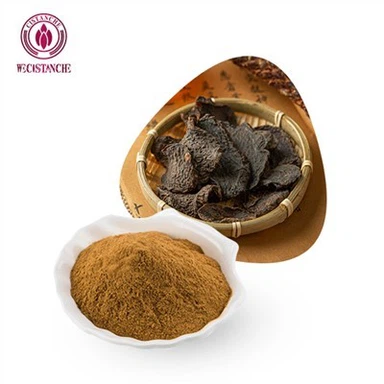
The traditional Chinese medicinal herb:cistanche
Note: The traditional Chinese medicinal herb cistanche (also known as the "dragon herb" and "desert ginseng"), grows only in the arid and warm deserts. As one of the nine immortal herbs, Cistanche (cistanche tubulosa/cistanche deserticola/desertliving cistanche/cistanche salsa)contents with rich effective ingredients such as echinacoside, acteoside, total phenylethanoid glycosides, flavonoids, polysaccharides, etc. these effective ingredients made cistanche a precious nourishing herb and food material for people's immunity, internal organs, and brain cells and neurons, etc. The modern pharmacological studies have confirmed the following effects of cistanche(benefits of cistanche): improve immunity; improve sexual function and kidney function; anti-fatigue; anti-aging; improve memory; anti-Parkinson's disease; anti-Alzheimer's disease; antioxidation; ease-constipation; anti-inflammatory; promote bone growth, whitening skin; protect liver; etc.
REFERENCES
1. Chawla LS, Eggers PW, Star RA,Kimmel PL. Acute kidney injury and chronic kidney disease as interconnected syndromes.N EnglJ Med.(2014)371:58-66.doi: 10.1056/NEJMral214243
2. Nash K,Hafeez A, Hou S.Hospital-acquired renal insufficiency. AmJ Kidney Dis. (2002)39:930-6.doi: 10.1053/ajkd.2002.32766
3. Ponticelli C. Ischaemia-reperfusion injury: a major protagonist in kidney transplantation.Nephrol DialTransplant. (2014)29:1134-40.doi: 10.1093/ndt/gft488
4. Jang HR, Ko GJ, Wasowska BA, Rabb H. The interaction between ischemia-reperfusion injury and immune responses in the kidney. J Mol Med(Berl). (2009)87:859-64. doi: 10.1007/s00109-009-0491-y
5. Sharfuddin AA, Molitoris BA. Pathophysiology of ischemic acute kidney injury.Nat Rev Nephrol.(2011)7:189-200.doi:10.1038/nrneph.2011.16
6. Jang HR, Rabb H.Immune cells in experimental acute kidney injury. Nat Rev Nephrol. (2015)11:88-101.doi: 10.1038/nrneph.2014.180
7. Kaissling B,Le Hir M. Characterization and distribution of interstitial cell types in the renal cortex of rats. Kidney Int.(1994) 45:709-20. doi: 10.1038/ki.1994.95
8. Wolfs TG,Buurman WA,Van Schadewijk A,De Vries B, Daemen MA, Hiemstra PS, et al. In vivo expression of Toll-like receptor 2 and 4 by renal epithelial cells: IFN-gamma and TNF-alpha mediated up-regulation during inflammation. J Immunol.(2002)168:1286-93.doi: 10.4049/jimmunol.168.3.1286
9. Christ A, Lauterbach M, Latz E. Western diet and the immune system: an inflammatory connection. Immunity.(2019) 51:794-811.doi: 10.1016/j.immuni.2019.09.020
10. Friedman AN. High-protein diets: potential effects on the kidney inrenal health and disease. A Am J Kidney Dis.(2004)
44:950-62.doi:10.1053/j.ajkd.2004.08.020
11. De Miguel C, Das S, Lund H, Mattson DL. T lymphocytes mediate hypertension and kidney damage in Dahl salt-sensitive rats. Am J Physiol Regul Integr Comp Physiol.(2010) 298:R1136-42.doi: 10.1152/ajpregu.00298.2009
12. Yamamoto T, Takabatake Y, Takahashi A, Kimura T, Namba T, Matsuda J, et al. High-fat diet-induced lysosomal dysfunction and impaired autophagic flux contribute to lipotoxicity in the kidney. J Am Soc Nephrol. (2017)28:1534-51.doi: 10.1681/asn.2016070731
13. Kalantar-Zadeh K, Fouque D. Nutritional management of chronic kidney disease.N Engl J Med.(2017)377:1765-76.doi:10.1056/NEJMral700312
14. Kilkenny C, Browne WJ, Cuthill IC, Emerson M, Altman DG. Improving bioscience research reporting:the ARRIVE guidelines for reporting animal research. Osteoarthritis Cartilage. (2012)20:256-60.doi: 10.1016/j.joca.2012.02.010
15. McGrath JC, Lilley E. Implementing guidelines on reporting research using animals (ARRIVE etc.): new requirements for publication in BJP.Br J Pharmacol.(2015)172:3189-93.doi: 10.1l11/bph.12955
16. Jang HR, Gandolfo MT, Ko GJ, Satpute SR, Racusen L, Rabb H. B cells limit repair after ischemic acute kidney injury.J Am Soc Nephrol. (2010)21:654-65.doi: 10.1681/asn.2009020182
17. Jang HR,Park JH,Kwon GY,ParkJB,Lee JE,Kim DJ, et al.Aging has small effects on initial ischemic acute kidney injury development despite changing intrarenal immunologic micromilieu in mice. Am J Physiol Renal Physiol. (2016)310:F272-83.doi: 10.1152/ajprenal.00217.2015
18. Jang HR,ParkJH,Kwon GY,Lee JE,Huh W, Jin HJ, et al.Effect of preemptive treatment with human umbilical cord blood-derived mesenchymal stem cells on the development of renal ischemia-reperfusion injury in mice.AmJ Physiol Renal Physiol.(2014)307:F1149-61.doi:10.1152/ajprenal.00555.2013
19. Ascon DB, Lopez-Briones S, Liu M, Ascon M, Savransky V, Colvin RB, et al. Phenotypic and functional characterization of kidney-infiltrating lymphocytes in renal ischemia reperfusion injury.J Immumnol.(2006)177:3380-7.doi:10.4049/jimmunol.177.5.3380
20. Rabb H, Griffin MD, McKay DB, Swaminathan S, Pickkers P, Rosner MH, et al. Inflammation in AKI: current understanding, key questions, and knowledge gaps.J Am Soc Nephrol.(2016)27:371-9.doi:10.1681/asn.20150 30261
21. Ruiz-Ortega M,Rayego-Mateos S, Lamas S, Ortiz A, Rodrigues-Diez RR. Targeting the progression of chronic kidney disease. Nat Rev Nephrol.(2020)16:269-88.doi: 10.1038/s41581-019-0248-y
22. Sato Y, Yanagita M. Immune cells and inflammation in AKI to CKD progression. Am J Physiol Renal Physiol.(2018)315:F1501-12.doi: 10.1152/ajprenal.00195.2018
23. Jang HR, Gandolfo MT, Ko GJ, Satpute S,Racusen L, Rabb H.Earlyexposure to germs modifies kidney damage and inflammation after experimental ischemia-reperfusion injury.AmJ Physiol Renal Physiol.(2009)297:F1457-65.doi:10.1152/ajprenal.90769.2008
24. Hernandez AL,Kitz A,Wu C, Lowther DE,Rodriguez DM,Vudattu N, et al. Sodium chloride inhibits the suppressive function of FOXP3+regulatory T cells.J Clin Invest.(2015) 125:4212-22. doi:10.1172/jci 81151
25. Mehrotra P, PatelJB,Ivancic CM, Collett JA,Basile DP.Th-17 cell activation in response to high salt following acute kidney injury is associated with progressive fibrosis and attenuated by AT-1R antagonism. Kidney Int.(2015)88:776-84.doi: 10.1038/ki.2015.200
26. Laurentius T, Raffetseder U, Fellner C, Kob R, Nourbakhsh M,Floege J, et al. High-fat diet-induced obesity causes an inflammatory microenvironment in the kidneys of aging Long-Evans rats.厂 Inflamm (Lond).(2019)16:14.doi: 10.1186/s12950-019-0219-x
27. Wu C, Yosef N, Thalhamer T,Zhu C,Xiao S, Kishi Y, et al. Induction of pathogenic TH17 cells by inducible salt-sensing kinase SGK1.Nature. (2013)496:513-7.doi: 10.1038/naturel1984
28. Burne MJ, Daniels F, El Ghandour A, Mauiyyedi S, Colvin RB, O'donnell MP, et al. Identification of the CD4(+)T cell as a major pathogenic factor in ischemic acute renal failure.J Clin Invest.(2001)108:1283-90.doi: 10.1172/jci12080
29. Ascon DB, Ascon M, Satpute S,Lopez-Briones S, Racusen L, Colvin RB, et al. Normal mouse kidneys contain activated and CD3+CD4- CD8-double-negative T lymphocytes with a distinct TCR repertoire. 厂 Leukoc Biol.(2008)84:1400-9.doi: 10.1189/jlb.0907651
30. Tsumiyama K, Hashiramoto A, Takimoto M, Tsuji-Kawahara S, Mivazawa M, Shiozawa S. IFN-γ-producing effector CD8T lymphocytes cause immune glomerular injury by recognizing antigen presented as immune complex on target tissue. J Immunol.(2013)191:91-6.doi:10.4049/jimmunol.1203217
31. Burne-Taney MJ,Ascon DB,Daniels F, Racusen L, Baldwin W,Rabb H.B cell deficiency confers protection from renal ischemia reperfusion injury. J Immunol. (2003)171:3210-5.doi: 10.4049/jimmunol.171.6.3210
32. Donnahoo KK, Meng X,Ayala A, Cain MP Harken AH, Meldrum DR. Early kidney TNF-alpha expression mediates neutrophil infiltration and injury after renal ischemia-reperfusion.Am J Physiol.(1999)277:R922-9.doi: 10.1152/ajpregu.1999.277.3.R922
33. Takada M, Nadeau KC, Shaw GD, Marquette KA, Tilney NL. The cytokine-adhesion molecule cascade in ischemia/reperfusion injury of the rat kidney. Inhibition by a soluble P-selectin ligand.J Clin Invest.(1997)99:2682-90.doi:10.1172/jcil19457
34. Furuichi K,Wada T,Iwata Y, Kitagawa K, Kobayashi K,Hashimoto H,et al. CCR2 signaling contributes to ischemia-reperfusion injury in kidney. J Am Soc Nephrol.(2003)14:2503-15.doi: 10.1097/01.asn.000089563.63641.a8
35. Yu TM, Palanisamy K, Sun KT, Day YJ, Shu KH,Wang IK,et al.RANTES mediates kidney ischemia reperfusion injury through a possible role of HIF-1αand LncRNA PRINS.Sci Rep.(2016)6:18424.doi:10.1038/srep18424