Part One A Lifestyle Intervention To Delay Early Chronic Kidney Disease in African Americans With Diabetic Kidney Disease: Pre-Post Pilot Study
Jun 02, 2023
Abstract
1. Background
Behavioral factors, such as lifestyle, have been shown to explain approximately 24% of the excess risk of chronic kidney disease (CKD) among African Americans. However, there are limited intervention studies culturally tailored to African Americans with type 2 diabetes mellitus and CKD.
2. Objective
The main objective of this study was to examine the feasibility and preliminary efficacy of a culturally tailored lifestyle intervention among African Americans with type 2 diabetes mellitus and CKD.
3. Methods
A pre-post design was used to test the feasibility of a lifestyle intervention in 30 African American adults recruited from the Medical University of South Carolina between January 2017 and February 2017. A research nurse delivered the manualized study intervention weekly for 6 weeks. Clinical outcomes (hemoglobin A1c, blood pressure, and estimated glomerular filtration rate [eGFR]) were measured at baseline and post-intervention. Disease knowledge, self-care, and behavioral outcomes were also measured using validated structured questionnaires at baseline and post-intervention. Descriptive statistics and effect sizes were calculated to determine clinically important changes from baseline.
4. Results
Significant pre-post mean differences and decreases were observed for hemoglobin A1c (mean 0.75%, 95% CI 0.16-1.34; P=.01), total cholesterol (mean 16.38 mg/dL, 95% CI 5.82-26.94; P=.004), low-density lipoprotein (mean 13.73 mg/dL, 95% CI 3.91-23.54; P=.008), and eGFR (mean 6.73 mL/min/1.73m2, 95% CI 0.97-12.48; P=.02). Significant pre-post mean differences and increases were observed for CKD self-efficacy (mean −11.15, 95% CI −21.55 to −0.75; P=.03), CKD knowledge (mean −2.62, 95% CI −3.98 to −1.25; P<.001), exercise behavior (mean −1.21, 95% CI −1.96 to −0.46; P=.003), and blood sugar testing (mean −2.15, 95% CI −3.47 to −0.83; P=.003).
5. Conclusions
This study provides preliminary data for a large-scale appropriately powered randomized controlled trial to examine a culturally tailored lifestyle intervention in African Americans with type 2 diabetes mellitus and CKD to improve clinical, knowledge, self-care, and behavior outcomes in this population.
Keywords
type 2 diabetes mellitus; chronic kidney insufficiency; healthy lifestyle; outcomes research; African Americans; quasiexperimental study.

Click here to buy Cistanche supplements
Introduction
Chronic kidney disease (CKD), categorized as stages 1 to 5 based on the estimated glomerular filtration rate (eGFR), is a major complication of diabetes and is commonly referred to as diabetic kidney disease (DKD) [1]. DKD is marked by the persistent presence of albuminuria (albumin excretion rate ≥30 mg/24 hours; urine albumin to creatinine ratio [UACR] ≥30 mg/g) or a decreased eGFR (<60 mL/min/1.73m2 ). Approximately 31% of individuals with diabetes have DKD [2]. DKD is associated with significant morbidity, cost, a 4- to 5-fold risk of end-stage renal disease, and an increased risk of death [3-6]. African Americans are disproportionately affected by diabetes and DKD compared with non-Hispanic Whites [7]. Further, African Americans are 3 to 4 times more likely to have end-stage renal disease compared with non-Hispanic Whites [4]. The reason for the accelerated progression of kidney disease among African Americans is not completely understood. However, behavioral factors, such as lifestyle, have been shown to explain approximately 24% of the excess risk of CKD among African Americans [8].
Lifestyle modification comprising one or more aspects, including physical activity, diet change, smoking cessation, exercise, skills training, counseling, and stress management, is an essential component of diabetes and CKD management [9-11]. Evidence of the impact of lifestyle interventions on DKD outcomes is limited and conflicting [12,13]. The largest prospective study to date, the Look AHEAD (Action for Health in Diabetes) study, randomly assigned overweight or obese patients with type 2 diabetes to an intensive lifestyle intervention to achieve weight loss compared with a diabetes support and education condition [14,15]. While the intervention was ineffective in reducing cardiovascular events (primary outcome), a posthoc analysis of this study showed that the intensive lifestyle intervention reduced the incidence of very high–risk CKD [15].
The majority of lifestyle intervention studies in patients with
DKD are limited by their study design, limited generalizability,
small sample size, low proportion of African Americans, or
lack of appropriate predefined renal endpoints [12,13,15,16].
In addition, there is a lack of interventions culturally tailored
to African Americans, even though evidence suggests that
African Americans have a limited understanding of CKD and
CKD risk factors [17,18], and lag in hemoglobin A1c
(HbA1c) control, blood pressure control, and use of statins and
glucose-lowering medications [19]. Hence, the main objective
of this pilot study was to examine the feasibility and preliminary
efficacy of a culturally tailored DKD-focused lifestyle
intervention on (1) clinical outcomes, (2) disease knowledge,
and (3) self-care and behavior outcomes among African
Americans with type 2 diabetes and CKD. The study
hypothesized that individuals who receive the study intervention
will have improved clinical outcomes, disease knowledge, and
self-care and behavior outcomes after the intervention.

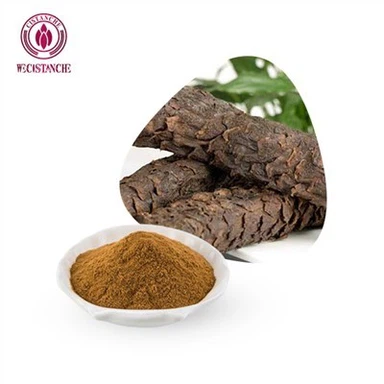
Herba Cistanche and Cistanche extract
Methods
1. Ethics Board Review
This study was approved by the Institutional Review Board of the Medical University of South Carolina (Pro#00051414; Institutional Review Board approval date: November 9, 2016).
2. Study Design
A pre-post design was used to test the feasibility of a lifestyle intervention with baseline (preintervention) and 2-month (postintervention) assessments. The study participants were non-Hispanic Blacks with type 2 diabetes and CKD, with an eGFR >59 mL/min/1.73m2 and a spot UACR of 30-300 mg/g.
3. Participants and Setting
Participants were recruited from clinics affiliated with the Medical University of South Carolina between January 2017 and February 2017. Non-Hispanic Black participants were identified and recruited using clinic billing records for ICD-10 (International Classification of Diseases, 10th revision) codes consistent with the diagnosis of type 2 diabetes and cystatin C eGFR >59 mL/min/1.73m2, and through a referral from physicians and clinic staff. Institutional Review Board–approved study flyers were posted in the clinics, and letters of invitation signed by the clinic director were mailed to patients.
4. Screening for Eligibility and Enrollment
Individuals who were aged 21 years or older, self-identified as African American, had a clinical diagnosis of type 2 diabetes and early CKD (stage 1 and 2), were able to communicate in English, and had a telephone (landline or cell phone) were eligible to participate in the study. Individuals who had cognitive impairment, alcohol or drug abuse, acute decompensation of chronic disease conditions, CKD of stage 3 or higher, malignancy, life expectancy of fewer than 6 months, and other known disease conditions causing proteinuria were excluded from the study. Transplant recipients, individuals participating in another diabetes or CKD trial, and those who did not have telephone access were not eligible for the study.
A total of 30 participants who met the inclusion criteria were enrolled by a research assistant. Eligible participants received up to US $150 in compensation for completing all the study assessments (screening, baseline, and 2-month study assessment).
5. Description of the Intervention
The study intervention was adapted from a culturally tailored study, Technology-Intensified Diabetes Education and Skills Training Intervention (TIDES) [20], and was tailored to focus on DKD. The study intervention was based on the Information-Motivation-Behavioral Skills model and provides information, motivation, and behavioral skills training (using motivational enhancement techniques) [21]. Patients were assigned the FORA 2-in-1 Telehealth System at the beginning of the study and provided glucose test strips to allow testing at least once a day.
All intervention sessions were telephone-delivered weekly by a research nurse for 6 weeks. Intervention sessions lasted 30 minutes, and the research nurse was trained in behavioral skills counseling and the study intervention content. The study educational materials were developed based on the National Kidney Disease Education Program [22] and written in lay language for African Americans with DKD. The description of weekly content is provided in Multimedia Appendix 1. All education sessions were audiotaped, and 20% were randomly selected and reviewed by the principal investigator to ensure the research nurse delivered the intervention appropriately. All study participants received behavioral skills training focused on 3 lifestyle behaviors (physical activity, diet, and medication adherence). Target lifestyle behavior goals were set in collaboration with the patients and were guided by current problem areas and preferences.

Cistanche tubulosa
Study Measures and Data Collection Schedule
Participant information was collected using validated questionnaires administered at 2-time points: at baseline and 2 months postintervention (see Multimedia Appendix 2). Study data were obtained by a trained research assistant.
1. Feasibility Measures
Feasibility measures were recruitment, session attendance rate,
and dropout proportion.
2. Outcome Measures
BMI was calculated using weight in kg and height in m
2. Blood
pressure readings were obtained using automated blood pressure
monitors at baseline and 2 months. The device was programmed
to take 3 readings at 2-minute intervals, and the readings were
averaged. UACR was measured at baseline and 2-month visits
using spot urine. Blood samples were assayed for HbA1c,
cholesterol, and eGFR at baseline and 2 months by a trained
nurse. The Patient Health Questionnaire-9 (PHQ-9), a brief
questionnaire that scores each of the 9 DSM-IV (Diagnostic
and Statistical Manual of Mental Disorders, fourth edition)
criteria, was used to assess depression [23]. See Multimedia
Appendix 2 for details on outcome and process measures.
Process and Behavioral Measures
1. CKD Self-efficacy Scale
This involved a 25-item instrument that measures disease-related self-efficacy in the following 4 core areas: (1) autonomy, (2) self-regulation, (3) problem-solving, and (4) seeking social support [24]. The Cronbach alpha coefficient for the total scale was .94, and the value for each of the 4 subscales ranged from .84 to .90 [24].
2. CKD Knowledge Questionnaire
This involved a 28-item Kidney Knowledge survey, which has good internal consistency and high reliability (coefficient of 0.72) [25].
3. Diabetes Knowledge Questionnaire
This involved the 24-item Diabetes Knowledge Questionnaire, which has a reliability coefficient of 0.78 [26].
4. Health Literacy
This was measured using the 3-item Chew health literacy scale, which assesses the capacity to obtain, process, and understand basic health-related decisions [27]. The 3 questions are effective in detecting inadequate health literacy (areas under the receiver operating characteristic curve of 0.87, 0.80, and 0.76, respectively) [27].
5. Behavioral Skills
This was assessed with the Summary of Diabetes Self-Care Activities (SDSCA) scale [28]. It is a brief, validated, self-report questionnaire of diabetes self-management that includes items assessing diet, exercise, medication adherence, and self-blood glucose testing. The average interitem correlations within scales were high, test-retest correlations were moderate, and correlations with other measures of diet and exercise generally supported the validity of the subscales.

Cistanche powder
Statistical Analyses
Important measures of feasibility analysis included recruitment,
session attendance rate, and dropout proportion. We used 95%
CIs for proportions to estimate (1) the proportion of participants
who agreed to participate among those who were initially
approached, (2) the proportion who were compliant with the
treatment intervention, and (3) the proportion who dropped out.
In addition, frequency distributions describing the participants’
reasons for noncompliance and discontinuation of study
participants will be provided.
For quantitative analysis, univariate descriptive statistics and frequency distributions were calculated for the total sample. Pre-post mean differences were tested using paired t-tests. Effect size, a measure of treatment effect, was used to interpret the effects of the intervention. An effect size of 0.2 was considered small, 0.5 was moderate, and 0.8 was considered large. In addition to effect sizes, which demonstrated clinical relevance, a statistically significant difference was noted for the primary measurement. All statistical analyses were performed using Stata software (StataCorp).
References
1. Tuttle KR, Bakris GL, Bilous RW, Chiang JL, de Boer IH, Goldstein-Fuchs J, et al. Diabetic Kidney Disease: A Report From an ADA Consensus Conference. American Journal of Kidney Diseases 2014 Oct;64(4):510-533 [FREE Full text]
2. Bikbov B, Purcell C, Levey A, Smith M, Abdoli A, Abebe M, et al. Global, regional, and national burden of chronic kidney disease, 1990–2017: a systematic analysis for the Global Burden of Disease Study 2017. The Lancet 2020 Feb 29;395(10225):709-733 [FREE Full text]
3. American Diabetes Association. 11. Microvascular Complications and Foot Care: Standards of Medical Care in Diabetes-2020. Diabetes Care 2020 Jan;43(Suppl 1): S135-S151.
4. Saran R, Robinson B, Abbott KC, Agodoa LYC, Bragg-Gresham J, Balkrishnan R, et al. US Renal Data System 2018 Annual Data Report: Epidemiology of Kidney Disease in the United States. Am J Kidney Dis 2019 Mar;73(3 Suppl 1):A7-A8 [FREE Full text]
5. Carrero JJ, Grams ME, Sang Y, Ärnlöv J, Gasparini A, Matsushita K, et al. Albuminuria changes are associated with subsequent risk of end-stage renal disease and mortality. Kidney Int 2017 Jan;91(1):244-251 [FREE Full text]
6. Bowe B, Xie Y, Li T, Mokdad AH, Xian H, Yan Y, et al. Changes in the US Burden of Chronic Kidney Disease From 2002 to 2016: An Analysis of the Global Burden of Disease Study. JAMA Netw Open 2018 Nov 02;1(7):e184412 [FREE Full text]
7. National Diabetes Statistics Report 2020. Centers for Disease Control and Prevention. URL: https://www.cdc.gov/diabetes/ pdfs/data/statistics/national-diabetes-statistics-report.pdf [accessed 2022-03-05]
8. Tarver-Carr ME, Powe NR, Eberhardt MS, LaVeist TA, Kington RS, Coresh J, et al. Excess risk of chronic kidney disease among African-American versus white subjects in the United States: a population-based study of potential explanatory factors. J Am Soc Nephrol 2002 Sep;13(9):2363-2370 [FREE Full text] [doi: 10.1097/01.asn.0000026493.18542.6a] [Medline: 12191981]
9. Davies MJ, D'Alessio DA, Fradkin J, Kernan WN, Mathieu C, Mingrone G, et al. Management of hyperglycemia in type 2 diabetes, 2018. A consensus report by the American Diabetes Association (ADA) and the European Association for the Study of Diabetes (EASD). Diabetologia 2018 Dec;61(12):2461-2498. [doi: 10.1007/s00125-018-4729-5] [Medline: 30288571]
10. Perkovic V, Agarwal R, Fioretto P, Hemmelgarn BR, Levin A, Thomas MC, Conference Participants. Management of patients with diabetes and CKD: conclusions from a "Kidney Disease: Improving Global Outcomes" (KDIGO) Controversies Conference. Kidney Int 2016 Dec;90(6):1175-1183 [FREE Full text] [doi: 10.1016/j.kint.2016.09.010] [Medline: 27884312]
11. KDIGO 2012 Clinical Practice Guideline for Evaluating and Managing Chronic Kidney Disease. Kidney Int Suppl. 2013. URL: https://kdigo.org/wp-content/uploads/2017/02/KDIGO_2012_CKD_GL.pdf [accessed 2022-03-05]
12. Evangelidis N, Craig J, Bauman A, Manera K, Saglimbene V, Tong A. Lifestyle behavior change for preventing the progression of chronic kidney disease: a systematic review. BMJ Open 2019 Oct 28;9(10):e031625 [FREE Full text] [doi: 10.1136/bmjopen-2019-031625] [Medline: 31662393]
13. Van Huffel L, Tomson CRV, Ruige J, Nistor I, Van Biesen W, Bolignano D. Dietary restriction and exercise for diabetic patients with chronic kidney disease: a systematic review. PLoS One 2014;9(11):e113667 [FREE Full text] [doi: 10.1371/journal.pone.0113667] [Medline: 25423489]
14. Look AHEAD Research Group, Pi-Sunyer X, Blackburn G, Brancati FL, Bray GA, Bright R, et al. Reduction in weight and cardiovascular disease risk factors in individuals with type 2 diabetes: one-year results of the look AHEAD trial. Diabetes Care 2007 Jun;30(6):1374-1383 [FREE Full text] [doi: 10.2337/dc07-0048] [Medline: 17363746]
15. Look AHEAD Research Group. Effect of a long-term behavioral weight loss intervention on nephropathy in overweight or obese adults with type 2 diabetes: a secondary analysis of the Look AHEAD randomized clinical trial. The Lancet Diabetes & Endocrinology 2014 Oct;2(10):801-809 [FREE Full text] [doi: 10.1016/S2213-8587(14)70156-1] [Medline: 25127483]
16. Ricardo AC, Anderson CA, Yang W, Zhang X, Fischer MJ, Dember LM, CRIC Study Investigators. Healthy lifestyle and risk of kidney disease progression, atherosclerotic events, and death in CKD: findings from the Chronic Renal Insufficiency Cohort (CRIC) Study. Am J Kidney Dis 2015 Mar;65(3):412-424 [FREE Full text] [doi: 10.1053/j.ajkd.2014.09.016] [Medline: 25458663]
17. Waterman AD, Browne T, Waterman BM, Gladstone EH, Hostetter T. Attitudes and behaviors of African Americans regarding early detection of kidney disease. Am J Kidney Dis 2008 Apr;51(4):554-562 [FREE Full text] [doi: 10.1053/j.ajkd.2007.12.020] [Medline: 18371531]
18. Umeukeje EM, Wild MG, Maripuri S, Davidson T, Rutherford M, Abdel-Kader K, et al. Black Americans' Perspectives of Barriers and Facilitators of Community Screening for Kidney Disease. Clin J Am Soc Nephrol 2018 Apr 06;13(4):551-559 [FREE Full text] [doi: 10.2215/CJN.07580717] [Medline: 29545381]
19. Afkarian M, Zelnick LR, Hall YN, Heagerty PJ, Tuttle K, Weiss NS, et al. Clinical Manifestations of Kidney Disease Among US Adults With Diabetes, 1988-2014. JAMA 2016 Aug 09;316(6):602-610 [FREE Full text] [doi: 10.1001/JAMA.2016.10924] [Medline: 27532915]
20. Williams JS, Lynch CP, Knapp RG, Egede LE. Technology-Intensified Diabetes Education Study (TIDES) in African Americans with type 2 diabetes: study protocol for a randomized controlled trial. Trials 2014 Nov 25;15:460 [FREE Full text] [doi: 10.1186/1745-6215-15-460] [Medline: 25425504]
21. Fisher JD, Fisher WA. The Information-Motivation-Behavioral Skills Model. In: DiClemente RJ, Crosby R, Kegler MC, editors. Emerging Theories in Health Promotion Practice and Research: Strategies for Improving Public Health. Indianapolis, IN: Jossey-Bass, Inc; 2002.
22. National Kidney Disease Education Program. National Institutes of Health. URL: https://www.niddk.nih.gov/ health-information/community-health-outreach/information-clearinghouses/keep?dkrd=hispt1324 [accessed 2022-03-05]
23. Kroenke K, Spitzer RL, Williams JB. The PHQ-9: validity of a brief depression severity measure. J Gen Intern Med 2001 Sep;16(9):606-613 [FREE Full text] [doi: 10.1046/j.1525-1497.2001.016009606.x] [Medline: 11556941]
24. Lin C, Wu C, Anderson RM, Chang C, Chang S, Hwang S, et al. The chronic kidney disease self-efficacy (CKD-SE) instrument: development and psychometric evaluation. Nephrol Dial Transplant 2012 Oct;27(10):3828-3834 [FREE Full text] [doi: 10.1093/ndt/gfr788] [Medline: 22344776]
25. Wright JA, Wallston KA, Elasy TA, Ikizler TA, Cavanaugh KL. Development and results of a kidney disease knowledge survey given to patients with CKD. Am J Kidney Dis 2011 Mar;57(3):387-395 [FREE Full text] [doi: 10.1053/j.ajkd.2010.09.018] [Medline: 21168943]
26. Garcia AA, Villagomez ET, Brown SA, Kouzekanani K, Hanis CL. The Starr County Diabetes Education Study: development of the Spanish-language diabetes knowledge questionnaire. Diabetes Care 2001 Jan;24(1):16-21. [doi: 10.2337/diacare.24.1.16] [Medline: 11194219]
27. Chew LD, Bradley KA, Boyko EJ. Brief questions to identify patients with inadequate health literacy. Fam Med 2004 Sep;36(8):588-594 [FREE Full text] [Medline: 15343421]
28. Toobert DJ, Hampson SE, Glasgow RE. The summary of diabetes self-care activities measures results from 7 studies and a revised scale. Diabetes Care 2000 Jul;23(7):943-950. [doi: 10.2337/diacare.23.7.943] [Medline: 10895844]
Mukoso N Ozieh* , MD, MSCR; Leonard E Egede , MD, MS
Department of Medicine, Division of Nephrology, Medical College of Wisconsin, Milwaukee, WI, United States.