People With Long-term Constipation Have 4 Symptoms During Defecation. Be Careful Of Intestinal Lesions And It Is Best To Check Them Out.
Oct 26, 2023
Currently, there is no evidence that constipation is related to bowel cancer. However, constipation is a high-risk factor for colorectal cancer. Long-term constipation will cause carcinogens in the body's waste products to stay in the intestine for a long time, which may irritate the intestinal wall and induce cancer.

Click on natural remedies for constipation
Constipation generally refers to a situation where defecation is always laborious and time-consuming, with dry and hard stools, and the frequency is significantly reduced, less than 3 times a week. Chronic constipation refers to constipation that lasts for at least 6 months. What harm does long-term constipation do to the body?
1. The anus will be injured
2. Induce stroke
3. Affects liver and kidney health
Constipation affects the body's ability to absorb toxins. There are many chemicals and toxins in the metabolites of the human body. Due to poor gastrointestinal motility, they may be absorbed by the body through the blood without being excreted through the feces. If this happens for a long time, it will damage the functions of the liver and kidneys. People with long-term constipation will have 4 symptoms during defecation. Be careful of intestinal lesions and it is best to check it out!
Performance 1: Alternating constipation and diarrhea
It is relatively common for people with frequent constipation to occasionally experience diarrhea, which may be related to improper diet. If constipation and diarrhea alternate, it may be caused by intestinal cancer or enteritis.
Symptom 2: bloody stools
Hemorrhoids often have bloody stools that are bright red, and the blood and feces do not mix. In intestinal cancer, stools, and blood usually mix.
Symptom 3: Abdominal cramps
If you eat something bad, you may have abdominal pain. If you experience abdominal cramping during defecation and it is concentrated in the left lower abdomen, it may be a disease of the intestines, especially for those with severe constipation.
Symptom 4: Change in defecation shape
Normal stool is cylindrical and passes vertically from the anus. If the cancer protrudes into the intestinal cavity and presses the feces, the stools excreted tend to become thinner and the shape can also change. They can be flat strips, grooves, thin strips, etc. Sometimes, the deformed stools are also attached with A trace of blood.
If the above symptoms occur, the intestinal examination should be paid attention to. Common examination methods include fecal occult blood test, colonoscopy, digital rectal examination, etc.
To protect the intestines and prevent pathological changes, remember the "three more, two acupoints, and one rule":

1. Drink more water
Drinking more water helps to eliminate toxins from the body and can also improve constipation. After brushing your teeth in the morning, drink a glass of warm water on an empty stomach, which can stimulate the intestines and flush the intestines, which will help improve and prevent constipation.
2. Exercise more
Adhering to a moderate amount of exercise can also improve the body's immunity, promote body metabolism, facilitate the elimination of toxins, and improve cardiopulmonary function. It is recommended that you persist in exercising. It is best to exercise at least 30 minutes of moderate-intensity exercise every day, such as jogging, brisk walking, etc.
3. Intake more dietary fiber
Dietary fiber is the only nutrient that is not absorbed by the human body and is also called a "non-nutritional" nutrient. Modern people's diet is often too refined, with polished rice, white flour, and too little vegetable intake, which causes intestinal peristalsis to slow down and makes feces difficult to pass. Studies have found that consuming more than 35g of dietary fiber per day can reduce the incidence of colon cancer by 40%.
——How much is 30g of dietary fiber?
Generally speaking, it is approximately equivalent to 10 apples, 19 bananas, 4 pounds of celery, 6 tomatoes, etc.
suggestion:
Eat enough vegetables every day: vegetables are rich in dietary fiber.
Replace one-third of the staple food with whole grains: add some beans, oats, millet, etc. to rice and porridge.
1. Zhigou point
It belongs to the triple energizer meridian of hand Shaoyang, and has the effects of tonifying the triple energizer, unblocking the fu organs and lowering the inverse condition, soothing the liver and regulating qi, promoting blood circulation, and relieving pain. It is located on the outside of the human forearm, three inches above the distal transverse crease on the dorsal side of the wrist. Use your thumbs to gently stimulate it by massaging, and rotate the acupoint itself with the acupuncture point itself as the center. Massage the acupoints on the left and right hands for 3 to 5 minutes each. Massaging this acupoint every day can help relieve constipation and bloating in the body.

2. Shangjuxu
This acupoint was originally called "Juxu Shanglian", which means it is located in the huge gap between the tibia and fibula, and because it is above the gap, it is called Shangjuxu. Sit on a chair or lie on your back, find this point on the outside of the calf, and stimulate it by pressing and kneading it with your thumbs. This can regulate the gas in the large intestine and has a good relief effect on people with long-term constipation.
"One rule": Defecation should be regular.
Develop regular bowel habits. When defecating, it is best to squat, which will help relax the muscles around the anus, increase abdominal pressure, and promote the discharge of feces. At the same time, when the muscles are relaxed, the angle between the rectum and the anal canal will "straighten", thus facilitating the discharge of feces.
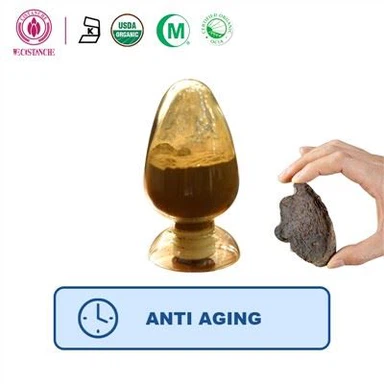
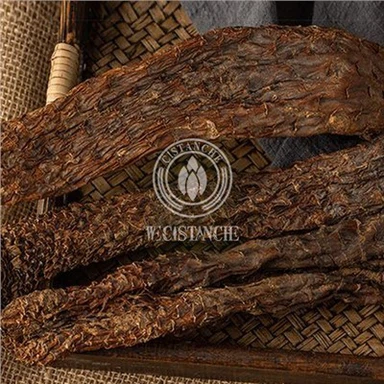
Natural Herbal Medicine For Relieving Constipation-Cistanche
Cistanche is a genus of parasitic plants that belongs to the family Orobanchaceae. These plants are known for their medicinal properties and have been used in Traditional Chinese Medicine (TCM) for centuries. Cistanche species are predominantly found in arid and desert regions of China, Mongolia, and other parts of Central Asia. Cistanche plants are characterized by their fleshy, yellowish stems and are highly valued for their potential health benefits. In TCM, Cistanche is believed to have tonic properties and is commonly used to nourish the kidney, enhance vitality, and support sexual function. It is also used to address issues related to aging, fatigue, and overall well-being. While Cistanche has a long history of use in traditional medicine, scientific research on its efficacy and safety is ongoing and limited. However, it is known to contain various bioactive compounds such as phenylethanoid glycosides, iridoids, lignans, and polysaccharides, which may contribute to its medicinal effects.

Wecistanche's cistanche powder, cistanche tablets, cistanche capsules, and other products are developed using desert cistanche as raw materials, all of which have a good effect on relieving constipation. The specific mechanism is as follows: Cistanche is believed to have potential benefits for relieving constipation based on its traditional use and certain compounds it contains. While scientific research specifically on Cistanche's effect on constipation is limited, it is thought to have multiple mechanisms that may contribute to its potential to relieve constipation. Laxative Effect: Cistanche has long been used in Traditional Chinese Medicine as a remedy for constipation. It is believed to have a mild laxative effect, which can help promote bowel movements and induce constipation. This effect may be attributed to various compounds found in Cistanche, such as phenylethanoid glycosides and polysaccharides. Moistening the Intestines: Based on traditional use, Cistanche is considered to have moisturizing properties, specifically targeting the Intestines. Promoting hydration and lubrication of the Intestines may help soften tools and facilitate easier passage, thereby relieving constipation. Anti-inflammatory Effect: Constipation can sometimes be associated with inflammation in the digestive tract. Cistanche contains certain compounds, including phenylethanoid glycosides and lignans, that are believed to have anti-inflammatory properties. By reducing inflammation in the intestines, it may help improve bowel movement regularity and relieve constipation.