Potential Neuroprotection By Dendrobium Nobile Lindl Alkaloid in Alzheimer’s Disease Models Part 2
Apr 11, 2024
Dendrobium nobile Lindl alkaloid in Tau hyperphosphorylation
Tau is an unfolded, highly soluble, and multifaceted neuronal protein that stabilizes microtubules, thereby promoting the normal function of neurons (Duan et al., 2017). In AD, hyperphosphorylated tau protein aggregation leads to NFTs that are postulated to follow from the imbalance between Aβ production and clearance (Chong et al., 2018; Twohig et al., 2018; Shi et al., 2020).
Neuronal protein is an important neuronal molecule that plays an important role in our memory. Neuronal proteins make the transmission of information between neurons in our brains faster and more efficient, thus helping us better remember and learn.
Modern biological research shows that neuronal proteins can form stable synaptic connections in the brain and maintain communication between neurons. Synaptic connections are the basis for storing memories in our brains. Neuronal proteins promote the memory of new information and the formation of long-term memories. In the memory process, neuronal proteins play an important role in promoting the stability of synaptic connections between neurons, thereby maintaining the normal learning and memory functions of the brain.
In addition, the study also found that in the elderly, memory decline is closely related to the reduction of neuronal proteins. Therefore, increasing neuronal protein content can be an effective means to improve memory decline. At the same time, improving the production and maintenance of neuronal proteins through reasonable diet and living habits can also improve memory and alleviate related diseases.
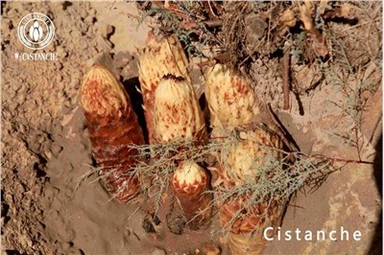
In short, neuronal proteins play an extremely important role in our brain and memory. Strengthening the production and maintenance of neuronal proteins through scientific and reasonable diet and living habits can help improve our memory and learning abilities, and bring us A healthier, better life. It can be seen that we need to improve memory, and Cistanche deserticola can significantly improve memory, because Cistanche deserticola can also regulate the balance of neurotransmitters, such as increasing the levels of acetylcholine and growth factors. These substances are very important for memory and learning. In addition, Cistanche deserticola can also improve blood flow and promote oxygen delivery, which can ensure that the brain receives sufficient nutrients and energy, thereby improving brain vitality and endurance.

Click know supplements to improve memory
When tau is hyperphosphorylated, the phosphorylation of tau induces a net charge to affect the conformation of the microtubule-binding region, thereby causing the formation of NFTs in the brain (Chong et al., 2018). In contrast to Aβ plaques, tau pathology has shown a closer correlation with declining cognitive performance based on longitudinal pathological and imaging studies (Aschenbrenner et al., 2018; Vergallo et al., 2018).
The effects of DNLA on counteracting hyperphosphorylated tau protein aggregation have been investigated. DNLA (40 mg/kg) treatment for 6 months downregulated endoplasmic reticulum stress-related protein kinase RNA-like endoplasmic reticulum kinase (PERK) signaling pathway, sequential inhibition of calpain1, glycogen synthase kinase-3 beta (GSK3β) and cyclin-dependent kinase 5 activities, and eventually reduced the hyperphosphorylation of tau in SAMP8 mice (Liu et al., 2020a).
The study reported that DNLA significantly reduced tau hyperphosphorylation, significantly attenuated neuronal loss, and subsequently improved memory function.
Dendrobium nobile Lindl alkaloid in neuroinflammation
The other recognized pathological feature of AD is
neuroinflammation (Sofroniew, 2014; Fakhoury, 2018).
Microglia and astrocytes are the main glial cells involved
in the immune responses of the central nervous system and react to a diverse range of pro- and anti-inflammatory
agents (Zilka et al., 2006).
Several studies have demonstrated that inflammatory processes might promote neuronal loss and cognitive decline (Cai et al., 2014; Webers et al., 2020). Microglia play a crucial role in Aβ homeostasis. Activated microglia initiate phagocytosis to clear Aβ from the brain. However, in AD, Aβ accumulation has been shown to cause inflammation (Calsolaro and Edison, 2016).
Microglia are activated by Aβ and APP, leading to microglial activation around Aβ plaques (Regen et al., 2017). Activation of microglia sustains the release of proinflammatory factors, such as tumor necrosis factor-α (TNF-α), interleukin-1β (IL-1β), and IL-6 (Chen and Zhong, 2017; Rajendran and Paolicelli, 2018). The accumulation of these inflammatory factors further stimulates immune reactions and contributes to the degeneration of neurons, including the progressive loss of neurons, which results in cognitive decline and dementia.
LPS, an inflammation inducer, has been reported to influence Aβ deposition. LPS injection into the mouse brain ventricle can cause memory deficiency and Aβ accumulation. DNLA treatment has been reported to protect rat brains against LPS-induced neuroinflammation and cognitive dysfunction; this effect appeared to be mediated by suppression of LPSinduced overexpression of tumor necrosis factor receptor 1, and inhibition of phosphorylated p38 mitogen-activated protein kinases (p-p38 MAPK) expression (Zhang et al., 2011).
In addition, DNLA has been shown to suppress LPS-induced microglial activation and decrease nuclear factor-Κb (NF-κB) p65, an inhibitor of NF-κB (IκBα) and their phosphorylative products in the cellular nucleus and cytosol of BV2 microglia, and the expression of Toll-like receptor 4 (TLR4), NLR family pyrin domain-containing protein 3 (NLRP3), apoptosis-associated Speck-like protein containing CARD and caspase-1 (Liu et al., 2020c).
Together, these findings suggest that DNLA protects neurons against LPS-induced neuroinflammation via the attenuation of glial cell activation, reduced proinflammatory factor production, and inhibition of p-p38 MAPK and the downstream NF-κB and NLRP3 signaling pathway.

Dendrobium nobile Lindl alkaloid in apoptosis
Another common mechanism of AD is apoptosis (Obulesu and Lakshmi, 2014). Apoptosis is preprogrammed cell death (Fleisher, 1997). Programmed cell death is an essential biological process in the development and functional maintenance of the human body (Tower, 2015).
Pathological apoptosis is associated with various disorders, including neurodegenerative diseases and cancer. Apoptosis can lead to neurodegeneration and might contribute to AD (Radi et al., 2014). Apoptosis is activated by many mediators, such as caspases 2, 3, 8, and 9 (Friedlander, 2003), MAPK (Sun et al., 2015; Aghaei et al., 2020), p53 (Wang et al., 2015), Bax (Aghaei et al., 2020) and Aβ.
Although Aβ contributes to the development of AD and induces neuronal apoptosis, the underlying mechanisms are elusive (Li et al., 2018). Aβinduced synthesis of GD3 has been reported to contribute to apoptosis in cortical neurons (Kim et al., 2010). Consequently, the inhibition of apoptosis is considered to be a promising approach to prevent AD. A previous study reported that DNLA exhibits protective effects against PC12 cell injury induced by Aβ25–35 through attenuating apoptosis, as evidenced by increased cell viability and decreased cell morphology impairment in vitro (Zhang et al., 2015).
Also, DNLA (2.5 mg/mL) has demonstrated neuroprotective effects against oxygen-glucose deprivation/ reperfusion (OGD/RP)-induced neuronal damage in rat primary neuron cultures by stabilizing the mitochondrial membrane potential, inhibiting intracellular free calcium overload, and lessening neuronal apoptosis mediated by downregulating mRNA expression of caspase-3 and caspase-12 (Wang et al., 2010).
Furthermore, DNLA has been shown to attenuate LPS-induced cognitive deficits in rats, and the effect might be related to the downregulation of caspase 3/8 mRNA expression and the decrease of Aβ1–42 in the hippocampus (Chen et al., 2008). DNLA inhibited neuronal apoptosis and further ameliorated the dementia symptoms in AD models, which might be associated with the inhibition of hyperphosphorylation of tau protein.
Additionally, DNLA ameliorated LPS-induced memory and cognitive impairments in rats; the mechanism was closely associated with decreased number of apoptotic cells, decreased expression of hyperphosphorylated tau protein at serine 396 (Ser396), Ser199-202, Ser404, tyrosine 231 (Tyr231), Thr205 sites and increased expression of GSK-3β (Yang et al., 2014).
In summary, published reports suggest that DNLA is beneficial for dementia symptoms in AD models via reducing Aβ accumulation and inhibiting hyperphosphorylation of tau protein. The underlying mechanism might be related to suppressing neural apoptosis.
Dendrobium nobile Lindl alkaloid in autophagy
The basal autophagy pathway is essential for neuronal degradation (Funderburk et al., 2010). Activated autophagy participates in various physiological processes and pathological conditions, including cell death, removal of microorganisms invading the cell, and tumor suppression (Glick et al., 2010). A recent study has demonstrated that autophagy is closely linked to aging (Madalina et al., 2017).
Various autophagy dysfunctions might contribute to neurodegeneration, including inhibition of autophagosome-lysosome fusion (Tammineni and Cai, 2017), reduction of lysosomal acidification (Tanaka et al., 2013) or accumulation of proteins in neuronal cells (Menzies et al., 2017). In parallel, autophagy is a key regulator of Aβ accumulation and clearance (Li et al., 2017).
In AD, autophagosome fusion with lysosomes and their retrograde passage toward the neuronal body is hindered (Uddin et al., 2018). These reports suggest that autophagy mechanisms are critical for AD progression. DNLA has been studied for its protective effects on autophagy as a potential mechanism involved in AD. DNLA improved learning and memory impairment in APP/PS1 mice, and the effect was reported to be mediated by the promotion of intracellular Aβ degradation by increasing v-ATPase A1 protein levels and then improving autolysosomal acidification and proteolysis (Nie et al., 2018).

Furthermore, in the SAMP8 model, after 6 months of treatment, DNLA enhanced autophagy activity by increasing the expression of autophagy marker light chain 3 (LC3), autophagy-related protein Beclin1 and Klotho, and decreasing nucleoporin p62 in the hippocampus and cortex (Lv et al., 2020). In an in vitro study, a similar effect of DNLA was observed in primary hippocampal neurons.
DNLA pretreatment significantly suppressed axonal degeneration induced by Aβ25–35 cytotoxicity; the authors reported that the effect might be associated with enhanced autophagic flux by promoting the formation and degradation of autophagosomes in axonal degeneration of hippocampal neurons (Li et al., 2016). Based on these findings, we draw a reliable conclusion that DNLA protects against neuronal degeneration via activation of autophagy.
Dendrobium nobile Lindl alkaloid in neuronal synaptic connection
Unfortunately, numerous new therapeutic drugs prepared based on traditional hypotheses have encountered disappointing outcomes in clinical trials; they have not been able to halt disease progression or stimulate neuronal regeneration (Alipour et al., 2019). Adult neurogenesis carries the potential of brain self-repair by the endogenous formation of new neurons in the adult brain. However, it also declines with age. Pharmacological strategies to improve the symptoms of AD have included different approaches to stimulate neurogenesis. Therefore, a deeper understanding of the regulatory mechanism underlying stem cell neurogenesis or functional integration of newborn neurons may contribute to the development of novel and effective AD therapies (Vasic et al., 2019).
Our previous studies have demonstrated that DNLA protects primary cortical neurons against Aβ25–35-induced neurotoxicity and synaptic damage. DNLA reversed Aβ25–35-induced decreases in synaptophysin (SYP) and postsynaptic density 95 (PSD-95) (Zhang et al., 2017). SYP, PSD-95, and other synapse-associated proteins are essential factors to maintain synaptic morphology and function. DNLA might play a key role in upregulating neurogenesis-related synapse-associated proteins to improve synaptic transmission in the nervous system.
Conclusion
Nutraceuticals have become promising new compounds to prevent or treat AD. As reported, substantial preclinical studies indicate that DNLA is a promising molecule to counteract various pathophysiological processes of AD, thereby improving cognitive functions and inhibiting neurodegeneration. As shown in Figure 1.

The mechanisms underlying DNLA's effects might be related to inhibiting Aβ plaque production and tau protein hyperphosphorylation, reducing neuroinflammation and apoptosis, activating autophagy, and enhancing synaptic connections. Studies investigating the mechanisms of DNLA are ongoing in animal disease models. At this point, clinical studies have not been performed. Therefore, comprehensive clinical investigations are needed to elucidate the multiple practical and theoretical issues of DNLA-mediated neuroprotection in AD.
Author contributions: JSS conceived and designed the review. DDL
and CQZ conducted a literature search. DDL wrote the manuscript. FZ
substantially edited and improved the manuscript. All authors contributed
to critical comments and manuscript revision and approved the final
manuscript.
Conflicts of interest: The authors declare that there are no conflicts of
interest associated with this manuscript.
Financial support: This work was supported by Shijingshan's Tutor Studio of Pharmacology, No. GZS-2016-07 (to JSS); the Construction of National First Class Pharmacy Discipline, No. GESR-2017-85 (to JSS); the Master Start Foundation of Zunyi Medical University, No. F-839 (to DDL); and a grant from Guizhou Chinese Medicine Administration, No. QZYY-2018-025 (to DDL). The funding sources had no role in study conception and design, data analysis or interpretation, paper writing, or deciding to submit this paper for publication.
Copyright license agreement: The Copyright License Agreement has been signed by all authors before publication.
Data sharing statement: Datasets analyzed during the current study are available from the corresponding author on reasonable request.
Plagiarism check: Checked twice by iThenticate.
Peer review: Externally peer-reviewed.
Open access statement: This is an open access journal, and articles are distributed under the terms of the Creative Commons AttributionNonCommercial-ShareAlike 4.0 License, which allows others to remix, tweak, and build upon the work non-commercially, as long as appropriate credit is given and the new creations are licensed under the identical terms.

Open peer reviewer: Hans-Gert Bernstein, Otto-von-Guericke University, Germany; Paulina Carriba, Cardiff University, UK.
Additional file: Open peer review reports 1 and 2.
References
1. Aghaei M, Khan Ahmad H, Aghaei S, Ali Nilforoushzadeh M, Mohaghegh MA, Hejazi SH (2020) The role of Bax in the apoptosis of Leishmania-infected macrophages. Microb Pathog 139:103892.
2. Alipour M, Nabavi SM, Arab L, Vosough M, Pakdaman H, Ehsani E, Shahpasand K (2019) Stem cell therapy in Alzheimer's disease: possible benefits and limiting drawbacks. Mol Biol Rep 46:1425-1446.
3. Andrade S, Ramalho MJ, Loureiro JA, Pereira MDC (2019) Natural compounds for Alzheimer's disease therapy: a systematic review of preclinical and clinical studies. Int J Mol Sci 20:2313.
4. Aschenbrenner AJ, Gordon BA, Benzinger TLS, Morris JC, Hassenstab JJ (2018) Influence of tau PET, amyloid PET, and hippocampal volume on cognition in Alzheimer's disease. Neurology 91:e859-866.
5. Behl C, Ziegler C (2017) Beyond amyloid -widening the view on Alzheimer's disease. J Neurochem 143:394-395.
6. Cai Z, Hussain MD, Yan LJ (2014) Microglia, neuroinflammation, and beta-amyloid protein in Alzheimer's disease. Int J Neurosci 124:307-321.
7. Cakova V, Bonte F, Lobstein A (2017) Dendrobium: sources of active ingredients to treat age-related pathologies. Aging Dis 8:827-849.
8. Calsolaro V, Edison P (2016) Neuroinflammation in Alzheimer's disease: current evidence and future directions. Alzheimers Dement 12:719-732.
9. Chen JW, Ma H, Huang XN, Gong QH, Wu Q, Shi JS (2008) Improvement of Dendrobium nobile Lindl. alkaloids on cognitive deficit in rats induced by lipopolysaccharides. Chin J Pharmacol Toxicol 22:406-411.
10. Chen Z, Zhong C (2017) Oxidative stress in Alzheimer's disease. Neurosci Bull 30:271-280.
For more information:1950477648nn@gmail.com