Prerequisites, Barriers And Opportunities in Care For Q-fever Patients: A Delphi Study Among Healthcare Workers Part 2
Aug 28, 2023
Discussion
The results of this study showed that, according to HCWs, the care for Q-fever patients leaves much room for improvement. HCWs indicated many prerequisites for high-quality care, of which financial compensation of care and sufficient knowledge of Q-fever among HCWs were most frequently mentioned. However, the panel identified lack of knowledge as the number one barrier in current practice: they indicated that creating more awareness of the long-term effects of Q-fever could lead to more timely and accurate patient referrals. Improving the knowledge level to overcome this barrier is relatively easy according to HCWs, for example through continuing medical education.
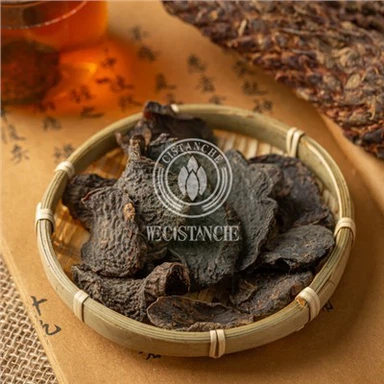
Cistanche can act as an anti-fatigue and stamina enhancer, and experimental studies have shown that the decoction of Cistanche tubulosa could effectively protect the liver hepatocytes and endothelial cells damaged in weight-bearing swimming mice, upregulate the expression of NOS3, and promote hepatic glycogen synthesis, thus exerting anti-fatigue efficacy. Phenylethanoid glycoside-rich Cistanche tubulosa extract could significantly reduce the serum creatine kinase, lactate dehydrogenase, and lactate levels, and increase the hemoglobin (HB) and glucose levels in ICR mice, and this could play an anti-fatigue role by decreasing the muscle damage and delaying the lactic acid enrichment for energy storage in mice. Compound Cistanche Tubulosa Tablets significantly prolonged the weight-bearing swimming time, increased the hepatic glycogen reserve, and decreased the serum urea level after exercise in mice, showing its anti-fatigue effect. The decoction of Cistanchis can improve endurance and accelerate the elimination of fatigue in exercising mice, and can also reduce the elevation of serum creatine kinase after load exercise and keep the ultrastructure of skeletal muscle of mice normal after exercise, which indicates that it has the effects of enhancing physical strength and anti-fatigue. Cistanchis also significantly prolonged the survival time of nitrite-poisoned mice and enhanced the tolerance against hypoxia and fatigue.

Click on Exhausted
【For more info:george.deng@wecistanche.com / WhatApp:8613632399501】
The fact that HCWs considered the lack of knowledge among HCWs to be the most critical barrier is in line with the most frequently mentioned barriers by patients [16]. We saw a distinct difference between how HCWs rated their knowledge and how they rated the knowledge of HCWs in general, which might be explained by the fact that most of the HCWs in our study are experts in the field of Q-fever. These results indicate that knowledge improvement could be an essential building block for improving care for Q-fever patients. Most HCWs consider the lack of knowledge relatively easy to tackle seems promising, although this might be due to their belief that others should improve their knowledge.
A lack of knowledge among HCWs has also been identified as a key issue impeding high-quality care for patients with other post-infectious syndromes and Myalgic Encephalomyelitis/Chronic Fatigue Syndrome (ME/CFS), a similar condition to QFS [30–32]. Previous research on implementing resources to support the diagnosis and management of ME/CFS showed the difficulty of improving knowledge among general practitioners due to the complexity of such conditions and the low prevalence [33]. HCWs in our study also emphasize these issues, which indicate the importance of tailoring the format and extent of continuing medical education to the needs of HCWs and what they encounter in daily practice. A short and general program, for instance through online modules, aimed at improving knowledge of multiple post-infectious syndromes, including QFS and post-COVID-19 conditions, could be offered to a broad audience of HCWs. Awareness and recognition of post-infectious syndromes should be the priority for most HCWs. However, those working with patients in high-risk areas (i.e. high infection rates during the Q-fever epidemic) would likely benefit from more extensive education on follow-up steps and treatment of Q-fever patients in a different, more interactive format.
Closely related to the lack of knowledge of Q-fever is the limited and unclear scientific evidence for effective treatments, which the majority of HCWs consider to be another significant barrier. More scientific research and up-to-date information for HCWs were frequently mentioned as prerequisites for high-quality care. However, over half of HCWs believed that the problem of limited scientific research is not easily tackled. Recent studies also emphasize that there is insufficient evidence on treatment options for Q-fever patients as well as on prognosis and risk factors for a severe disease course [2, 34, 35]. Although the dissemination of existing scientific knowledge will undoubtedly contribute to the quality of Q-fever care, more research on treatment options is also essential for better disease management.
The need for multidisciplinary care also appears to be an important aspect of Q-fever care as HCWs indicate that many healthcare providers from different disciplines should be involved in the care for QFS and chronic Q-fever. The recently updated QFS guideline also emphasizes this: although there is no scientific literature available on the effectiveness of multidisciplinary treatment of QFS patients, the working group that developed the guideline advises healthcare providers to consider the option of referral to a specialized center for multidisciplinary treatment [12]. However, HCWs reported that they currently collaborate with a median of four healthcare providers, so although HCWs acknowledge that the care preferably involves many disciplines, based on the reported collaborations, this ideal seems to be difficult to realize.
One aspect that possibly impedes effective multidisciplinary collaboration is a lack of clear roles and responsibilities of the different healthcare providers [36]. Although the majority of HCWs indicated that a general practitioner should have the ultimate responsibility for QFS care and a medical specialist for chronic Q-fever, quite a large group believed otherwise (47% and 28%, respectively), suggesting some disagreement about the preferred role division between different professions. Nevertheless, to enable effective multidisciplinary collaboration, HCWS must agree and act on their respective roles and responsibilities as a lack of understanding of the roles and responsibilities of others could negatively impact collaboration and lead to a lower quality of care [36–38]. Unfortunately, current guidelines and care pathways provide insufficient guidance on the roles and responsibilities of the different professions involved in the care for these patients, nor on how to accomplish effective multidisciplinary collaboration [12, 39].
In addition to sufficient knowledge among HCWs, up-to-date information for HCWs, and a multidisciplinary approach to treatment, HCWs indicated many other prerequisites for high-quality care. The large number of prerequisites shown in this study indicates the complexity of Q-fever care and shows that it is unlikely that there is one ready-made solution to improve the quality of care. Furthermore, these prerequisites have implications for several aspects of healthcare. While sufficient knowledge directly concerns HCWs, the condition of financial compensation of care applies to policymakers in healthcare. The high ranking of financial compensation indicates that the problems surrounding Q-fever care – as well as the solutions – do not only lie with HCWs but that healthcare policy plays a key role.
When comparing ratings of Q-fever care of HCWs to those of Dutch patients, we see a clear discrepancy between how HCWs and patients perceive the quality of care. HCWs in our study rate the care for Q-fever at a median score of 6/10, while in earlier research, Q-fever patients gave a median score of 4/10 [16]. Although the question was formulated similarly for HCWs and patients, these ratings might not be directly comparable, as the interpretation of ‘quality of care’ possibly differs between HCWs and patients. As suggested by Bronner et al., HCWs and patients may have different perceptions of relevant aspects of health [16]. Previous research has shown that HCWs’ and patients’ expectations of care as well as their methods of assessing care differ [40, 41]. Huber et al. found that patients consider many dimensions of health to be important, including mental functions and perception, social participation, and daily functioning, while healthcare providers, especially doctors, look at health from a more biomedical viewpoint [42]. These diverging views on health might translate to different perceptions of the quality of Q-fever care. The comparison of satisfaction with care between HCWs and patients should thus be interpreted with caution. However, the difference implies that patients are less satisfied with Q-fever care than HCWs, although both groups indicate that there is much room for improvement and a need to identify barriers in Q-fever care.

HCWs in our study are less satisfied with the care they can provide for QFS than for chronic Q-fever. This contrast is also reflected in patients’ assessments: Bronner et al. reported that patients with QFS rate their care significantly lower than those with chronic Q-fever, at a 3/10 and 6/10, respectively [16]. We hypothesize that the strong dissatisfaction of both HCWs and patients with QFS care compared to chronic Q-fever care may be related to the concept of cure versus care. The cure is aimed at healing and recovery, while care is aimed at limiting the negative effects of a condition on multiple aspects of patients’ lives as much as possible [43–45]. HCWs in this study mentioned that barriers differ as treatment for chronic Q-fever is crucial in preventing mortality, while treatment for QFS is targeted at morbidity. Furthermore, while there are effective treatment options for chronic Q-fever, there is a lack of evidence-based treatment for QFS [39, 46]. Thus, the treatment of chronic Q-fever is mainly focused on cure, whereas the treatment of QFS has a much stronger emphasis on care. Previous research has shown that HCWs experience difficulties when treatment for a condition is care-focused. Qualitative research on dementia care found that physicians struggled with the care for patients when standard pharmacological interventions were no longer effective [44], and research on care for patients with medically unexplained symptoms showed that general practitioners experience frustrations when caring for these patients due to their inability to ‘fix’ the problem [47, 48]. Researchers suggested that communication skill courses as well as increased emphasis on psychosocial aspects during medical training may lead to a more care-oriented attitude [47, 49].
The results from our study and a previous study among Q-fever patients [16] indicate that the same difficulties with cure versus care may apply to QFS care: HCWs and patients acknowledge the poor quality of care, yet improving the quality of care remains challenging. Although the current QFS guideline states the importance of providing patients with support in handling their problems and limitations, it contains little direction on how this should be accomplished [12]. The scarcity of information on care-focused aspects in guidelines has also been identified in previous research [44]. Providing HCWs with more guidance on care-focused aspects of treatment via existing or new clinical practice guidelines may contribute to the challenge of improving the quality of care as well as the satisfaction of both HCWs and patients with the provided care.
Some HCWs mentioned that creating care networks similar to existing networks such as ParkinsonNet could increase the quality of care by improving two important aspects: multidisciplinary collaboration and knowledge. Parkinson's, like QFS and chronic Q-fever, is a complex chronic disease that requires the involvement of many different professionals. In the ParkinsonNet model care is concentrated among trained professionals organized in regional networks. Collaboration between professionals is facilitated by a dedicated online platform, which also provides patients with information on access to care and quality of care [50, 51]. Bloem et al. suggest that this model could also improve care for other chronic disorders [51]. Consequently, the ParkinsonNet model could provide tools for further development of clinical practice guidelines and care networks of healthcare providers for care for Q-fever patients.
In light of the current COVID-19 pandemic, it is essential to draw lessons from the challenges of Q-fever care. The immense reach of COVID-19 makes it crucial to provide high-quality care to patients, especially to those with long COVID [21]. Following the Dutch Q-fever epidemic, there was no standardization of post-infection care, scarce information on identification and treatment, and the scale of the impact of long-term consequences only became clear in recent years, a decade after the start of the epidemic [2, 10]. Fortunately, there is a great deal of attention on possible long-term sequelae of COVID-19, and the clinical case definition of post-COVID-19 conditions by the World Health Organization hopefully facilitates both healthcare research and practice [52]. Nevertheless, our results indicated several aspects that appear to be relevant for providing high-quality care that requires attention when organizing care for COVID-19, namely: ensuring that HCWs have sufficient knowledge, especially with rapidly emerging new evidence; considering how to structure complex care involving many different disciplines; and concentrating on both cure- and care-focused treatment aspects.
From research to practice
Knowledge improvement appears to be necessary and could be achieved through educational programs for HCWs, tailored to their specific situation, on post-infectious syndromes, with a focus on creating awareness of long-term effects. This could be supported by creating one national portal for up-to-date information. More effective multidisciplinary collaboration may be attained by clarifying the respective roles and responsibilities of HCWs in guidelines as well as the organization of national or regional networks of HCWs, similar to ParkinsonNet. In addition, a more care-oriented attitude towards treatment may be needed to improve care for Q-fever, especially Q-fever fatigue syndrome, which may be accomplished through more communication skill courses for HCWs focused on discussing and evaluating psychosocial aspects. Clarifying how HCWs can help patients deal with limitations in existing guidelines, for example by specifying topics that should be discussed during consultation as well as possible avenues through which HCWs can provide patients with additional support, could also help to achieve a more care-oriented attitude and improve the quality of care. Although HCWs play an essential role in identifying issues in and improving care, the responsibility for designing and implementing programs to improve Q-fever care through these different avenues primarily lies with policymakers, namely the Ministry of Health and national health institutes, possibly supported by centers of expertise.

Strengths and weaknesses
This study has several strengths. First, we included a large number of participants in this study. Although there is no clear minimum sample size for Delphi studies, the 94 HCWs that participated is a much larger sample than the sample size of 10–18 panel members as recommended by Okoli et al. [53]. Second, we included HCWs from many different professions to get a wide range of perspectives. Third, although the long-term consequences for Q-fever patients and their experiences with Q-fever care have been investigated, to the best of our knowledge, the perspectives of HCWs on Q-fever care have not yet been studied. This study makes an important contribution as it not only provides insight into the barriers and facilitators in Q-fever care but offers tools for improving the quality of care as well.
This study also has some limitations. First, the panel consisted of experts either directly or indirectly involved in Q-fever care, which might paint an overly optimistic picture of the care for these patients. The nature of a Delphi study is that experts express their views on a certain topic, but whether these also reflect the views of other HCWs is unknown. From previous research, we know that outcomes may differ depending on the group of experts that was consulted [25]. However, we attempted to collect a diversity of opinions by including many HCWs from a variety of disciplines, to improve the robustness and validity of the results. Second, several of the themes addressed in this Delphi study have been asked in a very broad, overarching manner, such as the (lack of ) knowledge of HCWs and the multidisciplinary aspect of care. This broad approach is due to the exploratory nature of the study and its design. We believe that this first phase was needed, due to the scarce knowledge on this topic, and that the insights gathered in this study are a valuable step towards improving the quality of Q-fever care. However, more in-depth research, possibly through in-depth interviews, into the themes addressed in this study is needed to draw any definitive conclusions and to come up with concrete recommendations. Third, although Delphi studies are typically completed in two to three rounds, there is no consensus on the number of rounds that should be performed in a Delphi study [25]. However, we do recognize that only two rounds mean that we have limited information on the stability of responses between rounds, and additional rounds would be needed to determine the consistency of responses and stability of rankings [54].
Conclusions
Ten years after the Q-fever epidemic HCWs indicate that the care for Q-fever patients still leaves much room for improvement. This exploratory study provides directions for possible avenues to advance the quality of care, namely: improving the knowledge level of HCWs; ensuring that HCWs are aware of and agree on their respective roles and responsibilities to enable effective multidisciplinary collaboration; and providing HCWs with guidance on how to support patients in handling their problems and limitations. More scientific evidence on treatments, prognosis, and risk factors; further development and specification of clinical practice guidelines and the implementation of care networks based on existing models for other similarly complex and variable diseases may help achieve these goals and improve the care for patients with persisting post-infectious symptoms as a result of other diseases, such as COVID-19, and are thus valuable in the organization of care for COVID-19 patients.
Abbreviations
ME/CFS Myalgic Encephalomyelitis/Chronic Fatigue Syndrome
HCW Healthcare worker
IQR Interquartile range
QFS Q-fever fatigue syndrome
Additional file 1:
Table S1. Additional characteristics of HCWs in the expert panel directly involved in Q-fever care. Table S2. Ranking of best-organized aspects in the care for Q-fever patients, showing the percentage of HCWs who placed aspect in the top 2 (participants were asked to select at least two aspects). Table S3. Score of personal knowledge level and general knowledge level of HCWs according to an expert panel. Table S4. Collaborations that should be improved in the care for Q-fever, showing the percentage of HCWs who placed collaboration in the top 2 (participants were asked to select two collaborations).
Acknowledgments
Not applicable.
Authors’ contributions
IS, JH, VE, MB, and SP conceptualized and designed the study. VE, MB, and SP constructed the questionnaires and collected the data. IB, IS, and SP performed the analysis and interpretation of the data. IB drafted the manuscript and IB, IS, JH, VE, AG, AOL, MB and SP read and critically revised the manuscript. All authors read and approved the final manuscript and agreed to be accountable for all aspects of the work.
Funding
The funding for this study was provided by Q-support, a center of expertise for Q-fever in the Netherlands. Q-support assisted in the interpretation of the data.
Availability of data and materials
The dataset generated and analyzed during the current study is available from the corresponding author upon reasonable request.

Declarations
Ethics approval and consent to participate
The Medical Ethics Review Board of Erasmus MC approved the study protocol (MEC-2019–0048). All participants provided online informed consent to use the collected data for scientific research. The present study was conducted by the Declaration of Helsinki.
Consent for publication
Not applicable.
Competing interests
AG is the director and AOL is the general practitioner of Q-support and both are working for Q-support. The participation of AG and AOL in the study was conducted responsibly and ethically. To ensure objectivity, all contact with the HCWs was done by the Principal Investigator from the Erasmus MC. The invitation and information letter clearly stated that the research was conducted by the Erasmus MC. AOL participated in the Delphi study in his role as a general practitioner with expertise in Q-fever care. No other employees of Q-support participated in the Delphi study. The Erasmus MC is the owner of the data, and AG and AOL were not involved in the data collection or data analyses. They did not have contact with other participants, did not have access to case-level data, and were not involved in the data analysis. The remaining authors have no conflicts of interest to declare.
References
1. Parker NR, Barralet JH, Bell AM. Q fever. Lancet. 2006;367(9511):679–88.
2. Morroy G, Keijmel SP, Delsing CE, Bleijenberg G, Langendam M, Timen A, et al. Fatigue following Acute Q-Fever: A Systematic Literature Review. PLoS ONE. 2016;11(5):e0155884.
3. Todkill D, Fowler T, Hawker JI. Estimating the incubation period of acute Q fever, a systematic review. Epidemiol Infect. 2018;146(6):665–72.
4. Maurin M, Raoult D. Q fever. Clin Microbiol Rev. 1999;12(4):518–53.
5. Morroy G, Bor HH, Polder J, Hautvast JL, van der Hoek W, Schneeberger PM, et al. Self-reported sick leave and long-term health symptoms of Q-fever patients. Eur J Public Health. 2012;22(6):814–9.
6. Raoult D, Marrie T, Mege J. Natural history and pathophysiology of Q fever. Lancet Infect Dis. 2005;5(4):219–26.
7. Dijkstra F, van der Hoek W, Wijers N, Schimmer B, Rietveld A, Wijkmans CJ, et al. The 2007–2010 Q fever epidemic in The Netherlands: characteristics of notified acute Q fever patients and the association with dairy goat farming. FEMS Immunol Med Microbiol. 2012;64(1):3–12.
8. van der Hoek W, Hogema BM, Dijkstra F, Rietveld A, Wijkmans CJ, Schneeberger PM, et al. Relation between Q fever notifications and Coxiella burnetii infections during the 2009 outbreak in The Netherlands. Euro Surveill. 2012;17(3):20058.
9. Schneeberger PM, Wintenberger C, van der Hoek W, Stahl JP. Q fever in the Netherlands - 2007–2010: What we learned from the largest outbreak ever. Med Mal Infect. 2014;44(8):339–53.
10. van der Hoek W, Morroy G, Renders NH, Wever PC, Hermans MH, Leenders AC, et al. Epidemic Q fever in humans in the Netherlands. Adv Exp Med Biol. 2012;984:329–64.
11. Van Dijk G, Van Dissel JT, Speelman P, Stegeman JA, Vanthemsche P, De Vries J, et al. Van Verwerping tot Verhefng: Q-Koortsbeleid in Nederland 2005–2010 [in Dutch]. The Hague: Evaluatiecommissie Q‐koorts. 2010.
12. National Institute for Public Health and the Environment. Dutch guideline Q fever fatigue syndrome (QFS) [in Dutch]. Bilthoven: National Institute for Public Health and the Environment. 2019.
13. European Centre for Disease Prevention and Control. Risk assessment on Q fever. Stockholm: European Centre for Disease Prevention and Control. 2010.
14. Million M, Thuny F, Richet H, Raoult D. Long-term outcome of Q fever endocarditis: a 26-year personal survey. Lancet Infect Dis. 2010;10(8):527–35.
15. Reukers DFM, van Jaarsveld CHM, Knoop H, Bleeker-Rovers CP, Akkermans R, de Grauw W, et al. Explaining the long-term impact of chronic Q fever and Q fever fatigue syndrome on psychosocial functioning: A comparison with diabetes and the general population. J Psychosom Res. 2019;121:37–45.
16. Bronner MB, Haagsma JA, Dontje ML, Barmentloo L, Kouwenberg R, OldeLoohuis AGM, et al. Long-term impact of a Q-fever outbreak: An evaluation of health symptoms, health-related quality of life, participation and health care satisfaction after ten years. J Psychosom Res. 2020;139:110258.
17. Menting J, Van Schelven F, Grosscurt R, Spreeuwenberg P, Heijmans M. Zorgmonitor 2019: Ontwikkelingen in de zorg voor mensen met een chronische ziekte: 2005–2018 [in Dutch]. Utrecht: Nivel. 2019.
18. Raijmakers RPH, Keijmel SP, Breukers EMC, Bleijenberg G, van der Meer JWM, Bleeker-Rovers CP, et al. Long-term effect of cognitive behavioral therapy and doxycycline treatment for patients with Q fever fatigue syndrome: One-year follow-up of the Qure study. J Psychosom Res. 2019;116:62–7.
19. Hu B, Guo H, Zhou P, Shi ZL. Characteristics of SARS-CoV-2 and COVID-19. Nat Rev Microbiol. 2021;19(3):141–54.
20. Iqbal FM, Lam K, Sounderajah V, Clarke JM, Ashrafan H, Darzi A. Characteristics and predictors of the acute and chronic post-COVID syndrome: A systematic review and meta-analysis. EClinicalMedicine. 2021;36:100899.
21. Nature Medicine. Meeting the challenge of long COVID. Nat Med. 2020;26(12):1803.
22. Phillips S, Williams MA. Confronting Our Next National Health Disaster - Long-Haul Covid. N Engl J Med. 2021;385(7):577–9.
23 Keeney S, McKenna H, Hasson F. The Delphi technique in nursing and health research: John Wiley & Sons. 2011.
24. Hasson F, Keeney S, McKenna H. Research guidelines for the Delphi survey technique. J Adv Nurs. 2000;32(4):1008–15.
25. Niederberger M, Spranger J. Delphi Technique in Health Sciences: A Map. Front Public Health. 2020;8:457.
26. Parker C, Scott S, Geddes A. Snowball sampling. SAGE Research Methods Foundations. 2019.
27. Limesurvey GmbH. / LimeSurvey: An Open Source survey tool / LimeSurvey GmbH, Hamburg, Germany. URL
28. Twisk JWR. Inleiding in de toegepaste biostatistiek [in Dutch]. Houten: Bohn Stafeu van Loghum; 2017. p. 107–8.
29. Tan SS, van Ineveld M, Redekop K, Hakkaart-van Roijen L. The Netherlands: the diagnose-behandling combinations Diagnosis-related groups in Europe: moving towards transparency, efficiency, and quality in hospitals. 2011. p. 425–46.
30. Stormorken E, Jason LA, Kirkevold M. Factors impacting the illness trajectory of post-infectious fatigue syndrome: a qualitative study of adults’ experiences. BMC Public Health. 2017;17(1):952.
31. Stormorken E, Jason LA, Kirkevold M. From good health to illness with post-infectious fatigue syndrome: a qualitative study of adults’ experiences of the illness trajectory. BMC Fam Pract. 2017;18(1):49.
32 Pheby DFH, Araja D, Berkis U, Brenna E, Cullinan J, de Korwin JD, et al. A Literature Review of GP Knowledge and Understanding of ME/CFS: A Report from the Socioeconomic Working Group of the European Network on ME/CFS (EUROMENE). Medicina (Kaunas). 2020;57(1):7.
33. Bayliss K, Riste L, Band R, Peters S, Wearden A, Lovell K, et al. Implementing resources to support the diagnosis and management of Chronic Fatigue Syndrome/Myalgic Encephalomyelitis (CFS/ME) in primary care: A qualitative study. BMC Fam Pract. 2016;17:66.
34. Eldin C, Mélenotte C, Mediannikov O, Ghigo E, Million M, Edouard S, et al. From Q Fever to Coxiella burnetii Infection: a Paradigm Change. Clin Microbiol Rev. 2017;30(1):115–90.
35. van Roeden SE, Bleeker-Rovers CP, de Regt MJA, Kampschreur LM, Hoepelman AIM, Wever PC, et al. Treatment of Chronic Q Fever: Clinical Efficacy and Toxicity of Antibiotic Regimens. Clin Infect Dis. 2018;66(5):719–26.
36. Rawlinson C, Carron T, Cohidon C, Arditi C, Hong QN, Pluye P, et al. An Overview of Reviews on Interprofessional Collaboration in Primary Care: Barriers and Facilitators. Int J Integr Care. 2021;21(2):32.
37 Reeves S, Pelone F, Harrison R, Goldman J, Zwarenstein M. Interprofessional collaboration to improve professional practice and healthcare outcomes. Cochrane Database Syst Rev. 2017;6(6): CD000072.
38. Rosen MA, Diaz-Granados D, Dietz AS, Benishek LE, Thompson D, Pronovost PJ, et al. Teamwork in healthcare: Key discoveries enabling safer, high-quality care. Am Psychol. 2018;73(4):433–50.
39. National Institute for Public Health and the Environment. Guideline Q-fever [in Dutch]. Bilthoven: National Institute for Public Health and the Environment.
40. Jung HP, Wensing M, Olesen F, Grol R. Comparison of patients’ and general practitioners’ evaluations of general practice care. Qual Saf Health Care. 2002;11(4):315–9.
41. Durieux P, Bissery A, Dubois S, Gasquet I, Coste J. Comparison of health care professionals’ self-assessments of standards of care and patients’ opinions on the care they received in hospital: observational study. Qual Saf Health Care. 2004;13(3):198–202.
42. Huber M, van Vliet M, Giezenberg M, Winkens B, Heerkens Y, Dagnelie PC, et al. Towards a ‘patient-centered’ operationalization of the new dynamic concept of health: a mixed methods study. BMJ Open. 2016;6(1):e010091.
43. Keet IP. [Severe mental illness: cure and care?] Ernstige psychiatrische ziekten: cure en care? Tijdschr Psychiatr. 2008;50(9):555–7.
44. Apesoa-Varano EC, Barker JC, Hinton L. Curing and caring: the work of primary care physicians with dementia patients. Qual Health Res. 2011;21(11):1469–83.
45. Choudhury D, Nortjé N. The Hidden Curriculum and Integrating Cure- and Care-Based Approaches to Medicine. HEC Forum. 2022;34(1):41–53.
46. Kampschreur LM, Wegdam-Blans MC, Wever PC, Renders NH, Delsing CE, Sprong T, et al. Chronic Q fever diagnosis— consensus guideline versus expert opinion. Emerg Infect Dis. 2015;21(7):1183–8.
47. Howman M, Walters K, Rosenthal J, Ajjawi R, Buszewicz M. “You kind of want to fix it don’t you?”Exploring general practice trainees’ experiences of managing patients with medically unexplained symptoms. BMC Med Educ. 2016;16:27.
48. Woivalin T, Krantz G, Mäntyranta T, Ringsberg KC. Medically unexplained symptoms: perceptions of physicians in primary health care. Fam Pract. 2004;21(2):199–203.
49. De Valck C, Bensing J, Bruynooghe R, Batenburg V. Cure-oriented versus care-oriented attitudes in medicine. Patient Educ Couns. 2001;45(2):119–26.
50. Bloem BR, Munneke M. Revolutionising management of chronic disease: the ParkinsonNet approach. BMJ. 2014;348:g1838.
51. Bloem BR, Rompen L, Vries NM, Klink A, Munneke M, Jeurissen P. ParkinsonNet: A Low-Cost Health Care Innovation With A Systems Approach From The Netherlands. Health Af (Millwood). 2017;36(11):1987–96.
52. World Health Organization. A clinical case definition of post-COVID-19 condition by a Delphi consensus. Geneva: World Health Organization. 2021.
53. Okoli C, Pawlowski SD. The Delphi method as a research tool: an example, design considerations, and applications. Inf Manag. 2004;42(1):15–29.
54. Nasa P, Jain R, Juneja D. Delphi methodology in healthcare research: How to decide its appropriateness. World J Methodol. 2021;11(4):116–29.
Publisher’s Note
Springer Nature remains neutral about jurisdictional claims in published maps and institutional affiliations.
【For more info:george.deng@wecistanche.com / WhatApp:8613632399501】