Protecting Kidneys From Diabetes: How Cistanche Tubulosa Preserves Glomerular Function And Slows Diabetic Nephropathy
Aug 20, 2026
Diabetes is the leading cause of kidney failure worldwide. Approximately 30–40% of people with type 2 diabetes will develop diabetic nephropathy, a progressive condition characterized by proteinuria, declining glomerular filtration rate, and ultimately, end-stage renal disease requiring dialysis or transplantation. The silent progression of diabetic kidney disease makes it particularly dangerous: by the time albumin appears in the urine, significant structural damage has already occurred. Standard management-blood sugar control, blood pressure reduction, ACE inhibitors or ARBs-slows but does not halt progression. An ancient desert tonic, Cistanche tubulosa, is emerging as a complementary botanical that directly targets the cellular mechanisms of diabetic kidney damage. Through its active ingredients echinacoside and acteoside, it protects the glomerular filtration barrier, suppresses the inflammatory and fibrotic cascades, and preserves the delicate podocytes whose loss is the hallmark of diabetic nephropathy.

The Pathophysiology of Diabetic Kidney Disease
Diabetic nephropathy develops through a cascade of metabolic and hemodynamic changes. Chronic hyperglycemia drives four interconnected pathological processes in the kidney. First, advanced glycation end-products form when glucose binds irreversibly to proteins in the glomerular basement membrane and mesangial matrix, stiffening these structures and impairing filtration. Second, the polyol pathway and hexosamine pathway generate excess reactive oxygen species that damage renal cells. Third, the renin-angiotensin-aldosterone system becomes overactivated, raising intraglomerular pressure and driving proteinuria. Fourth, inflammatory signaling pathways-particularly NF-κB-become chronically activated, recruiting immune cells and driving fibrosis.
The central victim of these processes is the podocyte. Podocytes are terminally differentiated epithelial cells that wrap around glomerular capillaries, their foot processes interdigitating to form slit diaphragms-the final molecular sieve of the filtration barrier. Podocytes cannot regenerate effectively. When they are damaged by oxidative stress, AGEs, and inflammation, they undergo apoptosis or detachment. As podocytes are lost, the filtration barrier becomes leaky, and albumin spills into the urine. Proteinuria is not merely a marker of kidney damage; it is itself nephrotoxic, damaging the renal tubular cells downstream and accelerating the progression to fibrosis.
An ideal renoprotective agent would therefore protect podocytes from oxidative and inflammatory damage, suppress the fibrotic transformation driven by TGF-β1, and support the metabolic health of the entire nephron. Cistanche tubulosa's phenylethanoid glycosides are demonstrating precisely this multi-targeted profile.
How Cistanche Tubulosa Protects Diabetic Kidneys
1. Activating Nrf2 to Protect Podocytes from Oxidative Damage
Podocytes are exquisitely vulnerable to oxidative stress. Their high metabolic rate and the constant hyperglycemic environment of diabetes generate abundant reactive oxygen species that damage the slit diaphragm proteins-nephrin and podocin-and trigger podocyte apoptosis. Echinacoside, through potent Nrf2 activation, upregulates the podocyte's own antioxidant defense systems: superoxide dismutase, glutathione peroxidase, heme oxygenase-1, and catalase. These enzymes neutralize ROS before they can damage the filtration barrier.
In the streptozotocin-induced diabetic rat model-the standard preclinical model of diabetic nephropathy-echinacoside treatment significantly reduced proteinuria, preserved podocyte number and foot process morphology, and maintained the expression of nephrin and podocin. The treated animals showed reduced mesangial expansion and less glomerular basement membrane thickening, indicating structural preservation of the filtration barrier. These findings establish that Nrf2 activation directly protects the podocytes that are the frontline victims of diabetic kidney disease.
2. Suppressing NF-κB to Calm Renal Inflammation
Inflammation is a driver, not just a consequence, of diabetic nephropathy. Hyperglycemia activates NF-κB in glomerular endothelial cells, mesangial cells, and tubular epithelial cells, leading to the production of TNF-α, IL-6, and IL-1β. These cytokines recruit macrophages into the kidney, amplify oxidative stress, and promote the expression of adhesion molecules that further compromise the microvasculature. Acteoside, through its potent NF-κB inhibition, suppresses this inflammatory cascade. By reducing the cytokine load in renal tissue, acteoside helps protect the glomerulus from immune-mediated damage and slows the progression of diabetic kidney disease.
3. Inhibiting TGF-β1 to Prevent Renal Fibrosis
Renal fibrosis is the final common pathway of all progressive kidney diseases, including diabetic nephropathy. Transforming growth factor-beta 1 is the master cytokine driving this process. Under hyperglycemic conditions, TGF-β1 is upregulated in mesangial cells and tubular epithelial cells, triggering the transformation of fibroblasts into collagen-producing myofibroblasts and the epithelial-to-mesenchymal transition of tubular cells. The result is the accumulation of extracellular matrix that replaces functional nephrons with scar tissue.
Acteoside has been shown to inhibit the TGF-β1/Smad2/3 signaling pathway. In models of diabetic renal fibrosis, acteoside treatment significantly reduced collagen deposition, decreased the expression of fibrotic markers-α-smooth muscle actin, fibronectin, and collagen type IV-and preserved tubular architecture. By interrupting the fibrotic cascade, acteoside helps maintain the structural integrity of the kidney even under the sustained metabolic stress of diabetes.

4. Protecting Renal Tubular Epithelial Cells
Once proteinuria develops, albumin is reabsorbed by proximal tubular epithelial cells. Albumin overload triggers oxidative stress, activates NF-κB, and promotes apoptosis and epithelial-to-mesenchymal transition in these cells. Echinacoside, through Nrf2 activation, protects tubular mitochondria from oxidative damage, preserving ATP production essential for active solute transport. Acteoside, through NF-κB inhibition, suppresses the inflammatory signaling that drives tubular injury. By shielding tubular epithelial cells from the downstream consequences of glomerular injury, Cistanche helps interrupt the vicious cycle that accelerates renal decline.
5. Improving Renal Microcirculation
Diabetic kidneys suffer from endothelial dysfunction and impaired blood flow. The glomerular capillaries become thickened and stiffened, reducing filtration efficiency. Cistanche phenylethanoid glycosides support endothelial nitric oxide synthase activity, promoting vasodilation and improving renal microcirculation. Enhanced blood flow supports the metabolic needs of the nephron and reduces the hypoxic stress that triggers fibrosis.
A comprehensive 2022 review in Frontiers in Pharmacology catalogs the renoprotective properties of Cistanche tubulosa, confirming its Nrf2-dependent antioxidant effects, NF-κB and TGF-β1 inhibitory activities, and protection of both glomerular and tubular structures in diabetic models. (Frontiers in Pharmacology review on Cistanche tubulosa)
The Active Ingredients for Diabetic Kidney Protection
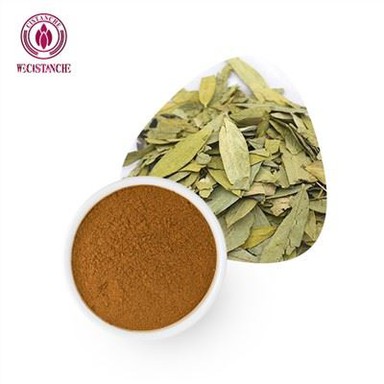
The renoprotective effects are driven by echinacoside and acteoside. Echinacoside is the primary Nrf2 activator and podocyte protector. Acteoside is the primary NF-κB and TGF-β1 inhibitor, suppressing inflammation and fibrosis. A standardized extract containing 20–40% total phenylethanoid glycosides is essential. The evidence-informed dose for kidney support is 400–600 mg daily, taken with a meal.
Integrating Cistanche for Diabetic Kidney Health
Kidney protection in diabetes is a lifelong commitment. Cistanche should be taken consistently-daily, with a meal-as a complementary support to standard medical management. It is not a replacement for blood sugar control, blood pressure management, or prescribed medications such as ACE inhibitors or SGLT2 inhibitors, which have proven renoprotective effects in clinical trials. Rather, it addresses additional pathways-podocyte oxidative damage, inflammation, and fibrosis-that these drugs do not fully target. The extract pairs well with foundational kidney-protective practices: maintaining HbA1c within target range, controlling blood pressure, limiting dietary sodium, and staying well-hydrated.
For those seeking reliable, research-grade kidney support, explore our Cistanche tubulosa extract product line - every batch is standardized and third-party tested to ensure consistent potency of echinacoside and acteoside, the active ingredients behind the renoprotective research.
Safety and Medical Context
Cistanche tubulosa is well tolerated with a centuries-long safety record. However, diabetic nephropathy is a serious, progressive condition that requires ongoing nephrology care. Anyone with diabetes and evidence of kidney involvement-albuminuria, elevated creatinine, reduced eGFR-should be under the care of a physician. This botanical is a supportive, preventive, and complementary tool for kidney protection, not a substitute for medical management of diabetes or its complications.