Revealing The Planting Season Of Cistanche Deserticola, Can It Be Planted in Summer? When Is The Best Time?
May 29, 2025
Cistanche deserticola: the mysterious veil of "desert ginseng"

chinese herb cistanche
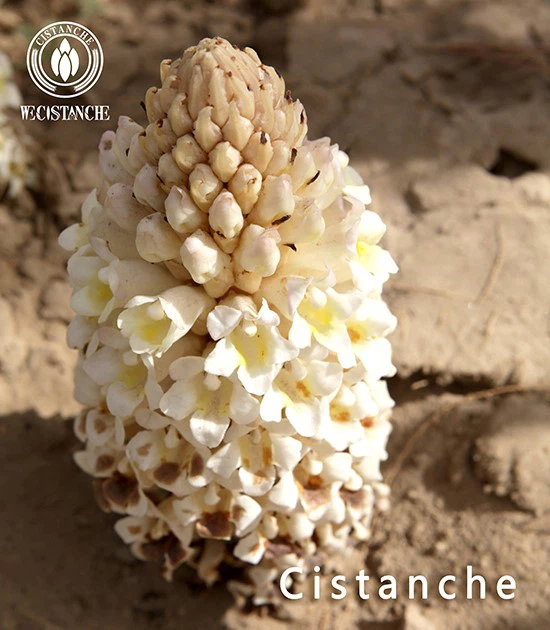
In the vast and boundless desert filled with yellow sand, there is a mysterious and precious plant, Cistanche deserticola, which is known as the "desert ginseng". It is the fleshy stem of Cistanche deserticola, a plant in the Ledaceae family, with dry and scaly leaves. It is also known as Yunyun, ga oblin, and golden bamboo shoots. From its name, it can be seen that people compare it to precious ginseng, which is enough to demonstrate its high value. In the long river of history, Cistanche deserticola has always been a precious treasure presented to the imperial court by various countries in the Western Regions, highly valued.
Cistanche deserticola has extremely high medicinal value. It is sweet and warm in nature, salty and moist in quality, and has the functions of nourishing yang without dryness, warming and promoting kidney yang, and tonifying kidney deficiency. The characteristics of nourishing yin without greasiness, moistening the intestines, and promoting abdominal circulation to treat constipation. It is precisely because of its nourishing and gentle nature that it is called Cistanche (calm and composed). There are many records in the "Compendium of Materia Medica" about the medicinal use of Cistanche deserticola. For the treatment of labor injuries and infertility, four liang of Cistanche deserticola can be boiled until tender, cut thinly and finely, and stewed with lamb for consumption. For kidney deficiency and white turbidity, divide it into small parts such as Cistanche deserticola, deer antlers, yam, and white Poria cocos, and add rice paste to make meatballs for consumption. Modern medical research has also shown that Cistanche deserticola contains various beneficial ingredients for the human body, which can effectively nourish the kidneys and essence. It has a certain therapeutic effect on treating symptoms such as soreness, dizziness, tinnitus, nocturnal emission, and premature ejaculation caused by kidney deficiency; It can also nourish yin and moisten dryness, relieve symptoms such as yin deficiency and excessive fire, dry mouth and throat, and has an effect on constipation caused by yin deficiency; At the same time, it also contains anti fatigue and antioxidant components, which help improve the body's fatigue state, enhance tolerance, and improve immunity.

Cistanche benefits for men
However, the growth environment of Cistanche deserticola is extremely unique and harsh. It is a parasitic plant that parasitizes the roots of the desert plant Salix, mainly growing in the Gobi desert environment with extreme drought, strong sunlight, annual precipitation less than 250mm, drastic changes in temperature, strong winds and sand, poor soil development, medium fine sand, thin soil layer with coarse texture, neutral or alkaline, high salt content and lack of organic matter. Such a harsh environment has nurtured such a magical Cistanche deserticola, which cannot help but amaze people with the miraculous nature of nature. It is precisely because of its unique growth environment and harsh growth conditions that the yield of Cistanche deserticola is relatively low, making it increasingly precious. This has also sparked a strong interest among many people in the cultivation of Cistanche deserticola. When is the most suitable season to plant Cistanche deserticola? Can we plant Cistanche deserticola in summer? Next, let's delve into it together.
Planting Cistanche deserticola in summer? Feasibility Unveiled
The growth habit of Cistanche deserticola has a large bottom
Cistanche tubulosa benefits and side effects
To explore whether it is possible to plant Cistanche deserticola in summer, it is first necessary to have a deep understanding of its growth habits. As a parasitic plant that parasitizes the roots of the desert plant Salix, Cistanche deserticola has its own unique "preferences". It particularly prefers arid environments and can grow better in areas with annual precipitation of less than 250mm. This is because excessive precipitation may cause the soil to become too moist, affecting its growth and even causing diseases. Strong sunlight is also one of the key factors for the growth of Cistanche deserticola. Adequate light can promote photosynthesis, providing energy for its growth and obtaining nutrients from its host. The environment with a large temperature difference between day and night has a positive impact on the growth of Cistanche deserticola. The large temperature difference between day and night is conducive to the accumulation of nutrients, allowing Cistanche deserticola to store more effective ingredients, thereby improving its quality and medicinal value. In some desert areas, the temperature can reach up to 40 ℃ during the day and drop to around 10 ℃ at night, creating unique conditions for the growth of Cistanche deserticola.
Adaptation of Summer Environmental Conditions to Cistanche deserticola
Let's take a look at the environmental conditions in summer. In most regions, summer temperatures are generally higher, and in some desert areas, daytime temperatures can often exceed 45 ℃ or even higher. Excessive temperature is a huge challenge for the germination of Cistanche deserticola seeds. Under high temperature conditions, the physiological activities of seeds may be inhibited, leading to a decrease in germination rate. Even if successful germination occurs, high temperatures may cause damage to the growth of seedlings, making it difficult for them to develop normally and even leading to death due to their inability to withstand high temperatures.
In terms of precipitation, although the desert area is generally dry and rainless, extreme precipitation such as a rainstorm will occasionally occur in summer. Cistanche deserticola has adapted to arid environments for a long time, but its root system has poor adaptability to excessive water. Once encountering a rainstorm, the water in the soil will increase significantly in a short time, which may cause soil water accumulation, leading to oxygen deficiency in the root of Cistanche deserticola, thus causing root rot and other problems, seriously threatening the survival of Cistanche deserticola.
Success Stories and Practical Experience Sharing
However, there are also cases of successful cultivation of Cistanche deserticola in summer. In some areas with rich planting experience, growers have overcome the unfavorable factors of summer and successfully planted Cistanche deserticola by taking a series of special measures. For example, in some areas of Xinjiang, growers will build shade nets in their planting areas, which can effectively block some sunlight, lower temperatures, and create a relatively cool growth environment for Cistanche deserticola. At the same time, they will also use precise irrigation to strictly control the amount and timing of watering according to the growth needs of Cistanche deserticola, to avoid the impact of excessive or insufficient water on Cistanche deserticola. Through these meticulous management measures, these areas can also allow Cistanche deserticola to grow vigorously in summer and achieve good yields. But these successful cases often require a large amount of manpower, material resources, and technical support, which may pose certain difficulties for ordinary growers to implement.

Cistanche deserticola
Which season is the best to plant Cistanche deserticola?
Spring Planting: Embarking on a Journey of Hope
Spring, when everything recovers and the earth warms up, is one of the golden periods for planting Cistanche deserticola. When spring comes, the temperature gradually rises, the soil begins to thaw, and the moisture content is good, providing favorable conditions for the planting of Cistanche deserticola. In this season, microbial activity in the soil also begins to become active. They can decompose organic matter in the soil, release more nutrients, and provide sufficient nutrition for the germination of Cistanche deserticola seeds and the growth of seedlings.
Planting Cistanche deserticola in spring allows for rapid germination of seeds under relatively suitable temperature and humidity conditions. Generally speaking, the temperature in spring is between 10 ℃ and 25 ℃, which is very suitable for the germination of Cistanche deserticola seeds. After seed germination, as the temperature continues to rise, the seedlings can grow rapidly and establish a stable parasitic relationship with the root system of the host willow. In some Cistanche deserticola planting bases in Inner Mongolia, growers usually plant Cistanche deserticola in spring from March to April. At this point, they will first dig planting pits around the red willow tree, then place the processed Cistanche seeds into the pits, cover them with a thin layer of soil, and water them appropriately. After a period of careful management, the seeds of Cistanche deserticola will germinate smoothly, and the seedlings will grow vigorously, laying a solid foundation for subsequent growth and development. The Cistanche deserticola planted in spring can fully utilize the abundant light and heat resources in spring and summer during the growth process, carry out photosynthesis and nutrient accumulation, and form relatively robust plants in the same year, laying a good foundation for the growth and yield of the following year.

Planting of Cistanche deserticola
Planting in Autumn: Accumulating Strength for the Coming Year
Autumn, with a cool climate, is also a good choice for growing Cistanche deserticola. In autumn, the soil temperature is relatively suitable, generally around 15 ℃ -20 ℃, which is conducive to the germination of Cistanche deserticola seeds and the growth of roots. Moreover, the soil moisture content in autumn is relatively stable, neither too dry as in summer nor prone to excessive moisture as in spring, providing a relatively stable water environment for the growth of Cistanche deserticola.
Another advantage of planting Cistanche deserticola in autumn is that after planting, with the arrival of winter, Cistanche deserticola will enter a relatively dormant state. During this dormant period, the root system of Cistanche deserticola will continue to grow and develop in the soil, constantly establishing closer connections with the root system of the host red willow, absorbing more nutrients, and preparing adequately for growth in the following spring. Just like some areas in Xinjiang, growers will plant Cistanche deserticola in the autumn months of October and November. After planting, although the temperature gradually decreases, the seeds of Cistanche deserticola can still germinate slowly in the soil, and the roots will gradually grow. In winter, Cistanche deserticola can safely survive the cold period under the protection of the soil. When the temperature rises in the following spring, Cistanche deserticola will grow rapidly and show vigorous vitality. After accumulating strength in winter, the growth rate of Cistanche deserticola planted in autumn is often faster, and the yield may be higher in the second year.
Comparison between Spring and Autumn: Each with its strengths and weaknesses
Planting Cistanche deserticola in spring and autumn each has its advantages. From the perspective of seed germination rate, the temperature rises rapidly in spring, and the seed germination speed is relatively fast with a high germination rate. Although the temperature is relatively low in autumn, the soil temperature and humidity are relatively stable, which can also ensure a certain seed germination rate. In terms of seedling growth, seedlings planted in spring can quickly enter the peak growth season and grow rapidly using sufficient light and heat; Seedlings planted in autumn accumulate more nutrients during the winter dormancy period and have stronger growth potential the following year.

Professor Cistanche Research on the Growth of Cistanche deserticola
The probability of occurrence of pests and diseases also varies. As the temperature gradually rises in spring, the activities of pests and diseases will also become more frequent, and Cistanche deserticola may face more threats from pests and diseases during its growth process; During autumn planting, as the temperature gradually decreases, the activity of pests and diseases is relatively less, and the probability of Cistanche deserticola being affected by pests and diseases in the early stages of growth will also decrease.
Growers can choose the appropriate planting season based on local climate conditions, soil conditions, as well as their own planting experience and management capabilities. If the local spring temperature rises quickly, precipitation is relatively high, and soil moisture is good, then spring planting may be a good choice; If the local autumn climate is cool, the soil temperature and humidity are stable, and the winter is not too cold, which will not cause frost damage to the seedlings of Cistanche deserticola, then autumn planting can also achieve good results.
Comprehensive strategy for planting Cistanche deserticola
Land selection and preparation: creating a high-quality 'home'

desert ginseng
Click here to view Cistanche Enhance Immunity products
【Ask for more】 Email:cindy.xue@wecistanche.com / WhatsApp: 0086 18599088692 / Wechat: 18599088692
To ensure the robust growth of Cistanche deserticola, site selection and preparation are crucial first steps. As a sand plant, Cistanche deserticola has unique requirements for its growth environment. It prefers places with abundant sunlight, which allows it to better carry out photosynthesis and accumulate nutrients. An environment with low rainfall is also important, as excessive rainfall may make it "unsuitable for the environment" as it has already adapted to the arid desert climate. Good drainage conditions are essential. Cistanche deserticola does not like a "wet" environment. Good drainage can prevent water accumulation in the roots and prevent root decay. The desert hilly area with a large temperature difference between day and night is an ideal place for the growth of Cistanche deserticola. The larger temperature difference between day and night is conducive to storing more nutrients and improving their quality.
After selecting the site, the land preparation work cannot be ignored. For soil, it is best to choose sandy soil or sandy loam soil, which has a loose texture, good air permeability and permeability, and is very suitable for the growth and respiration of Cistanche deserticola roots. If the soil fertility is insufficient, some organic fertilizers such as composted farmyard manure and compost can be applied during land preparation to provide sufficient nutrients for the growth of Cistanche deserticola. Plowing the land is also an important part. Generally speaking, the plowing depth should reach 30-40 centimeters, which can break the soil's compacted layer, make the soil looser, and facilitate the rooting and extension of Cistanche deserticola roots. At the same time, plowing can also bring weeds, pests, and diseases from the soil to the surface, reducing their impact on the growth of Cistanche deserticola.
Host selection and cultivation: finding the best 'partner'
Cistanche deserticola is a parasitic plant that relies on its host to survive and grow, so choosing a suitable host is crucial. Red willows, red willows, and other plants are common hosts of Cistanche deserticola because they have strong drought and salt alkali tolerance, and can grow in harsh desert environments, which is in line with the growth environment requirements of Cistanche deserticola. Moreover, these host plants have well-developed root systems that can provide sufficient nutrients and water for Cistanche deserticola.
When selecting host plants, it is important to choose plants that are robust in growth and free from pests and diseases. If the host plant is artificially planted, for red willows, the plant spacing can be controlled at around 1.5 meters, and the row spacing can be maintained at around 3 meters. This can ensure that the plants have sufficient growth space and improve land utilization efficiency. Before planting the host plant, it is necessary to dig a planting pit, and the depth and diameter of the pit should be determined according to the size of the plant. Generally, the depth is 40-50 centimeters and the diameter is 30-40 centimeters. After placing the host plant in the pit, it is necessary to straighten the plant, then backfill the soil, gently press it, and ensure the stability of the plant. After planting, watering should be done promptly to keep the soil moist and promote the survival and growth of host plants.
Vaccination Technology: Embarking on a Journey of Symbiosis
After the host plant is planted, the inoculation of Cistanche deserticola can be carried out, which is a key step in establishing a symbiotic relationship between Cistanche deserticola and the host. The vaccination time is generally chosen in spring or autumn, which are suitable for the climate conditions, and the growth of host plants is also vigorous, which is conducive to the parasitism and growth of Cistanche deserticola.
There are various inoculation methods, and one common method is to dig inoculation pits near the root system of the host plant. The depth of the inoculation pit is generally 40-60 centimeters, which allows the seeds of Cistanche deserticola to better contact the root system of the host plant. Spread the seeds of Cistanche deserticola evenly in the inoculation pit, and then cover it with a layer of fine soil 2-3 centimeters thick. When sowing seeds, attention should be paid to the density of the seeds, neither too dense nor too sparse. Too dense can lead to insufficient growth space for Cistanche deserticola, while too sparse can affect yield. After inoculation, the soil in the inoculation pit should be kept moist, but excessive watering should also be avoided to prevent seed decay. Soil moisture and temperature can be maintained by covering with plastic film or other methods to promote seed germination and growth of Cistanche deserticola.
Field Management: Careful Care for Growth
During the growth process, Cistanche deserticola requires careful field management to thrive. Irrigation is one of the important aspects of field management. Although Cistanche deserticola is drought-tolerant, it also requires an appropriate amount of water during its growth period. During the dry season, watering should be done promptly to keep the soil moist, but water accumulation should be avoided. Generally speaking, watering once every 10-15 days is sufficient, and the specific watering frequency should be determined according to the local climate conditions and soil moisture.
Fertilization should not be ignored, mainly organic fertilizers such as manure, which can provide comprehensive nutrition for Cistanche deserticola, improve soil structure, and enhance soil fertility. In the early stage of growth of Cistanche deserticola, fertilization can be reduced, and gradually increases as the plant grows. When fertilizing, pay attention to the location of fertilization and do not place it too close to the roots of Cistanche deserticola to avoid burning and damaging the roots.
Disease and pest control are also important aspects of field management. The powdery mildew of red willow mostly occurs in July-August, which will harm the tender branches. It can be controlled by spraying 300 times of biological agents or 4000 times of 25% triadimefon. Red willow root rot often harms the roots during the seedling stage, and during the occurrence period, 50% carbendazim 1000 times can be used to irrigate the roots. For breeding flies, 90% trichlorfon 800 times solution or 40% dimethoate emulsifiable concentrates can be used to spray or irrigate roots above ground to prevent their larvae from harming the tender stems and underground stem bases of Cistanche deserticola.
It is also necessary to clean up weeds promptly, as weeds compete with Cistanche deserticola for nutrients, water, and sunlight, affecting its growth. Manual or chemical weed control methods can be used, but it should be noted that when using chemical herbicides, they should not cause damage to Cistanche deserticola. The focus of field management varies in different seasons. Pay attention to timely watering in spring to promote the germination and growth of Cistanche deserticola; In summer, it is necessary to do a good job of shading and cooling to prevent high temperatures from causing damage to Cistanche deserticola; In autumn, fertilization management should be strengthened to provide sufficient nutrients for the later growth stage of Cistanche deserticola; In winter, measures should be taken to prevent cold and keep warm to ensure the safe overwintering of Cistanche deserticola. By scientifically and reasonably managing the fields, creating a favorable environment for the growth of Cistanche deserticola, high-quality and high-yield Cistanche deserticola can be harvested.

Planting Cistanche deserticola
At the end: Embark on a journey of growing Cistanche deserticola
The cultivation of Cistanche deserticola is full of challenges and opportunities in every aspect, from seasonal selection to planting techniques. Spring and autumn are the golden periods for planting Cistanche deserticola, each with unique advantages. Growers need to make the most suitable choice based on the local conditions. In the process of planting, every step, such as site selection, host selection, inoculation techniques, and field management, is related to the growth and harvest of Cistanche deserticola.
If you are interested in the cultivation of Cistanche deserticola, why not bravely take the first step? Starting from understanding the local climate and soil conditions, learning scientific planting techniques, and carefully nurturing the growth of each Cistanche deserticola plant. Perhaps shortly, you will be able to harvest the magical treasures nurtured in this desert on your land, experience the joy and harvest brought by characteristic planting, and contribute your strength to ecological protection and economic development. Let's embark on this hopeful journey of growing Cistanche deserticola together!