Sand Sea Hides Treasures, Pastoral Heart Coexists, The Millennium Bond Between Border Herdsmen And Cistanche Tubulosa
Apr 20, 2026
In the vast desert of the northwest border of our country, the wind is the eternal messenger, the red willow is the stubborn backbone in the gravel, and the Cistanche tubulosa, a "desert ginseng" parasitic on the roots of the red willow, is a precious gift from nature to herdsmen. The story of border herders and Cistanche tubulosa has been passed down from generation to generation in the wind and sand circulation, from the "evergreen grass" spoken by nomadic tribes thousands of years ago to the "golden grass" that supports both ecology and wealth today, hiding the codes of resilience, wisdom, and coexistence.
cistanche tubulosa benefits and side effects
As early as more than two thousand years ago, the "Shennong Bencao Jing" listed Cistanche tubulosa as a "top-grade" plant, and the border herdsmen in the Western Regions had already understood the value of this desert plant in their long-term nomadic life. At that time, the Gobi Desert was filled with yellow sand and sparse grass. Herdsmen lived in pursuit of water and grass, working hard and often suffering from exhaustion. By chance, they discovered a plant with thick flesh and a brownish-red color buried under the red willow forest. After harvesting and eating it, it could dispel fatigue and nourish the body. So, digging wild Cistanche tubulosa has become a tradition in the nomadic life of herdsmen - picking seeds in spring, stems in autumn, sun-dried and stored, or eaten fresh, soaked in wine, or used as medicine. This inconspicuous desert plant has gradually become a natural medicine for herdsmen to fight against the harsh desert and replenish their energy. It has also become a witness to their wisdom in dealing with the desert. During the prosperous period of the Silk Road in the Tang Dynasty, herdsmen transported the harvested Cistanche tubulosa to the Central Plains by camel caravans, making this treasure of sandy seas one of the links connecting the border and the inland.

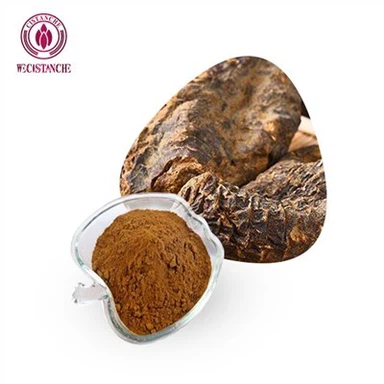
Cistanche tubulosa
Once, the bond between border herdsmen and Cistanche tubulosa was accompanied by a sense of helpless dependence. Ma Zhongqiang, from Bayannur in Alxa Left Banner, was a poor household in the village more than a decade ago. At that time, the grassland was degraded and desertified due to overgrazing and years of drought. He raised hundreds of goats, but he couldn't always make ends meet. Helpless, he had to take his wife to work in the city and struggle in a foreign land. In Mandela Sumu, Ayouqi, after herder Ma Guofu retired from grazing, he was unable to do heavy work due to illness. Even though he planted more than 40000 red willows in front of his house to block the wind and sand, he was unable to gain any benefits from this green area due to a lack of technology and funds. His family's life was extremely difficult. At that time, they may not have known that the ubiquitous red willows and Cistanche tubulosa around them would become a hope for changing their destiny.
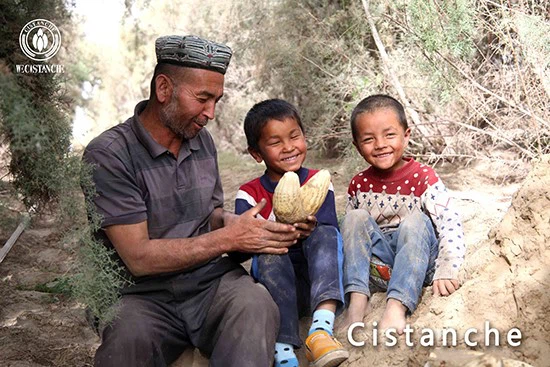
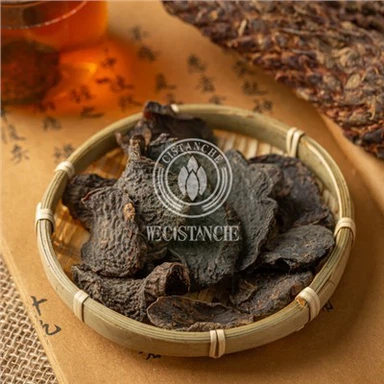
Harvest of Cistanche tubulosa
The turning point began with a dual awakening of ecology and livelihood. With the development of the times, unrestrained wild harvesting has led to a sharp decrease in the population of Cistanche tubulosa. In 2021, Cistanche tubulosa was listed as a second-class protected wild plant in China, and the once easily obtainable "treasure" has gradually become scarce. At the same time, ecological governance in border areas has also been put on the agenda, and people have realized that only by protecting the vegetation of the desert can we safeguard the homes of herdsmen. At this moment, the model of "Red Willow Afforestation+Cistanche Seed Vaccination" opened a new door for herdsmen - it can not only restore the ecology but also increase income, making the sand sea truly "green and golden".
In 2012, Ma Zhongqiang, who was working hard outside, heard that the development of red willow grafted with Cistanche tubulosa in his hometown had good benefits. At the same time, multiple preferential policies were introduced locally, providing subsidies to farmers and herdsmen who met the survival rate standards of red willow forests and achieved a certain scale of vaccination with Cistanche tubulosa. He decisively gave up his livelihood in the city and returned to the Gobi Desert, which he had been dreaming of. At first, he tried planting 3000 acres of red willows, and after three years, they passed the inspection. After deducting expenses, he earned more than 100000 yuan, which doubled his confidence. In the following years, he purchased tractors, pit cutters, and other equipment, continuously expanding the planting scale. Now, on the 16000 acres of Gobi he contracted, more than 10000 acres of red willow forests are lush, of which more than 3000 acres are grafted with Cistanche tubulosa. He can harvest two seasons a year and earn an annual income of more than 400000 yuan. He used to be from a poor household, but now he has become a well-known wealth expert.
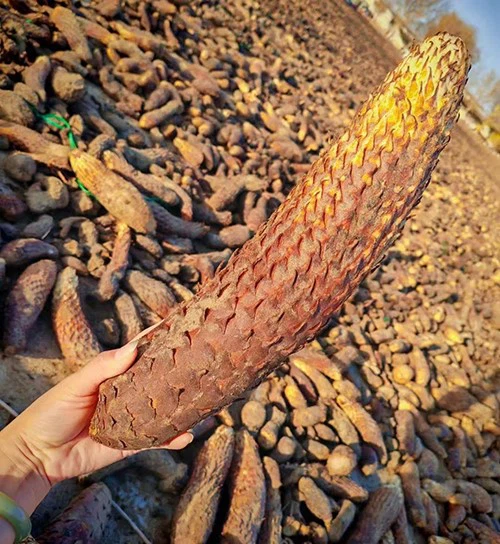
cistanche benefits for men
Click here to view Cistanche for Kidney disease products
【Ask for more】 Email:cindy.xue@wecistanche.com / WhatsApp: 0086 18599088692 / Wechat: 18599088692
Ma Guofu's fate quietly changed with the company of Cistanche tubulosa. In 2015, after he was identified as a registered impoverished household, the local government and village work team discovered his experience in planting trees and encouraged him to develop the red willow grafted Cistanche tubulosa industry. They also invited forestry experts to provide on-site guidance on the technology. With the assistance of the government, Ma Guofu has planted over 400 acres of red willow forests, of which 180 acres have been grafted with Cistanche tubulosa. Today, the red willow forest in front of his family has grown into a green barrier, blocking the raging sandstorms, and the cistanche has become a "magic weapon to become rich". Every year, just selling cistanche and cistanche seeds can earn 20000 to 30000 yuan. In addition to ecological compensation and pension insurance, his family's annual income has reached more than 90000 yuan. He has successfully lifted himself out of poverty and become a model household of the Party Center, enthusiastically imparting planting experience to the surrounding herdsmen, and driving a large number of farmers and herdsmen on the road to green wealth.
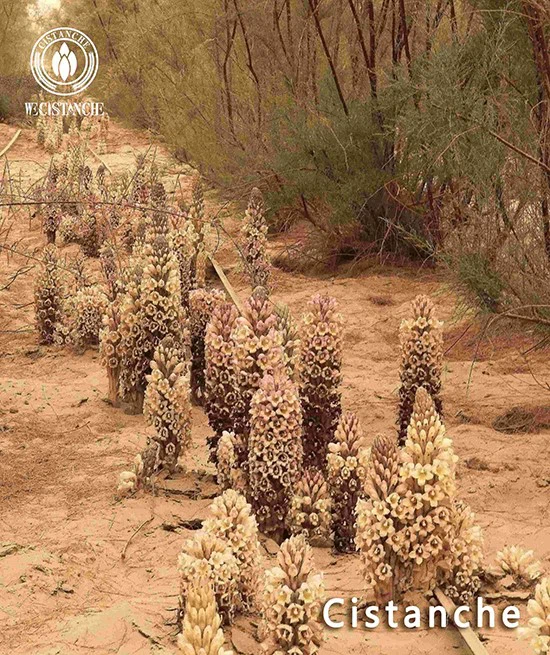
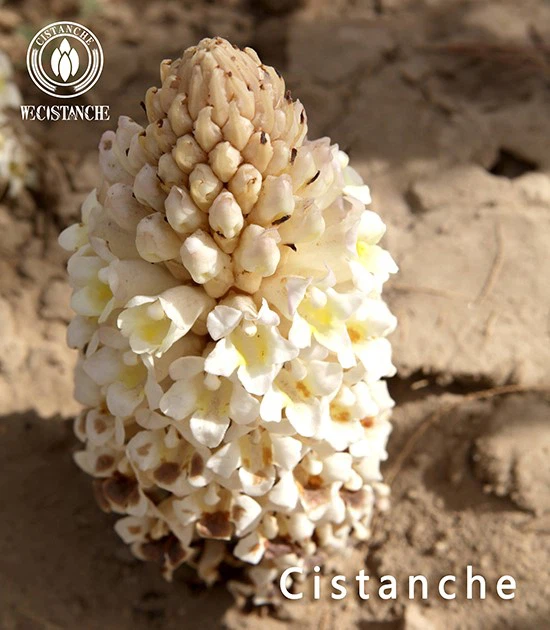
Cistanche tubulosa florescence
There are many stories like this on the sandy land of the border. The herdsmen of Huogeqi Sumu in Urad Rear Banner are now shuttling among the vast red willow forests, carefully digging for Cistanche tubulosa. The days of "worrying about guarding the sandy land" are gone forever. The planting of Cistanche tubulosa alone has driven an average annual income increase of over 15000 yuan for more than 1000 herdsmen in the surrounding area. Suhahtu Gacha has established a joint-stock economic cooperative, registered trademarks, built processing plants, explored the model of "party branch+cooperative+company+herder", extended the Cistanche tubulosa industry chain, and made the herders' wallets more and more abundant. Nowadays, the average annual income of Gacha herders from the sand industry has reached about 20000 yuan.
From wild harvesting in the past to artificial cultivation today, from relying solely on nature to actively protecting the ecology and developing industries, the story of border herders and Cistanche tubulosa has transcended the simple relationship of "harvesting and utilization" and sublimated into a symbiotic bond of mutual prosperity. The herdsmen guard the red willow forest and the growth environment of Cistanche tubulosa, which nourishes their lives with abundant rewards and turns the vast desert into a "treasure trove". Nowadays, with fewer sandstorms and more rainfall, the green on the Gobi Desert is becoming stronger and stronger, and the lives of herdsmen are becoming more and more prosperous. Cistanche tubulosa is no longer just a sand plant, but a symbol of the resilience of border herdsmen, a witness to the win-win situation of ecology and livelihood, and a microcosm of the prosperity and development of China's border areas.
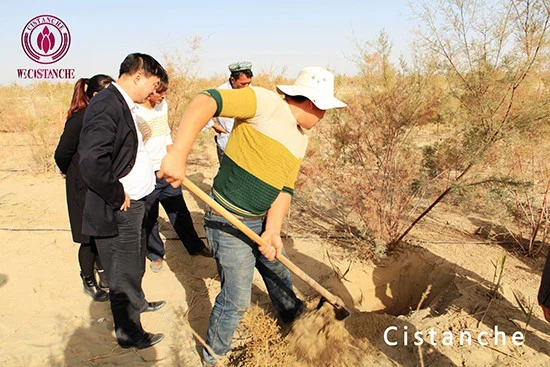
Planting of Cistanche tubulosa
The wind swept through the red willow forest, carrying the faint fragrance of Cistanche and the laughter and joy of the herdsmen. On this vast borderland, the story of herdsmen and Cistanche tubulosa continues to be written - the miracle of turning sandy seas into oases, the dream of herdsmen working hard to get rich, and the touching chapter of harmonious coexistence between humans and nature.