Selection And Personalized Matching Of Membrane Materials And Filtration Methods in Hemodialysis
Mar 04, 2024
The blood purifier's membrane is the hemodialysis system's primary component. It is located between the patient's blood and the dialysate to control solute exchange. From this perspective, membrane properties are critical for controlling solute transfer and modulating blood-membrane interaction bioreactivity. Currently, membranes for blood purifiers are almost exclusively produced in the form of hollow fibers (i.e., capillary fibers), a design that has proven suitable for optimizing solute exchange between blood and dialysate.

Click to Cistanche for kidney disease
The blood purifier is the second component of the hemodialysis exchange system and represents the interface between the internal and external environments. It has different names in different blood purification methods, such as dialyzer, filter, plasma separator, and plasma component separation. device, perfusion device/adsorber, immunoadsorption column, bilirubin adsorption column, etc. Blood purifier geometry is necessary to optimize solute mass exchange and minimize blood bioreactivity.
Hollow fibers have very precise characteristics, specifically the inner diameter is 180-250 μm; the thickness is 6-50 μm; the length is 14-28 cm; the surface area is 0.8-2.2 m2; and the number of hollow fiber tubes is 8000-12,000. It is characterized by a very thin endothelial layer, which ensures high clearance efficiency; the dense middle layer can make the membrane more stable and resist endotoxins from entering the blood; the finger-like layer is relatively loose, which can reduce the resistance of toxins from diffusing from the blood to the dialysate. , improve the clearance rate.
2. Classification of hemodialyzer membrane materials
The first category is the classic cellulose family, including two main categories: cellulose membrane (copper imitation membrane, regenerated cellulose membrane) and modified cellulose membrane (cellulose acetate membrane, triacetyl cellulose, blood imitation membrane). The second category is synthetic membranes, which represent the most advanced engineering membranes at present. There are four subgroups of synthetic membranes, namely polysulfone family, polyacrylonitrile family, polymethyl methacrylate and its variants, and ethylene-vinyl alcohol copolymer family. Currently, more than 90% of hemodialysis patients worldwide are treated with highly permeable synthetic membranes.

3. Membrane permeability and blood purifier performance
Membrane permeability is classified as low permeability (low flux), high permeability (high flux), or very high permeability (ultra-lux, so-called medium-high rejection, or protein leakage membranes). Membranes relying on nano-controlled spinning technology allow the development of highly permeable membranes with better solute selectivity while preventing albumin loss. Membrane permeability is commonly evaluated in terms of ultrafiltration coefficient and solute permeability (transport area coefficient of low molecular weight solutes and/or sieving coefficient of medium and large molecular weight solutes).
The clinical requirement for blood purifiers is to maximize the removal of small and medium molecule toxins while preventing the passage of endotoxins and bacteria. Therefore, there is a need for better biocompatibility, which can minimize complement activity and minimize coagulation.
The reaction between various components in the blood and the dialysis membrane is called the biocompatibility of the membrane. Once the biocompatibility of the membrane is not good during dialysis, complications such as coagulation, allergic reactions, arteriosclerosis, malnutrition, and low immune function will occur. In this process, the clearance rate can be effectively reflected.
(1) The removal of small molecule toxins mainly relies on diffusion. The diffusion efficiency depends on the solute concentration gradient, dialysis membrane pore length, area, surface charge, membrane resistance to solute passage, distance and temperature required for diffusion, etc. Diffusion can effectively remove small molecules and uncharged solutes but is less effective at removing medium and large-charged solutes that are bound to plasma proteins or other molecules.
(2) The clearance of small molecule toxins is also related to blood flow: ① The higher the blood flow, the higher the clearance rate. ② The solute clearance of small molecules increases to a certain level as blood flow increases and then remains stable. For a low-pass synthetic membrane dialyzer, the clearance rate is close to the blood flow when the blood flow is low.
(3) The clearance of small molecule toxins is also related to the membrane area. As the membrane area increases, the clearance rate of urea increases under the same blood flow.
(1) The removal of medium molecular toxins mainly relies on convection. The effective transmembrane pressure is the sum of all pressures acting on both sides of the membrane.
(2) For the removal of medium molecular toxins, the permeability of the membrane is very important. The thinner the membrane, the smaller the resistance to solute penetration; the more and larger the membrane pores, the higher its permeability. The amount of such solutes removed mainly depends on the ultrafiltration capacity and sieving coefficient of the membrane. Common clinical hemodialysis, hemofiltration, and hemodiafiltration have different transport mechanisms.
The difference between high-flux membrane and low-flux membrane: (1) Low-flux filter membrane: small pore size, low water permeability, good at removing small molecules, but unable to remove macromolecular solutes. (2) High-flux filter membrane: large pore size, high water permeability, effective in removing small molecule solutes, and can also remove large molecule solutes such as β2m.

Medium cutoff and high cutoff membranes: At present, protein leaky membranes including medium cutoff membranes have been developed to facilitate the removal of larger medium molecules during hemodialysis. These membranes have been around since 1998. Medium-cutoff membranes are more permeable than high-flux membranes, but still less permeable than high-flux membranes, which are often used for therapeutic protein depletion such as in multiple myelitis. Acute kidney injury secondary to neoplasia or rhabdomyolysis.
4. Summary
(1) Performance of blood purifier: membrane flux, clearance rate, screening coefficient, biocompatibility, etc.
(2) Dialysis method: diffusion, convection.
(3) For the first dialysis, the membrane area is small and the flux is low to prevent imbalance reactions.
(4) High blood pressure is difficult to control with drugs, there is a large weight gain between dialysis periods, the cardiovascular system is stable, and high-flux is recommended for those who have been on dialysis for a long time.
(5) Choose the appropriate blood purifier according to different underlying diseases.
How Does Cistanche Treat Kidney Disease?
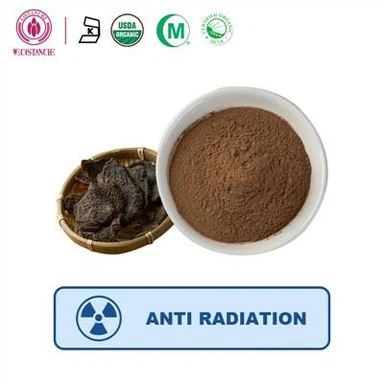
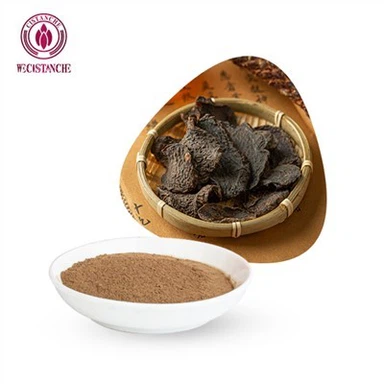
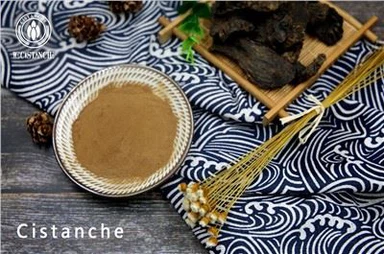
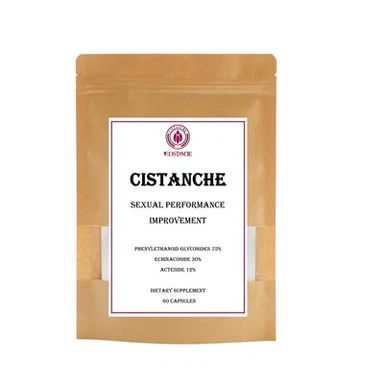
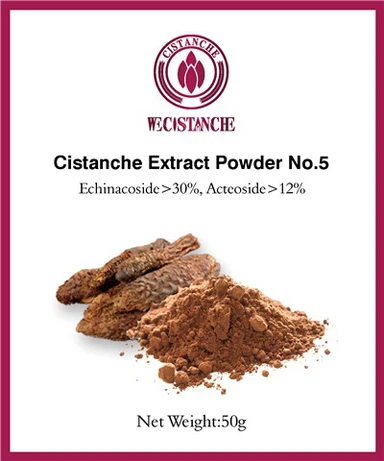
Cistanche is a traditional Chinese herbal medicine used for centuries to treat various health conditions, including kidney disease. It is derived from the dried stems of Cistanche deserticola, a plant native to the deserts of China and Mongolia. The main active components of cistanche are phenylethanoid glycosides, echinacoside, and acteoside, which have been found to have beneficial effects on kidney health.
Kidney disease, also known as renal disease, is a condition in which the kidneys are not functioning properly. This can result in a buildup of waste products and toxins in the body, leading to various symptoms and complications. Cistanche may help treat kidney disease ase through several mechanisms.
Firstly, cistanche has been found to have diuretic properties, meaning it can increase urine production and help eliminate waste products from the body. This can help relieve the burden on the kidneys and prevent the buildup of toxins. By promoting diuresis, cistanche may also help Reduce high blood pressure, a common complication of kidney disease.
Moreover, cistanche has been shown to have antioxidant effects. Oxidative stress, caused by an imbalance between the production of free radicals and the body's antioxidant defenses, plays a key role in the progression of kidney disease. ies help neutralize free radicals and reduce Oxidative stress, thereby protecting the kidneys from damage. The phenylethanoid glycosides found in cistanche have been particularly effective in scavenging free radicals and inhibiting lipid peroxidation.
Additionally, cistanche has been found to have anti-inflammatory effects. Inflammation is another key factor in the development and progression of kidney disease. Cistanche's anti-inflammatory properties help reduce the production of pro-inflammatory cytokines and inhibit the activation of inflammation mandatory pathways, thus alleviating inflammation in the kidneys.
Furthermore, cistanche has been shown to have immunomodulatory effects. In kidney disease, the immune system can be dysregulated, leading to excessive inflammation and tissue damage. Cistanche helps regulate the immune response by modulating the production and activity of immune cells, such as T cells and macrophages. This immune regulation helps reduce inflammation and prevent further damage to the kidneys.

Moreover, cistanche has been found to improve renal function by promoting the regeneration of renal tubes with cells. Renal tubular epithelial cells play a crucial role in the filtration and reabsorption of waste products and electrolytes. In kidney disease, these cells can be damaged, leading to damaged renal function. Cistanche's ability to promote the regeneration of these cells helps restore proper renal function and improve overall kidney health.
In addition to these direct effects on the kidneys, cistanche has been found to have beneficial effects on other organs and systems in the body. This holistic approach to health is particularly important in kidney disease, as the condition often affects multiple organs and systems. che has been shown to have protective effects on the liver, heart, and blood vessels, which are commonly affected by kidney disease. By promoting the health of these organs, cistanche helps improve overall kidney function and prevent further complications.
In conclusion, cistanche is a traditional Chinese herbal medicine used for centuries to treat kidney disease. Its active components have diuretic, antioxidant, anti-inflammatory, immunomodulatory, and regenerative effects, which help improve renal function and protect the kidneys from further damage. , cistanche has beneficial effects on other organs and systems, making it a holistic approach to treating kidney disease.