Sirtuins in Kidney Health And DiseaseⅠ
Feb 22, 2024
Sirtuins (SIRTs) are recognized longevity regulators in model organisms. Since the initial discovery that SIRTs extend lifespan in nematodes and flies, the characterization of these proteins has led to an understanding of their role as delicate sensors linking metabolic activity to oxidative status. SIRTs play major roles in important biological processes in kidney development and physiological function, including mitochondrial metabolism, oxidative stress, autophagy, DNA repair, and inflammation. Furthermore, alterations in SIRT activity are associated with the pathophysiology and progression of acute and chronic kidney diseases, including acute kidney injury, diabetic nephropathy, chronic kidney disease, polycystic kidney disease, autoimmune diseases, and renal aging.

Click to Cistanche for kidney disease
The renoprotective effects of SIRTs in these diseases make them more attractive therapeutic targets. Several SIRT-activating compounds have shown beneficial effects in kidney disease models; however, further research into novel SIRT-targeting protein strategies to treat and/or prevent kidney disease and increase life expectancy in humans is needed.
Main points
Sirtuins (SIRTs) initially attracted great scientific interest due to their putative role in regulating lifespan in experimental models; however, they are now generally recognized as drivers of healthy aging.
SIRTs regulate key processes in cellular homeostasis, including metabolism, mitochondrial function, oxidative stress, DNA repair, apoptosis, senescence, and inflammation.
SIRTs play an important role in renal development and physiology due to their broad cytoprotective effects on highly specialized and differentiated renal cell types, including podocytes and tubular cells.
SIRT alterations have been identified as a driver of various kidney diseases in humans and experimental models, including acute kidney injury, chronic kidney disease, and diabetic kidney disease.
The identification of sirtuin-active compounds is a major goal in the field; some sirtuin-activating compounds have been shown to enhance SIRT activity and confer renal protection in experimental models, but few have entered clinical trials.
To realize the potential of these interventions in treating and preventing kidney disease and increasing human healthspan, novel SIRT-targeting compounds with improved potency and bioavailability are needed.
introduction
Sirtuins (SIRTs) are a class of evolutionarily conserved histone deacetylases (HDACs) whose activity requires nicotinamide adenine dinucleotide (NAD+). Since their first discovery 30 years ago, proteins of this family have been the focus of extensive research, primarily because of their putative role in lifespan regulation in model organisms, including Saccharomyces cerevisiae, Caenorhabditis elegans, and Melanogaster fly. Additionally, at least one SIRT, SIRT6, is associated with lifespan in male mice. However, initial enthusiasm for SIRTs as longevity proteins waned as subsequent studies challenged the notion that SIRTs affected lifespan in nematodes and insects.

As the debate over the role of SIRTs in longevity unfolds, numerous studies have shown that SIRTs are key mediators in balancing excessive stressors in metabolically active organs, including the kidneys. These findings lead to the concept that SIRTs are important drivers of healthy aging rather than regulators of longevity. For example, overexpression of brain-specific Sirt1 in mice significantly delays aging. In contrast, deletion of Sirt3 or Sirt6 causes premature aging-related organ damage in mice.
This article reviews the role of SIRTs in regulating kidney development and physiological processes such as cellular energy homeostasis, antioxidant activity, and DNA repair. We also discuss the molecular mechanisms underlying the important role of SIRTs in the pathogenesis of acute and chronic kidney diseases, focusing on the most commonly studied SIRTs, SIRT1, SIRT3, and SIRT6. Finally, we highlight the potential of SIRTs as therapeutic targets to antagonize human renal disease and renal aging and the need to identify new strategies to stimulate these proteins.
mammal sirtuins
All SIRTs contain a catalytic core of approximately 270 residues and N- and C-terminal fragments that vary in length and sequence. Mammalian SIRTs act in distinct cellular compartments, where they exhibit specificity for a broad range of acyl protein substrates.
All SIRTs except SIRT4 exhibit deacetylase activity through two consecutive steps; NAD+ is initially cleaved into nicotinamide (NAM) and ADP-ribose and subsequently serves as an acceptor for the lysine acetyl group of the target protein. Generates O-acetyl-ADP-ribose (2′-O-malonyl-ADP-ribose, 2′-OAADPr). SIRT5 has additional acylase activity and transfers the malonyl or succinyl group in the lysine of the target protein to ADP ribose, respectively generating 2′-O-malonyl-ADP ribose (2′-O- malonyl-ADP-ribose, 2′-OMADP) and 2′-O-succinyl-ADP-ribose (2′-O-succinyl-ADP-ribose, 2′-OSADP). SIRT4 has ADP-ribosyltransferase activity and promotes the transfer of ADP-ribose from NAD+ to lysine of the target protein to generate NAM. The metabolic state of the cell determines NAD+ levels and SIRT enzyme activity.
nuclear sirtuins
Three SIRT1, SIRT6, and SIRT7 are localized in the nucleus. The most commonly studied nuclear SIRT is SIRT1, which deacetylates histones at H4 lysine 16 (H4K16) and H3 lysine 9 (H3K9), thereby regulating gene transcription. Cytoplasmic localization of SIRT1 has also been reported. Cytoplasmic SIRT1 is associated with the deacetylation of non-histone proteins, including DNA-binding transcription factors and their co-regulatory molecules, further expanding the biological role of this protein.
SIRT6 directly deacetylates histones H3K9 and H3K56 and plays an important role in maintaining genome stability and telomere function. SIRT7's targets remain largely undetected. SIRT7 is mainly localized in the nucleolus, related to the RNA polymerase I mechanism, and is required for ribosomal DNA transcription. A cytoplasmic pool of SIRT7 that may play a role in replicative senescence has also been identified.
Cytoplasmic sirtuins
Cytosolic SIRT2 interacts with microtubules and deacetylates lysine 40 of α-microtubules. In most somatic cells, acetylated tubulin is required for mitosis and localizes to organelles involved in various stages of the cell cycle. SIRT2's ability to limit tubulin acetylation plays a role in the regulation of mitosis. In particular, SIRT2 is upregulated in the G2/M phase and inhibited in the M phase to promote mitotic exit in the cell cycle. Failure of SIRT2 inhibition prolongs the M phase.
mitochondrial sirtuins
SIRT3 has been described as a master regulator of global mitochondrial protein deacetylation, based on initial findings that SIRT3-deficient mice had higher mitochondrial protein acetylation levels, whereas Sirt4- and Sirt5-deficient mice had lower mitochondrial protein acetylation levels. SIRT3 is also found in the nucleus, where it targets histones H3 and H4. During stress responses, nuclear SIRT3 can be translocated to mitochondria, suggesting that it may be a key regulator of defense mechanisms against cellular damage.

Within mitochondria, SIRT4 is primarily an ADP-ribosylase and, unlike other SIRTs, is inactivated under caloric restriction conditions. SIRT5 was originally identified as a mitochondrial deacetylase, but the presence of arginine (Arg105) and tyrosine (Tyr102) residues in its active site confer additional declonase and succinate activities.
How Does Cistanche Treat Kidney Disease?
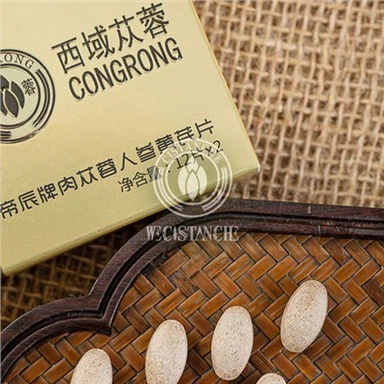
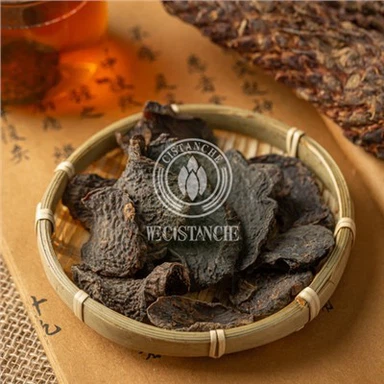
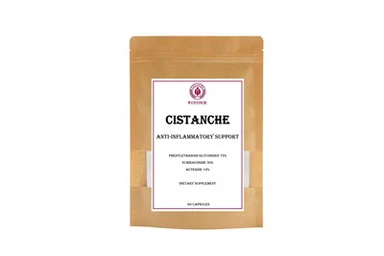
Cistanche is a traditional Chinese herbal medicine used for centuries to treat various health conditions, including kidney disease. It is derived from the dried stems of Cistanche deserticola, a plant native to the deserts of China and Mongolia. The main active components of cistanche are phenylethanoid glycosides, echinacoside, and acteoside, which have been found to have beneficial effects on kidney health.
Kidney disease, also known as renal disease, is a condition in which the kidneys are not functioning properly. This can result in a buildup of waste products and toxins in the body, leading to various symptoms and complications. Cistanche may help treat kidney disease ase through several mechanisms.
Firstly, cistanche has been found to have diuretic properties, meaning it can increase urine production and help eliminate waste products from the body. This can help relieve the burden on the kidneys and prevent the buildup of toxins. By promoting diuresis, cistanche may also help Reduce high blood pressure, a common complication of kidney disease.
Moreover, cistanche has been shown to have antioxidant effects. Oxidative stress, caused by an imbalance between the production of free radicals and the body's antioxidant defenses, plays a key role in the progression of kidney disease. ies help neutralize free radicals and reduce Oxidative stress, thereby protecting the kidneys from damage. The phenylethanoid glycosides found in cistanche have been particularly effective in scavenging free radicals and inhibiting lipid peroxidation.
Additionally, cistanche has been found to have anti-inflammatory effects. Inflammation is another key factor in the development and progression of kidney disease. Cistanche's anti-inflammatory properties help reduce the production of pro-inflammatory cytokines and inhibit the activation of inflammation mandatory pathways, thus alleviating inflammation in the kidneys.

Furthermore, cistanche has been shown to have immunomodulatory effects. In kidney disease, the immune system can be dysregulated, leading to excessive inflammation and tissue damage. Cistanche helps regulate the immune response by modulating the production and activity of immune cells, such as T cells and macrophages. This immune regulation helps reduce inflammation and prevent further damage to the kidneys.
Moreover, cistanche has been found to improve renal function by promoting the regeneration of renal tubes with cells. Renal tubular epithelial cells play a crucial role in the filtration and reabsorption of waste products and electrolytes. In kidney disease, these cells can be damaged, leading to damaged renal function. Cistanche's ability to promote the regeneration of these cells helps restore proper renal function and improve overall kidney health.
In addition to these direct effects on the kidneys, cistanche has been found to have beneficial effects on other organs and systems in the body. This holistic approach to health is particularly important in kidney disease, as the condition often affects multiple organs and systems. che has been shown to have protective effects on the liver, heart, and blood vessels, which are commonly affected by kidney disease. By promoting the health of these organs, cistanche helps improve overall kidney function and prevent further complications.
In conclusion, cistanche is a traditional Chinese herbal medicine used for centuries to treat kidney disease. Its active components have diuretic, antioxidant, anti-inflammatory, immunomodulatory, and regenerative effects, which help improve renal function and protect the kidneys from further damage. , cistanche has beneficial effects on other organs and systems, making it a holistic approach to treating kidney disease.