Sleep Disturbances In Chronic Kidney DiseaseⅡ
Jun 12, 2024
Chronic kidney disease (CKD), defined as a glomerular filtration rate (GFR) <60 ml/min/1.73 m2 or evidence of renal impairment with preserved GFR for ≥3 months, is increasingly common, with a global prevalence of 10–16%1,2. Renal failure refers to the stage of disease where renal function deteriorates to the point where renal replacement therapy (KRT) is required in the form of transplantation or, more commonly, chronic dialysis. CKD, and in particular renal failure, is associated with high mortality, morbidity, and use of healthcare resources, as well as poor quality of life3,4. The presence of sleep disorders such as sleep apnea in patients with CKD further exacerbates this high burden of morbidity and mortality. However, despite their high prevalence in CKD, the clinical presentation of common sleep disorders such as sleep apnea may differ in patients with CKD compared with the general population, leading to underrecognition and underdiagnosis.

Click to Cistanche for kidney disease
This review focuses on the three most common sleep disorders in the general population and patients with CKD-sleep apnea, restless legs syndrome (RLS), and insomnia-and considers their impact on morbidity and mortality in patients with CKD. The diagnosis, epidemiology, and pathophysiology of these disorders will be discussed, as will treatment options and impact on outcomes in CKD.
Restless Legs Syndrome
RLS and periodic limb movement disorder (PLMD) are two terms that are often used interchangeably, although they refer to different diagnoses. RLS is a clinical syndrome characterized by an unpleasant sensation in the legs and an urge to move, typically occurring at night when inactive, with symptoms resolving with walking or moving (Box 1). PLMD is diagnosed based on polysomnography (PSG) or sleep study findings, with characteristic limb movements that may or may not be associated with arousals from sleep; PLMD is a syndrome characterized by periodic limb movements and symptoms of insufficient sleep and daytime fatigue.
Diagnostic Criteria for Restless Legs Syndrome
The following criteria must be met to diagnose restless legs syndrome5:
• An urge to move the legs, usually accompanied by or triggered by an uncomfortable and unpleasant sensation in the legs. Sometimes the urge to move is present without the uncomfortable sensation, and sometimes the arms or other body parts in addition to the legs are affected.
• The urge to move or the unpleasant sensation begins or worsens during periods of rest or inactivity (such as lying or sitting).
• The urge to move or the unpleasant sensation is partially or completely relieved by movement (such as walking or stretching), at least as long as the activity continues. The urge or unpleasant sensation is worse in the evening or night than during the day or occurs only in the evening or night. When symptoms are severe, the nighttime worsening may not be noticeable but must have occurred before.
• Symptoms are not caused solely by another medical or behavioral condition, such as leg cramps or habitual foot tapping.

Diagnostic criteria for periodic limb movement disorder
Periodic limb movement disorder74 is diagnosed based on the presence of repetitive, highly stereotyped limb movements that:
• last 0.5–10 s
• have a minimum amplitude of 8 mV on resting EMG
• are observed in a sequence of ≥ 4 movements
• are separated by > 5 s (from limb movement onset to limb movement onset) and < 90 s
• occur at a rate ≥ 15/h (periodic limb movement index)
• result in clinical sleep disturbance (i.e., difficulty in sleep initiation, sleep maintenance, and/or sleep unrefreshing) or impaired daytime function

Periodic limb movements are detected in approximately 80–90% of patients with RLS who undergo PSG. In contrast, approximately 20% of patients with periodic limb movements detected on PSG do not have any RLS symptoms8.
How Does Cistanche Treat Kidney Disease?
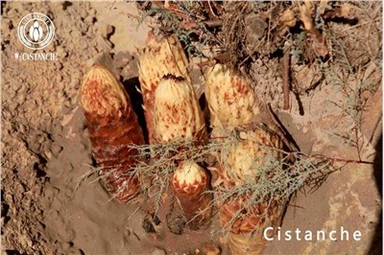
Cistanche is a traditional Chinese herbal medicine used for centuries to treat various health conditions, including kidney disease. It is derived from the dried stems of Cistanche deserticola, a plant native to the deserts of China and Mongolia. The main active components of cistanche are phenylethanoid glycosides, echinacoside, and acteoside, which have been found to have beneficial effects on kidney health.
Kidney disease, also known as renal disease, refers to a condition in which the kidneys are not functioning properly. This can result in a buildup of waste products and toxins in the body, leading to various symptoms and complications. Cistanche may help treat kidney disease ase through several mechanisms.
Firstly, cistanche has been found to have diuretic properties, meaning it can increase urine production and help eliminate waste products from the body. This can help relieve the burden on the kidneys and prevent the buildup of toxins. By promoting diuresis, cistanche may also help Reduce high blood pressure, a common complication of kidney disease.
Moreover, cistanche has been shown to have antioxidant effects. Oxidative stress, caused by an imbalance between the production of free radicals and the body's antioxidant defenses, plays a key role in the progression of kidney disease. ies help neutralize free radicals and reduce Oxidative stress, thereby protecting the kidneys from damage. The phenylethanoid glycosides found in cistanche have been particularly effective in scavenging free radicals and inhibiting lipid peroxidation.
Additionally, cistanche has been found to have anti-inflammatory effects. Inflammation is another key factor in the development and progression of kidney disease. Cistanche's anti-inflammatory properties help reduce the production of pro-inflammatory cytokines and inhibit the activation of inflammation mandatory pathways, thus alleviating inflammation in the kidneys.
Furthermore, cistanche has been shown to have immunomodulatory effects. In kidney disease, the immune system can be dysregulated, leading to excessive inflammation and tissue damage. Cistanche helps regulate the immune response by modulating the production and activity of immune cells, such as T cells and macrophages. This immune regulation helps reduce inflammation and prevent further damage to the kidneys.

Moreover, cistanche has been found to improve renal function by promoting the regeneration of renal tubes with cells. Renal tubular epithelial cells play a crucial role in the filtration and reabsorption of waste products and electrolytes. In kidney disease, these cells can be damaged, leading to damaged renal function. Cistanche's ability to promote the regeneration of these cells helps restore proper renal function and improve overall kidney health.
In addition to these direct effects on the kidneys, cistanche has been found to have beneficial effects on other organs and systems in the body. This holistic approach to health is particularly important in kidney disease, as the condition often affects multiple organs and systems. che has been shown to have protective effects on the liver, heart, and blood vessels, which are commonly affected by kidney disease. By promoting the health of these organs, cistanche helps improve overall kidney function and prevent further complications.
In conclusion, cistanche is a traditional Chinese herbal medicine used for centuries to treat kidney disease. Its active components have diuretic, antioxidant, anti-inflammatory, immunomodulatory, and regenerative effects, which help improve renal function and protect the kidneys from further damage. , cistanche has beneficial effects on other organs and systems, making it a holistic approach to treating kidney disease.