Sweet Crisis in America: Secrets Of Diabetes, Kidney And Cistanche Deserticola
Jul 14, 2025
"Sweet troubles" in the United States: Uncover the high incidence rate of diabetes

Benefits of cistanche tubulosa
In the United States, sweets seem to be a popular pursuit among the general public. Take the president as an example, Biden's love for ice cream is well known and he is often photographed enjoying delicious food at an ice cream shop; Trump even openly stated that he relies on 12 cans of cola every day to "maintain his health", and even set up a "cola summons button" at the White House, where he can receive chilled cola with just one press. This love for sweets is not uncommon. During World War II, the average American soldier ate one bar of chocolate per day, and about a quarter of TV commercials featured dessert brands.
In terms of data, according to the US Centers for Disease Control and Prevention (CDC), the incidence rate of diabetes among the adult population in the United States is about 13.6%, which is high in developed countries. So, what is the reason why Americans are so "favored" by diabetes?
High sugar diet: sweet burden

Effects Of Cistanche
Sugar is ubiquitous in the American diet. Waffles, oatmeal, and doughnuts at breakfast are often drenched with syrup, chocolate sauce, and sprayed with cream. The sugar consumed in breakfast is equivalent to the sugar intake of many Chinese people in a day. For lunch and dinner, poor people often choose fast food such as hot dogs, hamburgers, pizza, and drinks such as cola and Sprite, which are particularly high in sugar. They should consume at least 30-50 grams of sugar per cup. Even the wealthy find it difficult to resist the temptation of sweet sauces and various desserts.
Long-term and large amounts of sweet food intake, the blood sugar concentration of the body,y continues to increase, the risk of insulin resistance increases greatly, and ultimately, it is very easy to cause diabetes. Excessive sugar can also lead to obesity, elevated blood lipids, and further increase the risk of cardiovascular and cerebrovascular diseases, and over 40% of the obese population in the United States is closely related to this high-sugar diet habit.
Fast food culture: health risks behind convenience
Fast food culture is prevalent in the United States, with fast food restaurants such as McDonald's and KFC scattered throughout the streets and alleys. These fast foods mostly have the characteristics of "three highs and two lows", namely high protein, high fat, high calories, low sugar, low vitamins, and low fiber. Long-term consumption leads to excess body heat, fat accumulation, overweight, and obesity. The number of insulin receptors is reduced, sensitivity is reduced, and the risk of diabetes is rising.
A 15-year follow-up study found that people who eat Western fast food for a long time weigh about 4.5 kg more than those who eat less fast food, and insulin resistance is twice the latter. And insulin resistance is the main pathogenesis of type 2 diabetes.
Economic factors: the game between health and cost
The United States is a capitalist country with a significant wealth gap. The government's subsidies for corn cultivation and the sugar industry have made sugar-containing products cheaper, further promoting the popularity of high-sugar foods. In the context of high prices, healthy foods such as meat, eggs, milk, vegetables, and fruits are relatively expensive, while donuts, cereal, hamburgers, fried chicken, and cola can fill the stomach with just a few dollars. For people with limited economic conditions, high-sugar foods have become a last resort.
Low-income groups not only have limited dietary choices, but also often do not have time to exercise due to life pressures. They do not pay enough attention to health. The obesity rate is higher, and they are more likely to suffer from diabetes.

diabetes
Diabetes and kidneys: inextricably linked
The onset of diabetes is usually not directly related to renal function. Its onset is mainly related to genetic factors, environmental factors, and autoimmune system defects. For example, genetic factors make children whose parents have diabetes have certain susceptibility; Infection with rubella virus, Coxsackievirus, and other viruses, exposure to chemical toxins such as the rodenticide imidacloprid, unhealthy lifestyles, or environmental factors such as overnutrition can affect or damage the regeneration of pancreatic beta cells, leading to abnormal insulin secretion function; Under the combined effect of environmental and genetic factors, the autoimmune system is disordered, attacking the islet cells in insulin, causing damage to the islet β cells, and the insulin secretion is deficient or reduced, thus causing diabetes.
However, although the incidence of diabetes is not directly related to renal function, poor long-term control of blood sugar will lead to serious complications of diabetes nephropathy. Long-term hyperglycemia can lead to abnormal local glucose metabolism in the kidneys, causing changes in renal hemodynamics, resulting in high glomerular perfusion, high transmembrane pressure, and high filtration. Like a filter, its structure and function will inevitably be affected if it is subjected to excessive pressure and abnormal metabolite flushing for a long time. The glomeruli in the kidneys are like this filter, mainly composed of tiny blood vessels. Under high blood sugar conditions, the endothelium of these blood vessels can be damaged.

Effects of Cistanche: Improve kidney function
Click here to view Cistanche for Kidney disease products
【Ask for more】 Email: Email:cindy.xue@wecistanche.com / WhatsApp: 0086 18599088692 / Wechat: 18599088692
At the same time, oxidative stress leads to tubulointerstitial fibrosis, and immune-inflammatory and genetic factors are also involved, further exacerbating kidney damage. Elevated levels of inflammatory factors in the blood can damage glomerular and tubular cells, promote the accumulation and fibrosis of the extracellular matrix, and affect renal hemodynamics. At first, there may only be trace amounts of proteinuria, but as the condition progresses, the amount of proteinuria gradually increases, and even manifests as nephrotic syndrome. Patients may also experience hypoalbuminemia, renal dysfunction, and in severe cases, develop into uremia.
Cistanche deserticola: a natural treasure for tonifying kidneys and preventing diabetes?
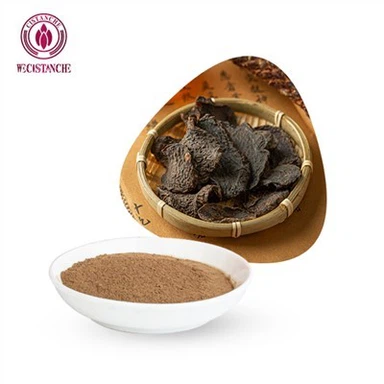
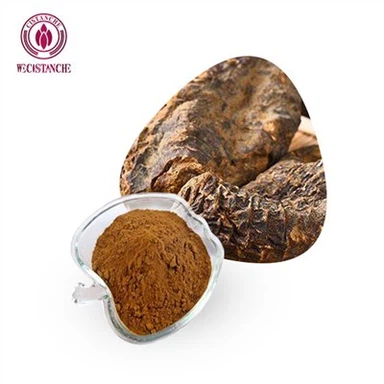
After understanding the reasons for the high incidence of diabetes in the United States and the relationship between diabetes and the kidney, we turned our attention to a mysterious Chinese medicine - Cistanche deserticola. Cistanche, the name sounds full of mystery, what exactly is it? Cistanche deserticola is a perennial parasitic herbaceous plant, mainly distributed in desert areas of Inner Mongolia, Xinjiang, Gansu, and other regions in China. It often grows on the roots of plants such as red willows and is known as the "desert ginseng".
In the field of traditional Chinese medicine, Cistanche deserticola is a highly respected medicinal herb with a sweet and salty taste, and a warm nature, and is beneficial to the kidneys and large intestine meridians. It has the effects of tonifying kidney yang, nourishing essence and blood, moistening intestines, and promoting bowel movements, and is commonly used to treat symptoms such as kidney yang deficiency, essence and blood deficiency, impotence and infertility, soreness and weakness of the waist and knees, and muscle and bone weakness. From the perspective of traditional Chinese medicine theory, the kidney is the foundation of innate nature, responsible for storing essence, growth and development, and reproduction. Kidney yang is like the "little sun" of the human body, warming the whole body and maintaining normal physiological functions. When the kidney yang is deficient, the body is prone to various problems, and Cistanche deserticola can precisely nourish the kidney and promote yang, replenishing yang energy for the body.

Phenylethanol glycoside is the main active component of Cistanche deserticola
So, what is the relationship between Cistanche deserticola and diabetes? Modern research has found that Cistanche deserticola may have certain potential in regulating blood sugar and preventing diabetes. Cistanche deserticola contains various active ingredients, such as polysaccharides, phenylethanoid glycosides, flavonoids, etc., which may exert their effects through multiple pathways. Among them, polysaccharides can improve the serum insulin level of diabetic mice, regulate the activities of key enzymes in liver glucose metabolism, and thus play a hypoglycemic role. Phenylethanoid glycosides can increase insulin secretion, improve insulin resistance, enhance insulin sensitivity, and enable body cells to better utilize glucose, thereby reducing blood sugar levels. Flavonoids have antioxidant and anti-inflammatory effects, can reduce oxidative stress and inflammatory reactions in diabetes patients, protect islet cells, and maintain their normal function.
In animal experiments, after diabetes mice were fed with Cistanche deserticola extract for a period of time, their fasting blood glucose and postprandial blood glucose were significantly reduced, insulin resistance was improved, and the damage of pancreatic islet cells was also reduced. However, at present, most of the research on Cistanche deserticola preventing diabetes is still in the stage of basic experiments and animal experiments, and the effect and safety in the human body still need more large-scale and high-quality clinical trials to further verify.
Scientific view on the preventive effect of Cistanche deserticola
Although Cistanche deserticola shows certain potential in preventing diabetes, we must treat its role scientifically and rationally. Cistanche deserticola can only be used as an auxiliary means to prevent diabetes or improve some symptoms of diabetes patients, and it can never substitute for regular medical treatment. Diabetes is a serious chronic disease. Once diagnosed, patients need to follow the doctor's advice, carry out standardized drug treatment, diet control and moderate exercise, and regularly monitor blood sugar.
There are also some precautions when consuming Cistanche deserticola. Cistanche deserticola is warm and has a certain nourishing effect, which can easily cause internal heat. Therefore, people with a dry and hot constitution who are prone to internal heat should consume it in moderation. When consuming, pay attention to controlling the amount. It is generally recommended to consume no more than 10 grams per time. Overconsumption may cause a burden to the body and discomfort. Moreover, Cistanche deserticola may interact with certain medications. Before consumption, it is important to inform the doctor of any other medications being taken to avoid adverse reactions. When consuming Cistanche deserticola, pairing it with low-sugar, high-fiber ingredients such as vegetables, fruits, whole grains, etc. can not only increase nutritional value and taste, but also help control blood sugar.
Healthy lifestyle, stay away from the 'sweet killer'
The current situation of high incidence of diabetes in the United States has sounded a health alarm for us. It shows us the great impact of unhealthy lifestyles on health. We should take this as a warning and control our sugar intake reasonably in daily life, reduce the consumption of high sugar foods, and eat more fresh vegetables, fruits, whole grains, and other foods rich in dietary fiber. Engaging in at least 150 minutes of moderate-intensity aerobic exercise per week, such as brisk walking, running, swimming, etc., can also help us improve our physical fitness and enhance insulin sensitivity.
Although Cistanche deserticola has unique medicinal value and brings us new hope in preventing diabetes, it cannot replace a healthy lifestyle. On the way to exploring health preservation, we should maintain a rational and scientific attitude, and combine a healthy lifestyle with reasonable health preservation methods, to better prevent diseases, protect the health of ourselves and our families, and stay away from diabetes, the "sweet killer".