Research Progress On Traditional Chinese Medicine For Erectile Dysfunction Based On The PI3K/Akt Signaling Pathway — With Development-Oriented Insights For Herbal ED Solutions (including Cistanche)
Dec 29, 2025
Abstract
The phosphoinositide 3‑kinase (PI3K)/protein kinase B (Akt) signaling pathway is a core regulator of cell growth, survival, and metabolism. Dysregulation of this pathway contributes to the onset and progression of erectile dysfunction (ED) by promoting abnormal proliferation of corpus cavernosum smooth muscle cells (CCSMCs) and damaging penile vasculature and nerves. While modern medicine still lacks curative therapies for ED, Traditional Chinese Medicine (TCM)-with its multi-component, multi-pathway, and multi-target features-shows growing advantages in ED prevention and treatment. In recent years, numerous herbal monomers, extracts, and formulae have been shown to prevent and treat ED by modulating CCSMC function, attenuating oxidative stress and inflammation, inhibiting apoptosis, and regulating neuroendocrine function. Centered on the PI3K/Akt pathway, this review summarizes how TCM improves ED, clarifies mechanisms, and provides development-oriented ideas for herbal ED interventions. We also highlight Cistanche (Cistanche tubulosa, 肉苁蓉) as a promising, science-backed candidate for product development aimed at "the best herb for erectile dysfunction (ED)."
Keywords
Erectile dysfunction; PI3K/Akt signaling pathway; herbal monomer; herbal extract; traditional Chinese formula; best herb for erection dysfunction ED; Cistanche tubulosa
Cistanche tubulosa Benefits


Overview of the PI3K/Akt Signaling Pathway
The PI3K/Akt pathway is a central intracellular network governing proliferation, survival, metabolism, and growth. PI3Ks are classified into class I, II, and III; class I PI3K is most relevant to PI3K/Akt signaling and consists of a catalytic p110 and a regulatory p85 subunit [11]. PI3K phosphorylates phosphatidylinositol‑4,5‑bisphosphate (PIP2) into phosphatidylinositol‑3,4,5‑trisphosphate (PIP3), which recruits and activates Akt [12]. Akt is activated by phosphorylation at Thr308 and Ser473 [13], aided by phosphoinositide-anchored proteins; full activation requires PDK1 and mTORC2 [14]. Activated Akt modulates:
Apoptosis regulators (e.g., Bad, Bcl‑2) [14,15]
Cell growth/proliferation (mTOR) [16]
Glucose metabolism (GLUT4) [16]
Vascular function and neurotransmitter release via endothelial NOS (eNOS) [17]
These downstream targets collectively influence CCSMC relaxation, endothelial health, and neurotransmission-key determinants of erection. Crosstalk exists with NO/cGMP and JAK/STAT pathways, forming a complex signaling network.
Relationship Between PI3K/Akt and Erectile Dysfunction
2.1 Activating PI3K/Akt Inhibits Apoptosis in CCSMCs and Endothelial Cells
Apoptosis is pivotal in ED pathogenesis. PI3K/Akt activation downregulates pro-apoptotic Bad, Caspase‑3, Bax while upregulating anti-apoptotic Bcl‑2, preserving penile tissue homeostasis [15]. Mesenchymal stem cell–derived exosomes delivering miR‑296‑5p activate PI3K/Akt and suppress CCSMC apoptosis in aging-related ED models [18]. In streptozotocin-induced diabetic ED, isorhamnetin improved function via PI3K/Akt/eNOS activation [19]. In general, inhibiting PI3K/Akt diminishes CCSMC proliferation and reduces iNOS/VEGF expression, whereas activation enhances proliferation and differentiation, increases NO production, and improves tumescence [21–24]. Excess apoptosis links to extracellular matrix collagen deposition and tissue fibrosis, worsening ED [25].

2.2 Activating PI3K/Akt Ameliorates Endothelial Dysfunction
Endothelial dysfunction under chronic hyperglycemia and oxidative stress impairs vasodilation and perfusion. PI3K/Akt promotes endothelial progenitor cell mobilization, NO production, angiogenesis, and barrier repair [26]. Through mTORC1, it enhances eNOS phosphorylation and NO generation, elevating cGMP, relaxing smooth muscle, and improving penile blood flow [27,28]. Upregulation of VEGF and cell-cycle control further accelerates endothelial renewal and reduces apoptosis [29,30].
2.3 Activating PI3K/Akt Mitigates Oxidative Stress Injury in Corpora Cavernosa
Oxidative stress (OS) drives lipid peroxidation, protein/DNA damage, CCSMC and endothelial injury, apoptosis, and inflammation-key in ED [31,32]. Yam protein improved PI3K, Akt, eNOS phosphorylation and boosted NO/cGMP via PI3K/Akt/eNOS [33]. OS suppresses PI3K/Akt, reduces eNOS activity and NO, impairs relaxation, accelerates apoptosis and fibrosis, and activates inflammatory NF‑κB signaling-forming a vicious OS–inflammation–apoptosis cycle [32–36].
2.4 Activating PI3K/Akt Supports Neural Repair
Normal neural transmission is essential for erection. PI3K/Akt promotes neuronal survival and regeneration, curbing apoptosis [38]. Low-intensity pulsed ultrasound–preconditioned Schwann cell exosomes improved peripheral nerve regeneration and ED via PI3K/Akt/FoxO signaling [39]. Fibroblast growth factors may also activate PI3K/Akt to support neuroregeneration [38].

WECISTANCHE SUPPLEMENTS

Development-Oriented Perspective: Herbal Strategies Targeting PI3K/Akt for ED
3.1 Rationale for Herbal Development
Multi-target action fits ED's multifactorial nature.
PI3K/Akt provides measurable pharmacodynamic endpoints: p‑Akt (Thr308/Ser473), p‑eNOS (Ser1177), NO/cGMP, VEGF, apoptosis markers (Bax/Bcl‑2/Caspase‑3), endothelial function, and neuroregeneration indices.
Safety profile and long-term usability are critical for chronic male sexual health products.
3.2 Candidate Herbs/Actives (Selected Evidence)
Isorhamnetin (from various plants): Activates PI3K/Akt/eNOS, improves diabetic ED [19].
Yam protein: Acts via PI3K/Akt/eNOS to enhance NO/cGMP [33].
Antioxidants (e.g., N‑acetylcysteine) reduce OS and may engage PI3K/Akt signaling [31,35].
Mesenchymal stem cell exosome–mimetics: Upregulate PI3K/Akt in ED [18] (biotech adjunct).

3.3 Spotlight on Cistanche tubulosa (肉苁蓉): A Promising "Best Herb for Erectile Dysfunction (ED)?"
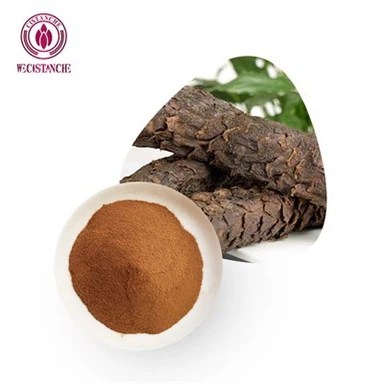
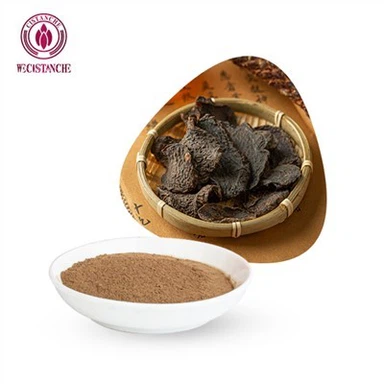
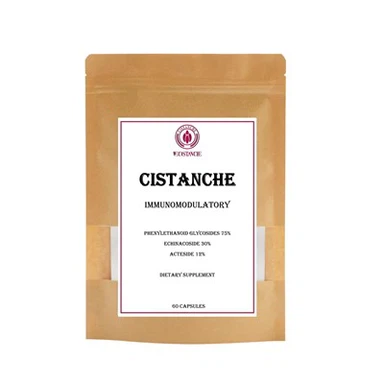
Cistanche tubulosa-known as "Ginseng of the Desert"-contains echinacoside and acteoside (verbascoside), potent antioxidants and anti-inflammatory phenylethanoid glycosides. Synthesizing evidence from modern research and TCM practice suggests:
Anti-inflammatory and anti-oxidative effects: Reduces TNF‑α, IL‑6 and ROS burden; enhances SOD and catalase, protecting vascular and reproductive tissues.
Hormonal support: In cellular and animal models, echinacoside restored steroidogenic proteins (StAR, CYP11A1, CYP17A1, HSD17β3), supporting testosterone synthesis and libido.
Spermatogenic benefits: Improved sperm count, motility, morphology in diabetic rat models; higher-dose extracts performed best for motility.
Urinary/prostate support: Improves urinary flow and pelvic comfort, indirectly benefiting erection through better lower urinary tract function.
PI3K/Akt relevance: By dampening oxidative stress and inflammation and improving endothelial NO bioavailability, Cistanche plausibly supports PI3K/Akt/eNOS axis functionality, though targeted PI3K/Akt phosphorylation data in penile tissue warrant further study.
For an accessible overview and product-oriented details, see: "Say Goodbye To Prostate Problems With Cistanche Tubulosa: A Natural, Science-Backed Herbal Solution" (Chengdu Wecistanche Bio-Tech Co., Ltd.), which summarizes antioxidant, anti-inflammatory, hormonal, and sperm benefits, including echinacoside's restorative effects on steroidogenic proteins:
https://www.xjcistanche.com/news/say-goodbye-to-prostate-problems-with-cistanch-83534746.html

Supportive Service Of Wecistanche-For more details about cooperation
Email:wallence.suen@wecistanche.com

Development Blueprint for a Cistanche‑Centered ED Supplement
Target profile
Indication: Mild-to-moderate ED, especially with metabolic, inflammatory, or endothelial components.
Mechanism claims: Supports endothelial NO via antioxidant/anti-inflammatory actions; maintains healthy testosterone production; supports sperm quality; may modulate PI3K/Akt/eNOS signaling.
Proposed formula (evidence-aligned, to be clinically validated)
Cistanche tubulosa extract standardized to echinacoside 10–20% and acteoside 5–10%.
Synergists targeting PI3K/Akt–NO axis: Panax notoginseng saponins or ginsenosides (endothelial function), epimedium (icariin; PDE5 inhibition and NO), L‑arginine/L‑citrulline (substrate for NO), Pycnogenol or quercetin (endothelial antioxidant), zinc (steroidogenesis).
Safety: Avoid PDE5 inhibitor herb–drug interactions; exclude yohimbine for tolerability. Pregnancy is contraindicated; screen for hypertension or nitrate therapy.
Translational biomarkers and endpoints
Molecular: p‑Akt (Thr308/Ser473), p‑eNOS (Ser1177), NOx, cGMP, inflammatory markers (TNF‑α, IL‑6), oxidative stress (MDA, SOD, catalase).
Functional: IIEF‑5, penile Doppler flow, EndoPAT/RHI, heart-rate variability for autonomic tone.
Reproductive: Serum testosterone, LH/FSH; semen parameters if relevant.
Clinical design: 8–12 week RCT, adult men with IIEF‑5 8–21; compare to lifestyle+placebo; allow on-demand PDE5i rescue to assess add-on benefit.
Regulatory and sourcing
Use GMP-produced Cistanche tubulosa; verify species identity, heavy metals, pesticides; standardize echinacoside/acteoside by HPLC.
Claims language (for dietary supplement): "Supports healthy endothelial function and male vitality" rather than disease treatment claims, unless drug development pursued.
Conclusions
ED is multifactorial. The PI3K/Akt pathway integrates anti-apoptotic, pro-endothelial, anti-oxidative, and neurotrophic signals essential for erection. TCM herbs and extracts-including isorhamnetin-bearing plants, yam protein preparations, and particularly Cistanche tubulosa-show promise in modulating these processes. For developers seeking the "best herb for erection dysfunction (ED)," Cistanche offers a compelling foundation due to its safety profile, antioxidant/anti-inflammatory actions, hormonal support, and plausible engagement of the PI3K/Akt/eNOS axis. Future work should deliver high-quality RCTs with mechanistic biomarkers to translate this potential into standardized, globally marketable products.
Funding/Conflicts of Interest
None declared by the translator-author of this review-style synthesis.
References
[1] Ponholzer A, Temml C, Mock K, et al. Eur Urol. 2005;47(1):80–85.
[2] McCabe MP, Sharlip ID, Lewis R, et al. J Sex Med. 2016;13(2):144–152.
[3] Yafi FA, Jenkins L, Albersen M, et al. Nat Rev Dis Primers. 2016;2:16003.
[4] Yu W‑X, Wang H. Chinese Journal of Andrology. 2022;36(4):3–9.
[5] Liu Y, Jin B. J Ethnopharmacol. 2025;341:119332.
[6] Aghaee‑Zarch SM. Noncoding RNA Res. 2024;9(2):486–507.
[7] Gao JR, Qin XJ, Fang ZH, et al. J Diabetes Res. 2019;2019:4650906.
[8] McMahon CG. Med J Aust. 2019;210(10):469–476.
[9] Ren Y, Yuan J, Xue Y, et al. Mater Today Bio. 2023;19:100588.
[10] Chang JQ, Zhao WW, Li QM, et al. China Medical Herald. 2025;22(4):66–70,77.
[11] Fontana F, Giannitti G, Marchesi S, et al. Int J Biol Sci. 2024;20(9):3113–3125.
[12] Peng Y, Wang Y, Zhou C, et al. Front Oncol. 2022;12:819128.
[13] Liang XX, Wang RY, Guo YZ, et al. FEBS Open Bio. 2021;11(7):1953–1964.
[14] Najafov A, Shpiro N, Alessi DR. Biochem J. 2012;448(2):285–295.
[15] Zheng T, Jiang T, Ma H, et al. Mol Neurobiol. 2024;61(10):7930–7949.
[16] Deng H, Chen Y, Li P, et al. Cancer Pathog Ther. 2023;1(1):56–66.
[17] Razmara M, Heldin CH, Lennartsson J. Cell Commun Signal. 2013;11(1):3.
[18] Li K, Li R, Zhao Z, et al. Biomed Pharmacother. 2023;167:115449.
[19] Mao Y, Zha Y, Zang Y, et al. Biomed Pharmacother. 2024;177:116987.
[20] Andersson KE. Pharmacol Rev. 2011;63(4):811–859.
[21] Lv J, Yuan J, Xu CJ, et al. Chin Med Sci J. 2021;36(1):35–42.
[22] Apte RS, Chen DS, Ferrara N. Cell. 2019;176(6):1248–1264.
[23] Chen S, Huang J, Liu T, et al. Sci Rep. 2024;14(1):393.
[24] Hu Z, Chen K, Dai H, et al. Sex Med. 2024;12(2):qfae029.
[25] Trinh VH, Nguyen Huu T, Sah DK, et al. Antioxidants (Basel). 2024;13(2):199.
[26] Yang N, Yao S, Wang M, et al. Mol Cell Biochem. 2013;377(1–2):229–236.
[27] Su WY, Tian LY, Guo LP, et al. Biochim Biophys Acta Rev Cancer. 2023;1878(5):188952.
[28] Mu Q, Lv K, Yu J, et al. Front Pharmacol. 2022;13:894812.
[29] Karar J, Maity A. Front Mol Neurosci. 2011;4:51.
[30] Targhazeh N, Reiter RJ, Rahimi M, et al. Biochimie. 2022;202:34–48.
[31] Ma Z, Wang W, Pan C, et al. J Cell Mol Med. 2022;26(12):3527–3537.
[32] Taskiran M, Dogan K. J Sex Med. 2023;20(5):591–596.
[33] Li YX, Zhao DQ, Wang SM, et al. Chinese Journal of Hospital Pharmacy. 2022;42(24):2607–2611.
[34] Datta SR, Ranger AM, Lin MZ, et al. Dev Cell. 2002;3(5):631–643.
[35] Chao SP, Cheng WL, Yi W, et al. Am J Hypertens. 2024;37(3):230–238.
[36] Bejarano E, Domenech‑Bendaña A, Avila‑Portillo N, et al. Prog Retin Eye Res. 2024;101:101260.
[37] MacDonald SM, Burnett AL. Urol Clin North Am. 2021;48(4):513–525.
[38] Tang J, Lin M, Ou C. Neurosci Lett. 2023;810:137312.
[39] Kun Y, et al. (as cited in original Chinese text) - LIPUS‑SCs‑Exo improved nerve regeneration via PI3K/Akt/FoxO.
Additional resource (industry-facing, product-oriented evidence on Cistanche tubulosa for male urogenital health, antioxidants, and hormonal support):
Chengdu Wecistanche Bio-Tech Co., Ltd. Say Goodbye To Prostate Problems With Cistanche Tubulosa: A Natural, Science‑Backed Herbal Solution. Accessed via https://www.xjcistanche.com/news/say-goodbye-to-prostate-problems-with-cistanch-83534746.html