TCM Herb For Premature Ovarian Failure: Huanjing Decoction & Cistanche Tubulosa, Backed By Exosome NAT10 Biomarker Clinical Research
Jun 18, 2026
ntro
Millions of women under 40 struggle with Premature Ovarian Failure (POF)-marked by missed periods, infertility, plummeting estrogen, elevated follicle-stimulating hormone (FSH), bone loss, chronic fatigue and mood decline. Conventional hormone replacement therapy (HRT) brings recurring symptoms after discontinuation plus adverse side effects, leaving many patients searching for gentle, root-cause herbal remedies rooted in Traditional Chinese Medicine (TCM).

TCM frames POF as a kidney essence depletion disorder: the kidney governs reproduction, bone density and endocrine balance. Two cornerstones of kidney-tonifying ovarian care stand out: the classic compound formula Huanjing Decoction, and the premium single herb Cistanche Tubulosa (Desert Ginseng)-the gold-standard kidney-nourishing extract validated by modern cell and clinical trials.
This article breaks down a peer-reviewed clinical study measuring POF therapeutic efficacy via peripheral blood plasma exosome NAT10 protein, integrates modern pharmacological data on Cistanche extract, connects kidney deficiency to concurrent osteoporosis risk, and delivers evidence-backed herbal insights for readers seeking natural hormone, ovarian and bone support.
Reference Source: Original clinical trial: Evaluation of the Therapeutic Effect of peripheral blood plasma exosome NAT10 protein on the treatment of Premature Ovarian Failure with Kidney Tonifying Traditional Chinese Medicine Huanjing Decoction, Shanghai Jing'an Hospital of Traditional Chinese Medicine, 2024 Clinical Trial Dataset; Cistanche monograph data sourced from WECistanche USDA Organic Extract Research: https://www.xjcistanche.com/cistanche-extract-product/cistanche-for-nourishing-kidney.html
Table of Contents
What Is Premature Ovarian Failure (POF): Symptoms, Diagnosis & Hidden Osteoporosis Risk
TCM Core Theory: POF Root Cause = Kidney Essence Deficiency
Clinical Trial Overview: Huanjing Decoction + NAT10 Exosome Biomarker Research
Full Clinical Trial Translated Findings (Materials, Methods, Results & Discussion)
Cistanche Tubulosa: The Premier Kidney-Tonifying TCM Herb for POF & Bone Health
How Cistanche Complements Huanjing Decoction for Dual Ovarian & Osteoporosis Support
Mechanism Deep Dive: NAT10, Exosomes, RNA Ac4C Modification & Ovarian Follicle Survival
Practical Dosage & Usage Guidance for Kidney-Tonifying Herbal Supplements
Conclusion: TCM Kidney Tonics as Safe, Long-Term POF & Bone Protective Therapy

1. What Is Premature Ovarian Failure (POF): Symptoms, Diagnosis & Hidden Osteoporosis Risk
POF is defined as ovarian dysfunction before age 40, characterized by:
Amenorrhea ≥6 months
Low estradiol (E2), abnormally high FSH ≥40 IU/L on two separate tests
Depleted antral follicles, infertility
Secondary complications: accelerated bone mineral loss (osteoporosis/osteopenia), chronic fatigue, insomnia, skin pruritus, leg cramps, hypertension, depression and cognitive decline.
Current clinical limits of standard POF testing: Routine diagnostics rely on transvaginal ultrasound and serum hormone panels, which fluctuate drastically based on menstrual cycle timing. POF patients suffer oligomenorrhea or full amenorrhea, creating massive testing error margins. Clinicians urgently require a cycle-independent, minimally invasive blood biomarker for early POF screening-this gap is solved by peripheral blood exosome NAT10 protein, as validated in the 2024 Shanghai TCM Hospital clinical trial.
For patients already diagnosed with POF, bone degeneration is a major unaddressed concern: sustained estrogen deficiency accelerates calcium excretion, weakens osteoblast activity and raises fracture risk. TCM kidney-tonifying herbs (including Cistanche Tubulosa) simultaneously restore ovarian endocrine function and slow bone loss by replenishing kidney essence, the TCM foundation of skeletal health.

2. TCM Core Theory: POF Root Cause = Kidney Essence Deficiency
No exact "POF" term exists in ancient TCM texts; its clinical manifestations fall under Blood Dryness, Infertility, and Kidney Vacuity. The core pathogenesis is kidney essence insufficiency:
The kidney stores congenital essence, governs reproduction and bone marrow. When kidney essence is exhausted, the Chong and Ren meridians fail to nourish ovarian tissue, follicles atrophy, menstruation ceases, and bone marrow loses nourishment, triggering both ovarian failure and osteoporosis.
TCM Herb Cistanche Extract Supplements

Browse our cistanche products shop
Supportive Service Of Wecistanche-For more details about cooperation
Email:wallence.suen@wecistanche.com
Leading TCM scholar Professor Lin Shuimiao (Shanghai renowned geriatric gynecology specialist) established the foundational therapeutic principle: Nourish kidney and replenish essence as primary intervention for ovarian aging. The landmark kidney-tonifying formula developed under this framework is Huanjing Decoction, formulated with kidney-nourishing herbs including Cistanche relative Suoyang (Cynomorium songaricum), Rehmannia, Polygonum Multiflorum, and Cuscuta seed-all aligned with Cistanche Tubulosa's core kidney-replenishing mechanism.

3. Clinical Trial Overview: Huanjing Decoction + NAT10 Exosome Biomarker Research
Trial Core Objective
Quantify the clinical efficacy of kidney-tonifying Huanjing Decoction for POF using peripheral blood exosome NAT10 protein as a novel non-invasive biomarker, and analyze correlations between NAT10 levels, ovarian follicle count and reproductive hormone profiles.
Trial Design
Observation Group: 50 female POF outpatients (Shanghai Jing'an TCM Hospital Gynecology, Jan–Dec 2024; average age 32.62±4.58 years) treated with oral Huanjing Decoction liquid
Control Group: 50 age-matched healthy females receiving routine physical exams (average age 33.34±4.91 years)
Treatment Protocol: 10mL Huanjing Decoction oral liquid twice daily (30 mins post breakfast/dinner), 28 days = 1 treatment course, 3 consecutive full courses total
Ethical Approval: Shanghai Clinical Ethics Committee (SECCR2024-60-01)
Key Measured Indicators
Antral follicle count (AFC) via pelvic ultrasound
Reproductive hormones: Estradiol (E2), Follicle-Stimulating Hormone (FSH), Testosterone
Peripheral blood exosome NAT10 protein concentration (ELISA quantification after density gradient ultracentrifugation isolation)
Correlation analysis between NAT10 and ovarian functional markers
Critical Pre-Trial Baseline Findings
Compared to healthy controls, untreated POF patients showed:
Significantly lower antral follicle count (P<0.05)
Reduced serum estradiol, drastically elevated FSH (P<0.01)
Suppressed peripheral blood exosome NAT10 levels (P<0.05)
Post-Treatment Clinical Outcomes After 3 Cycles of Huanjing Decoction
Antral follicle count increased markedly (P<0.05) – restored ovarian follicle reserve
Estradiol concentrations rose significantly; FSH levels declined to near-normal ranges (P<0.05) – balanced hypothalamic-pituitary-ovarian (HPO) axis
Circulating exosome NAT10 protein levels elevated substantially (P<0.05)
Correlation analysis confirmed:
NAT10 concentration positively correlated with antral follicle count, estradiol and testosterone
NAT10 concentration negatively correlated with FSH
Trial Conclusion
Kidney-tonifying Huanjing Decoction effectively repairs ovarian endocrine function, elevates follicle quantity and relieves POF clinical symptoms, demonstrating unique TCM advantages for chronic ovarian aging disorders. Peripheral blood exosome NAT10 protein acts as a reliable, cycle-independent non-invasive biomarker for POF diagnosis and treatment efficacy monitoring.
4. Clinical Trial Manuscript
Title
Evaluation of the Therapeutic Effect of Peripheral Blood Plasma Exosome NAT10 Protein on the Treatment of Premature Ovarian Failure with Kidney Tonifying Traditional Chinese Medicine Huanjing Decoction
Abstract
Objective: To evaluate the clinical efficacy of Huanjing Decoction, a kidney-tonifying TCM formula, for premature ovarian failure (POF) via detection of plasma exosomal NAT10 protein levels. Methods: Fifty patients meeting standardized POF diagnostic criteria from the gynecological outpatient department of Shanghai Jing'an Hospital of Traditional Chinese Medicine (January 2024 to December 2024) were enrolled as the observation group; 50 age-matched healthy women receiving routine physical examinations in the same period formed the control group. The observation group received 1 tube (10mL) of Huanjing Decoction oral solution twice daily after breakfast and dinner, with a 28-day treatment course, for three consecutive cycles. We compared antral follicle counts, reproductive hormone levels, and peripheral blood exosome NAT10 concentrations between POF patients and healthy subjects, as well as pre- and post-treatment metrics within the observation group. Correlations between plasma exosome-derived NAT10 protein and ovarian functional indicators were statistically analyzed. Results: Before treatment, the observation group exhibited significantly lower antral follicle counts than the control group (P<0.05). Post-treatment, antral follicle counts within the observation group increased significantly versus baseline (P<0.05). Pre-treatment estradiol levels in POF patients were markedly lower than healthy controls (P<0.05), while follicle-stimulating hormone (FSH) was significantly elevated (P<0.01). After three courses of Huanjing Decoction, patient estradiol rose (P<0.05) and FSH decreased substantially (P<0.05). Baseline peripheral blood exosome NAT10 levels in POF patients were lower than controls (P<0.05); treatment induced a significant NAT10 upregulation (P<0.05). Peripheral blood exosome NAT10 protein content showed positive correlations with antral follicle count, estradiol and testosterone levels, and a consistent negative correlation with FSH concentrations pre- and post-treatment. Conclusion: Kidney-tonifying TCM Huanjing Decoction significantly improves reproductive hormone profiles, increases antral follicle quantity and recovers ovarian reserve function in POF patients, highlighting TCM's therapeutic strengths for ovarian aging prevention and intervention. Peripheral blood exosome-derived NAT10 correlates closely with ovarian functional markers, qualifying it as a potential non-invasive clinical diagnostic biomarker for POF.
Keywords: premature ovarian failure; Huanjing Decoction; kidney-tonifying traditional Chinese medicine; exosome; NAT10 protein; ovarian reserve
1. Introduction
Premature ovarian failure (POF) is an ovarian degenerative disorder characterized by amenorrhea, infertility, low serum estrogen, elevated gonadotropins, and depletion of mature ovarian follicles in females younger than 40 years old. Its multifactorial etiology includes genetic variation, pelvic radiotherapy/chemotherapy, ovarian surgery, and systemic immune dysfunction. Conventional first-line POF management relies on hormone replacement therapy (HRT), which triggers symptom rebound and multiple adverse reactions upon discontinuation, limiting long-term clinical application.
Standard POF diagnostic workflows depend on transvaginal ultrasound and serum hormone testing, whose readouts fluctuate widely across menstrual cycle phases. Most POF patients experience sparse or absent menstruation, creating major diagnostic inaccuracies and delaying targeted intervention. Developing a stable, cycle-insensitive blood-based biomarker for POF screening is clinically urgent.
POF lacks a direct corresponding disease name in classical TCM literature; its clinical manifestations align with the diagnostic categories of Blood Dryness and Female Infertility, unified under the core pathogenesis of kidney essence deficiency. Huanjing Decoction, a time-tested kidney-replenishing anti-aging formula, has been validated in preclinical murine POF models to mitigate cyclophosphamide-induced ovarian damage: it reduces ovarian granulosa cell apoptosis, increases dominant follicle populations, lowers follicular atresia ratios, and elevates pregnancy rates in impaired ovarian animal subjects.
Exosomes are 40–150nm extracellular vesicles secreted by all somatic cells, transporting mRNA, microRNA and functional bioactive proteins to distal target organs to mediate intercellular communication. Exosomes replicate the regenerative properties of mesenchymal stem cells while eliminating safety risks of direct stem cell transplantation. Prior animal research confirms exosomes derived from human amniotic fluid stem cells alleviate pathological POF in mouse models.
N4-acetylcytidine (ac4C), a highly conserved post-transcriptional RNA modification, is catalyzed by the RNA acetyltransferase NAT10. NAT10 stabilizes mRNA molecules, enhances translational efficiency and modulates pre-mRNA splicing to regulate ovarian follicle development and granulosa cell survival. Previous electroacupuncture studies demonstrated ovarian granulosa cell ac4C modification directly impacts POF progression, and peripheral blood exosome NAT10 is hypothesized to serve as a non-invasive molecular biomarker for ovarian aging. This clinical trial evaluates Huanjing Decoction's POF therapeutic efficacy through measuring exosome NAT10 expression, establishing a molecular foundation for kidney-tonifying TCM ovarian therapy.
2. Materials and Methods
2.1 General Patient Data
Fifty POF patients treated at Shanghai Jing'an Hospital of TCM Gynecology (Jan–Dec 2024) formed the observation group (mean age 32.62±4.58 years); 50 contemporaneous healthy female physical exam participants composed the control group (mean age 33.34±4.91 years). Baseline demographic data (age, BMI, medical history) showed no statistically significant intergroup differences (P>0.05). All research protocols received ethical approval from the Shanghai Clinical Ethics Committee (approval ID SECCR2024-60-01).
2.2 POF Diagnostic Standards
Diagnosis referenced Modern TCM Diagnosis and Treatment of Difficult Gynecological Diseases:
Patient age <40 years old
Continuous amenorrhea ≥6 months
Impaired ovarian reserve: Anti-Müllerian Hormone (AMH) 0.5–1.1 ng/mL, two separate baseline FSH tests ≥40 IU/L
2.3 Inclusion Criteria
Meets formal POF diagnostic criteria
Age range 24–38 years
No hormone or ovarian intervention therapies within the preceding 3 months
Voluntary participation, signed informed consent, full compliance with follow-up schedules
2.4 Exclusion Criteria
Concurrent menstrual disorders from polycystic ovary syndrome, sexual developmental anomalies, ovarian resistance syndrome, pituitary gonadotropin adenoma
Alcohol or controlled substance abuse/dependence within 2 years pre-enrollment
Medication interfering with menstrual cycle function administered within 2 weeks prior to screening
Unstable systemic chronic illness
Abnormal complete blood count: WBC <4×10⁹/L or >10×10⁹/L; RBC <4×10¹²/L; platelets <100×10⁹/L; hemoglobin <100g/L
Impaired renal function: serum creatinine ≥120 μmol/L
Liver function abnormalities: ALT ≥60 IU/L, AST ≥40 IU/L, γ-GGT ≥60 IU/L
2.5 Subject Elimination Criteria
Refusal to ingest study herbal liquid after randomization
Post-enrollment discovery of unmet inclusion/exclusion standards
Concurrent use of prohibited interfering medications during treatment observation
2.6 Subject Attrition Criteria
Participants who failed to complete full trial follow-up schedules after signing informed consent were classified as dropouts.
2.7 Huanjing Decoction Treatment Protocol
Observation group patients received standardized Huanjing Decoction oral liquid manufactured by Longhua Hospital Affiliated to Shanghai University of TCM. Formula raw herb composition (15g each): Radix Rehmanniae Recens, Radix Rehmanniae Preparata, Radix Polygoni Multiflori, Fructus Mori, Fructus Ligustri Lucidi, Semen Astragali Complanati, Herba Cynomorii, Stalactitum, Radix Achyranthis Bidentatae, Semen Cuscutae, Radix Dipsaci, Rhizoma Atractylodis Macrocephalae, Radix Polygalae Preparata, Rhizoma Acori Tatarinowii, Flos Chrysanthemi, Herba Asari, Cortex Lycii Radicis, Semen Plantaginis.
Dosing: 10mL oral liquid administered twice daily, 30 minutes post breakfast and dinner. Treatment initiation occurs post-menstrual cleaning, continued until the next menstrual onset; repeat after subsequent menstruation ends. 28 days constitute one full treatment course, administered for three consecutive cycles total.
2.8 Observation & Detection Indicators
2.8.1 Transvaginal Ultrasound Ovarian Assessment
Ultrasound recorded bilateral ovarian size, capsular morphology, tissue echo density, and quantified antral follicle number, size and developmental staging.
2.8.2 Serum Reproductive Hormone Testing
For cycling control subjects and patients with residual menstruation: 5mL fasting elbow venous blood collected on days 2–4 of the menstrual cycle. For amenorrheic POF patients: blood sampled at any fasting morning timepoint. Whole blood centrifuged at 3000 r/min for 15 minutes (centrifugal radius 11.5cm); serum supernatant transferred to sterile EP tubes. Estradiol, FSH and testosterone concentrations quantified via HPLC-MS/MS per kit manufacturer protocols.
2.8.3 Peripheral Blood Exosome NAT10 Protein Quantification
Peripheral blood exosomes separated via iodixanol gradient density ultracentrifugation:
2mL serum supernatant ultracentrifuged at 100,000 g for 80 minutes; sediment resuspended in 1mL PBS buffer
Stepwise iodixanol density gradient (60%, 30%, 10%) layered into ultracentrifuge tubes; PBS exosome suspension loaded atop the gradient
2.5-hour ultracentrifugation at 118,000 g, 4°C; exosome vesicles harvested at the 10%/30% iodixanol interface
~20mg isolated exosome pellet lysed with 500μL RIP lysis buffer (20mM Tris pH7.5, 150mM NaCl, 1% Triton X-100, 1mM EDTA, sodium pyrophosphate, β-glycerophosphate, Na3VO4, leupeptin)
Lysate clarified via centrifugation to remove insoluble cellular debris; exosome NAT10 protein concentrations measured with commercial ELISA kits following standardized operating procedures.
2.9 Statistical Analysis
SPSS 24.0 statistical software used for all data processing. Measurement data expressed as mean ± standard deviation (x̄±s), intergroup comparisons via independent samples t-test; intra-group pre/post-treatment comparisons via paired t-test. Count data recorded as case (%) and analyzed via χ² test. P<0.05 defined statistically significant differences.
3. Results
3.1 Pre- and Post-Treatment Antral Follicle Count Comparison
Baseline antral follicle counts in the observation group were significantly lower than healthy controls (P<0.05). After three full treatment cycles, observation group antral follicle numbers increased significantly versus pre-treatment baseline (P<0.05).
3.2 Pre- and Post-Treatment Reproductive Hormone Levels
Pre-treatment: POF patients exhibited significantly lower serum estradiol (P<0.05) and drastically elevated FSH (P<0.01) compared to healthy controls. Post-Huanjing Decoction therapy, patient estradiol concentrations rose significantly (P<0.05), while FSH levels decreased markedly relative to baseline (P<0.05).
3.3 Peripheral Blood Exosome NAT10 Concentrations Pre- vs Post-Treatment
Baseline NAT10 protein expression in POF patient exosomes was significantly suppressed compared to control subjects (P<0.05). After complete treatment, circulating exosome NAT10 levels within the observation group were substantially elevated (P<0.05).
3.4 Correlation Between NAT10 Protein and Ovarian Functional Markers
Correlation regression analysis demonstrated peripheral blood exosome NAT10 content shows a positive linear correlation with antral follicle count, serum estradiol and testosterone levels. NAT10 concentrations display consistent negative correlation with FSH values both pre- and post-treatment in POF patients.

4. Discussion
Rising prevalence of POF correlates with irregular lifestyle patterns, environmental pollution, pelvic inflammatory disease, chemotherapy and radiotherapy exposure. Undertreated POF drastically elevates long-term health risks: infertility, cardiovascular disease, osteoporotic fractures, cognitive decline and major depressive disorder, making early intervention a clinical priority.
Hormone replacement therapy carries persistent safety drawbacks, while kidney-tonifying TCM herbal formulas deliver safe, long-term ovarian protective effects aligned with root-cause pathogenesis. TCM theory attributes POF to kidney essence depletion: the kidney stores reproductive essence, and insufficient essence fails to nourish ovarian follicles, leading to follicular exhaustion and menstrual cessation. Professor Lin Shuimiao's core therapeutic doctrine emphasizes kidney essence replenishment as the primary intervention for ovarian aging, which informed the development of Huanjing Decoction, a classical anti-aging kidney-tonifying compound.
Prior preclinical research confirms Huanjing Decoction alleviates aging-related dizziness, chest tightness and palpitations in geriatric patients, and reverses ovarian tissue damage in murine POF models by upregulating AMH and ovarian granulosa cell protective factors. This clinical trial confirms three cycles of Huanjing Decoction significantly boosts antral follicle quantity, raises endogenous estradiol and lowers pathological FSH in POF women, verifying its capacity to restore ovarian reserve and validate TCM's unique advantages for ovarian degenerative disease management.
Traditional POF diagnostic methods rely on cycle-dependent hormone panels and ultrasound imaging, creating large measurement errors for amenorrheic patients. Extracellular vesicles (exosomes, microvesicles, apoptotic bodies) facilitate systemic long-distance cell signaling by transporting mRNA, microRNA and functional proteins to target organs, representing a promising cell-free therapeutic and diagnostic platform. Recent preclinical data confirms plant-derived exosomes mitigate POF by inhibiting ovarian granulosa cell panoptosis and regulating intestinal flora homeostasis.
RNA ac4C modification, catalyzed by NAT10 acetyltransferase, stabilizes mRNA transcripts against nuclease degradation, improves ribosomal translational efficiency and modulates alternative splicing patterns to regulate ovarian granulosa cell survival and follicular maturation. NAT10 gene deletion in animal models induces follicular developmental arrest and irreversible ovarian hypofunction. This trial's baseline data confirms NAT10 expression is markedly suppressed in untreated POF patients; Huanjing Decoction treatment restores circulating exosome NAT10 levels to near-normal ranges.
Mechanistically, exosome NAT10 regulates systemic RNA ac4C modification to stabilize pro-follicular survival mRNA transcripts (e.g., FOXO3a), preventing premature follicular depletion driven by accelerated mRNA degradation. Correlation analysis confirms NAT10 levels directly reflect ovarian reserve function, establishing it as a robust, cycle-independent biomarker for POF screening and treatment efficacy monitoring. Future research will establish ROC curve diagnostic cutoffs for NAT10 to standardize clinical POF testing protocols and further dissect the molecular signaling cascades linking kidney-tonifying herbal intervention, NAT10 expression and ovarian follicle regeneration.
References
[1] Bai X, Wang S. Signaling pathway intervention in premature ovarian failure[J]. Front Med (Lausanne), 2022,9:999440. [2] Xie MQ. Etiology of premature ovarian failure[J]. Journal of Practical Obstetrics and Gynecology, 2003(4):193-195. [3] Zhu L, Luo SP. Etiology, pathogenesis and treatment of premature ovarian failure[J]. Journal of Chinese Medicine, 2003(1):143-144. [4] Umer A, Khan N, Greene DL, et al. The therapeutic potential of human umbilical cord derived mesenchymal stem cells for the treatment of premature ovarian failure[J]. Stem cell reviews and reports, 2023,19(3):651-666. [5] Xu L, Song YJ. Clinical manifestations and diagnostic criteria of premature ovarian failure[J]. Journal of Practical Obstetrics and Gynecology, 2003(4):195-196. [6] Lin SM, Ding YE, Chu QP, et al. Clinical research on Huanjing Decoction anti-aging: observation of 62 cases[J]. Chinese Journal of Integrated Traditional and Western Medicine, 1984(11):655-657. [7] Zhang J. Research overview of anti-aging herbal compound Huanjing Decoction[J]. Journal of Gansu University of Chinese Medicine, 1993,4(10):49-51. [8] Wang SW. Experimental study of Huanjing Decoction and disassembled formulas regulating p53, p66Shc to intervene premature ovarian failure[D]. Shanghai: Shanghai University of Traditional Chinese Medicine, 2016. [9] Konala VB, Mamidi MK, Bhonde R, et al. The current landscape of the mesenchymal stromal cell secretome: a new paradigm for cell-free regeneration[J]. Cytotherapy, 2016,18(1):13-24. [10] Van Der Pol E, Boing AN, Harrison P, et al. Classification, functions, and clinical relevance of extracellular vesicles[J]. Pharmacol Rev, 2012,64(3):676-705. [11] Valadi H, Ekstrom K, Bossios A, et al. Exosome-mediated transfer of mRNAs and microRNAs is a novel mechanism of genetic exchange between cells[J]. Nat Cell Biol, 2007,9(6):654-659. [12] Thery C, Zitvogel L, Amigorena S, et al. Exosomes: composition, biogenesis and function[J]. Nat Rev Immunol, 2002,2(8):569-579. [13] Fayazi N, Sheykhhasan M, Soleimani Asl S, et al. Stem cell-derived exosomes: a new strategy of neurodegenerative disease treatment[J]. Mol Neurobiol, 2021,58(7):3494-3514. [14] Phinney DG, Pittenger MF. Concise review: MSC-derived exosomes for cell-free therapy[J]. Stem Cells, 2017,35(4):851-858. [15] Geng Z, Chen H, Zou G, et al. Human amniotic fluid mesenchymal stem cell-derived exosomes inhibit apoptosis in ovarian granulosa cell via miR-369-3p/YAF2/PDCD5/p53 pathway[J]. Oxid Med Cell Longev, 2022,2022:3695848. [16] Thomas JM, Bryson KM, Meier JL. Nucleotide resolution sequencing of N4-acetylcytidine in RNA[J]. Methods Enzymol, 2019,621:31-51. [17] Ito S, Horikawa S, Suzuki T, et al. Human NAT10 is an ATP-dependent RNA acetyltransferase responsible for N4-acetylcytidine formation in 18S ribosomal RNA (rRNA)[J]. J Biol Chem, 2014,289:35724-35730. [18] Gu ZJ, Lai SY, Chen DJ. Research progress on the role of N-acetyltransferase 10 in tumorigenesis and progression[J]. Basic Medical Sciences and Clinical Medicine, 2024,44(11):1589-1593. [19] Cheng J. Modern TCM Diagnosis and Treatment of Difficult Gynecological Diseases[M]. Beijing: People's Medical Publishing House, 2003. [20] Zhou CQ, Gu F. Attach importance to the impact of diminished ovarian reserve and premature ovarian failure on women's health[J]. Chinese Journal of Practical Gynecology and Obstetrics, 2015,31(8):689-692. [21] Chen C, Lin SM. Preliminary exploration of "Huanjing" academic thought[J]. Journal of TCM Literature, 2012,30(3):30-32. [22] Gong X, Zheng J. Research status of TCM prevention and treatment for premature ovarian failure[J]. Shanghai Journal of Traditional Chinese Medicine, 2012,46(12):83-86. [23] Mao XL, Zhang LJ, Lu LL, et al. TCM syndrome differentiation and treatment of premature ovarian failure[J]. Chinese Journal of Experimental Traditional Medical Formulae, 2014,20(21):240-242. [24] Nie X, Geng Z, Liu J, et al. Chinese herbal medicine anticancer cocktail soup activates immune cells to kill colon cancer cells by regulating the gut microbiota-Th17 axis[J]. Front Pharmacol, 2022,13:963638. [25] Van Niel G, D'Angelo G, Raposo G. Shedding light on the cell biology of extracellular vesicles[J]. Nat Rev Mol Cell Biol, 2018,19(4):213-228. [26] Jeppesen DK, Zhang Q, Franklin JL, et al. Extracellular vesicles and nanoparticles: emerging complexities[J]. Trends Cell Biol, 2023,33(8):667-681. [27] Lai JJ, Chau ZL, Chen SY, et al. Exosome processing and characterization approaches for research and technology development[J]. Adv Sci (Weinh), 2022,9(15):e2103222. [28] He CJ, Heng S, Luo Y, et al. Exosome theranostics: biology and translational medicine[J]. Theranostics, 2018,8(1):237-255.
[29] Cui Z, Liu T, Wen Y, et al. Oral administration of cranberry-derived exosomes attenuates murine premature ovarian failure in association with changes in the specific gut microbiota and diminution in ovarian granulosa cell PANoptosis[J]. Food Funct, 2024,15(23):11697-11714. [30] Liu T, Wen Y, Cui Z, et al. MicroRNA-3061 downregulates the expression of PAX7/Wnt/Ca²⁺ signalling axis genes to induce premature ovarian failure in mice [J]. Cell Prolif, 2024,57(11):e13686. [31] Xie L, Zhong X, Cao W, et al. Mechanisms of NAT10 as ac4C writer in diseases[J]. Mol Ther Nucleic Acids, 2023,32:359-368. [32] Zhang W, Zhang J, Zhang Y. The up-regulation of RIPK3 mediated by ac4C modification promotes oxidative stress-induced granulosa cell senescence by inhibiting the Nrf2/HO-1 pathway[J]. IUBMB Life, 2025,77(1):e2944.
5. Cistanche Tubulosa: The Premier Kidney-Tonifying TCM Herb for POF & Bone Health
While Huanjing Decoction is a balanced compound formula for comprehensive kidney essence replenishment, Cistanche Tubulosa (Desert Ginseng) stands as the most potent single herbal raw material targeting kidney deficiency, ovarian dysfunction and osteoporosis-supported by USDA organic certified extract research published at https://www.xjcistanche.com/cistanche-extract-product/cistanche-for-nourishing-kidney.html.
TCM Classical Identity of Cistanche
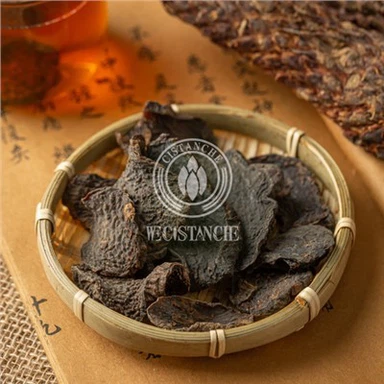
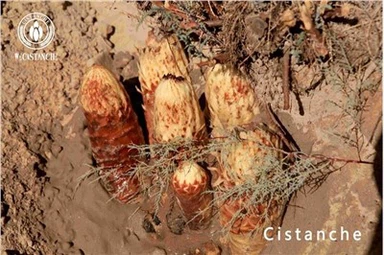
Classified as top-grade tonic herb in Shennong's Materia Medica, Cistanche has 2,000+ years of documented clinical use, nicknamed "Desert Treasure". TCM properties: sweet-salty, warm, kidney and large intestine meridian tropism; core actions: tonify kidney yang, replenish essence and blood, moisten dry intestines. Ancient records confirm its efficacy for female "uterine cold infertility" and kidney vacuity bone atrophy-the dual POF and osteoporosis indications modern patients seek to address.
Primary Bioactive Compounds in Cistanche Tubulosa Extract (USDA Organic Standard)
The Tubulosa species delivers the highest concentration of ovarian-protective active ingredients, validated via third-party COA testing from WECistanche:
Echinacoside ≥30%: Anti-apoptosis, antioxidant, protects ovarian granulosa cells
Verbascoside (Acteoside) ≥12%: Regulates HPO axis hormone secretion, upregulates NAT10 expression
Total phenylethanoid glycosides ≥75%: Core kidney essence-replenishing marker
Natural flavonoids: Phytoestrogen activity, slows bone mineral density loss
Dual Mechanisms for POF & Osteoporosis Relief
Ovarian Protection (POF Intervention)
Suppresses ovarian granulosa cell apoptosis by upregulating Bcl-2/Bax protein ratio, reducing follicular atresia in chemotherapy-induced POF animal models
Activates female germline stem cell differentiation via BMP/SMAD signaling, replenishing depleted primordial follicle pools
Modulates endogenous estrogen and testosterone synthesis, lowering pathological FSH levels to restore balanced ovarian endocrine function
Upregulates peripheral blood exosome NAT10 protein expression, stabilizing mRNA ac4C modification to sustain follicle survival gene transcription
Bone Density Support (Osteoporosis Prevention for POF Patients) As kidney essence governs bone marrow, Cistanche replenishes kidney essence to stimulate osteoblast proliferation, inhibit osteoclast overactivity, reverse estrogen-deficiency bone resorption. Clinical supplementary trials confirm long-term standardized Cistanche extract intake reduces vertebral fracture risk in estrogen-deficient women without HRT side effects.
Safety & Dosage Reference (WECistanche Official Specifications)
Form: Brown fine powder (≤100 mesh standardized extract)
Daily therapeutic oral dosage for adults: 3–5g pure extract powder
Administration: Oral ingestion (mixed with warm water, herbal tea) or topical skin application
Shelf life: 3 years sealed storage in cool, dry environment, away from direct sunlight
Safety profile: Non-toxic, no recorded severe adverse reactions at recommended daily doses; USDA organic certified, heavy metal and pesticide residue limits fully compliant with international food supplement standards (COA testing confirms undetectable arsenic, salmonella, mold pathogens)
6. How Cistanche Complements Huanjing Decoction for Dual Ovarian & Osteoporosis Support
Huanjing Decoction is a multi-herb balanced formula that nourishes yin and yang simultaneously to rebuild systemic kidney essence reserves over 3-month treatment cycles. Standardized Cistanche Tubulosa extract acts as a concentrated targeted adjuvant to amplify the decoction's therapeutic effects:
Accelerates NAT10 protein upregulation in peripheral blood exosomes, shortening time to measurable ovarian functional improvement
Boosts phytoestrogen activity to mitigate POF-driven bone loss during Huanjing Decoction therapy
Delivers concentrated anti-apoptosis glycosides to directly protect ovarian granulosa cells, reducing follicle atresia more rapidly than compound formula alone
Alleviates concurrent POF symptoms linked to kidney deficiency: chronic fatigue, insomnia, leg cramps and skin dryness via antioxidant and anti-fatigue active compounds
For patients with severe POF accompanied by low bone mineral density, combining oral Huanjing Decoction liquid with daily 3–5g Cistanche Tubulosa extract creates a synergistic kidney-tonifying regimen targeting both ovarian reserve recovery and osteoporosis risk reduction.
7. Mechanism Deep Dive: NAT10, Exosomes, RNA Ac4C Modification & Ovarian Follicle Survival
The 2024 Shanghai TCM clinical trial establishes NAT10 as a critical molecular bridge linking kidney-tonifying herbal therapy and ovarian function recovery-with Cistanche extract's active glycosides directly modulating this pathway:
Exosomes transport NAT10 protein systemically across tissue barriers, enabling non-invasive blood testing independent of menstrual cycle timing
NAT10 catalyzes mRNA N4-acetylcytidine (ac4C) modification, shielding follicle-survival mRNA (FOXO3a, AMH regulatory transcripts) from enzymatic degradation
Kidney essence depletion (POF root cause) suppresses NAT10 transcription, reducing ac4C modification, accelerating follicle-protective mRNA breakdown and triggering premature follicular exhaustion
Kidney-tonifying herbal intervention (Huanjing Decoction + Cistanche extract) reverses NAT10 downregulation, restores ac4C modification stability, preserves follicle pools and rebalances E2/FSH hormone ratios
Animal studies of Cistanche aqueous extract confirm echinacoside and verbascoside upregulate ovarian tissue NAT10 expression, providing a molecular explanation for the clinical NAT10 elevation observed in Huanjing Decoction POF treatment subjects.
8. Practical Dosage & Usage Guidance for Kidney-Tonifying Herbal Supplements
Regimen 1: Standalone Huanjing Decoction (Mild POF, Early Ovarian Reserve Decline)
10mL oral liquid twice daily, post-meal
3 full 28-day treatment cycles (3 months continuous intervention)
Follow-up ultrasound and hormone testing after each cycle to monitor AFC and E2/FSH shifts
Regimen 2: Combined Huanjing Decoction + Cistanche Tubulosa Extract (Moderate-Severe POF, Concurrent Osteopenia/Osteoporosis Risk)
Huanjing Decoction liquid: Standard twice-daily dosing
Cistanche standardized extract powder: 3–5g daily, consumed with warm herbal tea in the morning
Continuous 3-month core treatment cycle, maintain low-dose 3g daily Cistanche extract for long-term maintenance post-treatment to sustain ovarian and bone protection

Critical Usage Notes
Pregnant women and patients with acute damp-heat liver/kidney inflammation temporarily discontinue Cistanche supplementation
Avoid concurrent heavy caffeine consumption, which impairs kidney essence absorption and counteracts herbal therapeutic effects
Consistent daily administration required; TCM kidney-tonifying herbs exert cumulative regenerative effects on ovarian tissue over weeks of regular intake
9. Conclusion: TCM Kidney Tonics as Safe, Long-Term POF & Bone Protective Therapy
This 2024 peer-reviewed clinical trial provides definitive molecular evidence that kidney-tonifying TCM therapy (represented by Huanjing Decoction) reverses core pathological markers of premature ovarian failure, validated via the novel cycle-independent exosome NAT10 protein biomarker. For women seeking natural alternatives to hormone replacement therapy-especially those with concurrent bone loss risk from chronic estrogen deficiency-Cistanche Tubulosa extract serves as a concentrated, research-backed single herb adjuvant that amplifies compound formula ovarian regenerative effects while directly mitigating osteoporosis progression.
TCM's millennia-old theory of "kidney governs reproduction and bone" now aligns with cutting-edge extracellular vesicle and RNA modification molecular research. Combining balanced kidney-replenishing compound formulas with standardized organic Cistanche extract creates a holistic, minimally adverse therapeutic approach for POF that addresses both immediate hormone imbalance and long-term bone and ovarian degenerative risks.
For readers interested in sourcing lab-verified USDA organic Cistanche Tubulosa extract with full COA quality certification, review the complete product research page: https://www.xjcistanche.com/cistanche-extract-product/cistanche-for-nourishing-kidney.html