TCM Perspective On Short Penis And Male Vitality: Nourishing The Kidneys With Cistanche
Jan 14, 2026
Introduction
In Traditional Chinese Medicine (TCM), the penis and testicles are collectively referred to as the "external kidneys," reflecting their close relationship with the Kidney system in both form and function. From a TCM perspective, a congenitally small penis or underdeveloped male secondary sexual characteristics may be linked to constitutional insufficiency or later-life depletion of Kidney essence and Kidney yang. Contributing factors can include developmental deficiency, chronic illness, and lifestyle patterns such as excessive masturbation at a young age.
Understanding the TCM Theory
Kidney essence (Jing) and Tian Gui: Classical texts (such as the Inner Canon) describe "Tian Gui" as a vital substance governing sexual development, fertility, and reproductive function. Tian Gui is nourished by Kidney essence. Insufficiency of Kidney essence may manifest as delayed development or notably small penile size compared with peers.
Kidney yang deficiency: When Kidney yang is weak and Mingmen fire is insufficient, the "external kidneys" lack warmth and proper nourishment, impeding growth and function.
Liver and the sinews: The Liver "governs the sinews," and its meridian connects with the lower abdomen and genital region. Liver qi constraint or blood stasis along these channels can also contribute to poor growth and diminished function.
Common Accompanying Symptoms in TCM
Small penile size, poor development of secondary sexual characteristics
Low libido, erectile weakness, premature ejaculation, nocturnal emission
Lower back and knee soreness, cold hands and feet, fatigue
Pale tongue with thin white coating; weak pulse
CISTANCHE BENEFITS FOR OVERALL HEALTH


Check the CISTANCHE PRODUCT listing
Supportive Service Of Wecistanche-For more details about cooperation
Email:wallence.suen@wecistanche.com
TCM Treatment Principle
The therapeutic approach emphasizes nourishing the Kidneys and replenishing essence while gently warming yang. TCM discourages "quick fixes" and overuse of harsh tonics; instead, it favors steady, sustained support to address both root and branch. Consistency over time-alongside sleep, nutrition, movement, and stress management-is key.

Add the cistanche high quality extract
Supportive Service Of Wecistanche-For more details about cooperation
Email:wallence.suen@wecistanche.com
Core Formula Focused on Cistanche
Based on classical principles, the following kidney‑nourishing approach highlights cistanche (Cistanche deserticola/Yin Cong Rong) as the primary herb to tonify the Kidneys, support essence, and enhance yang. See more about cistanche's role here: https://www.xjcistanche.com/cistanche-extract-product/cistanche-for-nourishing-kidney.html
Name: Kidney-Nourishing Cistanche Decoction
Category: Warm and tonify the Kidneys; nourish essence and support yang
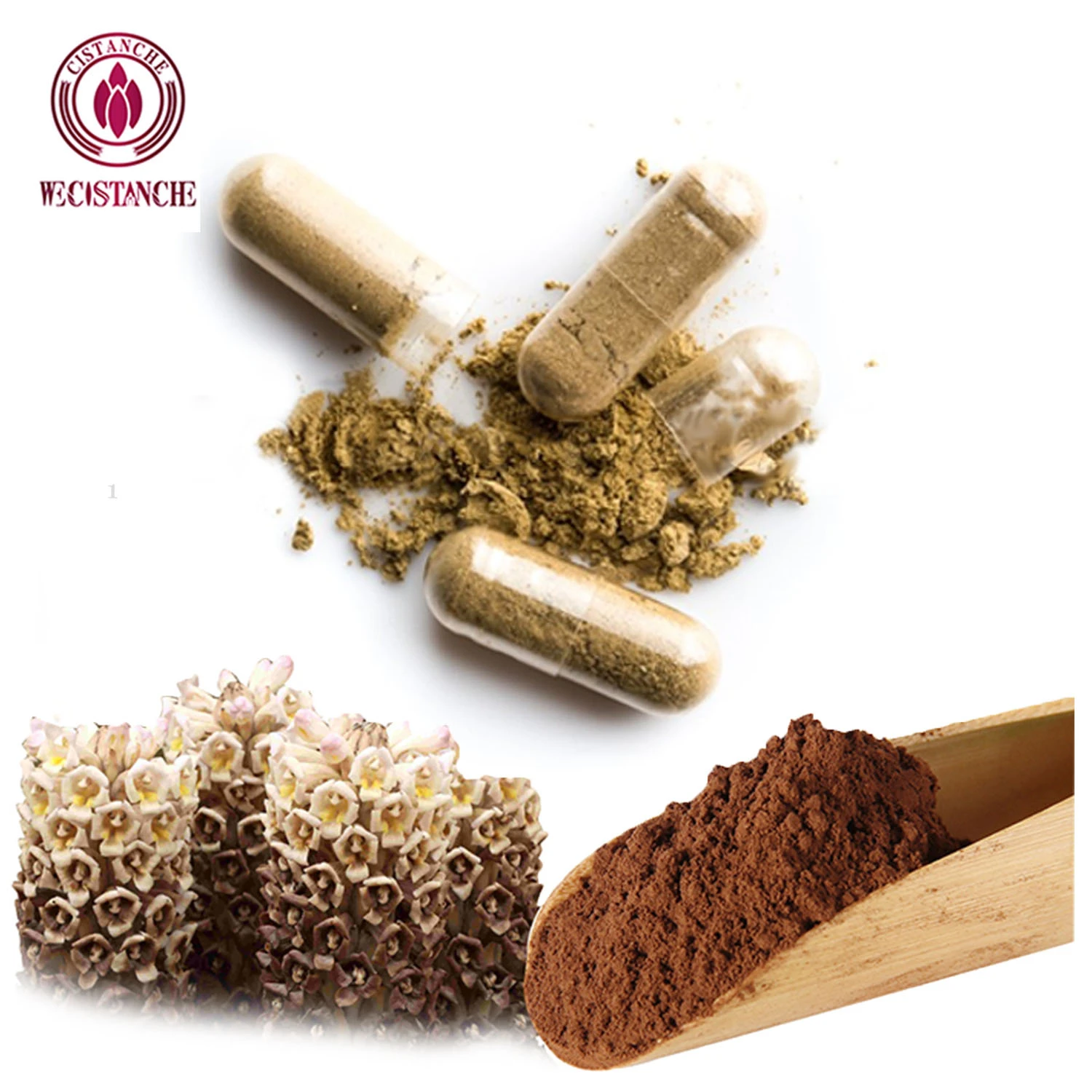
Form: Traditional decoction or modern granules/capsules, as advised by a qualified practitioner
Course: 1 daily dose, divided twice per day; 6–8 weeks as one course, reassess based on response
Indicative Composition (TCM rationale)
Cistanche (primary): Warms and tonifies Kidney yang, nourishes essence and blood, supports libido and endurance.
Morinda root (Ba Ji Tian): Assists in strengthening Kidney yang and essence to support growth and function.
Epimedium (Yin Yang Huo): Tonifies Kidney yang, strengthens bones and sinews, supports erectile function.
Curculigo (Xian Mao): Warms Kidney and Spleen yang, dispels cold-damp, strengthens the lower back and knees.
Prepared Rehmannia (Shu Di Huang): Nourishes yin and essence, fills marrow to balance yang tonification.
Chinese Yam (Huai Shan Yao): Strengthens Spleen and Kidney, supports essence and overall vitality.
Astragalus (Huang Qi) or Codonopsis (Dang Shen): Supports qi and Spleen function to improve absorption and overall resilience.
Atractylodes (Bai Zhu): Strengthens Spleen, transforms damp, supports nutrient assimilation.
Cinnamon bark (Rou Gui) in small dose: Warms the channels and assists Kidney yang to circulate warmth.
Licorice (Gan Cao) in harmonizing dose: Harmonizes the formula and supports the middle burner.
How to Take
Traditional method: Prepare as a decoction. Simmer the herbs gently in water and take warm, twice daily.
Modern method: Use standardized granules or capsule extracts per label or practitioner guidance.
Duration: Consistent use for 6–8 weeks, then reassess. Long-term use should be supervised.
Expected Effects (TCM)
Warms Kidney yang and nourishes essence
Improves erectile firmness and stamina
Supports development of secondary sexual characteristics where appropriate
Eases low back and knee soreness, reduces feelings of coldness
Enhances overall vitality and mood
Lifestyle and Supportive Care
Sleep and recovery: Prioritize 7–8 hours nightly; consistent sleep supports Kidney essence.
Nutrition: Warm, easily digestible foods; adequate protein; avoid excessive cold/raw intake.
Movement: Moderate strength and aerobic training enhance circulation to the lower burner.
Sexual moderation: Avoid excessive ejaculation; practice mindful intimacy to conserve essence.
Stress management: Gentle breathing, meditation, or tai chi to smooth Liver qi and support hormonal balance.
Important Notes and Safety
Individualization: TCM treatment is personalized. Similar symptoms may arise from different syndromes (e.g., predominant yin deficiency, damp-heat, or blood stasis). A qualified TCM practitioner should differentiate and tailor the approach.
Interactions and contraindications: Herbs that warm yang may not suit individuals with heat signs (thirst, red tongue, irritability) or certain medical conditions. If you take prescription medications or have chronic illnesses, consult your physician first.
Realistic expectations: TCM focuses on constitutional improvement. Results are gradual and depend on age, baseline health, and adherence.
Medical evaluation: If you have concerns about genital development or erectile dysfunction, seek evaluation to rule out endocrine, vascular, or anatomical conditions. TCM can be complementary to conventional care.
Compliance Statement
This article presents traditional health concepts for educational purposes and does not claim to treat, cure, or prevent disease. Always consult qualified healthcare professionals before starting any herbal regimen.
About Cistanche
Cistanche (Cistanche deserticola) is a classic yang‑supporting herb in TCM, traditionally used to nourish Kidney yang and essence, moisten the intestines, and support sexual vitality. Modern interest has focused on its potential to support endurance and reproductive health. For more on cistanche for nourishing the Kidneys, see: https://www.xjcistanche.com/cistanche-extract-product/cistanche-for-nourishing-kidney.html
If you'd like, I can adapt this into a ready-to-publish HTML blog post with headings, meta description, and schema markup.