Major Breakthrough In Traditional Chinese Medicine (TCM): Science Advances Elucidates TCM Therapeutic Principles With Modern Science
Jun 08, 2026
Keywords: Medicinal plants have a long history in TCM, Traditional Chinese Medicine scientific verification, Herbal extract modern processing, Cistanche Tubulosa extract, Network medicine for TCM efficacy, High-purity herbal active ingredients
Target Audience: Western health enthusiasts, herbal product researchers, dietary supplement buyers, modern medicine practitioners
Brand Insertion: Chengdu Wecistanche Bio-Tech Co., Ltd (Official site: https://www.xjcistanche.com/about-us) - Professional manufacturer specializing in deep-processed Cistanche Tubulosa extract with elevated active compound content
TCM Herb Cistanche Tubulos
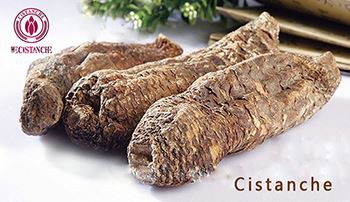
Traditional Chinese Medicine (TCM) is a precious treasure of China, embodying thousands of years of health philosophies and practical wisdom passed down by generations of the Chinese nation. The application of medicinal plants in TCM dates back to primitive societies. While fighting against natural disasters, wild beasts and various illnesses, ancient people gradually gained experience in distinguishing edible and medicinal plants, laying the earliest foundation for herbal therapy.
What is Traditional Chinese Medicine?


In the late clan commune period, the legendary Divine Farmer tasted hundreds of herbs to identify their medicinal properties for saving lives. His knowledge was later compiled into Shennong Ben Cao Jing (Shennong's Classic of Materia Medica), the foundational classic of traditional Chinese herbal medicine, which established a solid theoretical and practical framework for the development of TCM.
Moving to modern times, TCM continues to shine on the global stage. In 2015, Chinese pharmacologist Tu Youyou was awarded the Nobel Prize in Physiology or Medicine for the discovery of artemisinin, a potent herbal compound that revolutionized malaria treatment and brought worldwide recognition to Chinese herbal medicine. During the global COVID-19 pandemic, TCM treatment protocols delivered remarkable results and shared valuable Chinese wisdom for epidemic prevention and control, further elevating the international influence of traditional herbal therapies.

For a long time, however, TCM and herbal medicine faced two major obstacles to wider scientific recognition. First, classical TCM theories lacked systematic modern scientific interpretation, creating barriers for biomedical researchers to understand its working mechanisms. Second, herbal medicines contain intricate chemical compositions, and most of their protein targets for treatment remain unknown. Conventional brute-force screening methods therefore prove ineffective for studying herbal remedies.

A landmark study published in Science Advances (DOI: 10.1126/sciadv.adh0215) has broken this deadlock. A joint research team from multiple universities in China and the United States established an innovative network medicine framework. For the first time, the team scientifically explained TCM's holistic therapeutic logic by analyzing the topological connections between herbal targets and disease symptoms within the human protein-protein interactome (PPI). Validated with real-world clinical data, this research transforms TCM from empirical folklore into a discipline supported by rigorous modern science, marking a milestone for the modernization of traditional herbal medicine.
Different from modern Western medicine that centers on defined diseases, traditional TCM diagnoses and treatments primarily focus on clinical symptoms. This core difference makes it impossible to directly apply Western disease module research to TCM studies. To bridge this gap, the new network medicine theory and methodology focus on symptoms rather than diseases, perfectly aligning with TCM's core principle of treating symptoms based on syndrome differentiation.
To better understand this research, two key concepts need clarification:
Protein-Protein Interactome (PPI): A complex network composed of interconnected protein nodes inside the human body, where proteins interact physically to regulate bodily functions.

Network Medicine: An emerging discipline that leverages the PPI network to decode the links between diseases, symptoms and therapeutic substances. Studies show that disease-related proteins tend to form clustered modules in the PPI network. A shorter network distance between two disease modules indicates a higher chance of comorbidity. This method also enables accurate prediction of drug efficacy and inspires new strategies for drug repurposing.
Research Design & Core Findings
The research team started by mapping symptoms to the PPI network. They matched symptom-related genes onto corresponding proteins and calculated the average network distance (Dab) between symptom modules. The results revealed a clear negative correlation: the shorter the network distance between two symptoms, the higher their co-occurrence rate in clinical cases.
For instance, fever and diarrhea have a Dab value of 1.25 (far below the average of 2.01), and these two symptoms appear together in 1,278 different diseases, including inflammatory gastrointestinal disorders and COVID-19. In contrast, eye pain and anorexia have a higher Dab of 2.91, with a comorbidity count of only 13 cases, which matches real clinical observations perfectly.
Next, the team integrated Chinese medicinal herbs into the system to build a comprehensive herb-symptom network. Using an 8-pipeline multi-modal approach, the researchers calculated network proximity Z-scores to evaluate the therapeutic potency of each herb against specific symptoms. A highly negative Z-score indicates strong efficacy, while a positive score means the herb has little to no effect on the target symptom.
Taking fever as an example:
Stellaria Dichotoma (Silver Bupleurum) has a proximity Z-score of -4.32 for fever. Modern research confirms its effect on relieving consumptive fever in the later stage of warm diseases, which is fully consistent with records in the Chinese Pharmacopoeia.


Phellodendron Chinense has a Z-score of -2.82 for fever. Its main active ingredient, berberine, delivers powerful anti-inflammatory and antipyretic effects, widely used to treat pneumonia and pulmonary tuberculosis.
In comparison, Aconitum Kusnezoffii has a Z-score of 1.77 for fever, proving ineffective for fever relief. Instead, it scores -1.25 for abdominal pain, consistent with its recognized anti-inflammatory and analgesic properties in TCM.

Clinical Validation with Real-World Data
To verify the reliability of the herb-symptom network framework, the research team analyzed 1,936 electronic medical records of liver cirrhosis patients from a traditional Chinese medicine hospital in Hubei Province. The dataset covered 114 clinical symptoms, 218 herbal medicines and 23,413 herb-symptom pairs. Three rounds of strict verification were conducted:
Doctors tend to prescribe herbs with shorter network distances to target symptoms. The network proximity indicators of herbs used in clinical prescriptions were significantly lower than those of unused herbs.
A total of 986 effective herb-symptom pairs were screened out. All effective combinations presented low network distance values, proving that herbs closely linked to symptom modules produce better therapeutic results.
Using Propensity Score Matching (PSM), 86 representative herb-symptom pairs were selected for controlled trials. The symptom recovery rate of the treatment group was statistically higher than that of the control group, and all effective pairs maintained favorable network proximity scores.
Atractylodes Macrocephala is a typical example. For patients suffering from poor appetite, the recovery rate of those treated with Atractylodes reached 79.53%, compared with 72.53% in the untreated group. Its network Z-score for poor appetite is -2.45. Modern pharmacological studies confirm that atractylenolide extracted from this herb can regulate gastrointestinal functions and boost nutrient absorption, which explains its appetite-enhancing effect as documented in the Chinese Pharmacopoeia.
This groundbreaking study systematically interprets TCM's herbal treatment principles from the perspective of complex networks and systems biology. By establishing topological correlations between herbal targets, human proteins and clinical symptoms, it creates a brand-new research paradigm for herbal medicine and provides solid scientific evidence for TCM's clinical efficacy. Today, TCM is fully recognized as a legitimate branch of modern healthcare.
Our Strength: Modern Deep Processing of Cistanche Tubulosa Extract
As a professional TCM herbal extract manufacturer, Chengdu Wecistanche Bio-Tech Co., Ltd (https://www.xjcistanche.com/about-us) fully embraces the modernization trend of traditional medicinal plants. We focus on the deep processing of Cistanche Tubulosa, a precious TCM herb with a long application history. Adopting advanced modern extraction and purification technologies, we greatly elevate the content of core active ingredients including echinacoside and acteoside in our extracts. Our products comply with international food and health product standards, combining ancient herbal wisdom with modern pharmaceutical technology.
Backed by complete industrial chains, GMP-standard production workshops and multiple international certifications, we supply high-purity Cistanche Tubulosa extracts to global clients. Just as the Science Advances study proves the scientific value of TCM herbs, we are committed to refining traditional medicinal plants via modern craftsmanship, delivering safe, potent and standardized herbal raw materials for global dietary supplement, pharmaceutical and skincare industries.
With continuous scientific exploration and technological innovation, traditional Chinese medicinal plants will gain wider global recognition and bring health benefits to more people worldwide.