The Divine Object Of The Horse Backed Ethnic Group - Tubular Cistanche
Sep 06, 2023
Cistanche tubulosa is called a deity by the people on horseback. Its legend has multiple versions, but the most widely circulated one is related to Genghis Khan.

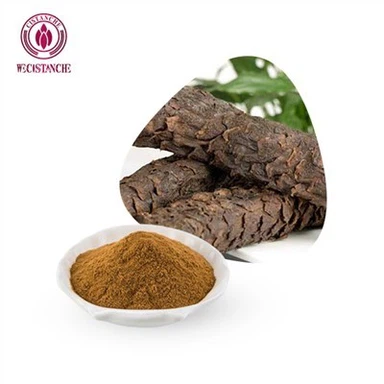
Cistanche extract powder-Tonifying kidney
The famous "Battle of the Thirteen Wings" in history was an important battle when Genghis Khan unified various tribes in the Mongolian grasslands. In the first year of the Jin Mingchang era (1190 AD), the sworn brother of Genghis Khan, Zamuhe, was jealous of his strength and joined forces with thirteen tribes including Taichiwu, totaling 30000 people, to launch an attack on Genghis Khan. The two sides engaged in a great war, and Genghis Khan was defeated. He was besieged on a sandy mountain covered in the Haloxylon ammodendron forest, suffering from hunger, thirst, and exhaustion. Zamuhe cruelly divided the prisoners into seventy large pots and killed them in public, infuriating the gods of heaven.
The Heavenly God sent a divine horse, which leaped in front of Genghis Khan and roared up to the sky, shooting essence and blood towards the roots of the shuttle tree. Then, he used his hooves to scrape out plant roots like deer antlers. Genghis Khan and his generals ate the roots, and their divine power emerged. They rushed down the sand mountain, defeating the Zamuhe tribe in one fell swoop, laying the foundation for the unification of Mongolia.

Effects Of Cistanche-resist fatigue
So, the cistanche herb is called a god by the people on horseback! In 2018, Cistanche deserticola was included in the list of medicinal and food sources.
In the history of modern Chinese medicine, Cistanche deserticola was recorded in the Chinese Pharmacopoeia (2015 edition). Cistanche deserticola (desert) is the scaly, leafy, and fleshy stem of Cistanche deserticola, a plant in the family Cistanche.
There is a history of using it as a food ingredient in Inner Mongolia and Tibet, mainly through methods such as stewing meat, stir-frying vegetables, brewing tea, and brewing wine; According to traditional habits and normal use, no adverse reactions have been reported.
There are many ways to consume Cistanche deserticola, and in addition to the aforementioned habits, there are also the following common ways to consume Cistanche deserticola:

Click here to view Cistanche products
【Ask for more】 Email:cindy.xue@wecistanche.com / Whats App: 0086 18599088692 / Wechat: 18599088692
Jianfu: Unlike many traditional Chinese medicinal herbs that need to be decocted in combination with other herbs, Cistanche deserticola can be decocted separately due to its comprehensive and excellent efficacy.

Cistanche deserticola slices
Slicing or grinding for brewing: Cistanche deserticola has a larger size, and a single plant of Cistanche deserticola can be sliced or ground into powder for brewing and consumption. Slicing needs to be brewed with boiling water to facilitate the entry of medicinal ingredients into the water, similar to tea drinks, which can be brewed repeatedly; Cistanche powder does not need to be brewed with boiling water, similar to milk powder, which can be consumed in one go along with the powder.
Soaking wine: Baijiu can make more medicinal ingredients into the wine, and drinking Cistanche wine can preserve health. Put the whole Cistanche deserticola or its slices into high-concentration Baijiu, place them in a cool and dry place for sealing, and then eat them after 2 weeks. Although medicinal wine is good, don't drink too much.
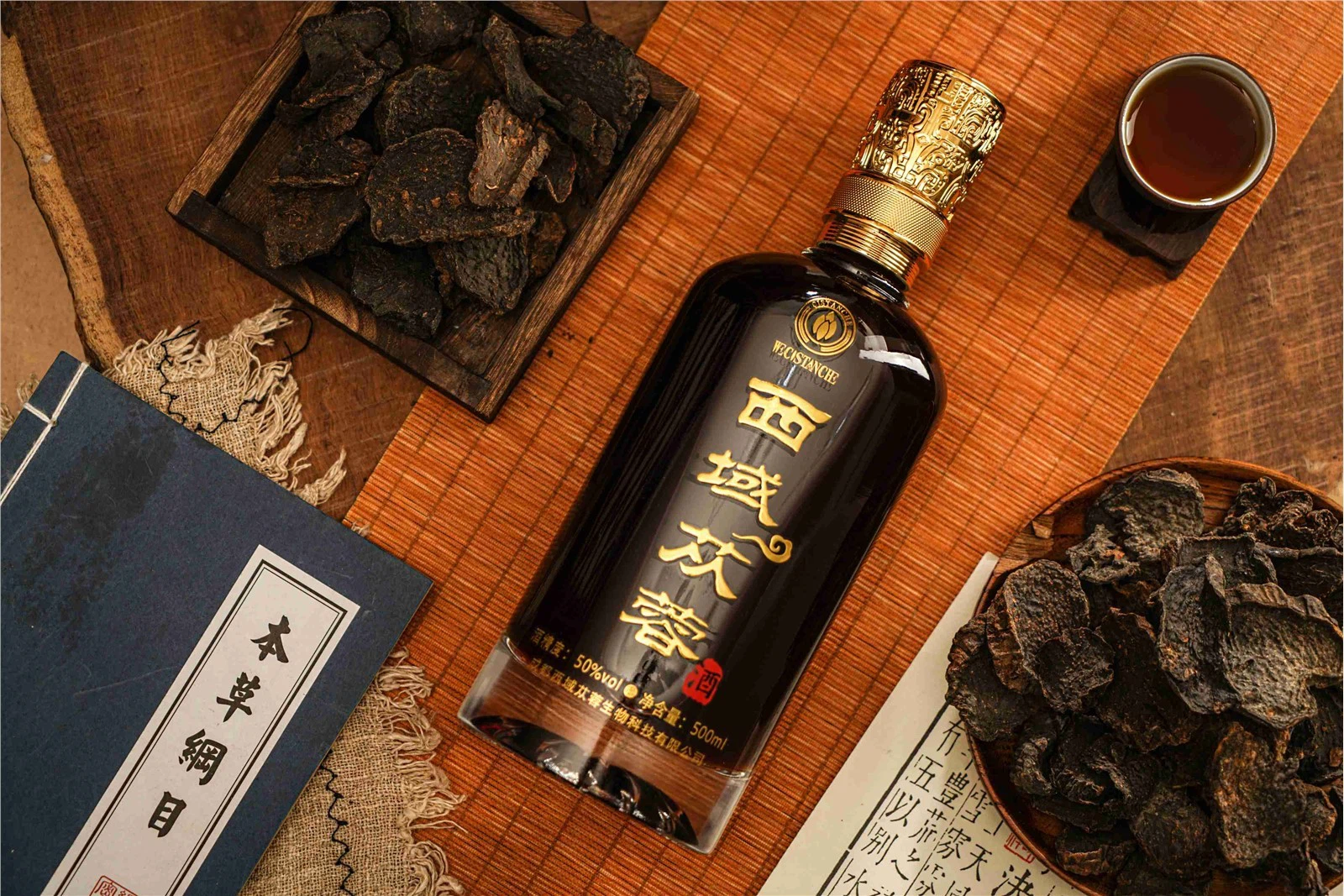
Cistanche wine