The Miraculous Protective Effect Of Cistanche Deserticola Extract On Parkinson's Disease
Dec 01, 2025
Parkinson's disease: an undeniable health threat

Superman herbs cistanche-Anti Parkinson's disease
Parkinson's disease is spreading at an alarming rate globally, becoming a serious health challenge. According to authoritative data, it is expected that the number of Parkinson's disease patients worldwide will soar to 25.2 million by 2050, almost doubling from 2021, with a growth rate of 112%! In China, the situation is also not optimistic. The number of patients has exceeded 5 million, accounting for 43.14% of the global total, and the incidence of Parkinson's disease accounts for 38.08% of the global total. Even the number of deaths caused by Parkinson's disease accounts for 23.71% of the global total. In the past three decades, the incidence rate, morbidity, and mortality of Parkinson's disease in China have been rising rapidly, especially for men.
Parkinson's disease is a common neurodegenerative disease that mainly affects middle-aged and elderly people. Its symptoms are diverse, including resting tremors, muscle rigidity, bradykinesia, postural balance disorders, etc. These symptoms will gradually worsen as the condition progresses, making it difficult for patients to even perform simple daily activities such as walking, dressing, and eating. Nonmotor symptoms involve multiple aspects such as sleep disorders, olfactory disorders, autonomic dysfunction, cognitive disorders, and mental disorders. Many patients suffer from insomnia, frequently waking up in the middle of the night but feeling drowsy during the day; Some patients may experience olfactory dysfunction, unable to even smell the fragrance of flowers or rice; Some patients experience low mood, anxiety, and depression, and lose confidence in life.
These symptoms have had a devastating impact on the quality of life of patients. Many patients gradually become disconnected from society and introverted due to physical inconvenience and psychological pressure. As a result, families also bear a heavy burden, not only having to bear high medical expenses, but also investing a lot of time and energy to take care of patients. From occasional assistance to the possibility of needing one or two dedicated individuals to take care of the family around the clock, the economic and manpower pressure on the family is increasing day by day. Parkinson's disease is not only a personal pain for patients, but also a heavy burden on the entire family and society, which urgently requires us to find more effective prevention and treatment methods.
Exploring the Challenges and New Hopes of Traditional Treatment
Faced with the thorny problem of Parkinson's disease, there are currently two main clinical treatments: drug therapy and surgical treatment, but both have obvious limitations.
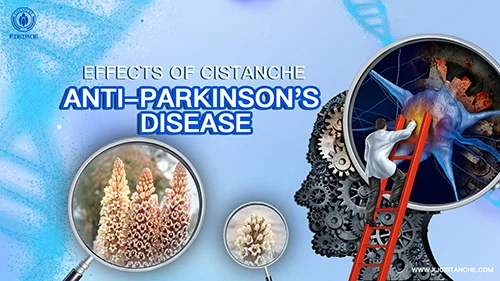
Cistanche tubulosa extract-Anti Parkinson's disease
In terms of drug therapy, levodopa preparations can be regarded as the "backbone" and have been the core drug for treating Parkinson's disease since their clinical application in the 1960s. Levodopa can supplement the dopamine deficiency in the patient's brain and effectively alleviate motor symptoms. During early use, patients' symptoms such as tremors and muscle rigidity can be significantly improved, and their quality of life can be greatly enhanced. Many patients can even live and work like normal people. But the good times didn't last long, and with the prolonged use of medication, various problems emerged one after another. The efficacy of the medication gradually decreases, and what could have lasted for a whole day may only last for a few hours, resulting in dose-end phenomenon". When the drug effect disappears, the symptoms of the patient will suddenly worsen, as if the disease has "returned to its original form", seriously affecting daily life. Some patients may experience a 'switch phenomenon', where the body is like being equipped with a switch, switching back and forth between sudden movement and sudden immobility without warning, making it difficult for both the patient and their family to prevent. In addition, long-term use of levodopa may also cause dyskinesia, where patients may exhibit involuntary dance-like movements that not only affect aesthetics but also increase the risk of injury.
Surgical treatment is also a double-edged sword. Deep brain stimulation (DBS) is currently a widely used surgical technique that involves implanting electrodes in specific nuclei of the brain and delivering electrical stimulation to control symptoms. It can effectively improve motor symptoms, especially for tremors and muscle rigidity. For patients with poor drug treatment and severe symptoms that affect their daily lives, DBS surgery is like a "life-saving straw". After the surgery, many patients' tremors are significantly reduced, limb movements become more comfortable, and their ability to live independently is greatly improved. However, the risks of surgery cannot be ignored. Although the incidence of complications such as intracranial hemorrhage and infection is relatively low, once they occur, the consequences are unimaginable and may cause permanent harm to patients, even endangering their lives. Moreover, the high cost of surgery is difficult for most families to afford, which also limits the popularity of surgery. In addition, surgery is not a one-time solution. It can only improve motor symptoms and is powerless against non-motor symptoms such as sleep disorders and cognitive impairments. Patients still need to continue medication treatment after surgery, although the dosage may be reduced.

Superman herbs cistanche-Anti Parkinson's disease
Click here to view the products of Cistanche deserticola for preventing Parkinson's disease
【Ask for more】 Email:cindy.xue@wecistanche.com / WhatsApp: 0086 18599088692 / Wechat: 18599088692
In such a predicament, it is urgent to seek new treatment strategies and natural medicines. Natural medicines have gradually become a research hotspot due to their wide sources and relatively small side effects. The active ingredients extracted from natural resources such as plants, animals, and microorganisms contain enormous therapeutic potential, bringing new hope to the fight against Parkinson's disease. Cistanche deserticola extract is one of the "potential stocks" that has attracted much attention.
Cistanche deserticola: the legend of "ginseng" in the desert
In the vast and boundless desert, there grows a magical plant - Cistanche deserticola, which is like a precious gift given to humans by the desert and is known as the "desert ginseng". The history of Cistanche deserticola can be traced back thousands of years and occupies a pivotal position in traditional Chinese medicine. As early as in the "Shennong Bencao Jing", Cistanche deserticola was listed as a top-grade herb. The book records that it has a sweet taste and a slight warmth. It is known for its ability to nourish the five organs, relieve cold, heat, and pain in the stems, strengthen the yin, nourish the essence and qi, have more children, treat women's ailments, and take it for a long time to lighten the body. Subsequently, medical classics throughout history, such as "Compendium of Materia Medica" and "Explanation of Medicinal Properties Processed by Lei Gon,g" have provided detailed explanations of the medicinal value of Cistanche deserticola, further enriching people's understanding of it.

Desert ginseng
The reason why Cistanche deserticola is highly favored is due to its various active ingredients, each of which seems to be a magical code bestowed by nature, bringing many benefits to human health.
Phenylethanoid glycosides are one of the characteristic components of Cistanche deserticola, among which echinacoside and verbascoside have higher content and are also the most well-known. Modern research has found that phenylethanolic glycosides have strong antioxidant capacity, which can effectively eliminate free radicals in the body and slow down the rate of cell aging, just like injecting a "youthful vitality" into the body's cells. They can also regulate nervous system function, improve memory and cognitive abilities, and safeguard brain health. In a mouse experiment, feeding mice with extracts of Cistanche deserticola containing phenylethanolic glycosides resulted in significantly better performance in learning and memory tests compared to the control group, fully demonstrating the positive effects of phenylethanolic glycosides on the nervous system.
The polysaccharides from Cistanche deserticola should not be underestimated. It can enhance the immune function of the body, promote the proliferation of lymphocytes and the activity of macrophages, making the body's immune system more robust, like putting on a layer of "armor" to resist the invasion of various diseases. Polysaccharides also have the function of regulating gut microbiota, improving the gut microbiota environment, promoting intestinal peristalsis, alleviating constipation problems, and keeping the gut "unobstructed". Studies have shown that people who take Cistanche polysaccharides for a long time have a significantly lower incidence of intestinal diseases, thanks to the polysaccharides' care for intestinal health.
Flavonoids are also one of the important active ingredients in Cistanche deserticola. Flavonoids have various biological activities such as antioxidant, anti-inflammatory, anti-allergenic, antiviral, etc. They can protect the heart and brain vessels, reduce blood lipids and cholesterol, prevent atherosclerosis, and build a "defense line" for cardiovascular health. Flavonoids can also alleviate inflammatory reactions and have a certain adjuvant therapeutic effect on some chronic inflammatory diseases, such as arthritis and gastritis. In clinical studies, it has been found that flavonoids can inhibit the release of inflammatory factors, alleviate the symptoms of redness, swelling, heat, and pain in the inflamed area, and bring relief and hope to patients.
It is precisely these rich active ingredients that make Cistanche deserticola widely used in traditional medicine for tonifying kidney yang, nourishing essence and blood, moistening intestines, and promoting bowel movements. For people with insufficient kidney yang, Cistanche deserticola can warm and nourish kidney yang, improve symptoms such as soreness and weakness in the waist and knees, coldness in the limbs, impotence and premature ejaculation, and replenish the body with "yang energy". It can also promote hematopoietic function, improve problems such as dizziness and premature graying of hair caused by insufficient blood essence, and enable people to have a healthy body and appearance. Cistanche deserticola has also demonstrated outstanding efficacy in regulating the immune system, antioxidation, protecting the liver and cardiovascular and cerebrovascular systems, providing abundant resources and broad ideas for modern medical research.
Exploring cell damage models in Parkinson's disease

Desert living cistanche herb-Anti Parkinson's disease
In order to further study the pathogenesis of Parkinson's disease and find effective treatment methods, scientists have constructed a Parkinson's disease cell damage model, which provides an important tool for research. The main purpose of constructing these models is to simulate the pathological process of Parkinson's disease at the cellular level, in order to more intuitively observe the occurrence and development of the disease, explore the mechanism of action and efficacy of drugs.
Currently, one of the commonly used construction methods is to induce SH-SY5Y dopaminergic cell damage using 1-methyl-4-phenyl-tetrahydropyridine ion (MPP+). SH-SY5Y cells are a neuroblastoma cell line with some characteristics of dopaminergic neurons and are widely used in Parkinson's disease research. MPP+is the active metabolite of the neurotoxin 1-methyl-4-phenyl-1,2,3,6-tetrahydropyridine (MPTP), which selectively damages dopaminergic neurons.
Specifically, MPP+mainly exerts its effect by inhibiting mitochondrial electron transport chain complex I. After entering dopaminergic neurons, it accumulates in mitochondria, specifically inhibiting complex I and blocking electron transfer from NADH to ubiquinone. This is like pressing the 'pause button' on the mitochondria, the 'energy factory' of the cell, causing a decrease in ATP synthesis and a breakdown of cellular energy. Obstruction of electron transfer can also increase electron leakage and generate a large amount of superoxide radicals (ROS). These free radicals are highly aggressive and can cause lipid peroxidation, protein and DNA damage, just like triggering a 'biochemical storm' inside cells, causing severe oxidative damage to the cells. Ultimately, the cell death pathway is activated, leading to apoptosis and necrosis of dopaminergic neurons.
In a study, researchers added MPP+at different concentrations to cultured SH-SY5Y cells. As the concentration of MPP+increases, cell viability significantly decreases, as if the 'vitality' has been drained. By detecting relevant indicators within the cell, it was found that the mitochondrial membrane potential decreased, indicating severe damage to mitochondrial function. The level of oxidative stress in cells significantly increases, and a large amount of oxidative products accumulates, further exacerbating cell damage. At the same time, the expression of proteins related to cell apoptosis has also undergone significant changes, indicating that cells are on the path towards apoptosis. When the concentration of MPP+reaches a certain level, the cell morphology also changes, and cells that were originally full and regular in shape become wrinkled, deformed, and many cells even break down.
In addition to MPP+induced SH-SY5Y cell damage, there are other methods for constructing Parkinson's disease cell damage models. For example, inducing damage to PC12 cells using 6-hydroxydopamine (6-OHDA). PC12 cells are rat pheochromocytoma cells that can differentiate into dopaminergic neurons after induction by nerve growth factor. 6-OHDA can cause damage and apoptosis of dopaminergic neurons through mechanisms such as oxidative stress. In the experiment, researchers treated PC12 cells with different concentrations of 6-OHDA and found that cell viability gradually decreased with increasing 6-OHDA concentration and prolonged exposure time. Through immunohistochemistry and other methods, it was found that the expression of tyrosine hydroxylase (TH) in cells was reduced. TH is a key enzyme in dopamine synthesis, and its reduced expression indicates a decrease in dopamine synthesis ability. This is consistent with the pathological characteristics of dopamine neuron damage and decreased dopamine content in Parkinson's disease patients.
These Parkinson's disease cell damage models have played an important role in simulating the pathological features of Parkinson's disease. They can intuitively demonstrate the damage and apoptosis process of dopaminergic neurons, as well as the role of oxidative stress, mitochondrial dysfunction, and other factors in the occurrence and development of diseases. Like a microscopic 'disease stage', it allows scientists to observe the 'pathogenesis' of Parkinson's disease up close, providing an indispensable foundation for in-depth research on disease mechanisms and the development of therapeutic drugs.
The miraculous protective effect of Cistanche deserticola extract
In the journey of exploring new hope for the treatment of Parkinson's disease, the performance of Cistanche deserticola extract is impressive. Researchers carefully designed experiments to explore its protective effect on Parkinson's disease cell damage models. The series of experiments was rigorous and scientific, and the results were inspiring.
The researchers selected the SH-SY5Y dopaminergic cell line and placed it in a culture environment. When the cells grew to 80% fusion, they were digested with 0.25% trypsin, passaged in 1 × 10⁵ flasks, and placed in a 5% CO2 cell culture incubator. The experimental cells were divided into a control group, an MPP+group, and different concentration groups of Cistanche deserticola extract. Dilute MPP+with DMEM medium in a 1:10 gradient to 400 mmol/L, and add it to a 96-well or 6-well plate in a 1:100 volume ratio to achieve final concentrations of 0.25, 0.5, 1, 2, and 4 mmol/L, respectively. The extract of Cistanche deserticola was diluted in DMEM medium at a 1:10 gradient to two working concentrations of 1 mg/ml and 10 μg/ml. It was then added to a 996-well or 6-well plate at a 1:100 ratio, resulting in final concentrations of 1, 10, and 100 μ g/ml, respectively.

cistanche
The experimental results are surprising. After treating SH-SY5Y cells with different concentrations of MPP+, the cell survival rate decreased with increasing MPP+concentration. The cell survival rate decreases with time at a concentration of MPP+1 mmol/L, showing a clear dose-response and time-dependent relationship. The survival rate of the MPP+1 mmol/L group at 48 hours was (45.30 ± 3.21)%, which was lower than 50%. Therefore, 1 mmol/L MPP+was selected as the treatment dose for creating a Parkinson's disease cell model. The extract of Cistanche deserticola has a significant protective effect against MPP+- mediated damage, and the protective effect increases with increasing concentration. The 48 hour survival rate of cells treated with MPP+1 mmol/L was (45.30 ± 3.21)%, the survival rate of cells treated with 1 μ g/ml Cistanche deserticola extract was (85.97 ± 3.41)%, the survival rate of cells treated with 10 μ g/ml was (129.97 ± 4.84)%, and the survival rate of cells treated with 100 μ g/ml was (164.10 ± 3.91)%. The differences in cell survival rate between the three concentrations and the MPP+1 mmol/L control treatment were statistically significant (P<0.01). This not only indicates that the extract of Cistanche deserticola has a good neuroprotective effect, but may even have a promoting effect on cell proliferation.
The mechanism by which the extract of Cistanche deserticola exerts a protective effect is very ingenious. From the perspective of antioxidant stress, a large amount of free radicals and oxidative stress are important factors leading to the onset of Parkinson's disease. The extract of Cistanche deserticola can alleviate brain damage caused by oxidative stress, reduce the activity of peroxidase, and increase the activity of antioxidant enzymes (SOD, CAT). Just like pressing the 'pause button' on the 'oxidation storm' inside the cell, clearing highly aggressive free radicals, reducing lipid peroxidation, protein and DNA damage, and thus protecting the cell from oxidative damage.
In terms of inhibiting cell apoptosis, growth inhibitory and DNA damage-inducing gene 153 (GADD153) is an important protein that regulates cell apoptosis. It is highly expressed and located in the nucleus under stress states such as endoplasmic reticulum stress. Research has found that extracts from Cistanche deserticola can regulate the expression of GADD153. When cells are damaged by MPP+, the expression level of GADD153 increases, guiding the cells towards apoptosis. After adding the extract of Cistanche deserticola, the expression level of GADD153 was significantly reduced, like adding a "lock" to the "switch" of cell apoptosis, preventing excessive cell apoptosis and maintaining normal cell survival.
The extract of Cistanche deserticola can also regulate the expression of related proteins and participate in the regulation of neural signaling pathways. It can interact with various drugs and nutrients, synergizing neural cell communication and cognitive function. For example, the total glycosides in Cistanche deserticola can bind to dopamine receptors, NMDA receptors, and regulate the metabolic levels of neurotransmitters such as dopamine and glutamate. As a key neurotransmitter in Parkinson's disease, the stability of dopamine levels is crucial. The extract of Cistanche deserticola maintains the normal function of dopaminergic neurons by regulating related proteins and neurotransmitters, alleviating the symptoms of Parkinson's disease, and providing a "protective umbrella" for nerve cells.
Research Status and Future Prospects
At present, research on the use of Cistanche deserticola extract for the treatment of Parkinson's disease has made certain progress and achievements. In terms of basic research, a large number of experiments have shown that extracts of Cistanche deserticola have significant protective effects on Parkinson's disease cell damage models. As mentioned earlier in the experiment, the extract of Cistanche deserticola can improve the survival rate of SH-SY5Y cells damaged by MPP+, alleviate oxidative stress damage, inhibit cell apoptosis, and regulate neural signaling pathways. These studies reveal the potential mechanism of Cistanche deserticola extract in treating Parkinson's disease, providing a solid theoretical basis for its further development and application.

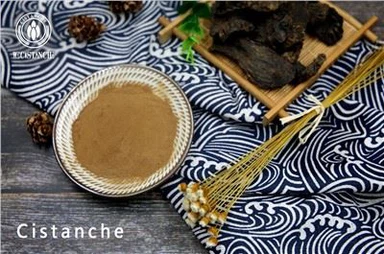
cistanche extract powder
In preclinical studies, extracts of Cistanche deserticola have also shown good effects in Parkinson's disease model animals. The motor dysfunction and nonmotor clinical manifestations of experimental animals have been effectively alleviated, and behavioral abnormalities have been significantly improved. In an experiment targeting Parkinson's disease model mice, administration of Cistanche deserticola extract resulted in reduced tremor symptoms, enhanced mobility, and a significant increase in exploratory behavior. This shows us the enormous potential of Cistanche deserticola extract in treating Parkinson's disease.
However, there are still some shortcomings and challenges in current research. In terms of clinical research, the sample size is generally small, which affects the reliability and persuasiveness of the research results to some extent. There are differences in experimental design and observation indicators between different studies, which makes it difficult to directly compare and comprehensively analyze research results. The mechanism of action of Cistanche deserticola extract is not fully understood. Although some pathways of action have been discovered, the specific molecular mechanisms and signal transduction pathways still need further in-depth research. The quality control of Cistanche deserticola extract is also a key issue. Due to differences in the origin, harvesting season, extraction process, and other factors of Cistanche deserticola, the composition and activity of the extract may vary, thereby affecting the stability and consistency of its therapeutic effect.
Looking ahead to the future, the extract of Cistanche deserticola has broad research directions and application prospects in the field of Parkinson's disease treatment. In terms of research direction, it is necessary to further expand the sample size of clinical studies and conduct multi-center, large sample, randomized controlled clinical trials to more accurately evaluate the efficacy and safety of Cistanche deserticola extract. Strengthen in-depth research on the mechanism of action of Cistanche deserticola extract, utilize advanced technological means such as proteomics, metabolomics, etc., comprehensively reveal its mechanism of action at the cellular and molecular levels, and provide a scientific basis for optimizing treatment plans. Attention should also be paid to the research on the combined application of Cistanche deserticola extract with other drugs, exploring the possibility of synergistic treatment and improving the therapeutic effect.
In terms of application prospects, if the extract of Cistanche deserticola can be further confirmed to be effective and safe in subsequent research, it is expected to develop into a new type of drug or adjuvant therapy for the treatment of Parkinson's disease. It can be combined with existing treatment methods to provide patients with more comprehensive and personalized treatment plans, alleviate their pain, and improve their quality of life. As a natural plant, Cistanche deserticola is abundant in resources, and the development and application of its extracts also conform to the trend of green and natural drug research and development, with good market prospects.
The extract of Cistanche deserticola has brought new hope and well-being to the treatment of Parkinson's disease. Although there are still some challenges, with the continuous deepening of research and technological progress, it is believed that in the near future, it can bring more hope and well-being to many Parkinson's disease patients.