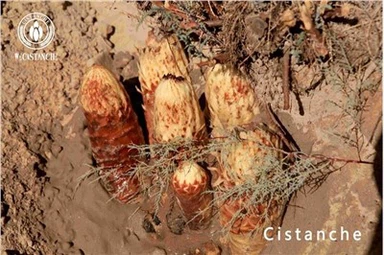
Cistanche Deserticola: A New Hope For The Treatment Of Parkinson's Disease?
Dec 01, 2025
Parkinson's disease: a misunderstood 'geriatric disease.'
Desert living cistanche herb-Anti Parkinson's disease
In the public's perception, Parkinson's disease seems to be a disease exclusive to the elderly, with symptoms only being hand tremors. However, is this really the case?
Neighbor Mr. Zhang, who is 60 years old and has just retired, was supposed to enjoy a leisurely old age, but Parkinson's disease disrupted his life. At first, he only felt a slight tremble in his right hand and was not very steady when holding things. He and his family didn't pay much attention, thinking it was a normal part of aging. But gradually, the tremors became more frequent, and even writing became crooked. When walking, I began to unconsciously drag my steps, lean forward, and every step seemed very difficult. Mr. Zhang, who used to love playing chess and morning exercises, can now only sit on the sofa all day long, with fewer and fewer smiles on his face. The joy of life is gradually being swallowed up by illness.
There are many patients like Mr. Zhang. According to statistics, the incidence rate of Parkinson's disease among people over 65 years old in China is about 1.7%, and the incidence rate is rising with age. Parkinson's disease is not simply hand tremors; it is a common neurodegenerative disease that mainly affects middle-aged and elderly people, and its symptoms are far more than just superficial. Static tremor, also known as hand tremors, is particularly pronounced in a quiet state, just like the uncontrolled shaking of Mr. Zhang's right hand at first; Slow movement, the patient's movements become slow, and daily tasks such as buttoning and tying shoelaces become difficult; Muscle rigidity, muscle stiffness, and the movement of limbs is like turning rusty gears, which is very laborious; Postural balance disorder, unstable walking, easy to fall, seriously affecting the patient's movement safety.
In addition to these motor symptoms, Parkinson's disease is also accompanied by a series of nonmotor symptoms, such as a decreased sense of smell. Many patients may find that their perception of odors becomes dull in the early stages of the disease; Sleep disorders, difficulty falling asleep at night, frequent dreaming and easy awakening, leading to mental fatigue during the day; Constipation and gastrointestinal dysfunction bring many discomforts to patients; Anxiety, depression and other mental symptoms are also common, and patients often fall into emotional lows and lose confidence in life. These symptoms are intertwined and severely reduce the quality of life of patients, causing them immense physical and mental suffering.

Superman herbs cistanche-Anti Parkinson's disease
Current treatment dilemma: limitations of Western medicine
Faced with such a challenging Parkinson's disease, clinical treatment mainly relies on Western medicine, such as levodopa and dopamine receptor agonists. Levodopa, as the "gold standard" drug for treating Parkinson's disease, can alleviate patients' motor symptoms to some extent by supplementing the lack of dopamine in the brain, allowing many patients to regain the ability to live independently. In the early stages of the disease, after taking levodopa, patients' symptoms, such as hand tremors and delayed movements, can be significantly improved, as if they have regained their pre-illness state.
However, long-term use of Western medicine is like a deal with the devil, bringing therapeutic effects but also burying hidden dangers. Over time, patients will gradually develop drug resistance, and the efficacy of drugs will deteriorate, just like the "treatment switch" for the body gradually malfunctioning. The phenomenon of "dosage end" is a problem faced by many patients, as the duration of drug efficacy is becoming shorter and shorter. In the later stages of each medication, the symptoms of Parkinson's disease will recur and become more severe, causing patients to suffer from trembling and difficulty moving. The "on-off phenomenon" also causes unbearable suffering for patients. Throughout the day, symptoms fluctuate irregularly between sudden relief (on period) and exacerbation (off period), as if an uncontrollable switch has been installed in the body. Patients are constantly on edge, and their lives are full of uncertainty. Dyskinesia is characterized by uncontrollable, abnormal movements of the patient, such as spitting, tilting the mouth and frowning, shaking hands and stomping feet, and even dancing-like movements all over the body. These movements not only cause physical pain to the patient but also seriously affect their dignity and social skills.

Benefits of cistanche tubulosa-Treatment of Parkinson's disease
In addition to the issue of drug resistance, the side effects of Western medicine cannot be ignored. Common side effects include gastrointestinal discomfort such as nausea and vomiting, which often make patients feel nauseous and uncomfortable after taking medication, affecting their appetite; Positional hypotension can cause patients to feel dizzy and prone to falls when standing up; Arrhythmia poses a threat to the patient's heart health; Insomnia makes it difficult for patients to fall asleep at night and causes them to feel lethargic during the day; Delusions, hallucinations, and other mental symptoms further exacerbate the patient's psychological state, plunging them into fear and confusion. Long term use of Western medicine may also lead to patients developing drug dependence. Once the medication is stopped, symptoms will sharply rebound and become more severe than before. These issues seriously affect the quality of life of patients and make them and their families feel extremely anxious and helpless. During the lengthy treatment process, patients not only have to endure the pain of the disease itself but also the various side effects of medication, resulting in physical and mental exhaustion. Finding new treatment methods has become an urgent need for Parkinson's disease patients and a pressing challenge in the medical field.
Cistanche appears: the new mission of ancient Chinese medicine.
In the millennium treasure trove of traditional Chinese medicine, Cistanche deserticola is like a brilliant pearl, emitting a unique radiance. It is listed as a top-grade ginseng in the "Shennong Bencao Jing" and is known as the "desert ginseng", occupying an important position in the field of traditional Chinese medicine. Cistanche deserticola has a sweet and salty taste, a warm nature, and belongs to the kidney and colon meridians. It has the effects of tonifying kidney yang, nourishing essence and blood, moisturizing the intestines, and promoting bowel movements. In ancient times, it was a commonly used medicine for treating kidney yang deficiency and insufficient essence and blood, helping countless people alleviate symptoms such as soreness and weakness of the waist and knees, chills and cold limbs, impotency, and premature ejaculation. For patients with intestinal dryness and constipation, Cistanche deserticola can also exert its unique moisturizing effect, restoring intestinal patency and reducing patients' pain.
In recent years, with the continuous deepening of medical research, the ancient Chinese medicine Cistanche deserticola has been given a new mission - to treat Parkinson's disease. This discovery is like lighting a beacon in the darkness, bringing new hope to Parkinson's disease patients. Researchers have found that Cistanche deserticola is rich in various active ingredients, such as phenylethanolic glycosides, polysaccharides, flavonoids, etc. These ingredients have multiple effects, such as antioxidant, anti-inflammatory, and neuroprotective, and can intervene in the occurrence and development of Parkinson's disease from multiple levels. So, how does Cistanche deserticola exert its miraculous effects in the treatment of Parkinson's disease? What is its mechanism of action? Next, let's unveil the mysterious veil of using Cistanche deserticola to treat Parkinson's disease together.
Decryption of the therapeutic mechanism of Cistanche deserticola
Antioxidant: Clearing free radicals and protecting the brain
Oxidative stress plays a role as a "disruptor" in the pathogenesis of Parkinson's disease. Under normal circumstances, the human body's oxidation and antioxidant systems are in a state of balance, but this balance is disrupted in the brains of Parkinson's disease patients, resulting in the production of a large amount of free radicals, like a group of uncontrollable "little monsters" that attack nerve cells at will. These free radicals have extremely strong oxidative activity and can lead to lipid peroxidation of nerve cell membranes, causing damage to the structure and function of the cell membrane, like creating numerous holes in the cell's "wall". They also attack proteins and DNA inside cells, causing protein denaturation and DNA breakage, affecting normal metabolism and genetic information transmission of cells, leading to gradual apoptosis of nerve cells, and ultimately triggering various symptoms of Parkinson's disease.
Cistanche deserticola is like a brave 'guardian', standing up to fight against oxidative stress. Research has found that extracts from Cistanche deserticola can significantly enhance the activity of antioxidant enzymes such as superoxide dismutase (SOD) and catalase (CAT). SOD is like a magical "scissor" that can quickly convert superoxide anion radicals into hydrogen peroxide, while CAT is like an efficient "cleaner" that can decompose hydrogen peroxide into water and oxygen, thereby timely clearing excess free radicals in the body and reducing oxidative stress damage to nerve cells. Cistanche deserticola also contains various antioxidant substances, such as phenylethanolic glycosides, flavonoids, etc. These components can directly bind with free radicals, rendering them inactive and preventing the damage of free radicals to nerve cells. Through these methods, Cistanche deserticola builds a strong defense line for brain nerve cells, effectively protecting them from oxidative stress and delaying the progression of Parkinson's disease.
Benefits of cistanche tubulosa-Treatment of Parkinson's disease
Click here to view Cistanche powder products
【Ask for more】 Email:cindy.xue@wecistanche.com / WhatsApp: 0086 18599088692 / Wechat: 18599088692
Anti-inflammatorily: calming the storm of neuroinflammation
Neuroinflammation is a catalyst for the development of Parkinson's disease. In the brains of Parkinson's disease patients, microglia are abnormally activated, like a group of ignited "powder kegs", releasing large amounts of inflammatory factors such as tumor necrosis factor-α (TNF-α), interleukin-1 β (IL-1 β), etc. These inflammatory factors can trigger a series of inflammatory reactions, leading to the deterioration of the microenvironment around nerve cells and further damaging them. They also attract immune cells to gather, triggering immune attacks that worsen the damage to nerve cells and gradually worsen the condition.
The various compounds in Cistanche deserticola, such as total glycosides, flavonoids, triterpenes, etc., have strong anti-inflammatory effects and can alleviate neuronal inflammatory reactions during the progression of Parkinson's disease. These anti-inflammatory ingredients are like "fire extinguishers" that can inhibit the excessive activation of microglia and reduce the release of inflammatory factors. Research has shown that extracts from Cistanche deserticola can reduce the expression levels of inflammatory factors such as TNF-α and IL-1 β, thereby alleviating the damage to neurons caused by neuroinflammation. Cistanche deserticola can also regulate inflammation-related signaling pathways, block the cascade amplification of inflammatory reactions, calm the "storm" of neuroinflammation, create a relatively stable and healthy living environment for neurons, and alleviate the condition of Parkinson's disease.

Superman herbs cistanche-anti-inflammatory
Neuroprotection: Providing a 'protective umbrella' for neurons
Cistanche deserticola has a comprehensive protective effect on neurons, like holding up a strong "protective umbrella" for neurons. On the one hand, it can protect neurons from various stimuli. The total glycosides in Cistanche deserticola can interact with various drugs and nutrients, synergistically promoting neuronal communication and cognitive function. In cell experiments, neurons were exposed to toxic substances, and extracts of Cistanche deserticola were added. It was found that the survival rate of neurons was significantly improved, and their morphology and function were well maintained. This indicates that Cistanche deserticola can enhance the resistance of neurons to harmful stimuli, allowing them to maintain normal physiological functions in harsh environments.
On the other hand, Cistanche deserticola can also promote neuronal regeneration and repair. It can participate in the regulation of cholinergic, dopaminergic, and glutamatergic signaling pathways, which play a key role in the growth, development, and functional maintenance of neurons. By regulating these signaling pathways, Cistanche deserticola can activate the expression of related genes in neurons, promote the differentiation of neural stem cells into neurons, and increase the number of neurons. It can also promote the growth of axons and dendrites in damaged neurons, repair damaged neural networks, help neurons re-establish normal connections, and restore their function. In animal experiments, after administering Cistanche deserticola to Parkinson's disease model animals, it was found that the number of dopaminergic neurons in their brains increased, and their motor function was significantly improved. This further confirms the important role of Cistanche deserticola in promoting neuronal regeneration and repair.

Cistanche prevents Alzheimer's disease
Clinical Case Witness: A True Miracle of Rehabilitation
The miraculous efficacy of Cistanche deserticola in treating Parkinson's disease is not limited to theoretical research and laboratory data, as evidenced by numerous real clinical cases.
Mr. Li, who is 70 years old, was tormented by Parkinson's disease for a full 8 years. Her hands trembled uncontrollably, making it difficult to even pick up a glass of water; Dragging along while walking, each step feels exceptionally heavy and requires constant support from family members. Sleep is also severely affected, often waking up from nightmares at night, making it difficult to fall asleep again, and having a very poor mental state. He has tried various Western medicine treatments, but his condition is still gradually worsening, and the side effects caused by drug resistance are unbearable for him.
On the advice of the doctor, Mr. Li began to try taking traditional Chinese medicine formulas containing Cistanche deserticola. At first, he didn't have much hope; after all, years of illness had made him somewhat numb to treatment. However, just a month later, something magical happened. He found that his hand tremors had significantly reduced, and he was much more stable when holding things. He was able to pick up his own bowl to eat and even pick up a pen to write a few words. Walking has also become easier, no longer requiring constant support from family, and one can take a slow walk alone in the community. The quality of sleep has also greatly improved, allowing one to sleep until dawn and wake up refreshed the next day.
As the treatment continues, Mr. Li's physical condition is getting better and better. Half a year later, his symptoms of bradykinesia had greatly improved, and his movements had become more agile, allowing him to play chess and chat with old friends. The problem of constipation has also been resolved, and the gastrointestinal system has resumed normal function. The life that was once taken away by Parkinson's disease has gradually returned to him, and a long-lost smile has bloomed on his face again.
Ms. Wang, who is 55 years old, is a high school teacher. Before falling ill, she stood on the podium and talked confidently, full of vitality. But the arrival of Parkinson's disease disrupted her pace of life. Her voice became weak, and students often couldn't hear what she was saying clearly. Writing is becoming increasingly difficult, and blackboard writing is becoming crooked and difficult to recognize. Emotions have also become low, and enthusiasm for work and life has been lost.
After a period of treatment with Cistanche deserticola, Ms. Wang's condition has significantly improved. Her voice became loud, and she was able to confidently teach on the podium. Writing has also returned to normal, allowing for clear grading of students' homework. My emotions gradually became more cheerful, and I regained my love for life. She sighed and said, "Cistanche has helped me rediscover myself and continue to impart knowledge to my students. It feels really good.
Benefits of cistanche tubulosa-Treatment of Parkinson's disease
Prospects: The infinite possibilities of Cistanche deserticola
The treatment of Parkinson's disease with Cistanche deserticola has demonstrated significant advantages, such as natural, multi-target, and minimal side effects, opening up new paths and bringing new hope for the treatment of Parkinson's disease. The miraculous recovery of patients in clinical cases has allowed us to witness firsthand the miraculous effects of Cistanche deserticola and feel the enormous changes it brings to patients' lives.
However, current research on the treatment of Parkinson's disease with Cistanche deserticola is still in the exploratory stage, and there are some shortcomings. The sample size of clinical studies is relatively small, which may lead to insufficient representativeness of research results and an inability to fully and accurately reflect the therapeutic effect and safety of Cistanche deserticola. The specific synergistic mechanisms of various active ingredients in Cistanche deserticola are not fully understood, and we need to further explore how these ingredients work together to exert therapeutic effects. The quality control of Cistanche deserticola also faces challenges. The content and proportion of active ingredients in Cistanche deserticola from different regions and harvest seasons may vary, which has a certain impact on the stability of its clinical efficacy.
Looking ahead to the future, Cistanche deserticola has broad research prospects and development space in the field of Parkinson's disease treatment. Intensify clinical research efforts, expand sample size, conduct multicenter, randomized controlled trials to further validate the effectiveness and safety of Cistanche deserticola in treating Parkinson's disease, and provide more solid evidence to support its clinical application. By utilizing advanced technological means, we will conduct in-depth research on the synergistic mechanism of active ingredients in Cistanche deserticola, revealing the deep secrets of its treatment for Parkinson's disease, to achieve precise medication and improve treatment effectiveness. Establish a comprehensive quality control system for Cistanche deserticola, standardize its planting, harvesting, processing, and other aspects, ensure the stable quality of Cistanche deserticola products, and provide reliable drug sources for clinical treatment.