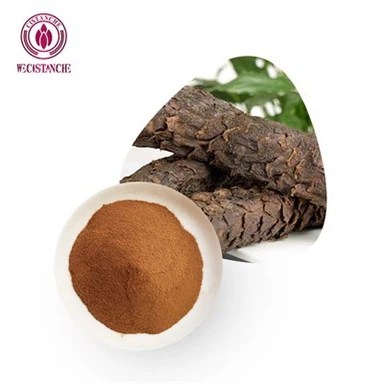
The Neuroprotective Ability Of Cistanche Tubulosa: A Scientific Exploration From Traditional Chinese Medicine To Modern Neuropharmacology
Aug 18, 2026
Summary
Cistanches Herba is a dried fleshy stem of the perennial parasitic plant Cistanche in the family Ledaceae, known as the "Desert Ginseng". This article systematically reviews the latest research progress of Cistanche tubulosa in the field of neuroprotection, focusing on its active ingredients (phenylethanolic glycosides, polysaccharides, etc.) that protect against central nervous system diseases such as Alzheimer's disease, Parkinson's disease, vascular dementia, and cerebral ischemia-reperfusion injury through multiple mechanisms such as antioxidant stress, inhibition of neuroinflammation, anti apoptosis, regulation of iron death, promotion of neurotrophic factor secretion, and gut brain axis regulation. The clinical translation prospects of Cistanche tubulosa are also discussed.
Keywords: Cistanche tubulosa; Phenylethanoid glycoside; Neuroprotection; Alzheimer's disease; Parkinson's disease; ferroptosis oxidative stress

Benefits of Cistanche tubulosa: Anti-Alzheimer's disease
1, Introduction
Cistanche tubulosa was first recorded in the "Shennong Bencao Jing" and is classified as a top-grade herb. Its traditional functions include "tonifying kidney yang, nourishing essence and blood, moistening intestines and promoting bowel movements". In recent years, a series of studies, represented by Professor Tu Pengfei's team from Peking University, have systematically revealed the prominent efficacy of phenylethanol glycosides of Cistanche tubulosa in anti Alzheimer's disease, Parkinson's disease, depression, ischemic stroke, and other neurological diseases, providing a solid modern pharmacological basis for its traditional theory of "tonifying the kidney and marrow". In 2025, Professor Tu Pengfei's project "Key Technologies for the Development and Promotion of the Entire Industry Chain of Endangered Parasitic Chinese Medicine Cistanche tubulosa in the Desert" won the second prize of the National Science and Technology Progress Award, marking a new milestone in the research of Cistanche tubulosa.
With the increasing aging of the global population, neurodegenerative diseases have become a major public health challenge threatening human health. The pathogenesis of diseases such as Alzheimer's disease (AD) and Parkinson's disease (PD) is complex, involving multiple pathological processes such as oxidative stress, neuroinflammation, protein misfolding, and mitochondrial dysfunction. Cistanche tubulosa, with its synergistic effect of multiple targets and pathways, provides a highly potential natural drug choice for the prevention and treatment of neurodegenerative diseases.

Cistanche prevents Alzheimer's disease
2, The main active ingredients of Cistanche tubulosa
The chemical composition of Cistanche tubulosa is rich and diverse. Currently, over a hundred compounds have been isolated and identified, among which the core components closely related to neuroprotection include the following categories:
2.1 Phenylethanolic Glycosides (PhGs) - Core Pharmacological Substances for Neuroprotection

Phenylethanol glycoside is the main active component of Cistanche tubulosa
Phenylethanoid glycosides are the most representative secondary metabolites of Cistanche tubulosa and the material basis for its neuroprotective effects. The Chinese Pharmacopoeia lists echinacoside and verbascoside as characteristic components of Cistanche tubulosa. The main compounds include:
Echinacoside: the highest content, most extensively studied, and most prominent neuroprotective effect;
Acteoside/Verbascoside: has strong antioxidant and anti-inflammatory activities;
Heterogeneous leaf sesame glycosides, pipe flower glycosides B, and class leaf sesame glycosides have all been proven to have significant neuroprotective effects.
Tu Pengfei's team clarified that most of the metabolites of phenylethanolic glycosides are monoamine neurotransmitter analogues, providing a molecular-level explanation for understanding their "kidney tonifying and intelligence enhancing" effects.
2.2 Cistanche polysaccharides (CDPs)
Polysaccharides are important primary metabolites of Cistanche tubulosa and also play a crucial role in neuroprotection. Research has shown that polysaccharides from Cistanche tubulosa can activate the Nrf2/Keap1 signaling pathway, reduce oxidative stress, protect mitochondrial function, and have significant protective effects on neurons.
2.3 Other active ingredients
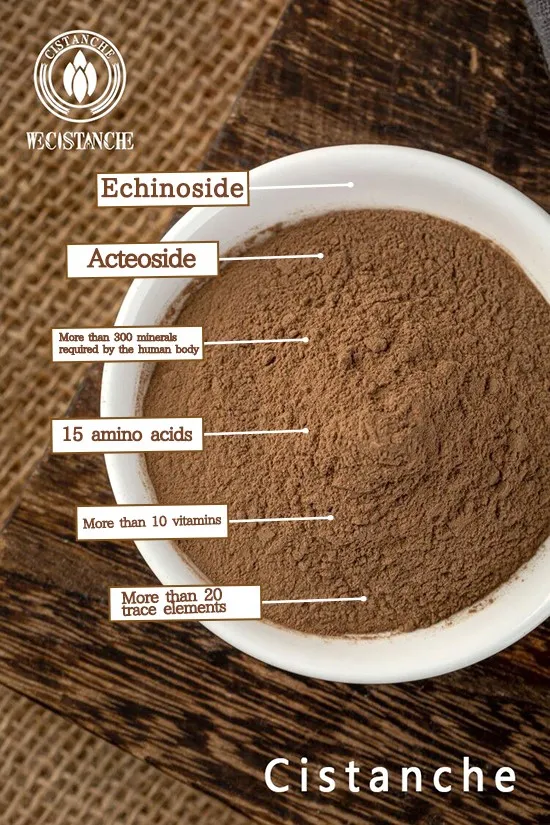
Main Chemical Constituents of Cistanche tubulosa
In addition, Cistanche tubulosa also contains cyclohexene ether terpenes (such as 6-deoxyquercetin and glucuronide), lignans (such as syringin glycosides), alkaloids, β - sitosterol, quercetin, etc. These components contribute to the multidimensional pharmacological activity of Cistanche tubulosa through synergistic effects.
Ingredient categories represent the main neuroprotective contributions of compounds
Phenylethanolic glycosides: Echinochlorin, verbascoside, and allomorpha glycosides, antioxidant, anti-inflammatory, anti-apoptotic, promote neural process growth, and improve cognition
Polysaccharides: Cistanche tubulosa polysaccharides (CDPs) protect mitochondria, activate the Nrf2 pathway, and alleviate neuronal apoptosis
Cycloene ether terpenes: 6-Deoxyzidroside and Glucoside synergistically protect against neuroprotection and oxidation
Lignin class: Syringin-O - β - D-glucoside, neuroprotective synergistic effect
3, The core mechanism of neuroprotection in Cistanche tubulosa
3.1 Anti-oxidative stress - the first line of defense
Oxidative stress is a common pathological basis of neurodegenerative diseases. The antioxidant capacity of phenylethanolic glycosides in Cistanche tubulosa is extremely outstanding, and studies have shown that the antioxidant capacity of echinaceae glycosides can reach several times that of vitamin C. Its specific manifestations are:
Significantly enhance the activity of superoxide dismutase (SOD) and glutathione peroxidase (GSH Px);
• Reduce the levels of lipid peroxidation products such as malondialdehyde (MDA);
Activate the Keap1/Nrf2/HO-1 antioxidant signaling pathway and upregulate the expression of antioxidant defense genes;
Regulate the GSK3 β/Nrf2/ARE pathway to alleviate oxidative stress in cerebral ischemia-reperfusion injury.
3.2 Inhibiting neuroinflammation

cistanche-prevent Alzheimers disease
Click here to view Cistanche Improving Memory and Preventing Alzheimer's Disease products
【Ask for more】 Email:cindy.xue@wecistanche.com / WhatsApp: 0086 18599088692 / WeChat: 18599088692
Chronic inflammation is the 'invisible driving force' that accelerates neuronal death. Cistanche tubulosa inhibits neuroinflammation through multiple pathways:
Downregulate the expression of pro-inflammatory factors such as TNF - α, IL-1 β, IL-17A, etc;
Block inflammatory signaling pathways such as NF - κ B, NLRP3/Caspase-1/IL-1 β;
Inhibit excessive activation of microglia and downregulate the expression of microglial markers such as Iba-1;
Regulate the TXNIP/NLRP3 signaling pathway to reduce the release of inflammatory factors.
3.3 Anti-apoptosis and mitochondrial protection
Mitochondrial dysfunction is the core link of neuronal apoptosis. Cistanche tubulosa maintains neuronal survival through the following methods:
Maintain mitochondrial membrane potential and reduce excessive ROS production;
Upregulation of anti-apoptotic protein Bcl-2 expression and reduction of Bax/Bcl-2 ratio;
Downregulate pro apoptotic molecules such as Caspase-3, P53, P65, iNOS, etc;
The Tu Pengfei team has elucidated for the first time that phenylethanolic glycosides exert neuroprotective effects through the mitochondrial protective pathway.
3.4 Regulating Iron Death - Breakthrough New Discovery
The latest research published in 2025 reveals the innovative mechanism of phenylethanolic glycosides in Cistanche tubulosa regulating iron death, providing a new modern pharmacological explanation for its "kidney tonifying and intelligence enhancing" effects:
Defense pathway: Upregulation of iron death defense proteins such as GPX-4 enhances cellular antioxidant capacity;
• Execution pathway: Downregulate iron death-promoting execution proteins such as ACSL4 and LPCAT3 to reduce lipid peroxidation;
Iron metabolism hub: Reprogram mitochondrial iron metabolism, restrict toxic free iron from entering mitochondria, and promote the transformation of iron into inactive iron-sulfur clusters;
• Ultrastructural protection: Electron microscopy confirmed that phenylethanolic acid alleviates iron death characteristic lesions such as mitochondrial atrophy and cristae disappearance.
This multi-target mode of "bidirectional regulation" (enhancing defense and inhibiting execution) constitutes a complete iron death defense network, providing new prevention and treatment strategies for high-altitude brain injury and neurodegenerative diseases.
3.5 Promoting neurotrophic factors and synaptic protection
Cistanche tubulosa can significantly enhance the expression and secretion of brain-derived neurotrophic factor (BDNF), which is one of the key mechanisms for improving learning and memory abilities
Activate the cAMP PKA CREB BDNF signaling pathway to promote long-term memory formation;
Upregulation of synaptophysin (SYN) and postsynaptic density protein 95 (PSD-95) expression in the hippocampus enhances synaptic plasticity;
Inhibit acetylcholinesterase (AChE) activity and maintain normal levels of acetylcholine;
Promote the proliferation of neural stem cells and activate the Wnt/β - catenin signaling pathway;
In the experiment of chicken embryo dorsal root ganglion culture, sesquiterpenoid glycosides can significantly promote the growth of neural processes.
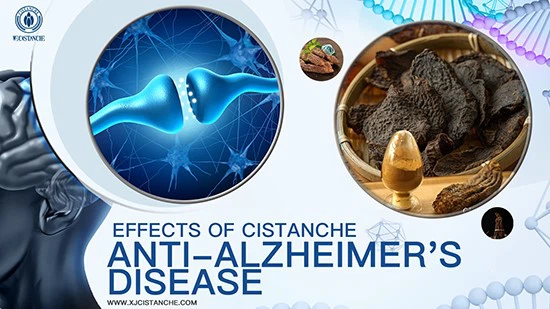
Cistanche prevents Alzheimer's disease
3.6 Regulation of gut-brain axis
In recent years, studies have found that Cistanche tubulosa regulates the homeostasis of gut microbiota, reduces the entry of intestinal metabolic toxins into the bloodstream through the blood-brain barrier, improves brain inflammation and Aβ deposition, and forms a new neuroprotective mechanism of "gut to brain". This discovery provides a scientific basis for the treatment of non-motor symptoms such as constipation and sleep disorders in Parkinson's disease with Cistanche tubulosa.
3.7 Summary of Main Signal Pathways
Signal pathway regulation direction neuroprotective effect
Keap1/Nrf2/HO-1 activates Nrf2 nuclear translocation, upregulates HO-1 to enhance antioxidant defense and alleviate oxidative damage
GSK3 β/Nrf2/ARE inhibits GSK3 β and activates Nrf2/ARE to alleviate oxidative stress during cerebral ischemia-reperfusion
NF - κ B/NLRP3 inhibits NF - κ B activation, downregulates NLRP3 to alleviate neuroinflammation, and inhibits microglial activation
Wnt/β - catenin activates the Wnt pathway, upregulates β - catenin to promote neural stem cell proliferation, and protects dopaminergic neurons
CAMP PKA CREB BDNF upregulates cAMP, PKA, p-CREB, and BDNF to promote synaptic plasticity and improve learning and memory
PI3K/AKT activates AKT phosphorylation to inhibit neuronal apoptosis and promote survival
The iron death pathway (GPX4/ASCL4) upregulates GPX4 and downregulates ACSL4/LPCAT3 to inhibit iron dependent lipid peroxidation
4, The protective effect of Cistanche tubulosa in neurological diseases
4.1 Alzheimer's disease (AD)
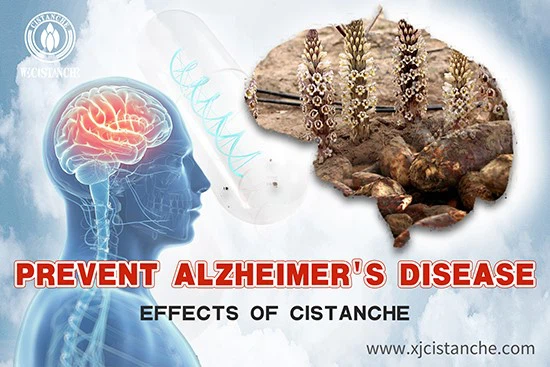
Benefits of Cistanche tubulosa: Anti-Alzheimer's disease
The intervention of Cistanche tubulosa on AD has multidimensional regulatory characteristics:
Inhibit the deposition of Aβ and excessive phosphorylation of Tau protein, and intervene in the core pathology of AD;
Downregulate the PI3K/Akt and TXNIP/NLRP3 signaling pathways to reduce the release of inflammatory factors;
Enhance Bcl-2 gene expression and reduce neuronal apoptosis;
Clinical trials conducted by Li et al. have shown that Cistanche tubulosa capsules can reduce the levels of inflammatory factors such as T-tau, TNF, and IL-1 in the cerebrospinal fluid of AD patients, significantly improving MMSE cognitive scores;
Network pharmacology studies have confirmed that verbascoside, pinealoside, quercetin, and β - sitosterol are the core active ingredients in anti-AD, acting on key targets such as AKT1, APP, BDNF, etc.
4.2 Parkinson's disease (PD)

Desert living cistanche herb-Anti Parkinson's disease
The protective effect of Cistanche tubulosa on PD is also noteworthy:
Pinecone chrysanthemum glycoside activates ERK phosphorylation, upregulates GDNF expression, and inhibits the activation of microglia and astrocytes;
Activate the Wnt/β - catenin pathway, increase tyrosine hydroxylase (TH) expression, and protect dopaminergic neurons;
Regulate the PI3K/AKT pathway to reduce abnormal aggregation of alpha-synuclein;
By regulating the gut-brain axis, improve non-motor symptoms such as constipation and sleep disorders in PD patients.
4.3 Vascular dementia (VaD)
Pinecone chrysanthemum glycoside can significantly improve the learning and memory ability of VaD rats, and the mechanism involves upregulating the expression of BDNF, TrkB, NMDAR, Akt, and other proteins in the hippocampus. Cistanche glycosides can reduce the degree of dementia in patients and significantly improve cognitive function and daily living ability in patients with vascular dementia. The first effective component new drug for treating vascular dementia, "Cistanche Total Glycosides Capsules," successfully created by Tu Pengfei's team, has filled the gap in modern Chinese medicine urgently needed for the treatment of major difficult diseases.
4.4 Cerebral ischemia-reperfusion injury (CIRI)
The total glycosides of Cistanche tubulosa can inhibit neuronal inflammation and apoptosis, reduce the area of cerebral infarction, and have a clear neuroprotective effect on CIRI model rats. Phenylethanolic acid can also activate the Wnt/β - catenin signaling pathway, promote endogenous neural stem cell proliferation, and provide a new strategy for adjuvant therapy of ischemic stroke. The "hook fishing" strategy identified 18 brain protection-related target proteins, including HSP90, covering various functional categories such as antioxidant, ion channel, immune regulation, and cell survival.
4.5 Other neurological disorders
In addition, Cistanche tubulosa can also inhibit the levels of excitatory amino acids in amyotrophic lateral sclerosis (ALS) and reduce neurotoxicity; improve the learning and memory abilities of aging model mice by regulating the cAMP, PKA, and CREB signaling pathways; And demonstrate the potential for antidepressant and ischemic stroke protection.
5, Clinical research and application translation
The neuroprotective research of Cistanche tubulosa is rapidly moving from the laboratory to clinical practice
Indications for formulation/product development stage
Cistanche total glycosides capsules have been launched (Class II new drug) for vascular dementia (the first effective site new drug)
Pinecone chrysanthemum glycoside tablets have completed phase I clinical trials for vascular dementia (new active ingredient drug)
Cistanche Runtong Oral Liquid Completed Phase II Clinical Trial on Constipation (Cistanche Total Sugar Alcohol)
Clinical observation stage of Cistanche Powder: Elderly forgetfulness (insufficient marrow and sea, spleen and kidney deficiency)
Clinical Observation Stage of Compound Cistanche Puzzle Capsules for Elderly Dementia
It is worth mentioning that Tu Pengfei's team fed SAM-P8 premature aging mice with extracts of Cistanche tubulosa, which extended their average lifespan from over 380 days to 425 days, an increase of about 15%, directly demonstrating the anti-aging and neuroprotective effects of Cistanche tubulosa.
6, Conclusion
The scientific connotation of Cistanche tubulosa, from a kidney tonifying and yang strengthening traditional Chinese medicine in the Shennong Bencao Jing to a "multi-target, multi-pathway" neuroprotective star revealed by modern pharmacology, is being decoded layer by layer. Phenylethanoid glycosides exhibit broad-spectrum protective potential against various neurological diseases such as Alzheimer's disease, Parkinson's disease, and vascular dementia through multiple mechanisms including antioxidant stress, inhibition of neuroinflammation, anti-apoptosis, regulation of ferroptosis, promotion of neurotrophic factor secretion, and gut-brain axis regulation. With the successful transformation of innovative drugs such as Tu Pengfei's team's "Cistanche Total Glycosides Capsules" and breakthroughs in the new mechanism of ferroptosis, Cistanche is moving from the desert to the world, from tradition to modernity, contributing a unique "Chinese solution" to the prevention and treatment of neurodegenerative diseases.
References
[1] Professor Tu Pengfei led the project "Key Technologies for the Development and Promotion of the Entire Industry Chain of Endangered Parasitic Chinese Medicine Cistanche tubulosa in the Desert" and won the second prize of the National Science and Technology Progress Award in 2025. Peking University School of Medicine, 2025
[2] Wang Lu, Wu Li'e, Jia Jianxin. The pharmacological effects of Cistanche tubulosa and its research progress in central nervous system diseases. Chinese Journal of Traditional Chinese Medicine, 2024, 42 (3): 50-54
[3] Ren Jiali, wait Pharmacological effects and quality influencing factors of active ingredients in desert Cistanche tubulosa. Food Science
[4] Zhang Xianxie et al. Molecular mechanism study of phenylethanolic acid exerting hypoxic neuroprotective function through iron-induced apoptosis pathway
[5] Li et al. Clinical trial of Cistanche tubulosa capsules in reducing cerebrospinal fluid T-tau and inflammatory cytokine levels in AD patients. Liang et al. investigated the protective effects of pineal acid on dopaminergic neurons through the ERK/GDNF pathway
[6] Multi-targeted regulation of the ferroptosis pathway by Cistanche tubulosa phenylethanoid glycoside reveals a new neuroprotective mechanism. Phytomedicine, 2025.
[7] Research progress on the medicinal and edible Chinese medicine Cistanche tubulosa. Study on the mechanism of improvement of AD/VD by polysaccharides from Cistanche tubulosa, echinacroside, and verbascoside
[8] Research progress on chemical composition, pharmacological effects, and quality marker prediction analysis of Cistanche tubulosa
[9] Cistanche tubulosa: the modern scientific code of traditional Chinese medicine against senile dementia. The antioxidant, anti-inflammatory, and gut-brain axis regulatory mechanisms of phenylethanolic acid glycoside
[10] The neuroprotective mechanism of Cistanche tubulosa: a review of multiple pathways including antioxidant, anti-inflammatory, anti-apoptotic, and synaptic protection
[11] Zhang Kaimei Preliminary Study on the Chemical Components and Neuroprotective Effects of Cistanche tubulosa Dalian University of Technology
[12] Identification of pharmacological targets and efficacy analysis of phenylethanolic glycosides in Cistanche tubulosa based on the "hook fishing" strategy. Identified 18 target proteins, including HSP90
[13] The latest research progress of Cistanche tubulosa in combating Parkinson's disease (PD): five major mechanisms: antioxidant, anti-inflammatory, anti-apoptotic, and gut-brain axis
[14] A Peking University professor has developed a billion-dollar industry for desert "lazy crops" over the past 26 years. The research process of Tu Pengfei's team on Cistanche tubulosa at Peking University School of Medicine
[15] Qianqian Wang, et al. Unveiling the protective effects of Cistanche phenylethanol glycosides against D-galactose-induced kidney aging. Phytomedicine, 2025.
[16] Experimental study on the regulation of GSK3 β/Nrf2/ARE pathway by Cistanche tubulosa phenylethanolic glycoside to alleviate oxidative stress injury in rats with middle cerebral artery infarction
[17] For the first time, we have overcome the technological bottleneck of large-scale planting and industrial development of parasitic plants. China Traditional Chinese Medicine Network, 2026
[18] Cistanche tubulosa phenylethanolic glycoside regulates the GSK3 β/Nrf2/ARE pathway to alleviate oxidative stress damage in MCAO rats
[19] Validate the anti Alzheimer's disease effect and mechanism of Cistanche tubulosa based on network pharmacology and in vivo experiments. Journal of Anhui Medical University, 2025