The Pagoda Candy Of Childhood Can Now Treat Kidney Disease!
Mar 04, 2024
A nephrotic syndrome is a group of clinical syndromes characterized by massive proteinuria, hypoalbuminemia, high degree of edema, and hyperlipidemia. It can be caused by a variety of causes and is divided into three categories: primary, secondary, and hereditary. If it is primary nephrotic syndrome, glucocorticoid treatment is required, and prolonged treatment is required for a long time after treatment to prevent the recurrence of nephrotic syndrome.

Click on Cistanche for kidney disease
However, in children with kidney disease, hormones may cause abnormal growth and development, resulting in serious adverse events. So, are there any more effective and safer treatment options?
Childhood anthelmintic drug Baotatang, a good treatment for kidney disease
"Bata Sugar" is an anthelmintic that almost every child took in childhood. Its generic name is levamisole. It is a derivative of synthetic thiazole compounds and a broad-spectrum anthelmintic. It is mainly used for Repelles roundworms and hookworms. It can inhibit the activity of succinate dehydrogenase in the muscles of the insect body, causing continuous muscle contraction and paralysis, and is finally excreted by the body.
Recently, a study showed that levamisole is effective in treating nephrotic syndrome in children.1
In this study, scholars only included children with primary nephrotic syndrome between the ages of 2 and 18 without major renal damage, a total of 160 cases. Compared with the current standard treatment method of taking glucocorticoids once every other day, children in the levamisole group had a lower frequent relapse rate of nephrotic syndrome (difference between groups: 17.5%), a similar sustained remission rate, and no significant difference in the time to first relapse. difference.

However, patients who received glucocorticoids were more likely to experience treatment failure than those who received levamisole, with a risk difference of 16.3%. In other words, levamisole may be superior in terms of efficacy.
What about security?
The study found that cumulative glucocorticoid dosage was significantly lower with levamisole, but there were few differences in other safety measures. This suggests that levamisole may have a higher long-term safety profile.
Some studies have pointed out that long-term use of glucocorticoids can lead to a series of adverse events, such as infection, hypertension, developmental abnormalities (in children or adolescents), etc. For children and adolescent patients, we should not only focus on adverse events during drug use but should also follow up for a longer period to pay attention to whether the patients have developmental abnormalities.
Studies have shown that pediatric patients who receive lower cumulative doses of glucocorticoids are at a lower risk of developmental abnormalities or other long-term adverse events. This is why some scholars believe that levamisole is safer.
Some other studies have found that compared with European patients, Asian patients respond well to levamisole which can be combined with glucocorticoids to reduce the risk of recurrence of nephrotic syndrome while reducing the cumulative dosage of glucocorticoids.

Although levamisole also has adverse reactions, such as dizziness, nausea, vomiting, abdominal pain, and occasionally leukopenia, most of the adverse reactions can resolve spontaneously or are reversible after discontinuation of the drug2.
How Does Cistanche Treat Kidney Disease?
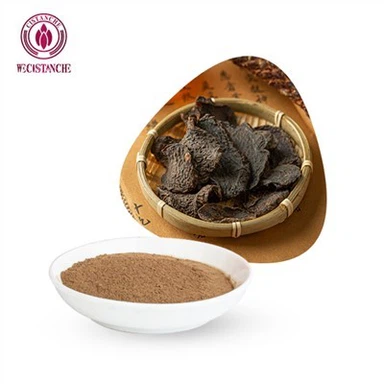
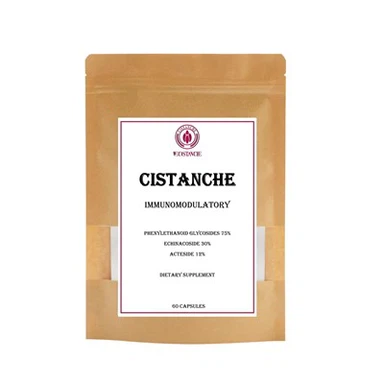
Cistanche is a traditional Chinese herbal medicine used for centuries to treat various health conditions, including kidney disease. It is derived from the dried stems of Cistanche deserticola, a plant native to the deserts of China and Mongolia. The main active components of cistanche are phenylethanoid glycosides, echinacoside, and acteoside, which have been found to have beneficial effects on kidney health.
Kidney disease, also known as renal disease, is a condition in which the kidneys are not functioning properly. This can result in a buildup of waste products and toxins in the body, leading to various symptoms and complications. Cistanche may help treat kidney disease ase through several mechanisms.
Firstly, cistanche has been found to have diuretic properties, meaning it can increase urine production and help eliminate waste products from the body. This can help relieve the burden on the kidneys and prevent the buildup of toxins. By promoting diuresis, cistanche may also help Reduce high blood pressure, a common complication of kidney disease.
Moreover, cistanche has been shown to have antioxidant effects. Oxidative stress, caused by an imbalance between the production of free radicals and the body's antioxidant defenses, plays a key role in the progression of kidney disease. ies help neutralize free radicals and reduce Oxidative stress, thereby protecting the kidneys from damage. The phenylethanoid glycosides found in cistanche have been particularly effective in scavenging free radicals and inhibiting lipid peroxidation.
Additionally, cistanche has been found to have anti-inflammatory effects. Inflammation is another key factor in the development and progression of kidney disease. Cistanche's anti-inflammatory properties help reduce the production of pro-inflammatory cytokines and inhibit the activation of inflammation mandatory pathways, thus alleviating inflammation in the kidneys.
Furthermore, cistanche has been shown to have immunomodulatory effects. In kidney disease, the immune system can be dysregulated, leading to excessive inflammation and tissue damage. Cistanche helps regulate the immune response by modulating the production and activity of immune cells, such as T cells and macrophages. This immune regulation helps reduce inflammation and prevent further damage to the kidneys.

Moreover, cistanche has been found to improve renal function by promoting the regeneration of renal tubes with cells. Renal tubular epithelial cells play a crucial role in the filtration and reabsorption of waste products and electrolytes. In kidney disease, these cells can be damaged, leading to damaged renal function. Cistanche's ability to promote the regeneration of these cells helps restore proper renal function and improve overall kidney health.
In addition to these direct effects on the kidneys, cistanche has been found to have beneficial effects on other organs and systems in the body. This holistic approach to health is particularly important in kidney disease, as the condition often affects multiple organs and systems. che has been shown to have protective effects on the liver, heart, and blood vessels, which are commonly affected by kidney disease. By promoting the health of these organs, cistanche helps improve overall kidney function and prevent further complications.
In conclusion, cistanche is a traditional Chinese herbal medicine used for centuries to treat kidney disease. Its active components have diuretic, antioxidant, anti-inflammatory, immunomodulatory, and regenerative effects, which help improve renal function and protect the kidneys from further damage. , cistanche has beneficial effects on other organs and systems, making it a holistic approach to treating kidney disease.