The AKI Data Of Patients After Large-scale Surgery Is Released. These 4 Numbers Are Worth Pondering.
Mar 04, 2024
It is well known that acute kidney injury (AKI) is a common complication in hospitalized patients and seriously affects patient prognosis. Even brief and mild AKI is associated with a higher risk of death. Recently, a Chinese survey report showed that AKI accounts for 10% of the total medical expenses, which has a significant impact on society, families, individuals, and medical institutions.

Click to Cistanche for kidney disease
Given the above reasons, famous Chinese nephrologists such as Academician Hou Fanfan and Professor Xu Gang took the lead in retrospectively analyzing the incidence, risk factors, and prognosis of postoperative AKI in Chinese patients. The results of the survey were recently published on NDT. Among them, 4 numbers are worth pondering.
Four important data
National postoperative AKI incidence rate: 5.0%
Renal replacement therapy utilization: 7.7%
ICU utilization rate: 45.0%
In-hospital mortality: 4.0%
Research design
This is a retrospective study, with data from the China Kidney Disease Data System (CRDS), covering 16 tertiary hospitals in 10 provinces. Adult patients who underwent surgery from 2013 to 2019 were included, but due to the small sample size, transplant patients were not included. Exclusion criteria are ① Hospital stay ≤ 1 day; ② Nephrectomy surgery; ③ Patients with end-stage renal disease, defined as estimated glomerular filtration rate (eGFR) < 15ml/min/1.73㎡, or those who have received a kidney before surgery Alternative treatments. The definition and staging of AKI in this study followed the KDIGO standards.
The primary endpoint of the study was in-hospital mortality, and other endpoints included total length of stay, total hospitalization costs, need for intensive care (ICU) and need for renal replacement therapy.
Research result
A total of 520,707 surgeries were included. The most common type of surgery was general surgery (32.5%), followed by orthopedics (16.1%) and gynecology (13.7%). Emergency surgeries accounted for only 1.5%. The average age was 54 years old, 45.9% were male, and the average baseline eGFR was 98 ml/min/1.73㎡. It is worth noting that 4.4% of patients had a baseline eGFR <60 ml/min/1.73㎡.
01 Incidence of AKI
A total of 25,830 patients developed AKI, accounting for 5.0%. The proportions of AKI stage 1, stage 2 and stage 3 were 77.3%, 15.4%, and 7.3% respectively. In addition, the risk of AKI after different surgeries is different, with the highest risk being cardiac surgery (34.6%), followed by urological surgery (8.7%) and general surgery (4.2%). What needs more attention is that severe AKI is also prone to occur after cardiac surgery (AKI stages 2 and 3; 29.3%), followed by neurosurgery (23.8%). In addition, the incidence of AKI in emergency surgery was 5.9% higher than that in elective surgery (4.9%).

In addition, most postoperative AKI was detected on the first postoperative day (72.7%), and a small number (1.5%) of patients were detected on the seventh postoperative day.
02 Prognosis of AKI
Among all patients who developed AKI, only 1053 (5.5%) patients were considered to have transient AKI. Based on the last creatinine test, 19,655 patients (78.4%) returned to normal, while only 859 (52.8%) of AKI stage 3 patients had normal renal function.
Notably, 1025 (4.0%) patients with postoperative AKI died during hospitalization. Kaplan-Meier survival curve analysis showed that as the AKI stage increased, the risk of in-hospital death increased significantly.
In addition, compared with postoperative patients without AKI, patients with AKI had a longer hospitalization time (12 days vs 19 days), higher costs (38,000 yuan vs 82,000 yuan), and were more likely to receive ICU treatment (13.1% vs 45.0% ), were more likely to receive renal replacement therapy (0.4% vs 7.7%).
research discussion
In this large-scale, multi-center retrospective study, the incidence rate of postoperative AKI in my country was 5.0%, among which the risk of AKI after cardiac surgery was the highest, and most AKI could be diagnosed within 2 days after surgery.
AKI is a common postoperative complication in cardiac surgery patients in my country. Around the world, cardiac surgery patients are also prone to AKI. In 2016, a meta-analysis that included 91 studies and 320,086 cardiac surgery patients showed that the incidence of AKI after cardiac surgery was 22.3%. Relevant studies including U.S. veterans showed that the incidence rate was 18.7%. However, this study found that the incidence of AKI in patients after cardiac surgery in my country reached 34.6%, and 30% of AKI was stage 2 or 3, suggesting that my country needs to further improve the prevention of postoperative AKI in patients undergoing cardiac surgery.
This study also found that most postoperative AKI was detected within 2 days (48 hours), suggesting that intervention should be strengthened before and during surgery, such as reducing the use of preoperative nephrotoxic drugs, avoiding excessive fluid loss, etc. Precaution. In addition, in clinical practice, some doctors prefer to conduct a serum creatinine test within 48 hours after surgery. If there are no abnormalities in this test, additional tests will not be performed, which may lead to the missed diagnosis of late-stage AKI. In addition, the significant decrease in postoperative muscle mass may be an important reason for the detection rate of late postoperative AKI.
Finally, this study also found that preoperative hospital stay has a U-shaped relationship with postoperative AKI. If the preoperative hospitalization time is too short, it indicates that the surgical emergency is high and the patient may not be well prepared; if the preoperative hospitalization time is too long, it indicates that the patient's clinical symptoms are severe. Other factors associated with postoperative AKI were older age, male gender, lower baseline renal function, and the presence of comorbidities. For patients with the above factors, doctors should consider postoperative AKI monitoring.

Overall, this study demonstrates that postoperative AKI is an important medical burden in China, especially in cardiac surgery patients. In addition, the missed diagnosis rate of AKI is high. Therefore, it is urgent to improve our country's understanding of postoperative AKI and implement an early warning system. This study also revealed the risk factors for postoperative AKI in different types of surgery, providing important information for improving AKI prevention strategies.
How Does Cistanche Treat Kidney Disease?
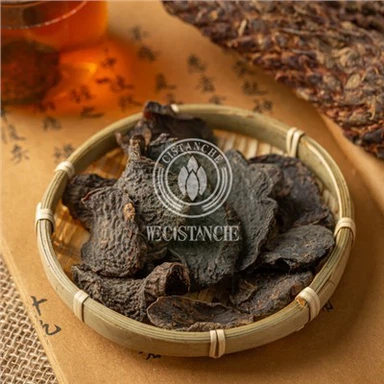
Cistanche is a traditional Chinese herbal medicine used for centuries to treat various health conditions, including kidney disease. It is derived from the dried stems of Cistanche deserticola, a plant native to the deserts of China and Mongolia. The main active components of cistanche are phenylethanoid glycosides, echinacoside, and acteoside, which have been found to have beneficial effects on kidney health.
Kidney disease, also known as renal disease, is a condition in which the kidneys are not functioning properly. This can result in a buildup of waste products and toxins in the body, leading to various symptoms and complications. Cistanche may help treat kidney disease ase through several mechanisms.
Firstly, cistanche has been found to have diuretic properties, meaning it can increase urine production and help eliminate waste products from the body. This can help relieve the burden on the kidneys and prevent the buildup of toxins. By promoting diuresis, cistanche may also help Reduce high blood pressure, a common complication of kidney disease.
Moreover, cistanche has been shown to have antioxidant effects. Oxidative stress, caused by an imbalance between the production of free radicals and the body's antioxidant defenses, plays a key role in the progression of kidney disease. ies help neutralize free radicals and reduce Oxidative stress, thereby protecting the kidneys from damage. The phenylethanoid glycosides found in cistanche have been particularly effective in scavenging free radicals and inhibiting lipid peroxidation.
Additionally, cistanche has been found to have anti-inflammatory effects. Inflammation is another key factor in the development and progression of kidney disease. Cistanche's anti-inflammatory properties help reduce the production of pro-inflammatory cytokines and inhibit the activation of inflammation mandatory pathways, thus alleviating inflammation in the kidneys.
Furthermore, cistanche has been shown to have immunomodulatory effects. In kidney disease, the immune system can be dysregulated, leading to excessive inflammation and tissue damage. Cistanche helps regulate the immune response by modulating the production and activity of immune cells, such as T cells and macrophages. This immune regulation helps reduce inflammation and prevent further damage to the kidneys.

Moreover, cistanche has been found to improve renal function by promoting the regeneration of renal tubes with cells. Renal tubular epithelial cells play a crucial role in the filtration and reabsorption of waste products and electrolytes. In kidney disease, these cells can be damaged, leading to damaged renal function. Cistanche's ability to promote the regeneration of these cells helps restore proper renal function and improve overall kidney health.
In addition to these direct effects on the kidneys, cistanche has been found to have beneficial effects on other organs and systems in the body. This holistic approach to health is particularly important in kidney disease, as the condition often affects multiple organs and systems. che has been shown to have protective effects on the liver, heart, and blood vessels, which are commonly affected by kidney disease. By promoting the health of these organs, cistanche helps improve overall kidney function and prevent further complications.
In conclusion, cistanche is a traditional Chinese herbal medicine used for centuries to treat kidney disease. Its active components have diuretic, antioxidant, anti-inflammatory, immunomodulatory, and regenerative effects, which help improve renal function and protect the kidneys from further damage. , cistanche has beneficial effects on other organs and systems, making it a holistic approach to treating kidney disease.