The Review Of Anti-aging Mechanism Of Polyphenols On Caenorhabditis Elegans Part 2
Jul 26, 2023
TANNINS
Tannic acid (TA) belongs to the hydrolyzable tannins, containing five gallic acid residues covalently linked to a central glucose molecule, and it can precipitate protein. As a strong anti-oxidant, the observed increase in heat stress resistance and oxidative stress resistance is not due to its ability to directly remove oxygen free radicals but its ability to act as a stimulus to activate the anti-oxidant system of the body (Saul et al., 2010, 2011). Studies have shown that a low concentration of TA might simulate mild pathogenic stress, strengthen the SEK-1-based pathogen defense system, inhibit the potentially harmful effects of TA, and induce nematodes to prolong their life effectively (Saul et al., 2010). In addition, TA itself does not reduce the food intake of nematodes, but exerts molecular regulation through eat-2 in the DR pathway or precipitates and combines nutritional proteins and digestive enzymes (eat-2 mutant suffered from insufficient food intake due to decreased pharyngeal pumping). It is worth noting that the concentration range of health effects of TA is relatively narrow, so it is also very important to find a suitable concentration to treat C. elegans. Unlike TA, ellagic acid (EA) can be used as a chemical repellent to reduce the feeding behavior of nematodes and prolong the lifespan of nematodes by its strong antibacterial ability (Saul et al., 2011). Oenothein B (Chen et al., 2020) and pentagalloyl glucose (Chen et al., 2014) extracted from eucalyptus leaves can prolong healthy life by regulating multiple targets. They can regulate the IIS pathway via age-1 and daf- 16, the DR pathway via eat-2 and sir-2.1, and the mitochondrial electron transfer chain via isp-1 to promote healthy life, including reducing age pigment and ROS accumulation and improve exercise flexibility, heat stress tolerance, and lifespan. isp-1 is one of the genes encoding mitochondrial electron transport chain components, and the deletion of isp-1 exists in the respiratory chain complex III. Their mechanism of action might be the same because of their similar structure.
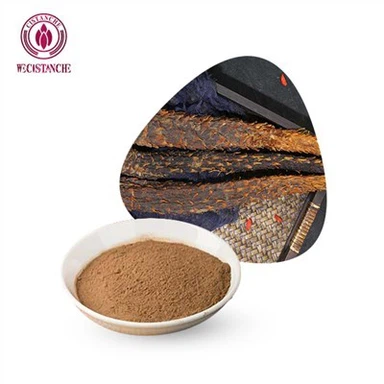
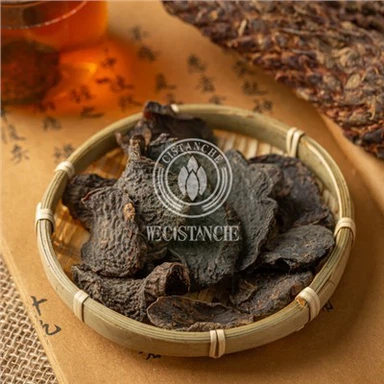
Glycoside of cistanche can also increase the activity of SOD in heart and liver tissues, and significantly reduce the content of lipofuscin and MDA in each tissue, effectively scavenging various reactive oxygen radicals (OH-, H₂O₂, etc.) and protecting against DNA damage caused by OH-radicals. Cistanche phenylethanoid glycosides have a strong scavenging ability of free radicals, a higher reducing ability than vitamin C, improve the activity of SOD in sperm suspension, reduce the content of MDA, and have a certain protective effect on sperm membrane function. Cistanche polysaccharides can enhance the activity of SOD and GSH-Px in erythrocytes and lung tissues of experimentally senescent mice caused by D-galactose, as well as reduce the content of MDA and collagen in lung and plasma, and increase the content of elastin, have a good scavenging effect on DPPH, prolong the time of hypoxia in senescent mice, improve the activity of SOD in serum, and delay the physiological degeneration of lung in experimentally senescent mice With cellular morphological degeneration, experiments have shown that Cistanche has the good antioxidant ability and has the potential to be a drug to prevent and treat skin aging diseases. At the same time, echinacoside in Cistanche has a significant ability to scavenge DPPH free radicals and has the ability to scavenge reactive oxygen species and prevent free radical-induced collagen degradation, and also has a good repair effect on thymine free radical anion damage.
Click On Cistanche Reddit for Anti-Aging
【For more info:george.deng@wecistanche.com / WhatApp:86 13632399501】
CONCLUSIONS
Before studying the signaling pathway implicated in a certain disease in a model organism, some researchers first test this pathway in suitable cell lines. For example, resveratrol was found in the generation of different effects, such as promoting proliferation in mesenchymal stem cells, with possible involvement of the ERK/GSK-3β pathway (Yoon et al., 2015). Nematodes were further utilized to test the MPK-1 (an ERK homolog) signaling (Yoon et al., 2019). When we treat nematodes with plant extracts, we can first analyze each extract component using mass spectrometry, high-performance liquid chromatography, or similar methods; this analysis might help to identify the key components responsible for the biological effects.
At present, researchers rarely treat C. elegans with polyphenols, such as flavanones and isoflavones; therefore, it is unknown whether or not these polyphenols have direct effects on C. elegans. However, many studies demonstrated that the abovementioned polyphenols can act on homologous genes of C. elegans in other species and that these genes are involved in aging and regulation of lifespan. Flavanones, of which the representative molecule is hesperidin, are mainly found in citrus plants and have been demonstrated to be able to reduce oxidative stress caused by a high-fat diet in mice and to slow down the aging process in old-aged rats. Some studies found that one of the targets of flavanones in animals is Nrf2, whereas C. elegans has an Nrf2-homolog gene, SKN-1 (Ferreira et al., 2016; Barreca et al., 2017; Habtemariam, 2019; Miler et al., 2020). Isoflavones, such as genistein and daidzein, are generally regarded as phytoestrogens; there is evidence that Nrf2 is also one of the downstream targets of isoflavones and that it can also regulate fat metabolism in rats with diet-induced obesity, acting through the AMPK pathway (Li and Zhang, 2017; Krizova et al., 2019). In conclusion, further studies should be conducted to test whether these polyphenols have beneficial effects on C. elegans.
PROSPECTS
To the best of our knowledge, in the study of total polyphenols in plants, especially medicinal plants, their functions, the bioactive substances, and molecular mechanisms for prolonging lifespan and delaying senescence have not received enough attention. For example, mulberry leaves have been widely used in traditional Chinese medicine and folk dietary therapy for their outstanding effects of detoxifying the liver, improving eyesight, and prolonging life. It is believed that mulberry leaf extracts used in traditional Chinese medicine have anti-oxidant and hepatoprotective effects, and those two activities are related to mitochondria function (Meng et al., 2020). Liver tissue contains a large number of mitochondria, and the fatty acids are activated into ester-acyl-coenzyme A, which is metabolized by β oxidation in mitochondria. Acetyl-coenzyme A and fat synthetases required for fatty acid synthesis come from mitochondria. At present, mulberry leaf extract has been confirmed to have beneficial effects on several diseases, such as cancer, type 2 diabetes, and obesity. In addition, modern medicine experiments have proved that mulberry leaf extract can delay aging in mice (Lim et al., 2013; Turgut et al., 2016). Mulberry leaf extract is an effective and natural free-radical scavenger and anti-oxidant, but the research on mulberry leaf extract and mulberry leaf polyphenol is limited to its anti-oxidant activity in vitro, and its specific mechanisms of action have not been elaborated. Moreover, the activities of mulberry leaf polyphenols have not yet been associated with any specific physiological functions. Besides, nematodes being treated by the combination of two extracts from different plants revealed stronger effects than the treatment with only either of the single extract. A recent study shows that nematodes treated with mixtures of blueberry and apple peel extracts have a longer lifespan than those treated with only one substance (Song et al., 2020a,b). Could mulberry leaf extract exert the effects observed in traditional Chinese medicine by regulating fat metabolism? What are the specific anti-aging mechanisms of mulberry leaves in C. elegans? Could the combinations of mulberry leaves, polyphenols, and other polyphenols, or other bioactive substances play their beneficial roles more significantly, and what are their mechanisms? We would like to answer these questions by conducting further research.

AUTHOR CONTRIBUTIONS
ZQ and NL conceived the idea and wrote the manuscript with input from LL, PG, and SZ. PG and PW prepared the figures. LL, PW, and SZ prepared the tables. All authors edited and approved the final manuscript.
FUNDING
This review was supported by the National Natural Science Foundation of China (Nos. 81872584 and 81472941), the National 863 Young Scientist Program (No. 2015AA020940), the Natural Science Foundation of Guangdong Province (No. 2016A030313138), Key R & D and Promotion Project of Henan Province (No. 192102310259), Key Scientific Research Project of Henan Province (No. 21A330001), the Key Projects of Guangzhou Science and Technology Program (No. 201704020056), Interdisciplinary Research for First-Class Discipline Construction Project of Henan University (No. 2019YLXKJC04), the Scientific Research Project for University of Education Bureau of Guangzhou (No. 201831841), and the Yellow River Scholar Foundation of Henan University.
REFERENCES
1. Abbas, S., and Wink, M. (2014). Green tea extract induces the resistance of Caenorhabditis elegans against oxidative stress. Antioxidants 3, 129–143. doi: 10.3390/antiox3010129
2. Adachi, H., and Ishii, N. (2000). Effects of tocotrienols on life span and protein carbonylation in Caenorhabditis elegans. J. Gerontol. A Biol. Sci. Med. Sci. 55, B280–285. doi: 10.1093/gerona/55.6.B280
3. Adebamowo, C. A., Cho, E., Sampson, L., Katan, M. B., Spiegelman, D., Willett, W. C., et al. (2005). Dietary flavonols and flavonol-rich foods intake and the risk of breast cancer. Int. J. Cancer 114, 628–633. doi 10.1002/ijc. 20741
4. Amigoni, L., Stuknyte, M., Ciaramelli, C., Magoni, C., Bruni, I., De Noni, I., et al. (2017). Green coffee extract enhances oxidative stress resistance and delays aging in Caenorhabditis elegans. J. Funct. Foods 33, 297–306. doi 10.1016/j.jff.2017.03.056
5. Amor, C., Feucht, J., Leibold, J., Ho, Y. J., Zhu, C., Alonso-Curbelo, D., et al. (2020). Senolytic CAR T cells reverse senescence-associated pathologies. Nature 583, 127–132. doi: 10.1038/s41586-020-2403-9
6. An, J. H., and Blackwell, T. K. (2003). SKN-1 links C. elegans mesendodermal specification to a conserved oxidative stress response. Genes Dev. 17, 1882–1893. doi 10.1101/gad.1107803
7. Barbieri, M., Bonafe, M., Franceschi, C., and Paolisso, G. (2003). Insulin/IGFI-signaling pathway: an evolutionarily conserved mechanism of longevity from yeast to humans. Am. J. Physiol. Endocrinol. Metab. 285, E1064–E1071. doi: 10.1152/ajpendo.00296.2003
8. Barreca, D., Gattuso, G., Bellocco, E., Calderaro, A., Trombetta, D., Smeriglio, A., et al. (2017). Flavanones: Citrus phytochemical with health-promoting properties. Biofactors 43, 495–506. doi: 10.1002/biof.1363
9. Bartholome, A., Kampkotter, A., Tanner, S., Sies, H., and Klotz, L. O. (2010). Epigallocatechin gallate-induced modulation of FoxO signaling in mammalian cells and C. elegans: FoxO stimulation is masked via PI3K/Akt activation by hydrogen peroxide formed in cell culture. Arch. Biochem. Biophys. 501, 58–64. doi 10.1016/j.abb.2010.05.024
10. Brenner, S. (1974). The genetics of Caenorhabditis elegans. Genetics 77, 71–94. doi: 10.1093/genetics/77.1.71
11. Brown, M. K., Evans, J. L., and Luo, Y. (2006). Beneficial effects of natural antioxidants EGCG and alpha-lipoic acid on life span and age-dependent behavioral declines in Caenorhabditis elegans. Pharmacol. Biochem. Behav. 85, 620–628. doi 10.1016/j.pbb.2006.10.017
12. Buchter, C., Ackermann, D., Havermann, S., Honnen, S., Chovolou, Y., Fritz, G., et al. (2013). Myricetin-mediated lifespan extension in Caenorhabditis elegans is modulated by DAF-16. Int. J. Mol. Sci. 14, 11895–11914. doi: 10.3390/ijms140611895
13. Chen, W., Muller, D., Richling, E., and Wink, M. (2013). Anthocyanin-rich purple wheat prolongs the life span of Caenorhabditis elegans probably by activating the DAF-16/FOXO transcription factor. J. Agric. Food Chem. 61, 3047–3053. doi: 10.1021/jf3054643
14. Chen, X., Barclay, J. W., Burgoyne, R. D., and Morgan, A. (2015). Using C. elegans to discover therapeutic compounds for aging-associated neurodegenerative diseases. Chem. Cent. J. 9:65. doi: 10.1186/s13065-015-0143-y
15. Chen, Y., Onken, B., Chen, H., Xiao, S., Liu, X., Driscoll, M., et al. (2014). Mechanism of longevity extension of Caenorhabditis elegans induced by pentagalloyl glucose isolated from eucalyptus leaves. J. Agric. Food Chem. 62, 3422–3431. doi: 10.1021/jf500210p
16. Chen, Y., Onken, B., Chen, H., Zhang, X., Driscoll, M., Cao, Y., et al. (2020). Healthy lifespan extension mediated by endothelin B isolated from Eucalyptus grandis x Eucalyptus urophylla GL9 in Caenorhabditis elegans. Food Funct. 11, 2439–2450. doi: 10.1039/C9FO02472G
17. Childs, B. G., Baker, D. J., Wijshake, T., Conover, C. A., Campisi, J., and van Deursen, J. M. (2016). Senescent intimal foam cells are deleterious at all stages of atherosclerosis. Science 354, 472–477. doi 10.1126/science.aaf6659
18. Childs, B. G., Durik, M., Baker, D. J., and van Deursen, J. M. (2015). Cellular senescence in aging and age-related disease: from mechanisms to therapy. Nat. Med. 21, 1424–1435. doi 10.1038/nm.4000
19. Cypser, J. R., Kitzenberg, D., and Park, S. K. (2013). Dietary restriction in C.elegans: recent advances. Exp. Gerontol. 48, 1014–1017. doi: 10.1016/j.exger.2013.02.018
20. Dall, K. B., and Faergeman, N. J. (2019). Metabolic regulation of lifespan from a C. elegans perspective. Genes Nutr. 14:25. doi: 10.1186/s12263-019-0650-x
21. De la Fuente, M., Sanchez, C., Vallejo, C., Diaz-Del Cerro, E., Arnalich, F., and Hernanz, A. (2020). Vitamin C and vitamin C plus E improve the immune function in the elderly. Exp. Gerontol. 142:111118. doi: 10.1016/j.exger.2020.111118
22. Demoinet, E., and Roy, R. (2018). Surviving starvation: AMPK protects germ cell integrity by targeting multiple epigenetic effectors. Bioessays 40:1700095. doi: 10.1002/bies.201700095
23. Desjardins, D., Cacho-Valadez, B., Liu, J. L., Wang, Y., Yee, C., Bernard, K., et al. (2017). Antioxidants reveal an inverted U-shaped dose-response relationship between reactive oxygen species levels and the rate of aging in Caenorhabditis elegans. Aging Cell 16, 104–112. doi 10.1111/acel.12528
24. Ferreira, P. S., Spolidorio, L. C., Manthey, J. A., and Cesar, T. B. (2016). Citrus flavanones prevent systemic inflammation and ameliorate oxidative stress in C57BL/6J mice fed a high-fat diet. Food Funct. 7, 2675–2681. doi: 10.1039/c5fo01541c
25. Fischer, N., Buchter, C., Koch, K., Albert, S., Csuk, R., and Watjen, W. (2017). The resveratrol derivatives trans-3,5-dimethoxy-4-fluoro-4’-hydroxystilbene and trans-2,4’,5-trihydroxystilbene decrease oxidative stress and prolong lifespan in Caenorhabditis elegans. J. Pharm. Pharmacol. 69, 73–81. doi: 10.1111/jphp.12657
26. Fraga, C. G., Croft, K. D., Kennedy, D. O., and Tomas-Barberan, F. A. (2019). The effects of polyphenols and other bioactives on human health. Food Funct. 10, 514–528. doi: 10.1039/C8FO01997E
27. Friedman, D. B., and Johnson, T. E. (1988). A mutation in the age-1 gene in Caenorhabditis elegans lengthens life and reduces hermaphrodite fertility. Genetics 118, 75–86. doi: 10.1093/genetics/118.1.75
28. Gonzalez-Paramas, A. M., Brighenti, V., Bertoni, L., Marcelloni, L., Ayuda-Duran, B., Gonzalez-Manzano, S., et al. (2020). Assessment of the in vivo antioxidant activity of an anthocyanin-rich bilberry extract using the Caenorhabditis elegans model. Antioxidants 9:509. doi: 10.3390/antiox9060509
29. Grunz, G., Haas, K., Soukup, S., Klingenspor, M., Kulling, S. E., Daniel, H., et al. (2012). Structural features and bioavailability of four flavonoids and their implications for lifespan-extending and antioxidant actions in C. elegans. Mech. Ageing Dev. 133, 1–10. doi: 10.1016/j.mad.2011. 11.005
30. Guarente, L., and Kenyon, C. (2000). Genetic pathways that regulate aging in model organisms. Nature 408, 255–262. doi: 10.1038/35041700
31. Habtemariam, S. (2019). The Nrf2/HO-1 axis as targets for flavanones: neuroprotection by pinocembrin, naringenin, and eriodictyol. Oxid. Med. Cell. Longev. 2019:4724920. doi: 10.1155/2019/4724920
32. Havermann, S., Humpf, H. U., and Watjen, W. (2016). Baicalein modulates stress resistance and life span in C. elegans via SKN-1 but not DAF-16. Fitoterapia 113, 123–127. doi: 10.1016/j.fitote.2016.06.018
33. Havermann, S., Rohrig, R., Chovolou, Y., Humpf, H. U., and Watjen, W. (2013). Molecular effects of baicalein in Hct116 cells and Caenorhabditis elegans: activation of the Nrf2 signaling pathway and prolongation of lifespan. J. Agric. Food Chem. 61, 2158–2164. doi: 10.1021/jf304553g
34. Huang, X. B., Mu, X. H., Wan, Q. L., He, X. M., Wu, G. S., and Luo, H. R. (2017). Aspirin increases metabolism through germline signaling to extend the lifespan of Caenorhabditis elegans. PLoS ONE 12:e0184027. doi: 10.1371/journal.pone.0184027
35. Jayarathne, S., Ramalingam, L., Edwards, H., Vanapalli, S. A., and MoustaidMoussa, N. (2020). Tart cherry increases lifespan in Caenorhabditis elegans by altering metabolic signaling pathways. Nutrients 12:1482. doi: 10.3390/nu12051482
36. Johnson, S. C., Rabinovitch, P. S., and Kaeberlein, M. (2013). mTOR is a key modulator of aging and age-related disease. Nature 493, 338–345. doi: 10.1038/nature11861

37. Johnson, T. E., and Wood, W. B. (1982). Genetic analysis of life-span in Caenorhabditis elegans. Proc. Natl. Acad. Sci. U.S.A. 79, 6603–6607. doi: 10.1073/pans.79.21.6603
38. Jorgensen, E. M., and Mango, S. E. (2002). The art and design of genetic screens: Caenorhabditis elegans. Nat. Rev. Genet. 3, 356–369. doi: 10.1038/nrg794
39. Jung, H. Y., Lee, D., Ryu, H. G., Choi, B. H., Go, Y., Lee, N., et al. (2017). Myricetin improves endurance capacity and mitochondrial density by activating SIRT1 and PGC-1 alpha. Sci. Rep. 7:6237. doi: 10.1038/s41598-017-05303-2
40. Juurlink, B. H., Azouz, H. J., Aldalati, A. M., AlTinawi, B. M., and Ganguly, P. (2014). Hydroxybenzoic acid isomers and the cardiovascular system. Nutr. J. 13:63. doi: 10.1186/1475-2891-13-63
41. Kampkotter, A., Timpel, C., Zurawski, R. F., Ruhl, S., Chovolou, Y., Proksch, P., et al. (2008). Increase of stress resistance and lifespan of Caenorhabditis elegans by quercetin. Comp. Biochem. Physiol. B Biochem. Mol. Biol. 149, 314–323. doi 10.1016/j.cbpb.2007.10.004
42. Kenyon, C. (2010). A pathway that links reproductive status to lifespan in Caenorhabditis elegans. Ann. N. Y. Acad. Sci. 1204, 156–162. doi: 10.1111/j.1749-6632.2010.05640.x
43. Keowkase, R., Shoomarom, N., Bunargin, W., Sitthithaworn, W., and Weerapreeyakul, N. (2018). Sesamin and sesamolin reduce amyloid-beta toxicity in transgenic Caenorhabditis elegans. Biomed. Pharmacother. 107, 656–664. doi 10.1016/j.biopha.2018.08.037
44. Kim, D. K., Jeon, H., and Cha, D. S. (2014). 4-Hydroxybenzoic acid-mediated lifespan extension in Caenorhabditis elegans. J. Funct. Foods 7, 630–640. doi 10.1016/j.jff.2013.12.022
45. Kim, W., Underwood, R. S., Greenwald, I., and Shaye, D. D. (2018). OrthoList 2: a new comparative genomic analysis of human and Caenorhabditis elegans genes. Genetics 210, 445–461. doi: 10.1534/genetics.118.301307
46. Koch, K., Buchter, C., Havermann, S., and Watjen, W. (2015). The lignan pinoresinol induces nuclear translocation of DAF-16 in Caenorhabditis elegans but does not affect the life span. Phytother. Res. 29, 894–901. doi 10.1002/ptr.5330
47. Krizova, L., Dadakova, K., Kasparovska, J., and Kasparovsky, T. (2019). Isoflavones. Molecules 24:1076. doi: 10.3390/molecules24061076
48. Lapierre, L. R., and Hansen, M. (2012). Lessons from C. elegans: signaling pathways for longevity. Trends Endocrinol Metab. 23, 637–644. doi 10.1016/j.tem.2012.07.007
49. Laplante, M., and Sabatini, D. M. (2012). mTOR signaling in growth control and disease. Cell 149, 274–293. doi 10.1016/j.cell.2012.03.017
50. Lee, J., Kwon, G., Park, J., Kim, J. K., and Lim, Y. H. (2016). Brief communication: SIR-2.1-dependent lifespan extension of Caenorhabditis elegans by oxyresveratrol and resveratrol. Exp. Biol. Med. 241, 1757–1763. doi: 10.1177/1535370216650054
51. Lei, L., Yang, Y., He, H., Chen, E., Du, L., Dong, J., et al. (2016). Flavan-3- ols consumption and cancer risk: a meta-analysis of epidemiologic studies. Oncotarget 7, 73573–73592. doi: 10.18632/oncotarget.12017
52. Li, J., Bonkowski, M. S., Moniot, S., Zhang, D., Hubbard, B. P., Ling, A. J. Y., et al. (2017). AGING A conserved NAD(+) binding pocket that regulates protein-protein interactions during aging. Science 355, 1312–1317. doi 10.1126/science.aad8242
53. Li, Y., and Zhang, H. (2017). Soybean isoflavones ameliorate ischemic cardiomyopathy by activating Nrf2-mediated antioxidant responses. Food Funct. 8, 2935–2944. doi: 10.1039/C7FO 00342K
54. Lim, H. H., Yang, S. J., Kim, Y., Lee, M., and Lim, Y. (2013). Combined treatment of mulberry leaf and fruit extract ameliorates obesity-related inflammation and oxidative stress in high-fat diet-induced obese mice. J. Med. Food 16, 673–680. doi 10.1089/jmf.2012.2582
55. Majidinia, M., Bishayee, A., and Yousefi, B. (2019). Polyphenols: major regulators of key components of DNA damage response in cancer. DNA Repair 82:102679. doi: 10.1016/j.dnarep.2019.102679
56. Malaguarnera, L. (2019). Influence of resveratrol on the immune response. Nutrients 11:946. doi 10.3390/nu11050946
57. Martins, R., Lithgow, G. J., and Link, W. (2016). Long live FOXO: unraveling the role of FOXO proteins in aging and longevity. Aging Cell 15, 196–207. doi 10.1111/acel.12427
58. McCormick, M. A., Tsai, S. Y., and Kennedy, B. K. (2011). TOR and aging: a complex pathway for a complex process. Philos. Trans. R. Soc. Lond. B Biol. Sci. 366, 17–27. doi: 10.1098/rstb.2010.0198
59. Meng, Q., Qi, X., Fu, Y., Chen, Q., Cheng, P., Yu, X.vonoids extracted from mulberry (Morus alba L.) leaf improve skeletal muscle mitochondrial function by activating AMPK in type 2 diabetes. J. Ethnopharmacol. 248:112326. doi 10.1016/j.jep.2019.112326
60. Miler, M., Zivanovic, J., Ajdzanovic, V., Milenkovic, D., Jaric, I., Sosic-Jurjevic, B., et al. (2020). Citrus flavanones upregulate thyrotrophin sirt1 and differently affect thyroid Nrf2 expressions in old-aged Wistar rats. J. Agric. Food Chem. 68, 8242–8254. doi: 10.1021/acs.jafc.0c03079
61. Morselli, E., Maiuri, M. C., Markaki, M., Megalou, E., Pasparaki, A., Palikaras, K., et al. (2010). Caloric restriction and resveratrol promote longevity through the Sirtuin-1-dependent induction of autophagy. Cell Death Dis. 1:e10. doi 10.1038/caddis.2009.8
62. Nakatani, Y., Yaguchi, Y., Komura, T., Nakadai, M., Terao, K., Kage-Nakadai, E., et al. (2018). Sesamin extends lifespan through pathways related to dietary restriction in Caenorhabditis elegans. Eur. J. Nutr. 57, 1137–1146. doi: 10.1007/s00394-017-1396-0
63. Okuyama, T., Inoue, H., Ookuma, S., Satoh, T., Kano, K., Honjoh, S., et al. (2010). The ERK-MAPK pathway regulates longevity through SKN-1 and insulinlike signaling in Caenorhabditis elegans. J. Biol. Chem. 285, 30274–30281. doi 10.1074/jbc. M110.146274
64. Papaevgeniou, N., and Chondrogianni, N. (2018). Anti-aging and anti-aggregation properties of polyphenolic compounds in C. elegans. Curr. Pharm. Des. 24, 2107–2120. doi: 10.2174/1381612824666180515145652
65. Park, S., Artan, M., Han, S. H., Park, H. H., Jung, Y., Hwang, A. B., et al. (2020). VRK-1 extends life span by activation of AMPK via phosphorylation. Sci. Adv. 6:eaaw7824. doi 10.1126/sciadv.aaw7824
66. Peixoto, H., Roxo, M., Krstin, S., Rohrig, T., Richling, E., and Wink, M. (2016). An Anthocyanin-rich extract of acai (Euterpe precatoria Mart.) increases stress resistance and retards aging-related markers in Caenorhabditis elegans. J. Agric. Food Chem. 64, 1283–1290. doi: 10.1021/acs.jafc.5b05812 P
67.Peng, C., Chan, H. Y., Li, Y. M., Huang, Y., and Chen, Z. Y. (2009). Black tea theaflavins extend the lifespan of fruit flies. Exp. Gerontol. 44, 773–783. doi: 10.1016/j.exger.2009.09.004
68. Perez-Vizcaino, F., and Duarte, J. (2010). Flavonols and cardiovascular disease. Mol. Aspects Med. 31, 478–494. doi 10.1016/j.mam.2010.09.002
69. Pietsch, K., Saul, N., Menzel, R., Sturzenbaum, S. R., and Steinberg, C. E. (2009). Quercetin-mediated lifespan extension in Caenorhabditis elegans is modulated by age-1, daf-2, sek-1, and unc-43. Biogerontology 10, 565–578. doi: 10.1007/s10522-008-9199-6
70. Pietsch, K., Saul, N., Swain, S. C., Menzel, R., Steinberg, C. E., and Sturzenbaum, S. R. (2012). Meta-analysis of global transcriptomics suggests that conserved genetic pathways are responsible for quercetin and tannic acid-mediated longevity in C. elegans. Front. Genet. 3:48. doi 10.3389/gene.2012.00048
71. Proshkina, E., Lashmanova, E., Dobrovolskaya, E., Zemskaya, N., Kudryavtseva, A., Shaposhnikov, M., et al. (2016). Geroprotective and radioprotective activity of quercetin, (-)-epicatechin, and ibuprofen in Drosophila melanogaster. Front. Pharmacol. 7:505.
72. Qu, Z., Ji, S., and Zheng, S. (2020a). BRAF controls the effects of metformin on neuroblast cell divisions in C. elegans. Int. J. Mol. Sci. 22:178. doi: 10.1101/2020.11.03.367557

73. Qu, Z., Ji, S., and Zheng, S. (2020b). Glucose and cholesterol induce abnormal cell divisions via DAF-12 and MPK-1 in C. elegans. Aging 12, 16255–16269. doi 10.18632/aging.103647
74. Ruderman, N. B., Xu, X. J., Nelson, L., Cacicedo, J. M., Saha, A. K., Lan, F., et al. (2010). AMPK and SIRT1: a long-standing partnership? Am. J. Physiol. Endocrinol. Metab. 298, E751–E760. doi: 10.1152/ajpendo.00745.2009
75. Sahin, E., Colla, S., Liesa, M., Moslehi, J., Muller, F. L., Guo, M., et al. (2011). Telomere dysfunction induces metabolic and mitochondrial compromise. Nature 470, 359–365. doi: 10.1038/nature09787
76. Salehi, B., Mishra, A. P., Nigam, M., Sener, B., Kilic, M., Sharifi-Rad, M., et al. (2018). Resveratrol: a double-edged sword in health benefits. Biomedicines 6:91. doi: 10.3390/biomedicines6030091
77. Salminen, A., and Kaarniranta, K. (2012). AMP-activated protein kinase (AMPK) controls the aging process via an integrated signaling network. Ageing Res. Rev. 11, 230–241. doi 10.1016/j.arr.2011.12.005
78. Salminen, A., Ojala, J., Kaarniranta, K., and Kauppinen, A. (2012). Mitochondrial dysfunction and oxidative stress activate inflammasomes: impact on the aging process and age-related diseases. Cell Mol. Life Sci. 69, 2999–3013. doi: 10.1007/s00018-012-0962-0
79. Saul, N., Pietsch, K., Menzel, R., Sturzenbaum, S. R., and Steinberg, C. E. (2010). The longevity effect of tannic acid in Caenorhabditis elegans: disposable Soma meets hormesis. J. Gerontol. A Biol. Sci. Med. Sci. 65, 626–635. doi: 10.1093/gerona/glq051
80. Saul, N., Pietsch, K., Sturzenbaum, S. R., Menzel, R., and Steinberg, C. E. (2011). Diversity of polyphenol action in Caenorhabditis elegans: between toxicity and longevity. J. Nat. Prod. 74, 1713–1720. doi 10.1021/np200011a
81. Seo, H. W., Cheon, S. M., Lee, M. H., Kim, H. J., Jeon, H., and Cha, D. S. (2015). Catalpol modulates lifespan via DAF-16/FOXO and SKN-1/Nrf2 activation in Caenorhabditis elegans. Evid. Based Complement. Alternat. Med. 2015:524878. doi: 10.1155/2015/524878
82. Smith, M. R., Syed, A., Lukacsovich, T., Purcell, J., Barbaro, B. A., Worthge, S. A., et al. (2014). A potent and selective Sirtuin 1 inhibitor alleviates pathology in multiple animal and cell models of Huntington’s disease. Hum. Mol. Genet. 23, 2995–3007. doi: 10.1093/hmg/ddu010
83. Sobeh, M., Hamza, M. S., Ashour, M. L., Elkhatieb, M., El Raey, M. A., AbdelNaim, A. B., et al. (2020). A polyphenol-rich fraction from Eugenia uniflora exhibits antioxidant and hepatoprotective activities in vivo. Pharmaceuticals 13:84. doi: 10.3390/ph13050084
84. Sohal, R. S., and Orr, W. C. (2012). The redox stress hypothesis of aging. Free Radic. Biol. Med. 52, 539–555. doi 10.1016/j.freeradbiomed.2011.10.445
85. Song, B., Wang, H., Xia, W., Zheng, B., Li, T., and Liu, R. H. (2020a). Combination of apple peel and blueberry extracts synergistically induced lifespan extension via DAF-16 in Caenorhabditis elegans. Food Funct. 11, 6170–6185. doi: 10.1039/D0FO00718H
86. Song, B. B., Zheng, B. S., Li, T., and Liu, R. H. (2020b). SKN-1 is involved in a combination of apple peels and blueberry extracts synergistically protecting against oxidative stress in Caenorhabditis elegans. Food Funct. 11, 5409–5419. doi: 10.1039/D0FO00891E
87. Strayer, A., Wu, Z., Christen, Y., Link, C. D., and Luo, Y. (2003). Expression of the small heat-shock protein Hsp16-2 in Caenorhabditis elegans is suppressed by Ginkgo biloba extract EGb 761. FASEB J. 17, 2305–2307. doi 10.1096/fj.03-0376fje
88. Su, S., and Wink, M. (2015). Natural lignans from Arctium lappa as antiaging agents in Caenorhabditis elegans. Phytochemistry 117, 340–350. doi 10.1016/j.phytochem.2015.06.021
89. Sugawara, T., and Sakamoto, K. (2020). Quercetin enhances motility in aged and heat-stressed Caenorhabditis elegans nematodes by modulating both HSF-1 activity and insulin-like and p38-MAPK signaling. PLoS ONE 15:e0238528. doi: 10.1371/journal.pone.0238528
90. Swindell, W. R. (2009). Heat shock proteins in long-lived worms and mice with insulin/insulin-like signaling mutations. Aging 1, 573–577. doi 10.18632/aging.100058
91. Tambara, A. L., de Los Santos Moraes, L., Dal Forno, A. H., Boldori, J. R., Goncalves Soares, A. T., de Freitas Rodrigues, C., et al. (2018). Purple pitanga fruit (Eugenia uniflora L.) protects against oxidative stress and increases the lifespan in Caenorhabditis elegans via the DAF-16/FOXO pathway. Food Chem. Toxicol. 120, 639–650. doi 10.1016/j.fct.2018.07.057
92. Troemel, E. R., Chu, S. W., Reinke, V., Lee, S. S., Ausubel, F. M., and Kim, D. H. (2006). p38 MAPK regulates the expression of immune response genes and contributes to longevity in C. elegans. PLoS Genet. 2:e183. doi: 10.1371/journal.pgen.0020183
93. Tullet, J. M. (2015). DAF-16 target identification in C. elegans: past, present and future. Biogerontology 16, 221–234. doi: 10.1007/s10522-014-9527-y
94. Turgut, N. H., Mert, D. G., Kara, H., Egilmez, H. R., Arslanbas, E., Tepe, B., et al. (2016). Effect of black mulberry (Morus nigra) extract treatment on cognitive impairment and oxidative stress status of D-galactose-induced aging mice. Pharm. Biol. 54, 1052–1064. doi: 10.3109/13880209.2015.1101476
95. Wallace, T. C., and Giusti, M. M. (2015). Anthocyanins. Adv. Nutr. 6, 620–622. doi 10.3945/an.115.009233
96. Wang, H., Liu, J., Li, T., and Liu, R. H. (2018). The blueberry extract promotes longevity and stress tolerance via DAF-16 in Caenorhabditis elegans. Food Funct. 9, 5273–5282. doi: 10.1039/C8FO01680A
97. Wang, X., Zhang, J. L., Lu, L. L., and Zhou, L. J. (2015). The longevity effect of echinacoside in Caenorhabditis elegans mediated through daf-16. Biosci. Biotechnol. Biochem. 79, 1676–1683. doi: 10.1080/09168451.2015.1046364
98. Wilson, M. A., Shukitt-Hale, B., Kalt, W., Ingram, D. K., Joseph, J. A., and Wolkow, C. A. (2006). Blueberry polyphenols increase lifespan and thermotolerance in Caenorhabditis elegans. Aging Cell 5, 59–68. doi: 10.1111/j.1474-9726.2006.00192.x
99. Wood, J. G., Rogina, B., Lavu, S., Howitz, K., Helfand, S. L., Tatar, M., et al. (2004). Sirtuin activators mimic caloric restriction and delay aging in metazoans. Nature 430, 686–689. doi: 10.1038/nature02789
100. Wu, X., Al-Amin, M., Zhao, C., An, F., Wang, Y., Huang, Q., et al. (2020). Catechinic acid, a natural polyphenol compound, extends the lifespan of Caenorhabditis elegans via mitophagy pathways. Food Funct. 11, 5621–5634. doi: 10.1039/D0FO00694G
101. Xiong, L. G., Chen, Y. J., Tong, J. W., Gong, Y. S., Huang, J. A., and Liu, Z. H. (2018). Epigallocatechin-3-gallate promotes a healthy lifespan through mitohormesis during early-to-mid adulthood in Caenorhabditis elegans. Redox Biol. 14, 305–315.
102. Xiong, L. G., Huang, J. A., Li, J., Yu, P. H., Xiong, Z., Zhang, J. W., et al. (2014). Black tea increased the survival of Caenorhabditis elegans under stress. J. Agric. Food Chem. 62, 11163–11169. doi: 10.1021/jf503120j
103. Yaguchi, Y., Komura, T., Kashima, N., Tamura, M., Kage-Nakadai, E., Saeki, S., et al. (2014). Influence of oral supplementation with sesamin on the longevity of Caenorhabditis elegans and the host defense. Eur. J. Nutr. 53, 1659–1668. doi: 10.1007/s00394-014-0671-6
104. Yan, F. J., Chen, Y. S., Azat, R., and Zheng, X. D. (2017). Mulberry anthocyanin extract ameliorates oxidative damage in HepG2 cells and prolongs the lifespan of Caenorhabditis elegans through MAPK and Nrf2 pathways. Oxid. Med. Cell. Longev. 2017:7956158.
105. Ye, Y., Gu, Q., and Sun, X. (2020). The potential of Caenorhabditis elegans as an antiaging evaluation model for dietary phytochemicals: a review. Compr. Rev. Food Sci. Food Saf. 19, 3084–3105. doi 10.1111/1541-4337. 12654
106. Yoon, D. S., Cha, D. S., Choi, Y., Lee, J. W., and Lee, M. H. (2019). MPK- 1/ERK is required for the full activity of resveratrol in extended lifespan and reproduction. Aging Cell 18:e12867. doi 10.1111/acel.12867
107. Yoon, D. S., Choi, Y., Choi, S. M., Park, K. H., and Lee, J. W. (2015). Different effects of resveratrol on early and late passage mesenchymal stem cells through beta-catenin regulation. Biochem. Biophys. Res. Commun. 467, 1026–1032.
108. Yue, Y., Shen, P., Xu, Y., and Park, Y. (2019). p-Coumaric acid improves oxidative and osmosis stress responses in Caenorhabditis elegans. J. Sci. Food Agric. 99, 1190–1197. doi 10.1002/js.9288
109. Zarse, K., Jabin, S., and Ristow, M. (2012). L-Theanine extends the lifespan of adult Caenorhabditis elegans. Eur. J. Nutr. 51, 765–768. doi: 10.1007/s00394-012-0341-5
110. Zhang, J. (2006). Resveratrol inhibits insulin responses in a SirT1-independent pathway. Biochem. J. 397, 519–527. doi: 10.1042/BJ20050977
111. Zhang, L., Jie, G., Zhang, J., and Zhao, B. (2009). Significant longevity-extending effects of EGCG on Caenorhabditis elegans under stress. Free Radic. Biol. Med. 46, 414–421. doi 10.1016/j.freeradbiomed.2008.10.041
112. Zhao, L., Zhao, Y., Liu, R. H., Zheng, X. N., Zhang, M., Guo, H. Y., et al. (2017). The transcription factor DAF-16 is essential for increased longevity in C. elegans exposed to Bifidobacterium longum BB68. Sci. Rep. 7:7408. doi: 10.1038/s41598-017-07974-3
113. Zheng, S., Qu, Z., Zanetti, M., Lam, B., and Chin-Sang, I. (2018). C. elegans PTEN and AMPK block neuroblast divisions by inhibiting a BMP-insulin-PP2AMAPK pathway. Development 145:dev166876. doi 10.1242/dev.166876
114. Zheng, S. Q., Huang, X. B., Xing, T. K., Ding, A. J., Wu, G. S., and Luo, H. R. (2017). Chlorogenic acid extends the lifespan of Caenorhabditis elegans via the insulin/IGF-1 signaling pathway. J. Gerontol. A Biol. Sci. Med. Sci. 72, 464–472. doi: 10.1093/gerona/glw105
Conflict of Interest: The authors declare that the research was conducted in the absence of any commercial or financial relationships that could be construed as a potential conflict of interest.
Copyright © 2021 Liu, Guo, Wang, Zheng, Qu, and Liu. This is an open-access article distributed under the terms of the Creative Commons Attribution License (CC BY). The use, distribution, or reproduction in other forums is permitted, provided the original author(s) and the copyright owner(s) are credited and that the original publication in this journal is cited, by accepted academic practice. No use, distribution, or reproduction is permitted which does not comply with these terms.
【For more info:george.deng@wecistanche.com / WhatApp:86 13632399501】