Fruits That Are Very Effective For Constipation
Oct 24, 2023
What can you eat to relieve constipation?
The stool is often dry and hard, shaped like a "goat poop ball". What should I do?
Why does it take so much effort to poop every time and you still feel like you can’t poop cleanly?
…

Click to immediate constipation relief adults
These problems are all caused by "constipation"! According to statistics, the prevalence of chronic constipation in Chinese adults is 4% to 10%. Almost 1 out of every 10 people has trouble defecating ~
Today we are going to talk to our old friends about the problem of constipation.
Why constipation?
Constipation is generally divided into "organic" and "functional".
Functional constipation: This is the cause of constipation for many of us. It is generally related to diet and age; for example, less crude fiber intake, less exercise, less water drinking, and weakened digestive function in the elderly.
Organic constipation: This is caused by diseases, such as intestinal tumors, volvulus, and other intestinal diseases.
What counts as constipation?
Some people feel that they are constipated after not having a bowel movement for a day, but constipation is not judged this way. There are clear medical judgment standards for constipation:
Slow walking: refers to a decrease in the frequency of bowel movements (<3 times/week), and the stools are dry and hard;
Poor response: defecation takes time and effort, always feels like you can’t empty your bowels, or you need to use your hands to help defecate (the picture is beautiful);
Prolonged: Symptoms last for at least 6 months.

Keep this standard in mind, and when your bowel movements change, first check to see if your situation is normal, and then decide what to do next.
Most people have nothing to do with constipation! I don’t know how to relieve it, nor how to improve it, so today I recommend to you a fruit that makes you “very good at pooping”!
Intestinal fecal pusher: prune
Although prunes are called "plums", they are a type of plum. Because they are native to Europe, they are also called European plums. Fresh prunes have the same texture as plums but are sweeter. Prunes are rich in vitamin A, fiber, anthocyanins, and other nutrients. However, the sugar content of prunes is not low (19.4 grams/100 grams). No matter how delicious it is, don’t be greedy!
In addition to being rich in nutrients, the biggest highlight of prunes, known as the "miracle fruit", is that eating them will help relieve constipation! Scientists once conducted a series of comparative experiments using prunes and laxative fruits such as dragon fruit and bananas and found that prunes have better laxative effects.

Because of this, in European and American countries, prunes are the only laxative food that can be prescribed by doctors. The laxative effect of prunes does not rely on dietary fiber. It has a secret weapon - sorbitol. Sorbitol is a carbohydrate that is not easily digested. It forms a hypertonic environment in the intestine, absorbs more water into the intestine, and is decomposed by intestinal bacteria to produce gas. Under the combined action of water and gas, the stool becomes more moist and easier to pass.
Therefore, friends with constipation can eat more prunes appropriately. Of course, for those who don’t have constipation problems, eating a few prunes won’t be a big problem. However, the effects of prunes vary from person to person, and the sorbitol content of different prunes is also different. Some people may run to the toilet after eating 6 prunes, while others may not feel anything after eating 30 prunes.
How to eat prunes when you are constipated?
1. How many prunes should you eat a day?
Generally speaking, normal people eat 5-6 fresh prunes every day, which is enough to achieve the laxative effect. What I want to remind you here is, don’t think that prunes are laxative, just eat them when you are constipated, because if you eat too many prunes, you will continue to fart, and in severe cases, you will have diarrhea, so you should pay attention to the amount~
2. Should you eat in the morning or at noon or evening?
From the perspective of nutrient absorption, there is not much difference when you eat fruits so prunes can be eaten at any time! However, it is recommended to serve it for breakfast or afternoon tea, which can not only improve the nutritional value but also help control calories.
3. Can anyone eat it?
Because the mechanism of action of sorbitol is safe and does not cause side effects on the human body, it can be eaten by the elderly, adults, and children with confidence. The only thing to note is that it is not recommended for diabetics and patients with acute/chronic gastroenteritis.
Natural Herbal Medicine For Relieving Constipation-Cistanche
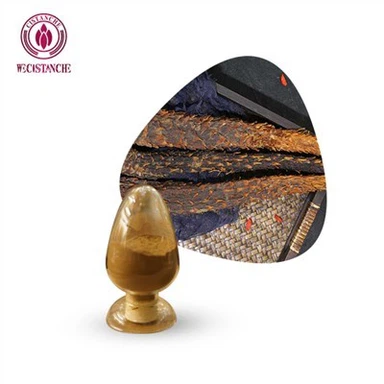
Cistanche is a genus of parasitic plants that belongs to the family Orobanchaceae. These plants are known for their medicinal properties and have been used in Traditional Chinese Medicine (TCM) for centuries. Cistanche species are predominantly found in arid and desert regions of China, Mongolia, and other parts of Central Asia. Cistanche plants are characterized by their fleshy, yellowish stems and are highly valued for their potential health benefits. In TCM, Cistanche is believed to have tonic properties and is commonly used to nourish the kidney, enhance vitality, and support sexual function. It is also used to address issues related to aging, fatigue, and overall well-being. While Cistanche has a long history of use in traditional medicine, scientific research on its efficacy and safety is ongoing and limited. However, it is known to contain various bioactive compounds such as phenylethanoid glycosides, iridoids, lignans, and polysaccharides, which may contribute to its medicinal effects.

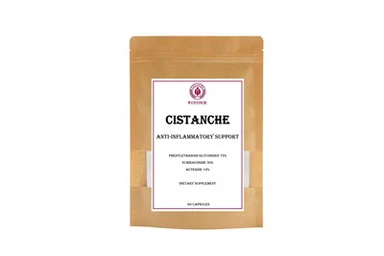
Wecistanche's cistanche powder, cistanche tablets, cistanche capsules, and other products are developed using desert cistanche as raw materials, all of which have a good effect on relieving constipation. The specific mechanism is as follows: Cistanche is believed to have potential benefits for relieving constipation based on its traditional use and certain compounds it contains. While scientific research specifically on Cistanche's effect on constipation is limited, it is thought to have multiple mechanisms that may contribute to its potential to relieve constipation. Laxative Effect: Cistanche has long been used in Traditional Chinese Medicine as a remedy for constipation. It is believed to have a mild laxative effect, which can help promote bowel movements and induce constipation. This effect may be attributed to various compounds found in Cistanche, such as phenylethanoid glycosides and polysaccharides. Moistening the Intestines: Based on traditional use, Cistanche is considered to have moisturizing properties, specifically targeting the Intestines. Promoting hydration and lubrication of the Intestines may help soften tools and facilitate easier passage, thereby relieving constipation. Anti-inflammatory Effect: Constipation can sometimes be associated with inflammation in the digestive tract. Cistanche contains certain compounds, including phenylethanoid glycosides and lignans, that are believed to have anti-inflammatory properties. By reducing inflammation in the intestines, it may help improve bowel movement regularity and relieve constipation.