Time To Boost Your Memory: 5 Science‑Backed Habits Plus The Brain‑Supporting Power Of Cistanche Tubulosa
Sep 11, 2026
Memory decline does not only happen in old age. Long hours of screen time, sedentary lifestyles, insufficient hydration, mental disuse, and chronic stress can gradually wear down cognitive performance for adults of all ages. Protecting and enhancing memory is therefore a priority for modern‑day wellness. Below are five actionable habits to support your brain function, paired with insights into Cistanche tubulosa benefits for the human brain, a well‑researched botanical from Traditional Chinese Medicine that complements daily lifestyle adjustmentsPMC.

1. Embrace Gentle Movement to Counteract Sedentary Cognitive Damage
People who cannot sit still for long periods may accidentally avoid cognitive harm linked with prolonged sitting. Research shows extended sedentary behaviour correlates with lifelong declines in cognitive performance. The longer you stay seated, the higher the risk of reduced cerebral blood flow, creating a low‑oxygen state inside the brain.
In one controlled trial with healthy adults, sitting continuously for four hours significantly slowed cerebral blood flow. This reduction matched the level of brain circulation loss normally seen over 2‑4 years of natural ageing. Constant seated rest hinders oxygen and nutrient delivery to brain tissue, putting memory and focus under pressure.
If work or daily routines force you to sit for hours, adopt a simple rule: stand and walk for 5 minutes every 30 minutes. Short bursts of light movement help stabilise blood pressure and glucose levels, offsetting some negative impacts of sitting. Setting a phone alarm is an easy way to build this reminder into your workflow.
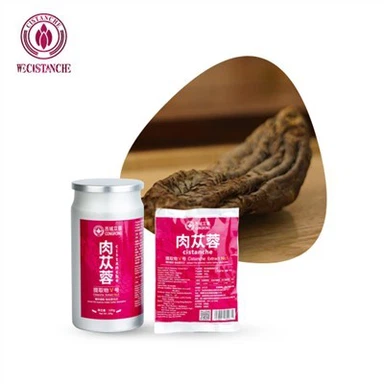
Even with consistent movement habits, many adults still seek extra nutritional support for brain circulation and neuron defence. This is where Cistanche tubulosa extract supports brain health draws attention. Studies indicate key phenylethanoid glycosides in Cistanche tubulosa, especially echinacoside, help defend brain cells against hypoxia‑related damage, exactly the kind of stress triggered by poor cerebral blood flow from long sitting. Unlike general plant materials, high‑grade Cistanche tubulosa extract delivers concentrated active compounds to back neuronal resilience. Our factory specialises in high‑potency Cistanche tubulosa extract with higher levels of these brain‑friendly glycosides; learn more about our production background at https://www.xjcistanche.com/about-us.

2. Stay Properly Hydrated for Smooth Brain Operation
Most people underestimate how critical water is to memory performance. Even a 1% drop in bodily water content can disrupt cognitive capacity. Dehydration contributes to shrinkage of brain grey matter, weakening information processing, integration, and recall. People maintaining adequate water intake consistently show better memory, alertness, focus, and physical stamina compared with chronically dehydrated groups.
General guidance recommends 1500‑2000 ml of water daily, increasing volume during hot weather or heavy physical exertion. Beyond plain drinking water, two beverage options support whole‑body and brain wellness.
Green tea delivers antioxidant compounds linked with lower dementia risk. Regular green‑tea consumption may ease anxiety, support memory performance, and reduce the risk of depressive states while helping defend against certain neurodegenerative changes.
Electrolyte drinks become essential after intense workouts or prolonged heat exposure, when the body loses both fluid and mineral salts. You can make homemade electrolyte water: mix 4‑5 g salt, two tablespoons sugar, and half‑teaspoon baking soda into 500 ml clean water for quick mineral replenishment.
Hydration maintains the physical environment of your brain, yet hydration alone cannot fully prevent age‑related neuronal stress. This reinforces interest in Cistanche tubulosa for memory support. As a botanical used for millennia in TCM to nourish the brain, modern research reveals its active molecules deliver antioxidant and anti‑inflammatory effects inside neural tissue, working alongside hydration habits to preserve cognitive potential.

Supportive Service Of Wecistanche-For more details about cooperation
Email:Lijianlin@wecistanche.com
3. High‑Intensity Interval Training as a Powerful Cognitive Ally
Human memory separates into short‑term and long‑term memory. The hippocampus inside your brain acts as the critical filter converting short‑term memories into stable long‑term storage. When hippocampal function weakens, memory performance deteriorates accordingly.
Research demonstrates that high‑intensity interval exercise improves hippocampal function noticeably. What stands out from follow‑up data: improvements to the hippocampus can persist for years, even if you pause regular HIIT practice for up to five years.
The core logic of HIIT: push your body hard for a short period, rest briefly, then repeat. For example, warm up for three minutes, sprint 30 seconds, rest 60 seconds, and cycle this pattern for around 15 minutes total. For older adults, modify the cycle to 40 seconds of moderate‑to‑vigorous effort followed by 20 seconds rest. Always adjust intensity to personal physical condition and consult health professionals before beginning. For safety, senior practitioners may complete sessions every 48 hours or longer.
Physical exercise stimulates neuroplasticity, yet modern research also explores how herbal supplementation can reinforce hippocampal health. Trials show that bioactive compounds from Cistanche tubulosa help protect hippocampal neurons, supporting memory‑related brain regions much like consistent physical activity doesFrontiers. While HIIT activates your brain through physiology, Cistanche tubulosa brain benefits come from plant‑derived neuroprotective constituents, creating a complementary approach to hippocampus care. It is worth noting that Cistanche tubulosa contains higher concentrations of key echinacoside compared with other Cistanche species, making it a preferred raw‑material source for supplement manufacturers seeking potent extracts.

4. Olfactory Stimulation: A Natural Trigger for Memory Performance
Olfactory input has a unique direct pathway connecting to memory‑processing brain regions. A study published in Frontiers in Neuroscience explored how night‑time olfactory stimulation supports cognitive capacity among older adults. Researchers used seven essential oils: rose, orange, eucalyptus, lemon, peppermint, rosemary, and lavender. Participants received two‑hour nightly scent exposure. In memory and verbal‑ability assessments, the olfactory‑enhanced group showed performance improvements of 226%. Scientists believe scent signals reshape neural connectivity, unlocking measurable memory gains.
Aromatherapy offers accessible, low‑effort brain support. However, four groups must exercise caution with essential‑oil diffusers:
People with allergies: fragrances may trigger sneezing, nasal irritation, and allergic responses.
Individuals with respiratory conditions: scents can provoke asthma episodes and slow recovery.
Pregnant women and infants: certain aromatic compounds may create health risks.
Pet owners: animal olfactory systems are far more sensitive; diffused oils can cause pet discomfort or illness.
Sensory stimulation activates existing brain networks, yet botanical nutrients deliver ongoing cellular‑level protection. Many formulators combine aroma‑therapy concepts with plant extracts including Cistanche tubulosa, recognising that Cistanche benefits for the human brain operate via biochemical pathways rather than scent. Cistanche tubulosa itself is not aromatic; its value lies in concentrated phenylethanoid glycosides that shield neurons from oxidative damage and support stable synaptic function.
5. Strengthen Memory Retention with the Feynman Learning Method
Memory works like muscle tissue: without regular use, relevant neural circuits lose activity and gradually degrade. Simply storing information in your brain is insufficient. Actively retrieving memories reinforces communication between the hippocampus and cerebral cortex. If you never recall or apply stored knowledge, your brain tends to discard information marked as unused, accelerating memory weakening.
The Feynman Learning Method creates repeated memory reinforcement. After learning new knowledge, summarise ideas in simple language, identify knowledge gaps, and revisit confusing sections. This cycle deepens comprehension and locks memories in more securely. In daily life, you can practise low‑stakes memory drills: recall fine details from a past trip, try remembering phone numbers without digital aids, or retell stories from memory. All these small exercises maintain your memory "muscle".
Mental training sharpens your ability to access existing memories, while natural supplements aim to preserve the physical health of memory‑related brain tissue. This is exactly the scenario where formulators source high‑quality Cistanche tubulosa extract. Our manufacturing facility focuses exclusively on Cistanche tubulosa raw‑material processing, producing standardised extracts rich in brain‑supporting glycosides. If you develop brain‑health supplement lines, our high‑active‑content Cistanche tubulosa extract can fit your formulation needs; visit our about‑us page for factory background: https://www.xjcistanche.com/about-us.

Additional Daily Advice for Brain Wellness
Pair the five habits above with brain‑friendly nutrition: walnuts, blueberries, fatty fish, and legumes deliver nutrients that sustain neural health. Prioritise consistent sleep cycles, balanced nutrition, and limit alcohol and late‑night screen exposure to avoid premature brain ageing.
Lifestyle adjustments form the foundation of cognitive care. Meanwhile, modern research continues to validate traditional botanical wisdom. Cistanche tubulosa benefits for the human brain make it a promising ingredient for natural cognitive‑support products, thanks to neuroprotective phenylethanoid glycosides. Compared to alternative Cistanche varieties, Cistanche tubulosa features higher echinacoside levels, giving extract producers access to stronger, more consistent raw material for supplement creation.
Disclaimer
This article is for general educational reference only. Statements regarding Cistanche tubulosa have not been evaluated by the Food and Drug Administration. This botanical is not intended to diagnose, treat, cure, or prevent any disease. All supplement use should be discussed with a qualified healthcare provider, especially for pregnant people, nursing individuals, patients taking prescription medications, and those living with chronic illness.