Treating Chronic Prostatitis: “Two Swords In One”—Internal Chinese Herbal Decoction + External Herbal Steam Sitz Bath (With Formulas)
Aug 21, 2026
Chronic prostatitis is a common condition of the male reproductive system. In traditional Chinese medicine (TCM), it is usually discussed under patterns such as "Lin syndrome" (painful/difficult urination) and "Long Bi" (urinary obstruction/retention). From a TCM perspective, its root causes may involve kidney deficiency, blood stasis, and damp-heat lodged in the bladder and lower burner.
In modern life, it often appears after long periods of stress and tension, excessive sitting, lack of exercise, poor sleep, long-term "sub‑health" fatigue, and inadequate urogenital hygiene. In recent years, it has shown a trend toward higher incidence and younger age of onset.
The author has used a combined approach-internal herbal medicine plus herbal steaming/washing and sitz bathing-to resolve chronic prostatitis. A representative case is introduced below.

Case Example
Patient: Mr. Liu, male, 25 years old.
Chief complaints (2 months):
A heavy, dragging discomfort in the lower abdomen
Intermittent pain in the lumbosacral region and perineum
Frequent urination
Sensation of incomplete emptying
Associated symptoms:
Occasionally, urethral discharge was visible
Low mood/depression-like affect
General fatigue
Soreness and weakness of the low back and knees
Poor sleep
Slightly reduced appetite
Tongue & pulse (TCM findings):
Tongue: red, with a thin yellow and greasy coating
Pulse: wiry and slippery
He came accompanied by a parent. The parent described him as introverted, socially withdrawn, strongly immersed in the internet, frequently staying up all night, with irregular diet and daily routine.
Laboratory findings:
Prostatic fluid microscopy: WBC 40–50 / high-power field (HP); lecithin bodies extremely scarce
Routine urinalysis: normal
Diagnosis: Chronic prostatitis.
TCM pattern differentiation: Dual deficiency of spleen and kidney, with damp-heat obstructing the channels and collaterals.
Treatment principle: Tonify kidney and strengthen spleen, clear heat and transform dampness, invigorate blood and resolve stasis.
Internal Herbal Formula (Oral Decoction)
Ingredients (daily dose):
Chinese yam (Shan Yao) - 30 g
Raw rehmannia root (Sheng Di) - 15 g
Salvia miltiorrhiza (Dan Shen) - 15 g
Red peony root (Chi Shao) - 12 g
Prepared rehmannia (Shu Di) - 10 g
Moutan bark (Dan Pi) - 10 g
Poria (Fu Ling) - 10 g
Atractylodes macrocephala (Bai Zhu) - 10 g
Atractylodes (Cang Zhu) - 10 g
Phellodendron bark (Huang Bai) - 10 g
Alisma (Ze Xie) - 10 g
Plantago seed (Che Qian Zi) - 10 g (wrap in a herb bag; add for decoction)
Dioscorea hypoglauca rhizome (Bi Xie) - 10 g
Licorice (Gan Cao) - 10 g
Directions: 1 dose per day. Decoction in water; divide into 3 warm servings throughout the day.
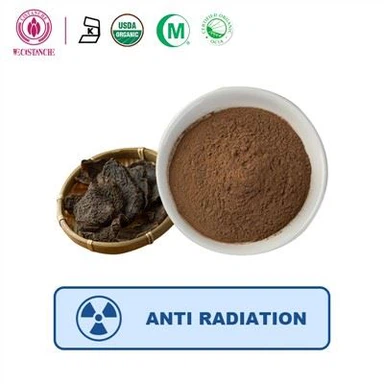
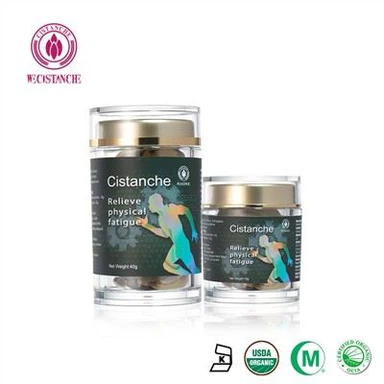
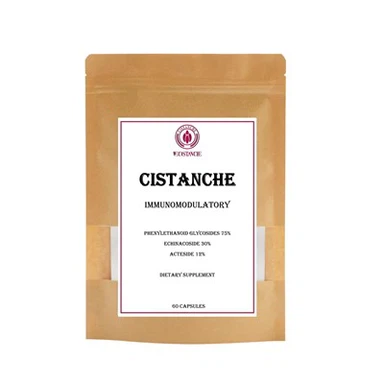
A Special Herb Cistanche Supplement For Treating Chronic Prostatitis Without Harm Kidney

External Herbal Steam/Wash Sitz Bath Formula
Ingredients:
Mugwort leaf (Ai Ye) - 30 g
Single-clove garlic (Du Tou Suan) - 30 g
Wild chrysanthemum (Ye Ju Hua) - 10 g
Directions (as described in the original):
Put mugwort and wild chrysanthemum into a basin. Add 2000 mL of water.
Boil and simmer for 20 minutes, then strain out the herbs.
Crush the single-clove garlic and place it into a chamber pot (or a suitable sitz-bath container).
Pour the hot herbal liquid into the container.
Perform herbal steaming/washing and a sitz bath once daily.
Outcome
After 15 sessions of this combined treatment, the patient's lower abdominal heaviness resolved, urination became smooth, urethral discharge disappeared, and his mental state returned to normal.
After 2 months of treatment, prostatic fluid testing returned to normal. The case was considered clinically cured.
Discussion / Clinical Reflection
From a modern medical standpoint, routes of infection in chronic prostatitis may include:
direct urethral infection, 2) hematogenous spread, and 3) lymphatic spread.
In clinical practice, many antibiotics struggle to reach adequate levels in the prostate due to tissue penetration limits. In patients with concurrent urinary tract infection plus prostatitis, antibiotics can be selected based on sensitivity testing, but they may only reduce inflammation in other parts of the urinary system-often with limited results in the prostate itself, and sometimes no meaningful effect.
TCM Interpretation of This Case
In this patient, irregular diet and sleep, excessive worry and mental strain, and overfatigue were thought to damage the spleen. When the spleen fails in transportation and transformation, fluids accumulate into dampness. Over time dampness can "cook" into damp-heat, which then sinks downward and obstructs the lower burner. Meanwhile, the kidney becomes weakened-so kidney deficiency is the root, while damp-heat and blood stasis are the branch. Treatment therefore should strengthen spleen and nourish kidney, while also clearing damp-heat and moving blood to remove stasis.
Why These Herbs Were Chosen (Traditional Rationale)
Sheng Di, Shu Di, Dan Pi: support the kidney and nourish yin while addressing heat
Fu Ling, Shan Yao, Bai Zhu, Cang Zhu: strengthen qi and spleen, transform dampness
Huang Bai, Cang Zhu, Ze Xie: clear and drain damp-heat from the lower burner
Che Qian Zi, Bi Xie, Fu Ling, Gan Cao: promote urination, leach dampness, reduce turbidity
Chi Shao, Dan Shen: move blood and dispel stasis
External Sitz Bath (Traditional & Modern View)
Garlic is used to reduce swelling, detoxify, and address "parasites/itch" in traditional terms
Mugwort warms the channels, disperses cold, and alleviates pain-helping circulation in the local area
Wild chrysanthemum clears heat, detoxifies, reduces swelling, and eases pain
The original article also notes modern pharmacology suggesting that allicin (a garlic constituent) has activity against certain pathogenic microorganisms and protozoa.
The "Two-Sword Combination"
In this case, spleen–kidney deficiency was treated as the foundation with an internal formula to rebuild systemic balance, while damp-heat and blood stasis were addressed to relieve the local "blockage." The external method focused on local steaming/washing to "reach the affected area," reduce discomfort, and support recovery.

Supportive Service Of Wecistanche-For more details about cooperation
Email:wallence.suen@wecistanche.com
Practical Note for Western Readers
This article is a clinical-style narrative and does not replace medical diagnosis. Chronic pelvic pain/prostatitis symptoms can overlap with urinary tract infection, sexually transmitted infections, benign prostatic enlargement, pelvic floor dysfunction, and other conditions. If symptoms include fever, severe pain, blood in urine, urinary retention, or significant worsening, prompt evaluation is important.
Herbal internal formulas and hot sitz baths can interact with medications and may not be appropriate for everyone (e.g., allergies, dermatitis, certain skin conditions, or acute infections). If you want to try a similar approach, it's best done under the guidance of a qualified clinician.