Unlocking The Anti-Inflammatory Power Of Glycyrrhiza Uralensis In Prostate Health: A New Direction For Herbal Innovation
Sep 11, 2025
Integrating Traditional Wisdom with Modern Omics to Treat Chronic Pelvic Pain Syndrome (CP/CPPS)
Chronic Prostatitis/Chronic Pelvic Pain Syndrome (CP/CPPS) is one of the most commonly diagnosed urological conditions in men, accounting for over 90% of prostatitis cases. Symptoms include pelvic pain, urinary difficulties, fatigue, and even sexual dysfunction. Despite its prevalence, CP/CPPS remains notoriously difficult to treat, given its complex etiology involving immune, hormonal, neurological, and psychological factors.
Today, the spotlight is shifting toward natural plant-based therapies rooted in Traditional Chinese Medicine (TCM)-especially those backed by modern scientific methods such as transcriptomics and metabolomics. One such botanical that is gaining attention is the aboveground extract of Glycyrrhiza uralensis Fisch., commonly known as Chinese licorice.

🌱 The Untapped Potential of Glycyrrhiza's Aboveground Parts
While Glycyrrhiza uralensis root has long been used in TCM, the stems, leaves, and fruits are typically discarded during harvesting. However, these aboveground parts are rich in flavonoids and saponins-compounds that have demonstrated anti-inflammatory, antioxidant, and immune-modulating activities.
Key Phytochemical Constituents of GU (Aboveground Extract):
Flavonoids (e.g. liquiritin, isoliquiritin)
Triterpenoid saponins
Volatile oils
This positions GU as a sustainable, underutilized botanical with tremendous potential for modern supplement formulations in prostate and pelvic health.

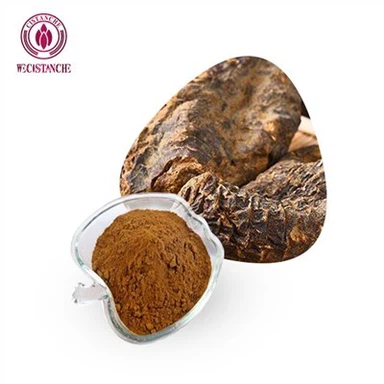
cistanche extract pills for prostate health
🧪 Preclinical Study: GU Alleviates CP/CPPS in Rat Model
A recent study from Beijing University of Chinese Medicine evaluated the therapeutic efficacy and mechanism of action of GU extract in a rat model of CP/CPPS induced by carrageenan gum injection.
Experimental Highlights:
GU administered via oral gavage for 14 days
Serum biomarkers (TNF-α, IL-6) and prostate histology evaluated
Transcriptomic and metabolomic analyses performed on prostate tissue
Differential genes and metabolites identified via bioinformatics

🔍 Key Findings:
1. Inflammatory Marker Reduction
GU significantly lowered serum TNF-α (P < 0.01) and IL-6 (P < 0.05)
Indicates systemic anti-inflammatory effects
2. Histological Repair
GU-treated rats showed reduced inflammatory cell infiltration and improved prostate glandular structure
Suggests GU restores tissue integrity in inflammatory prostate conditions
3. Transcriptomics Insight
5,812 differentially expressed genes identified between GU and model group
Key pathways enriched:
NF-κB signaling
Cytokine-cytokine receptor interaction
Rheumatoid arthritis and viral immune response pathways
4. Metabolomics Insight
390 differential metabolites identified
Major pathways affected:
Arginine biosynthesis
Alanine, aspartate, and glutamate metabolism
5. Integrated Omics: 6 Key Genes Identified
PLA2G2A, SOCS3, CXCL1, FXYD5, HMGCS1, GPX3
These genes are linked to immune regulation, oxidative stress, and cell proliferation
Most showed negative correlation with differential metabolites, indicating complex interactions

🌿 Enter Cistanche: A Synergistic Botanical for Men's Health
To further enhance GU's benefits, Cistanche deserticola-a famous TCM herb known as the "Ginseng of the Desert"-offers an ideal botanical partner.
✅ Cistanche Benefits in Prostate & Pelvic Health:
Tonifies Kidney Yang: Traditionally used to restore male vitality and hormonal function
Anti-inflammatory & Antioxidant: Reduces oxidative stress and chronic inflammation
Improves Circulation: Enhances microcirculation to the pelvic region
Modulates Immunity: Supports immune balance in chronic inflammatory states
Neuroprotective: May help relieve pain via nerve-calming actions
✳️ Combining GU + Cistanche in a functional supplement could target both inflammatory and systemic vitality pathways-a promising approach for CP/CPPS and prostate health.
🌍 Implications for Herbal Product Development
For R&D teams, TCM manufacturers, and nutraceutical companies, this study provides a scientific basis for:
Developing prostate-targeted herbal supplements
Exploring flavonoid-rich, non-root parts of Glycyrrhiza for sustainability
Creating dual-herb complexes (GU + Cistanche) for men's pelvic health
Positioning new products in the growing "natural anti-inflammatory" and "men's longevity" markets
📈 Market Opportunities:
Men's urinary support
Anti-inflammatory formulas
Functional aging and vitality products
Sustainable herbal sourcing initiatives
🧠 Final Thoughts
The integration of transcriptomics and metabolomics in this study reveals that GU works via multi-target mechanisms, including immune modulation, metabolic pathway regulation, and gene expression adjustment. When paired with Cistanche, a known adaptogen and prostate tonic, the potential for a next-generation botanical formulation becomes clear.
✅ The future of men's urological health may lie at the intersection of ancient herbal wisdom and cutting-edge molecular research.