8 Ways Of Boosting Energy Levels And Reducing Fatigue
Jun 20, 2022
Having energy has never been as important as it is today with the rise of the online rat race. Stress is at an all-time high in today's generation and both men and women experience it daily.
Balancing a career, a healthy lifestyle, kids, a family, and an online social media presence has become the norm for a large portion of the western world. Our body, however, is not designed to be in a constant state of stress and has not caught up to this new way of living.
For this reason, fatigue is something a lot of us experience. It causes us to feel unmotivated, tired and left with no energy to pursue the things we love.
The goal of this article is to analyze the role that fatigue plays in our daily lives and our overall health and to underline the best ways to get our energy back ASAP.
Top Ways of Getting Energy and Reduce Fatigue
Below is a list of techniques you can start implementing today to improve your mood and energy levels.
1. Give Supplements / Nutraceuticals a Try for reducing fatigue
There are a variety of supplements and nutraceuticals that may help to boost your energy levels and reduce fatigue. While there is certainly no ‘magic bullet’ to stop chronic fatigue, a combination of lifestyle changes, healthy eating, and dietary supplements is inevitably beneficial and is certainly worth exploring.
1. Supplements that boost dopamine levels
These are products that help to increase the activity of neurotransmitters or reduce their metabolism, thus improving the levels of dopamine or serotonin in your brain. Dopamine and serotonin help to support a healthy mood as well as to improve your energy levels. Examples include supplements like L-Tyrosine, Phenylethylamine (PEA) and CDP-Choline (Citicoline).
2. Nutraceuticals that improve energy levels on a cellular level
These are supplements that work more systemically, improving energy production on a cellular level, throughout your body. Examples include powerful antioxidants like Quercetin, Rutin, or SAL-Glutathione,and cistanche which destroy harmful free radicals that may interfere with your body’s energy production. Another example is Inositol Trispyrophosphate (ITPP), which improves the ability of hemoglobin to deliver oxygen to your muscles and tissues.
3. Natural energy-supporting products
Immune-supporting supplements and nutraceuticals may be beneficial to your energy levels by helping to combat and prevent viral or bacterial infections. This includes chronic infections that never go away like Herpes and Cytomegalovirus, which sometimes have no detectable symptoms other than chronic fatigue.
Zinc-ionophores like Quercetin help the antiviral and antibacterial heavy metal, zinc, to enter your cells, where it can exert its effects against pathogens. Other immune-supporting supplements include powerful mushrooms and plant extracts like Turkey Tail, Cordyceps and Cistanche deserticola.
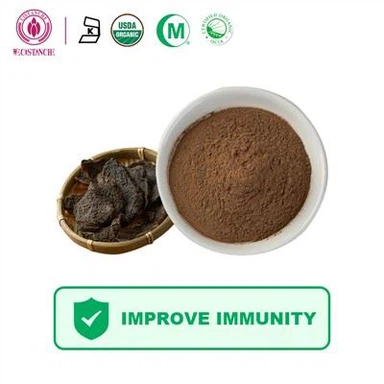
Cistanche is the most commonly used herb in traditional Chinese medicine prescriptions for relieving physical fatigue. In fact, Cistanche is a kind of food material. On the theoretical basis of traditional medicine, modern medicine has also conducted a lot of research on the anti-fatigue effect of Cistanche. Experiments have proved that the anti-fatigue effect of Cistanche is due to the improvement of the body organs of Cistanche. Cistanche can improve the functions of the kidney and liver, thus achieving an anti-fatigue effect.

Read more articles on cistanche energy boost and reduce fatigue function
With the development of society, people's life is getting faster and faster. From the moment the sun rises, as a part of the "living machine", everyone has to rush to their posts. Whether you are a technician standing in the workshop, a stock trader sitting in front of a computer, or even a student playing in the playground...you have to face countless pressures. People's jobs are different, but they all have one common trouble-fatigue. Fatigue is like a cockroach hiding in the corner of the kitchen. It has no substantial harm, but it has always plagued humans.
2. Exercise for reducing fatigue
Although working out may be the furthest thing you want to do when you're feeling sluggish and drained, it is your best ally in boosting energy. Research suggests regular exercise may be linked to a better quality of life, confidence, and general well-being. In fact, in one study, scientists found exercising improves the function and efficiency of your heart muscles and lungs and prolongs energy in the long run.
As daunting as physical exercise may be for those who experience chronic fatigue, it is critical for your well-being. It doesn’t have to be running a marathon. You can start with daily 5-minute walks and gradually increase your time every day.
Any type of movement will do, yoga, HIIT, walking in the park, dancing. Just get up and move to get your energy up. Exercise is also what activates your lymphatic system, supports immunity, improves metabolism, and helps you sleep better, which are all factors that have a knock-on effect on energy as well.

3. Try Yoga to reduce fatigue
While exercise is amazing for so many aspects of health and energy, yoga is especially great as it combines physical strengthening, flexibility, and clear-mindedness.
Yoga has been shown in numerous studies to have beneficial effects on stress. A 6-week study looking at individuals participating in yoga once a week reported significant cognitive benefits, enhancing energy, and confidence, and inducing mental clarity.
Another study looking at the effects of yoga on a group of men and women aged 65-85 found practicing yoga for a duration of 6 months greatly increase their energy and feeling of wellness.
Deep-breathing techniques in yoga have also been shown to improve respiratory and cardiovascular efficiency, thereby increasing oxygen and energy.

4. Manage Stress for reducing fatigue
Let’s face it, stress affects us all and it isn’t going anywhere anytime soon. Science has shown time and time again that stress, through its activating of the parasympathetic response, has negative effects on multiple organ systems, from digestion, and sleep to mood, and ability to fight infection. The idea is if we want to increase energy, we must find ways of managing our stress. Luckily, there are many ways to do this.
One way is starting a gratitude practice. Carve out some time every morning and write down everything or every person you are grateful for. Another one is deep-breathing. There are endless amounts of applications available these days to start meditating.
Deep-breathing activates the rest and digest (parasympathetic) response in the autonomic nervous system. This promotes relaxation and therefore improves mood and energy. Make these habits second nature. It only works as a practice. The more you do it, the better you become at reacting to stressful situations and preventing associated fatigue.
5. Get Quality Sleep for reducing fatigue
A sleepless night spent tossing and turning will leave you feeling fatigued the next day. Sleep is the time where your brain processes and stores information of the day. It is a crucial moment where your body is repairing and cleansing from the damage it is exposed to during the day. When we lose sleep, we feel lethargic, forgetful, fatigued, lose focus and concentration, and get irritable. All the more reason why it is critical to get quality shut-eye. If you experience insomnia, as in have trouble falling asleep or staying asleep, here are the top ways to improve your sleep:
Avoid caffeine after noon as the effects of caffeine can last up to 12 hours.
Try some deep long stretches before bed.
Practice a few minutes of deep breathing exercises in bed.
Turn off electronics with a blue light at least 2 hours before bed. If this isn’t possible, install an application to decrease blue light.
Try to have a regular sleep schedule: try to wake up and go to sleep at the same time every day, even on weekends (as much as possible). This will help your body regulate its circadian rhythm.
Keep a journal near your bed to jot down anything that comes up you need to get done or that is keeping you up.
Drink herbal tea: teas like valerian, passionflower, holy basil, chamomile have sedative-like effects.

6. Reduce Alcohol Consumption for reducing fatigue
Some believe that alcohol helps you sleep better. However, several studies indicate the opposite. Although alcohol induces temporary sleepiness, it diminishes the quality of sleep due to repeated nighttime awakenings it causes.
When consumed regularly, poor sleep accumulates and makes you more tired than if you didn’t have it in the first place. If you’d like to have a drink once in a while, it’s best to do it sparingly and to avoid having it straight before bed.
7. Stop Smoking for reducing fatigue
If you’d like to get your energy back, one of the most important things you can do is to quit smoking! At this point in time, we all know cigarettes are one of the worst habits for our health. Smoking increases your risk of cardiovascular disease, cancer, lung disease, and stroke… and the list goes on.
Furthermore, cigarettes contain a heavy load of toxins that interfere with your lung’s ability to absorb oxygen. The lungs become fatigued and this leads to low oxygen saturation in the blood, leaving you feeling tired. In addition, nicotine has been shown to cause sleep apnea which further depletes your energy stores.
8. Get Proper Nutrition for reducing fatigue
Poor nutrition is a key contributor to low energy. Minerals and vitamins found in vegetables and fruits give you energy, whereas processed foods that your body does not recognize as ‘food’ take a lot more energy from your body to digest. There is so much we can do to improve our nutrition. Below are a few dietary tips that will help you get your energy back in no time.
Avoid sugary snacks, at least before noon: starting your day with high glycemic foods like cookies and white grain carbs may cause a dip in blood sugar levels in the afternoon (sugar crash). The reason being is that processed sugar and carbohydrates cause a rapid rise in your blood glucose levels. This tells the pancreas to produce a large amount of insulin to get the sugar out of your blood and into your cells, which leads to a subsequent dip in sugar and in energy. Opt for fiber-rich foods like oatmeal, low-sugar fruits like berries, and Omega 3 fatty-rich foods like chia pudding or flax seeds to keep your blood sugar levels stable throughout the day.
Stay Hydrated: the body often confuses hunger with thirst. Often when we get that afternoon crash, we tend to reach for more caffeine. Keep a 1L bottle handy at your desk and sip it between meals to ensure you feel hydrated and energized throughout the day.
Eat Green Leafy Vegetables: cruciferous vegetables like kale, broccoli, and cauliflower are the most nutrient-dense foods on the planet. Having salads, steamed or vegetable juices are rich in minerals like magnesium and calcium and vitamins that supply your cells with the energy.
Caffeine: Caffeine may give you an initial boost but regular consumption over time depletes energy and can leave you feeling tired. To minimize the effects of coffee, opt for one caffeinated drink/day or none if possible. You can also try green tea as it stimulates the feeling of relaxation and focus, through its effects on the neurotransmitter GABA.