When Using Lactulose For Constipation, You Need To Understand These 3 Points!
Dec 15, 2023
Lactulose is widely used clinically due to its high safety profile. It can not only treat chronic functional constipation, and chronic habitual constipation, and regulate the physiological rhythm of the colon, but also treat and prevent hepatic coma or pre-coma state. When used for different indications, the usage and dosage are different. So how to use it specifically? How to adjust the dosage for children?

Click to relieve constipation fast
Reasonably grasp the indications, usage, and dosage
Constipation: Oral administration, starting dose for adults is 30mL daily, maintenance dose is 10-25mL. After a few days of treatment, the dose can be reduced according to the patient's condition. It should be taken once with breakfast. According to the mechanism of action of lactulose, clinical effects can be achieved in 1-2 days [1].
Hepatic encephalopathy: starting dose 30-50mL, three times a day. Maintenance dose: should be adjusted to a maximum of 2-3 soft stools per day [1].
How to used by children?
(1) Constipation
Children aged 7-14 years: The starting dose is 15mL daily, and the maintenance dose is 10-25mL daily.
Children 1-6 years old: Initial dose is 5-10mL daily, maintenance dose is 5-10mL daily.
Infants: The initial dose is 5 mL daily, and the maintenance dose is 5 mL daily [1].

(2) Hepatic encephalopathy
There is little information on the use of lactulose in young children and adolescents. As in adults, treatment aims to produce 2-3 soft stools per day. Based on available information, the recommended initial daily oral dose for infants is 2.5-10 mL, given in divided doses. For older children and adolescents, the total daily dose is 40-90mL. If the initial dose causes diarrhea, the dose should be reduced immediately. If diarrhea persists, lactulose solution should be discontinued [2-3].
Contraindicated in patients with low galactose diet
Because lactulose solution contains galactose (total galactose <1.6g/15mL), it is contraindicated in patients who require a low-galactose diet.

Patients receiving lactulose solution may require electrocautery during proctoscopy or colonoscopy. In the presence of electrical sparks, accumulating large amounts of hydrogen may lead to explosive reactions. Although this complication has not been reported with lactulose, patients receiving lactulose should have their intestines thoroughly cleansed with a non-fermentable solution.
Natural Herbal Medicine For Relieving Constipation-Cistanche
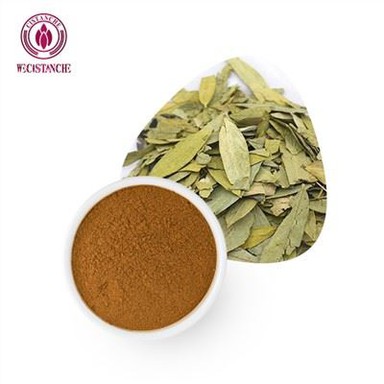
Cistanche is a genus of parasitic plants that belongs to the family Orobanchaceae. These plants are known for their medicinal properties and have been used in Traditional Chinese Medicine (TCM) for centuries. Cistanche species are predominantly found in arid and desert regions of China, Mongolia, and other parts of Central Asia. Cistanche plants are characterized by their fleshy, yellowish stems and are highly valued for their potential health benefits. In TCM, Cistanche is believed to have tonic properties and is commonly used to nourish the kidney, enhance vitality, and support sexual function. It is also used to address issues related to aging, fatigue, and overall well-being. While Cistanche has a long history of use in traditional medicine, scientific research on its efficacy and safety is ongoing and limited. However, it is known to contain various bioactive compounds such as phenylethanoid glycosides, iridoids, lignans, and polysaccharides, which may contribute to its medicinal effects.

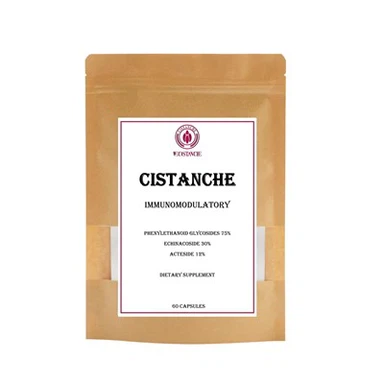
Wecistanche's cistanche powder, cistanche tablets, cistanche capsules, and other products are developed using desert cistanche as raw materials, all of which have a good effect on relieving constipation. The specific mechanism is as follows: Cistanche is believed to have potential benefits for relieving constipation based on its traditional use and certain compounds it contains. While scientific research specifically on Cistanche's effect on constipation is limited, it is thought to have multiple mechanisms that may contribute to its potential to relieve constipation. Laxative Effect: Cistanche has long been used in Traditional Chinese Medicine as a remedy for constipation. It is believed to have a mild laxative effect, which can help promote bowel movements and induce constipation. This effect may be attributed to various compounds found in Cistanche, such as phenylethanoid glycosides and polysaccharides. Moistening the Intestines: Based on traditional use, Cistanche is considered to have moisturizing properties, specifically targeting the Intestines. Promoting hydration and lubrication of the Intestines may help soften tools and facilitate easier passage, thereby relieving constipation. Anti-inflammatory Effect: Constipation can sometimes be associated with inflammation in the digestive tract. Cistanche contains certain compounds, including phenylethanoid glycosides and lignans, that are believed to have anti-inflammatory properties. By reducing inflammation in the intestines, it may help improve bowel movement regularity and relieve constipation.