Chinese Expert Consensus On Perioperative Management Of Chronic ConstipationⅢ
Dec 14, 2023
Postoperative treatment
1. Pay attention to the treatment of postoperative complications (recommendation level: strongly recommended)
Complications related to surgery for refractory constipation include anastomotic bleeding, anastomotic leakage, urinary retention, sexual dysfunction, intestinal obstruction, and anastomotic stenosis. In clinical practice, we should pay attention to the postoperative complications of chronic constipation and ensure early detection and early treatment.

Click to laxatives for constipation
Postoperative intractable diarrhea is common in patients with slow transit constipation who undergo total colectomy. The main clinical manifestations are increased defecation frequency and watery stools, up to 20 times. Surgery effectively relieves the trouble and pain of constipation. , but the consequent diarrhea symptoms will seriously affect the patient's quality of life. At present, treatment methods mainly include early fasting and parenteral nutritional support, oral Imodium, or probiotics; the application of somatostatin is still controversial [58]. As time goes by, after the patient's digestive tract function gradually recovers and diarrhea symptoms improve, a diet can be formulated based on the principles of low fat, high carbohydrate, and low animal protein. The intake of each meal can be reduced, and the number of meals a day can be increased to 4~ 6 meals, the speed should not be too fast. Traditional Chinese medicine uses light-penetrating diuretics to treat refractory diarrhea, which is also effective to some extent [59].
2. Nutritional support treatment (recommendation level: strongly recommended)
After the operation, on the premise of gradually restoring the diet, dietary fiber supplementation was continued for 3 months. In the early postoperative period, most patients will suffer from diarrhea due to changes in the physiological structure of the intestines and the decline in gastrointestinal water absorption and fecal storage functions. The postoperative follow-up data of 98 patients with refractory mixed constipation who underwent Jinling surgery found that the nutritional indicators of the patients dropped significantly 1 month and 3 months after surgery compared with those before surgery, and then gradually recovered, and 6 to 12 months after surgery It can return to preoperative levels within 6 months; analysis suggests that patients' malnutrition in the early postoperative period may be related to insufficient intake or excessive loss caused by surgical trauma and postoperative gastrointestinal symptoms. However, by 6 months after surgery, The patient's nutritional status can be gradually restored to normal levels and maintained for a long time [60]. Therefore, patients' nutritional status should be evaluated regularly after surgery. Oral nutritional supplements are the first choice for nutritional treatment. Low-residue enteral nutrition formulas can be tried. Enteral nutrition formulas rich in dietary fiber can help improve constipation. Dietary fiber includes soluble dietary fiber. Fiber and insoluble dietary fiber increase stool weight and volume [32].

3. Supplement probiotics and prebiotics (recommendation level: recommended)
Real-time fluorescence quantitative PCR technology was used to analyze total bacterial nucleic acids in stool and colon mucosal samples from healthy people and patients with refractory constipation before surgery and 6 months after surgery. It was found that although surgery can help restore the structure of the intestinal flora of patients, It still cannot fully reach the level of normal people [61⁃62]. At the same time, relevant studies have also shown that perioperative supplementation of probiotics and prebiotics can help reduce the incidence of postoperative enteritis, shorten postoperative hospitalization time, reduce early postoperative abdominal distension and diarrhea symptoms, and improve patients' early postoperative symptoms. quality of life [25].
4. Traditional Chinese medicine conditioning (recommendation level: recommended)
The conditioning of traditional Chinese medicine has a good effect on reducing surgical complications and improving surgical efficacy [63]. It takes a certain amount of time for patients to recover their intestinal function after surgery. They must follow syndrome differentiation and treatment, focus on adjusting the organs, and use traditional Chinese medicine, acupuncture, massage, and other coordinated treatments. Especially for patients with poor postoperative constipation symptoms, can take Chinese patent medicines that treat both symptoms and root causes, such as "Shouhui Tongbang Capsule" [64].
5. Implement accelerated recovery surgery (recommendation level: strongly recommended)
The concept of enhanced recovery after surgery (ERAS) has been rapidly popularized and applied in my country. Carrying out ERAS in the perioperative treatment of chronic constipation reduces the incidence of perioperative complications, promotes the recovery of intestinal function, and shortens the length of hospitalization [28].

6. Postoperative follow-up (recommendation level: strongly recommended)
Postoperative follow-up is a very important part of the surgical treatment of chronic constipation. It is of great significance for evaluating the effect of surgery, handling surgical complications promptly, and guiding patients' lives and diets. In 2005, the Colorectal and Anal Surgery Group of the Surgery Branch of the Chinese Medical Association developed a relevant scale to evaluate patients with chronic constipation symptoms and efficacy [65]. To facilitate the establishment of a patient database, postoperative follow-up of patients, and collection of clinical data.
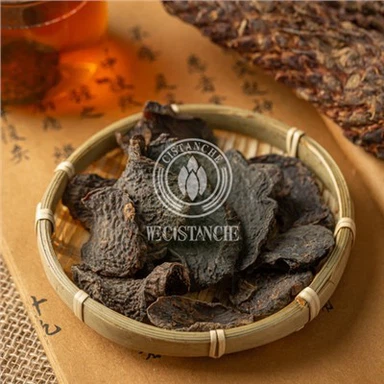
Natural Herbal Medicine For Relieving Constipation-Cistanche
Cistanche is a genus of parasitic plants that belongs to the family Orobanchaceae. These plants are known for their medicinal properties and have been used in Traditional Chinese Medicine (TCM) for centuries. Cistanche species are predominantly found in arid and desert regions of China, Mongolia, and other parts of Central Asia. Cistanche plants are characterized by their fleshy, yellowish stems and are highly valued for their potential health benefits. In TCM, Cistanche is believed to have tonic properties and is commonly used to nourish the kidney, enhance vitality, and support sexual function. It is also used to address issues related to aging, fatigue, and overall well-being. While Cistanche has a long history of use in traditional medicine, scientific research on its efficacy and safety is ongoing and limited. However, it is known to contain various bioactive compounds such as phenylethanoid glycosides, iridoids, lignans, and polysaccharides, which may contribute to its medicinal effects.

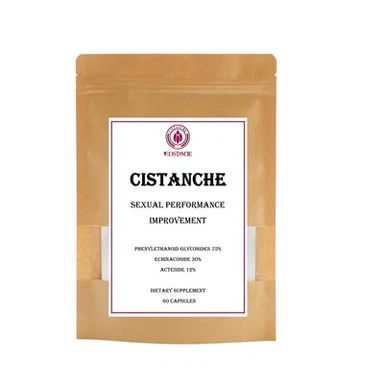
Wecistanche's cistanche powder, cistanche tablets, cistanche capsules, and other products are developed using desert cistanche as raw materials, all of which have a good effect on relieving constipation. The specific mechanism is as follows: Cistanche is believed to have potential benefits for relieving constipation based on its traditional use and certain compounds it contains. While scientific research specifically on Cistanche's effect on constipation is limited, it is thought to have multiple mechanisms that may contribute to its potential to relieve constipation. Laxative Effect: Cistanche has long been used in Traditional Chinese Medicine as a remedy for constipation. It is believed to have a mild laxative effect, which can help promote bowel movements and induce constipation. This effect may be attributed to various compounds found in Cistanche, such as phenylethanoid glycosides and polysaccharides. Moistening the Intestines: Based on traditional use, Cistanche is considered to have moisturizing properties, specifically targeting the Intestines. Promoting hydration and lubrication of the Intestines may help soften tools and facilitate easier passage, thereby relieving constipation. Anti-inflammatory Effect: Constipation can sometimes be associated with inflammation in the digestive tract. Cistanche contains certain compounds, including phenylethanoid glycosides and lignans, that are believed to have anti-inflammatory properties. By reducing inflammation in the intestines, it may help improve bowel movement regularity and relieve constipation.