Why Are The Elderly Easy To Get Kidney Disease
Mar 13, 2022
Contact: Audrey Hu Whatsapp/hp: 0086 13880143964 Email: audrey.hu@wecistanche.com
With the development of an aging society, the population of the elderly with chronic kidney disease (CKD) has expanded. Epidemiological surveys show that the global prevalence of chronic kidney disease (CKD) is approximately 14.3%. Elderly chronic renal failure (CRF) has an insidious onset, atypical manifestations, more complicated chronic diseases, fewer treatment options, and more adverse drug reactions. In addition, the elderly have relatively poor self-management ability, and there are many contradictions and difficulties in the treatment process. Therefore, the prevention and treatment of chronic kidney disease in the elderly should arouse the attention of society, family, and medical workers.

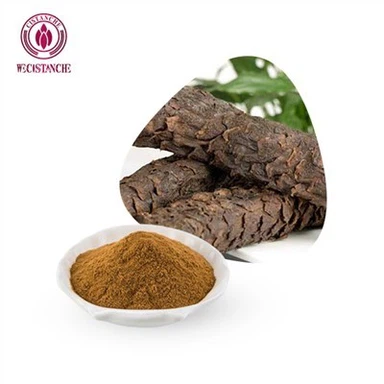
Cistanche is very good for Kidney function
Decreased kidney parenchyma in the elderly
Studies have shown that after the age of 40, the various functions of the kidneys gradually decline. The kidneys of the elderly shrink with age, the renal parenchyma decreases, and the glomeruli gradually harden, because the area of the glomerular capillary filtration barrier is significantly reduced; as the elderly grow older, there are more systemic vascular diseases, which are likely to cause kidney problems. Circulation and perfusion are reduced. The above reasons cause the decline of the glomerular filtration rate and the decline of renal tubular concentration and dilution in the physiological functions of the elderly. Therefore, the elderly are prone to symptoms such as increased nocturia, long urination, and body edema. They are also easy to find high blood creatinine and a decrease in glomerular filtration rate (GFR) when blood is drawn to check kidney function.

Edema is a common symptom of kidney disease
Elderly people are prone to kidney disease
The main cause of renal failure in the elderly is secondary. The main secondary factor is renal damage caused by metabolic diseases that the elderly have suffered for many years, such as secondary renal insufficiency such as diabetes, hypertension, gout, and so on for many years. Systemic rheumatic immune diseases, such as Sjogren’s syndrome, can easily cause renal tubular interstitial damage over time, and renal insufficiency often occurs when patients are older. In addition, an ischemic renal vascular disease caused by atherosclerosis, and acute renal failure after contrast-enhanced examination are also uncommon. Blood or solid tumor diseases that are prone to occur in the elderly, such as renal amyloidosis, multiple myeloma, and urinary system tumors, often impair renal function. Other common causes include obstructive nephropathy caused by nephrectomy, kidney stones, or benign prostatic hyperplasia. In addition to secondary causes, there are also some elderly people with primary nephritis that are susceptible to diseases, such as membranous nephropathy, focal segmental glomerulosclerosis, etc., clinically often manifested as a nephrotic syndrome (manifested as massive proteinuria, Hypoproteinemia, high edema, hyperlipidemia, ascites, and pleural fluid, etc.), the elderly with cardiopulmonary insufficiency, nephrotic syndrome is more likely to have complications such as infection, embolism and heart failure, which seriously threaten the health of the elderly.

Atherosclerosis, hypertension, diabetes that elderly people are susceptible to will increase the risk of kidney disease
What to do with kidney failure in the elderly?
Elderly people with renal failure first need to go to a nephrology specialist to check and analyze the causes of renal failure, and actively treat the underlying diseases based on the cause. If it is caused by rheumatism, blood, and tumors, it is necessary to go to the corresponding specialist for coordinated treatment at the same time and to ask the nephrologist in detail about the medical history and medication to remove the inducement of the deterioration of renal function in time.

Pay attention to kidney health and seek medical treatment in time
Will Chinese medicine hurt the kidney or protect the kidney?
Some Chinese medicinal materials have been found to have a certain protective effect on the kidneys, such as Angelica, Astragalus, Cistanche. However, if you have serious kidney disease, you must first go to a doctor and follow the doctor's advice. Experts point out that traditional Chinese medicine has its unique advantages. Some difficult chronic kidney diseases are treated with a combination of traditional Chinese and western medicine. Chinese medicine has shown good effects in alleviating clinical symptoms and delaying the progression of renal function.

Cistanche is commonly used in Chinese medicine to improve kidney function