Why Do I Get Constipated When I Travel Far Away?
Nov 21, 2023
Do you have such trouble? The hard-earned vacation not only requires long journeys and long journeys but also endures the torture of constipation!!

Don't worry, this is not your problem alone!
"Recognize the bed", "recognize the pillow", and "recognize the person"... But have you ever heard of "recognize the toilet"? When traveling, the most basic expectation for a trip is nothing more than to eat well, have fun, and sleep well. However, when you are away from home and say goodbye to your familiar "unobstructed partner", are you ready?
The term "recognizing the toilet" comes from the phenomenon that many friends encounter "cannot poop when traveling".
A survey by a team in Spain shows that more than 40% of people experience varying degrees of constipation when traveling. Once released, it resonated with more and more friends, and the term "travel constipation" was derived.
Many friends have also raised this question - why can I "poop freely if I want to poop" at home, but can't poop when I am traveling or on a business trip? How can we solve this big problem that affects the travel experience?
calm down! I know all your problems! This is for friends to answer their questions. At the end, there is a "prescription for unblocking"! Guaranteed one pass and all pass!
Why can’t I poop when traveling?
1 Changes in dietary structure affect the digestive system
When traveling and arriving in a new environment, it’s a must to try local specialties, right?
Under the temptation of delicious food, the diet structure during travel may differ greatly from usual. The digestive system needs to adapt to new food, water quality, jet lag, eating patterns, etc. This will result in the inability to absorb dietary fiber stably, resulting in insufficient intestinal motility and slow intestinal peristalsis.
It's like a worker who is accustomed to a certain type of work. If he is suddenly asked to change jobs or even start working in a short period, there is no guarantee that he will not lose his temper and go on strike. The manifestation of this in the digestive system is constipation.
2 Insufficient fluid intake
Water is essential for the proper functioning of the digestive system, especially intestinal motility. However, traveling abroad is not as comfortable and convenient as at home. Due to environment, itinerary, and other reasons, insufficient water intake will likely occur, leading to dry stools and difficulty in defecation.

3 Emotional impact
When traveling, the brain will "ventilate" with the intestines. Before traveling, it is easy to produce excitement, tension, and other emotions. During the journey, depression, stress, and other emotions may arise due to some unpleasantness, and the human body will suppress the "feeling".
4 The rhythm of life is disrupted
When traveling, the rhythm of life is different from usual. The relatively regular defecation time is broken, which is equivalent to changing the working hours of the digestive system, which will have some impact!
5 Reduced amount of exercise
Suppose you sit in a car most of the time while traveling. In that case, the amount of exercise will be greatly reduced, which will cause intestinal muscle relaxation, thus affecting intestinal peristalsis and leading to constipation.
It’s terrible if you can’t pull it when you want to!
Although constipation is not a disease, not having bowel movements is fatal. A survey shows that the prevalence of chronic constipation among adults in my country reaches 4.0% to 10.0%, and will increase with age. The prevalence among women is higher than among men.
Short-term constipation caused by going out can be laughed off, but if it is long-term constipation, you should be vigilant!
1 High risk of rectal cancer
Swedish medical experts have found that people with habitual constipation, especially middle-aged and elderly people with habitual constipation, have the highest risk of rectal cancer.
Due to slowed gastrointestinal motility and weakened digestion capacity of the digestive system, dry feces stay in the intestines longer, and the carcinogens in the feces are more irritating to the intestinal mucosa. Rectal cancer is at your doorstep!
2 Easily aggravates rectal and anal diseases
Certain rectal and anal diseases, such as proctitis, anal fissure, hemorrhoids, etc., can cause anal pain and spasm... and make patients fear and reject defecation.
The feces during constipation are dry and hard. If such feces stays in the rectum for too long, it will cause local edema in the rectum and block its operation, forming a vicious cycle.
3 Reduce human immunity
The intestine is the largest immune organ in the human body. 70% of the body's immune cells are distributed in the intestine. The intestinal mucosa forms a powerful mucosal immune system.
Problems in the intestines will directly lead to the loss of the body's immune defense line. When immunity is reduced, it is easy to be invaded by viruses and bacteria, and various colds and diseases will follow. As long as there are no worries about defecation, it will be "all clear". Therefore, friends, constipation should not be taken lightly!
How to relieve constipation?
If you want to have a smooth journey and maintain a smooth flow, it is basic to eat more fresh fruits and vegetables and drink more water during travel. If you still encounter the "constipation assassin" unfortunately, you can massage your abdomen to help intestinal peristalsis. If it still doesn't work, try the following method!
1 diet conditioning
Constipation can be improved through diet. It is recommended to eat less greasy and spicy food (barbecuing and frying), eat more food rich in dietary fiber, and maintain a diverse diet (such as vegetables, fruits, grains, whole grains, etc.). The fiber contained in these foods has hydrophilic properties. Sex helps reduce the pressure in the colon, increase the volume of stool, and help effectively improve constipation.
2 Take reasonable medical measures
If you have long-term constipation, the effect of dietary conditioning will not be obvious. At this time, you can use Chinese herbal conditioning, acupoint massage, or laxatives.

Constipation caused by physical weakness and deficiency of qi and blood in middle-aged and elderly people can be treated by boiling an appropriate amount of Forsythia suspensa (a holy medicine for sores and an important anti-plague medicine) with water to make tea, which can effectively treat long-term constipation.
In addition, you can also use appropriate acupoint massage as an auxiliary, such as pressing the Tianshu point, Daheng point, Qihai point, and Zusanli point... If you choose to use laxatives, you must follow the doctor's advice and use them in a standardized and reasonable manner. laxative.
3 Proper exercise
People who live sedentary lives are most likely to suffer from constipation, so they shouldn’t spend too long in the toilet! The time spent squatting, sitting, and going to the toilet should not exceed 5 minutes. People with constipation should not spend more than 10 minutes. Patients with hemorrhoids should not spend more than 3 minutes.
so! Moderate exercise is particularly important! It can help gastrointestinal peristalsis, promote digestion, and help defecation (you can jog or walk for at least half an hour every morning and evening), or you can insist on abdominal breathing in the morning and evening, about 15 minutes/time, and stop when you feel a fever in the lower abdomen or lower back.
Common language
Constipation occurs frequently in contemporary people's lives. It is a common clinical symptom and is not a shocking disease. But its impact on body metabolism cannot be ignored! If you have been suffering from it for a long time, you must take the right medicine in time!
Natural Herbal Medicine For Relieving Constipation-Cistanche
Cistanche is a genus of parasitic plants that belongs to the family Orobanchaceae. These plants are known for their medicinal properties and have been used in Traditional Chinese Medicine (TCM) for centuries. Cistanche species are predominantly found in arid and desert regions of China, Mongolia, and other parts of Central Asia. Cistanche plants are characterized by their fleshy, yellowish stems and are highly valued for their potential health benefits. In TCM, Cistanche is believed to have tonic properties and is commonly used to nourish the kidney, enhance vitality, and support sexual function. It is also used to address issues related to aging, fatigue, and overall well-being. While Cistanche has a long history of use in traditional medicine, scientific research on its efficacy and safety is ongoing and limited. However, it is known to contain various bioactive compounds such as phenylethanoid glycosides, iridoids, lignans, and polysaccharides, which may contribute to its medicinal effects.

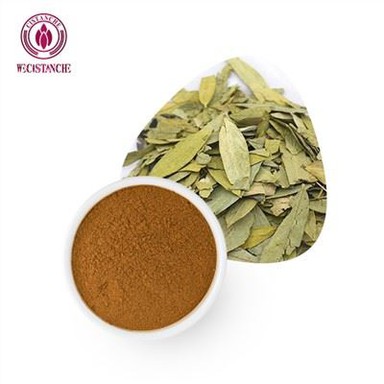
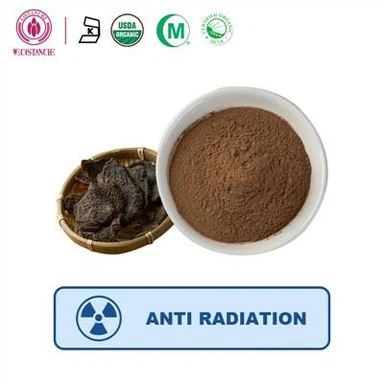
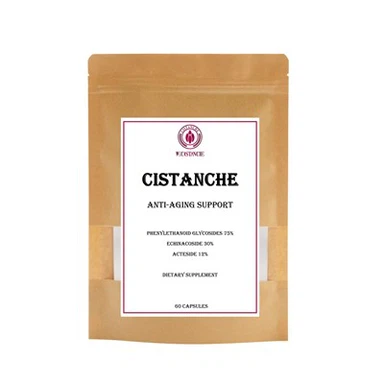
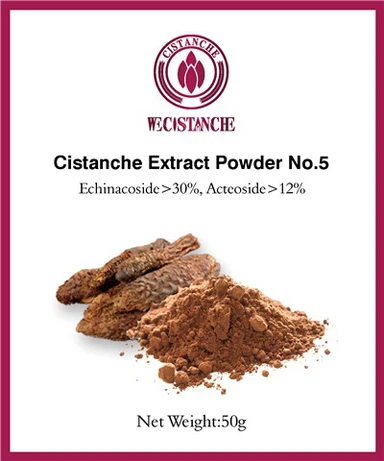
Wecistanche's cistanche powder, cistanche tablets, cistanche capsules, and other products are developed using desert cistanche as raw materials, all of which have a good effect on relieving constipation. The specific mechanism is as follows: Cistanche is believed to have potential benefits for relieving constipation based on its traditional use and certain compounds it contains. While scientific research specifically on Cistanche's effect on constipation is limited, it is thought to have multiple mechanisms that may contribute to its potential to relieve constipation. Laxative Effect: Cistanche has long been used in Traditional Chinese Medicine as a remedy for constipation. It is believed to have a mild laxative effect, which can help promote bowel movements and induce constipation. This effect may be attributed to various compounds found in Cistanche, such as phenylethanoid glycosides and polysaccharides. Moistening the Intestines: Based on traditional use, Cistanche is considered to have moisturizing properties, specifically targeting the Intestines. Promoting hydration and lubrication of the Intestines may help soften tools and facilitate easier passage, thereby relieving constipation. Anti-inflammatory Effect: Constipation can sometimes be associated with inflammation in the digestive tract. Cistanche contains certain compounds, including phenylethanoid glycosides and lignans, that are believed to have anti-inflammatory properties. By reducing inflammation in the intestines, it may help improve bowel movement regularity and relieve constipation.