Some Knowledge About The Intestines
Nov 14, 2023
The intestine is an important digestive organ of the human body. It is not only responsible for the absorption of nutrients but also responsible for blocking bacteria from invading the human body. It has abundant nerve cells and can make independent judgments and issue orders to the body.

Click to home remedies for constipation
At the same time, it is very sensitive to external stimuli. Overeating, mental stress, etc. will cause "emotional" reactions in the intestines, which will then affect the digestive system and cause uncomfortable symptoms such as diarrhea, nausea, vomiting, and constipation.
Common intestinal diseases
01 Functional dyspepsia
Functional dyspepsia, also known as non-ulcer dyspepsia or dyspepsia, is a very common intestinal disorder. It is a specialized term used to describe symptoms affecting the gastrointestinal tract, including pain, discomfort, early satiety, or a prolonged feeling of fullness while eating. Patients typically experience nausea, excessive belching, bloating or an uncomfortably full feeling after eating, a sour taste in the mouth, upper abdominal pain or burning, and weight loss.

02 Chronic constipation
Chronic constipation refers to difficulty in defecation, infrequent defecation, or the feeling of incomplete defecation, and the duration of the disease is at least more than 6 weeks. Because constipation causes patients to struggle with bowel movements, they may have small, hard stools and may be accompanied by anal fissures and hemorrhoids. In addition, symptoms such as abdominal distension, abdominal pain, loss of appetite, nausea, and vomiting are also included.
03 Lactose intolerance
Lactose intolerance is a digestive disorder that refers to a state in which the body is unable to digest lactose due to a lack of the digestive lactase enzyme that helps break down lactose in milk and milk products. Lactose intolerance can cause symptoms such as diarrhea, abdominal pain, indigestion, nausea, gas, and bloating, the severity of which depends on the amount of lactose consumed.

04 Irritable Bowel Syndrome
Irritable bowel syndrome (IBS) is a chronic gastrointestinal disorder that affects the lower digestive system, primarily the large intestine. Symptoms of IBS can be uncomfortable and may include abdominal bleeding, significant bloating, painful bowel movements, changes in bowel frequency and stool appearance, abdominal pain and cramping, bloating, gas, alternating constipation, and diarrhea.
05 Inflammatory bowel disease
Inflammatory bowel disease (IBD) is a general term for a group of intestinal disorders, including Crohn's disease and ulcerative colitis, that cause inflammation of the digestive tract. Crohn's disease (CD): CD most commonly occurs in the small intestine, but can occur anywhere in the digestive system. Symptoms may persist or recur, leading to what are called flare-ups. Common symptoms and signs include severe diarrhea, unexplained weight loss, stomach pain, bloody stools, fatigue, fever, mouth ulcers, kidney stones, anemia, malnutrition, etc.
Ulcerative colitis (UC): UC is characterized by inflammation and ulceration of the surface of the colon and rectum. It can be divided into various types according to the location of symptoms. Symptoms include severe diarrhea, unexplained weight loss, stomach pain, bloody stools, rectal bleeding, tenesmus, fatigue, loss of appetite, severe dehydration, etc.
How to take care of your gut health
01 Develop good eating habits
Eating habits are very important. Do not overeat, eat less cold, spicy, spicy, greasy food, and ensure the necessary amount of water to drink every day. Eat more foods rich in dietary fiber to promote intestinal peristalsis, relieve constipation, maintain smooth stools, and maintain the balance of intestinal flora.
02 Do not use or abuse antibiotics for a long time
Long-term use or misuse of antibiotics will not only kill harmful bacteria but also kill beneficial bacteria in the intestines, causing intestinal flora imbalance. Therefore, you must follow your doctor's advice when using antibiotics.

03 Do not use or abuse laxatives for long periods
Some patients with constipation use stimulant laxatives to treat constipation. Although they act quickly, they can easily cause diarrhea. Long-term use can lead to drug dependence, and can also lead to nerve dysfunction in the intestinal wall, melanosis of the colon, etc. Laxatives can only temporarily relieve the problem of constipation. The best way to treat constipation is to improve it by changing your living habits or using stool softeners, such as docusate sodium tablets, to combat dryness, soften stools, and are not absorbed by the human body, helping patients to defecate naturally and comfortably.
04 keep working out
Nowadays, many people lack exercise. Sitting for long periods due to work, study, and other reasons. Lack of exercise will reduce the peristalsis speed of the gastrointestinal tract and increase the residence time of feces in the body. Harmful substances will be absorbed by the body, which will lead to constipation and other intestinal diseases over time. However, Exercise increases intestinal motility and helps improve intestinal health.
05 Keep in a good mood
The mood is closely related to gastrointestinal health. People in modern society are under a lot of pressure. In daily life, we must learn to relieve stress and release our negative emotions. Mood and gastrointestinal health influence each other, so we must learn to maintain a positive attitude in life.
Natural Herbal Medicine For Relieving Constipation-Cistanche
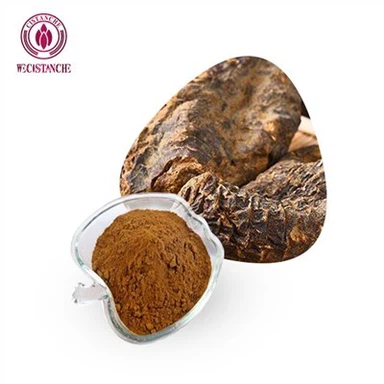
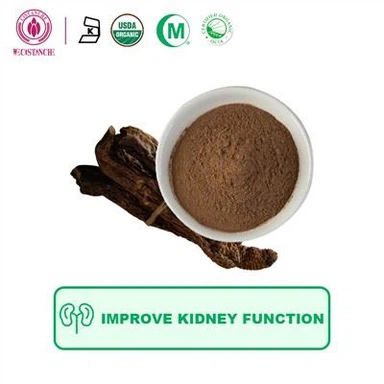
Cistanche is a genus of parasitic plants that belongs to the family Orobanchaceae. These plants are known for their medicinal properties and have been used in Traditional Chinese Medicine (TCM) for centuries. Cistanche species are predominantly found in arid and desert regions of China, Mongolia, and other parts of Central Asia. Cistanche plants are characterized by their fleshy, yellowish stems and are highly valued for their potential health benefits. In TCM, Cistanche is believed to have tonic properties and is commonly used to nourish the kidney, enhance vitality, and support sexual function. It is also used to address issues related to aging, fatigue, and overall well-being. While Cistanche has a long history of use in traditional medicine, scientific research on its efficacy and safety is ongoing and limited. However, it is known to contain various bioactive compounds such as phenylethanoid glycosides, iridoids, lignans, and polysaccharides, which may contribute to its medicinal effects.

Wecistanche's cistanche powder, cistanche tablets, cistanche capsules, and other products are developed using desert cistanche as raw materials, all of which have a good effect on relieving constipation. The specific mechanism is as follows: Cistanche is believed to have potential benefits for relieving constipation based on its traditional use and certain compounds it contains. While scientific research specifically on Cistanche's effect on constipation is limited, it is thought to have multiple mechanisms that may contribute to its potential to relieve constipation. Laxative Effect: Cistanche has long been used in Traditional Chinese Medicine as a remedy for constipation. It is believed to have a mild laxative effect, which can help promote bowel movements and induce constipation. This effect may be attributed to various compounds found in Cistanche, such as phenylethanoid glycosides and polysaccharides. Moistening the Intestines: Based on traditional use, Cistanche is considered to have moisturizing properties, specifically targeting the Intestines. Promoting hydration and lubrication of the Intestines may help soften tools and facilitate easier passage, thereby relieving constipation. Anti-inflammatory Effect: Constipation can sometimes be associated with inflammation in the digestive tract. Cistanche contains certain compounds, including phenylethanoid glycosides and lignans, that are believed to have anti-inflammatory properties. By reducing inflammation in the intestines, it may help improve bowel movement regularity and relieve constipation.