Why Is Chronic Kidney Disease Easily Ignored? Five Reasons To Understand
Jun 28, 2024
Despite the continuous progress of medical technology and the remarkable results achieved in the treatment of many diseases, chronic kidney disease, as a major intractable disease, still plagues many patients, and its diagnosis and treatment difficulties are prominent.
The latest epidemiological data show that chronic kidney disease has become one of the major diseases threatening public health, with a high incidence rate, even exceeding some common cancers, affecting more than 10% of the population in my country.

Click to Cistanche for kidney disease
Serious complications such as uremia derived from the disease are a direct threat to life. More than 400,000 people die of uremia each year, mainly because the disease is not discovered and intervened in time.
Therefore, in order to detect the disease early, the following is an analysis of the reasons why chronic kidney disease is easily ignored by patients.
01 The "silent" characteristics of chronic kidney disease
Chronic kidney disease is often called a "silent killer" because it often has no obvious symptoms in the early stages.
The human body has two kidneys. Even if one or part of the renal units is damaged, the healthy renal units can still compensate for their functions, so that patients do not feel obvious discomfort in the early stages of the disease.
Until the renal function is damaged to a certain extent, symptoms such as fatigue, weakness, edema, and foamy urine will not appear, at which time the disease may have progressed to a more serious stage.
02 General physical examination items do not cover comprehensive renal function examinations
Routine physical examination items include blood pressure measurement, urine analysis and blood creatinine level detection. Although they are basic health screening, they have limited sensitivity in revealing early renal lesions.
Mild proteinuria or microalbuminuria, as an early sign of renal damage, is easily missed in routine urine tests, requiring more accurate detection methods, such as 24-hour urine protein quantification or estimated glomerular filtration rate, to improve the accuracy and timeliness of diagnosis.
Therefore, in-depth assessment of renal health is crucial for early detection and intervention in the course of the disease.
03 Confusion with other chronic disease symptoms
Symptoms such as hypertension, anemia, and fatigue manifested by chronic kidney disease are often intertwined with common chronic disease symptoms such as diabetes and hypertension, causing patients to focus on these familiar symptoms during self-perception and initial diagnosis, while ignoring the kidney problems that may be hidden behind them.

For individuals with multiple chronic diseases at the same time, kidney function monitoring is more likely to be marginalized, further increasing the risk of missed diagnosis and delayed treatment.
Therefore, improving awareness of the specific manifestations of chronic kidney disease and strengthening kidney health monitoring in the case of multiple diseases are the key to improving the efficiency of diagnosis and treatment.
04 Insufficient awareness
The public lacks knowledge of kidney health, has a low level of active understanding and attention, and lacks awareness of the hazards of potential risk factors such as drug abuse, overwork, bad eating habits (high salt, high protein), and smoking and drinking.
These lifestyle and behavioral choices have invisibly increased the burden on the kidneys and accelerated their damage process, while most people have weak awareness of prevention and lack effective preventive measures.
Improving public education and enhancing awareness of kidney protection are issues that need to be urgently addressed.
05 The impact of medical habits
The public generally follows the traditional model of "seeking medical treatment only after symptoms appear", that is, seeking medical intervention only when encountering significant discomfort.
However, the uniqueness of chronic kidney disease lies in its hidden nature in the initial stage, which is asymptomatic or only mild, which directly leads to the failure of patients to seek medical treatment in time at the early stage of the disease and misses the best window period for effective treatment.

In view of this, it is particularly important to change the public health awareness and advocate active health management, including regular renal function testing, to break this vicious cycle and achieve early diagnosis and treatment of kidney disease.
In summary, it is crucial to increase attention and vigilance to chronic kidney disease.
It is recommended that everyone do a comprehensive renal function assessment regularly, especially for people with a history of chronic diseases, family members with kidney diseases, and people with related risk factors, and strengthen daily health care and regular examinations to achieve early detection and early treatment to prevent problems before they occur.
At the same time, developing good living habits, eating a reasonable diet, exercising moderately, and avoiding drug abuse are all effective ways to protect kidney health.
How Does Cistanche Treat Kidney Disease?
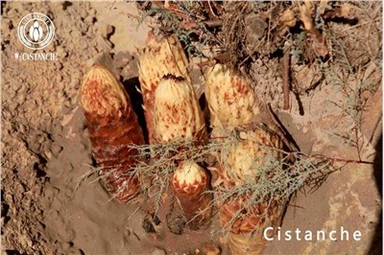
Cistanche is a traditional Chinese herbal medicine used for centuries to treat various health conditions, including kidney disease. It is derived from the dried stems of Cistanche deserticola, a plant native to the deserts of China and Mongolia. The main active components of cistanche are phenylethanoid glycosides, echinacoside, and acteoside, which have been found to have beneficial effects on kidney health.
Kidney disease, also known as renal disease, refers to a condition in which the kidneys are not functioning properly. This can result in a buildup of waste products and toxins in the body, leading to various symptoms and complications. Cistanche may help treat kidney disease ase through several mechanisms.
Firstly, cistanche has been found to have diuretic properties, meaning it can increase urine production and help eliminate waste products from the body. This can help relieve the burden on the kidneys and prevent the buildup of toxins. By promoting diuresis, cistanche may also help Reduce high blood pressure, a common complication of kidney disease.

Moreover, cistanche has been shown to have antioxidant effects. Oxidative stress, caused by an imbalance between the production of free radicals and the body's antioxidant defenses, plays a key role in the progression of kidney disease. ies help neutralize free radicals and reduce Oxidative stress, thereby protecting the kidneys from damage. The phenylethanoid glycosides found in cistanche have been particularly effective in scavenging free radicals and inhibiting lipid peroxidation.
Additionally, cistanche has been found to have anti-inflammatory effects. Inflammation is another key factor in the development and progression of kidney disease. Cistanche's anti-inflammatory properties help reduce the production of pro-inflammatory cytokines and inhibit the activation of inflammation mandatory pathways, thus alleviating inflammation in the kidneys.
Furthermore, cistanche has been shown to have immunomodulatory effects. In kidney disease, the immune system can be dysregulated, leading to excessive inflammation and tissue damage. Cistanche helps regulate the immune response by modulating the production and activity of immune cells, such as T cells and macrophages. This immune regulation helps reduce inflammation and prevent further damage to the kidneys.
Moreover, cistanche has been found to improve renal function by promoting the regeneration of renal tubes with cells. Renal tubular epithelial cells play a crucial role in the filtration and reabsorption of waste products and electrolytes. In kidney disease, these cells can be damaged, leading to damaged renal function. Cistanche's ability to promote the regeneration of these cells helps restore proper renal function and improve overall kidney health.
In addition to these direct effects on the kidneys, cistanche has been found to have beneficial effects on other organs and systems in the body. This holistic approach to health is particularly important in kidney disease, as the condition often affects multiple organs and systems. che has been shown to have protective effects on the liver, heart, and blood vessels, which are commonly affected by kidney disease. By promoting the health of these organs, cistanche helps improve overall kidney function and prevent further complications.
In conclusion, cistanche is a traditional Chinese herbal medicine used for centuries to treat kidney disease. Its active components have diuretic, antioxidant, anti-inflammatory, immunomodulatory, and regenerative effects, which help improve renal function and protect the kidneys from further damage. , cistanche has beneficial effects on other organs and systems, making it a holistic approach to treating kidney disease.