A New Subtype Of Shigella Is Causally Linked To Refractory Functional Constipation
Dec 25, 2023
Chronic constipation (CC) is a common multifactorial disease characterized by difficulty in defecation and/or reduced defecation frequency, dry and hard stool, and the disease duration is at least 6 months. The prevalence of CC in Chinese adults is 4% to 10%, and most of it is functional constipation (FC).

According to the pathophysiological mechanism, FC can be divided into normal transit constipation (NTC), slow transit constipation (STC), defecation disorder constipation, and mixed constipation. However, existing treatment methods are ineffective for about one-third of patients with STC, and suffer from recurring symptoms, manifesting as intractable functional constipation (intractable FC, IFC).
The pathological characteristics of IFC are delayed colonic transit due to insufficient colon propulsion. Several factors related to transmission delay have been identified, especially recent whole-genome analysis and microbiota transplantation studies have shown that intestinal microbiota may be a crucial factor affecting intestinal transport function, thereby affecting the CC phenotype. However, the pathogenesis of IFC has never been clear, and how to prevent and treat IFC is a global problem. Based on the above situation, researchers from Nanjing University School of Medicine hypothesized that IFC may be caused by refractory infections caused by certain bacteria that inhibit colonic motility.
2. Results
1. A type of Shigella-peristaltic contraction–inhibiting bacterium (PIB) was isolated from patients with IFC.
The research team selected 4 IFC patients and collected colon biopsy tissues from these patients. Through in vitro culture and testing, they screened out 3 bacterial colonies that have a contraction-inhibitory effect on jejunal peristalsis. The same results were observed in the colon peristalsis experiment. , manifested as a significant reduction in the amplitude and frequency of colonic contractions, reflecting the inhibitory effect of these bacteria on spontaneous intestinal contractions in the resting state. Subsequently, the research team tested the effect of these bacteria on colon contraction when stimulated by KCl or acetylcholine (ACh). The results showed that these bacteria did not inhibit the intestinal contraction stimulated by KCl or ACh. Therefore, these bacteria inhibit spontaneous intestinal contractions rather than stimulate contractions. After several passages, these bacteria can still maintain their inhibitory effect, which the research team calls "peristalsis-inhibiting bacteria" (PIB). Through 16S sequencing and whole-genome analysis, PIB was determined to be a new subtype of Shigella.

2. Docosapentenoic acid (DPA) is a contraction-inhibiting substance produced by PIB.
The researchers extracted, separated, and identified the PIB culture supernatant and determined that the effector substance was DPA. In order to test the role of DPA in colon contraction in vivo, the researchers administered cDPA (a pure commercial DPA) to the mice in the experimental group, and the mice in the control group were fed a blank solvent. Through the glass bead experiment, the mice's glass bead discharge was measured. time. The expulsion time of mice in the experimental group was significantly longer than that of the control group (blank solvent group 10.6±0.7 minutes, DPA group 14.7±1.1 minutes, P < 0.01).
3. DPA is the key active substance in PIB culture supernatant that inhibits colon contraction.
The researchers conducted experiments with the culture supernatant of PIB (PIB-KD) in which the DPA-related gene was deleted and found that it did not significantly inhibit the spontaneous contraction of the colon.
4. Oral administration of PIB is sufficient to induce constipation, which is reversed by PIB-specific phage.
The researchers administered PIB to the mice. After 8 weeks, PIB was detected in the feces, and the total gastrointestinal transit time (GTT) of the mice in the PIB group increased to 134% of the control group (134±7 minutes in the control group, 134±7 minutes in the PIB group). 180±12 minutes, P < 0.01), and the fecal water content was significantly reduced (30%±2% in the control group, 22%±2% in the PIB group, P < 0.01). The contraction amplitude and frequency of the colon of PIB-treated mice were inhibited. At the same time, the researchers found that the intestinal ganglia of mice in the PIB-WT group were moderately reduced, but the colon of mice in the PIB-kd group did not have this change, which means that the intestinal ganglia may be the target of PIB. Four weeks after treatment with PIB-specific phage, the mice tested negative for PIB in their feces and had improved intestinal motility.

PIBs were detected in the stool of 5.56% of IFC patients (38/68), but no PIBs were detected in the stool of non-IFC patients or healthy individuals (0/180). And 44.12% of IFC patients had elevated stool DPA levels (30/68), while no elevated stool DPA levels were found in healthy volunteers (0/97).
3. Summary
The identification of PIB has several potential clinical implications. First, since fecal PIB and DPA in healthy people and non-IFC patients are negative, positivity may indicate the presence of IFC. The fecal PIB and DPA detection method proposed in this study can be used as a reliable tool to identify PIB+ IFC patients in the constipated population. Secondly, this bacterial entity may provide opportunities for developing treatments for IFC diseases, such as screening for PIB-specific phages.
In conclusion, this study identified a pathogenic bacterium (Shigella spp. PIB) in the colon of patients with IFC. This bacterium induces constipation by producing DPA. Measurement of fecal PIB and DPA is a reliable method for identifying IFC.
Natural Herbal Medicine For Relieving Constipation-Cistanche
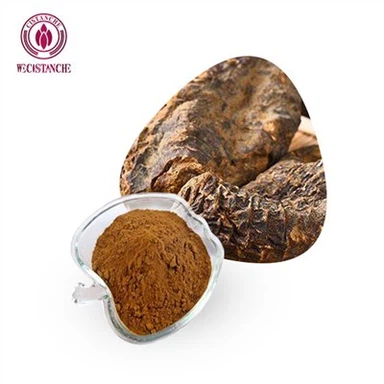
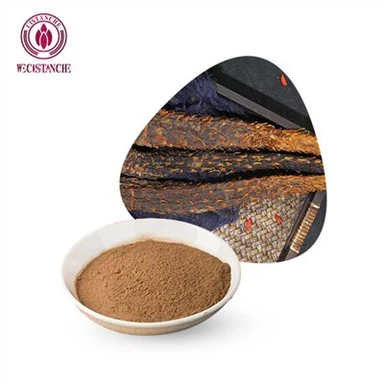
Cistanche is a genus of parasitic plants that belongs to the family Orobanchaceae. These plants are known for their medicinal properties and have been used in Traditional Chinese Medicine (TCM) for centuries. Cistanche species are predominantly found in arid and desert regions of China, Mongolia, and other parts of Central Asia. Cistanche plants are characterized by their fleshy, yellowish stems and are highly valued for their potential health benefits. In TCM, Cistanche is believed to have tonic properties and is commonly used to nourish the kidney, enhance vitality, and support sexual function. It is also used to address issues related to aging, fatigue, and overall well-being. While Cistanche has a long history of use in traditional medicine, scientific research on its efficacy and safety is ongoing and limited. However, it is known to contain various bioactive compounds such as phenylethanoid glycosides, iridoids, lignans, and polysaccharides, which may contribute to its medicinal effects.

Wecistanche's cistanche powder, cistanche tablets, cistanche capsules, and other products are developed using desert cistanche as raw materials, all of which have a good effect on relieving constipation. The specific mechanism is as follows: Cistanche is believed to have potential benefits for relieving constipation based on its traditional use and certain compounds it contains. While scientific research specifically on Cistanche's effect on constipation is limited, it is thought to have multiple mechanisms that may contribute to its potential to relieve constipation. Laxative Effect: Cistanche has long been used in Traditional Chinese Medicine as a remedy for constipation. It is believed to have a mild laxative effect, which can help promote bowel movements and induce constipation. This effect may be attributed to various compounds found in Cistanche, such as phenylethanoid glycosides and polysaccharides. Moistening the Intestines: Based on traditional use, Cistanche is considered to have moisturizing properties, specifically targeting the Intestines. Promoting hydration and lubrication of the Intestines may help soften tools and facilitate easier passage, thereby relieving constipation. Anti-inflammatory Effect: Constipation can sometimes be associated with inflammation in the digestive tract. Cistanche contains certain compounds, including phenylethanoid glycosides and lignans, that are believed to have anti-inflammatory properties. By reducing inflammation in the intestines, it may help improve bowel movement regularity and relieve constipation.